Choosing between tubeless and tube tires involves weighing convenience against setup challenges. Tubeless tires reduce flats and need less ongoing maintenance, but installing them can be tricky and required rim compatibility. On the other hand, tube tires are easier to install and repair but may lead to more flats and frequent repairs. Understanding these tradeoffs helps you pick what’s best for your riding style—stick around for more insights.
Key Takeaways
- Tubeless tires reduce flats and maintenance, sealing small punctures automatically with sealant during rides.
- Installing tubeless tires can be challenging and requires compatible rims and proper bead seating.
- Tube tires are easier to install and repair, making them suitable for casual riders or quick fixes.
- Tubeless setups generally offer better performance benefits like lower rolling resistance and fewer flats.
- Regular sealant replenishment is needed for tubeless tires, whereas tubes require less ongoing maintenance.
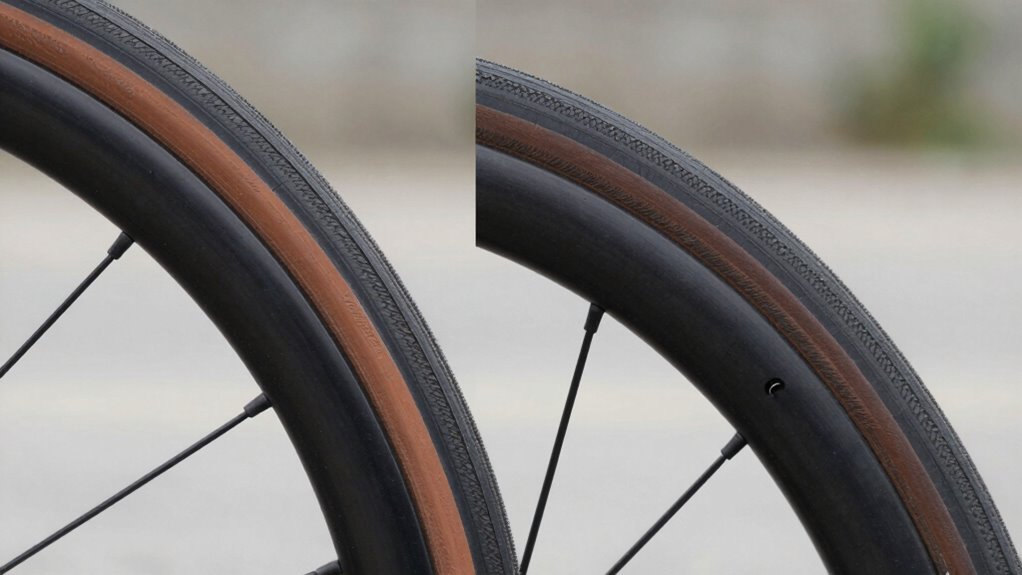
When choosing between tubeless and tube tires, understanding their differences can help you make an informed decision. One of the key factors to consider is how each type handles punctures and maintenance. Tubeless setups often require you to add tire sealant, which can quickly seal small punctures as they happen, reducing the chance of flats. This sealant is an essential component because it continuously coats the inside of the tire, plugging tiny holes from thorns, glass, or nails. On the other hand, traditional tube tires rely on an inner tube that, when punctured, usually results in a flat until you replace or patch it. While patches work well, they might not be as quick or convenient, especially if you’re out on a ride.
Another aspect that influences your decision is rim compatibility. Not all rims are suited for tubeless tires, as they often require specific bead profiles and sealing capabilities. Before switching, you need to verify that your rims are tubeless-ready or can be adapted with an appropriate rim tape and sealant. If your rims aren’t compatible, you might encounter issues with air retention or difficulty mounting tires, which can lead to frustration. Conversely, traditional tube tires are more forgiving in terms of rim compatibility since they can fit most standard rims without special modifications.
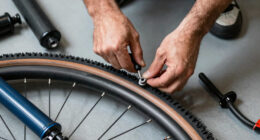
Ease of installation and maintenance is another consideration. Tubeless tires can be more challenging to set up initially, especially if you’re doing it for the first time. Properly seating the tire bead and ensuring an airtight seal demands some skill and patience. Once set up, though, they generally require less ongoing maintenance—no inner tubes to worry about, and the sealant needs to be checked and replenished periodically, usually every few months. Tube tires, meanwhile, are simpler to install: you just insert the tube, inflate, and you’re good to go. However, if you get a flat, you’ll need to remove the wheel, patch or replace the tube, and reinstall everything.
Additionally, the role of high-quality projectors in home cinema setups can significantly enhance your viewing experience, especially when paired with the right tires for your bicycle, as both require careful consideration of their respective features to optimize performance. Ultimately, your choice hinges on your riding style, the terrain you ride, and your willingness to perform maintenance. Tubeless tires, with their ability to seal punctures on the fly and lower rolling resistance, appeal to serious riders seeking efficiency and fewer flats. Traditional tubes might suit casual riders or those with rims that aren’t tubeless-compatible, valuing straightforward setup and repair. By weighing these tradeoffs carefully, especially regarding tire sealant needs and rim compatibility, you can select the option that best matches your riding needs and preferences.
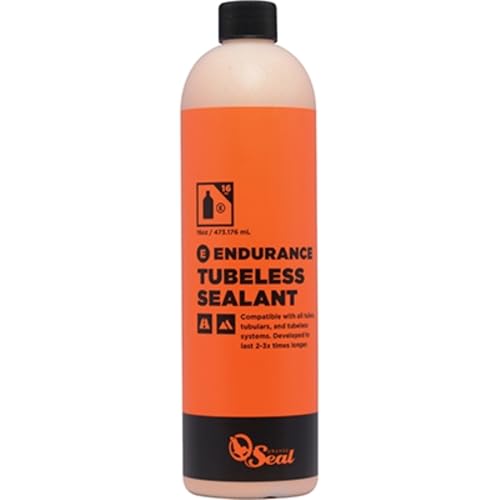
Orange Seal – Endurance Formula Tubeless Bike Tire Sealant | Long Lasting, Fast Sealing | for MTB, Road, CX and Gravel Bicycle Tires | 16oz Refill
Long-lasting latex formula provides superior durability, staying effective for 2-3 times longer than standard sealants to minimize maintenance…
As an affiliate, we earn on qualifying purchases.
As an affiliate, we earn on qualifying purchases.
Frequently Asked Questions
How Do Tubeless and Tube Tires Compare in Extreme Weather Conditions?
In extreme weather, tubeless tires often perform better because they maintain better sealant longevity, which helps prevent flats in cold or hot conditions. You’ll want to check rim compatibility first, as not all rims suit tubeless setups. Tubes might handle rapid temperature shifts better but can be more prone to punctures. Overall, tubeless tires are more reliable in harsh weather, provided you keep the sealant fresh and your rims compatible.
What Are the Long-Term Maintenance Costs for Tubeless Versus Tube Setups?
Think of your tire setup as a garden needing diligent care. Tubeless systems often demand higher upfront investment, but their long-term cost management can be easier, thanks to fewer repairs and patching. Tube setups, like tending a fragile plant, may seem cheaper initially but can rack up repair expenses over time. You’ll find tubeless tires generally save you money and hassle in the long run, provided you stay on top of maintenance.
Can Tubeless Tires Be Used With Any Rim Type or Only Specific Ones?
You can’t use tubeless tires with any rim type; rim compatibility is key. Many modern rims are tubeless-ready, making installation smoother and more dependable. However, if your rims aren’t designed for tubeless, you’ll face installation considerations like adding rim tape and valves. Always check your rim’s specifications before switching to tubeless to guarantee a proper fit and maximum performance.
How Do Puncture Repair Options Differ Between Tubeless and Tube Tires?
When repairing a puncture, tubeless tires rely on sealant effectiveness to quickly seal small holes, often allowing you to ride immediately after adding sealant and reinflating. Tubes require replacing or patching the tube itself, which can take more time. Puncture speed with tubeless setups is faster because the sealant acts instantly, whereas fixing a tube involves removing, repairing, or replacing it, which takes longer.
Are There Safety Concerns Unique to Either Tubeless or Tube Systems?
You might think tubeless systems are completely safe, but valve failure can be a concern if the valve isn’t properly maintained, risking sudden deflation. Tubes can pinch or burst under pressure, but they avoid sealant hazards. Always check for leaks and confirm your valves are secure. Both systems have safety considerations, so stay vigilant, and regularly inspect your tires to prevent accidents caused by unnoticed issues.

Continental Race 28 700×20-25c Bicycle Inner Tubes – 42mm Long Presta Valve – 2 Pack
Valve Lenght: 42mm Presta Valve – Suitable for Rims with a Presta Valve Drill Hole and Rimdepth of…
As an affiliate, we earn on qualifying purchases.
As an affiliate, we earn on qualifying purchases.
Conclusion
Choosing between tubeless and tubes is like picking the right tool for a job—you need to weigh your riding style, priorities, and climate. Tubeless setups often feel like riding on air-filled cushions, offering fewer flats and lower pressure worries. But tubes can be reliable and simple if you prefer straightforward solutions. Ultimately, it’s about finding what fits your ride best; both options are roads worth exploring, each with its own unique rhythm.

29-Inch Alloy Mountain Bike Wheels Set with RYDE Rival26 Double Wall Tubeless-Ready Rims, 8-11 Speed Compatible, Black Disc Hub, Quick Release, 36H Spokes, Performance Engineering for Trail, E
29-inch alloy mountain bike wheels with double-wall rims designed for durability and strength in rugged terrains.
As an affiliate, we earn on qualifying purchases.
As an affiliate, we earn on qualifying purchases.

60Pics Bike Tire Repair Kit,Bicycle Inner Tube Patch Kit with Patches and Tire Levers ,Tubeless Tire Repair Rubber Nail with Box and Screwdriver,Convenient Kit for Mountain or Road Bike, Motorcycle
✅Equipped with high-viscosity quick-drying glues, it dries to the touch in 1 minute—no long waiting after application to…
As an affiliate, we earn on qualifying purchases.
As an affiliate, we earn on qualifying purchases.