Disc brakes are a great upgrade if you need better stopping power, especially under tough conditions or heavy loads. Hydraulic systems offer smooth and consistent braking, perfect for demanding rides, while mechanical brakes are easier to maintain and budget-friendly for casual cycling. However, if you prefer simple, low-maintenance options for mild terrains, traditional brakes may suffice. Keep in mind, understanding your riding needs helps determine if disc brakes are worth it — discover more to find out how to choose the right system for you.
Key Takeaways
- Upgrading to disc brakes is worthwhile for improved stopping power and control in challenging terrains or heavy loads.
- Hydraulic disc brakes offer smoother modulation but are costlier and more complex to maintain than mechanical ones.
- Mechanical disc brakes are suitable for casual riding and easier DIY maintenance, making them a good budget-friendly upgrade.
- Avoid disc brake upgrades if your bike lacks compatible mounting points or if your riding demands are low.
- Regular maintenance, such as pad replacement and rotor cleaning, is essential regardless of brake type for optimal performance.
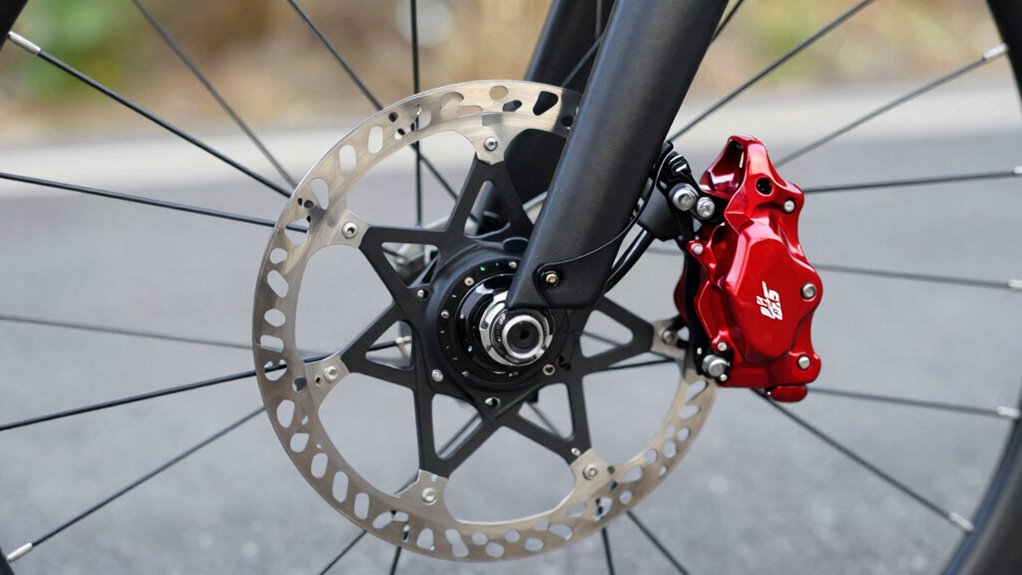
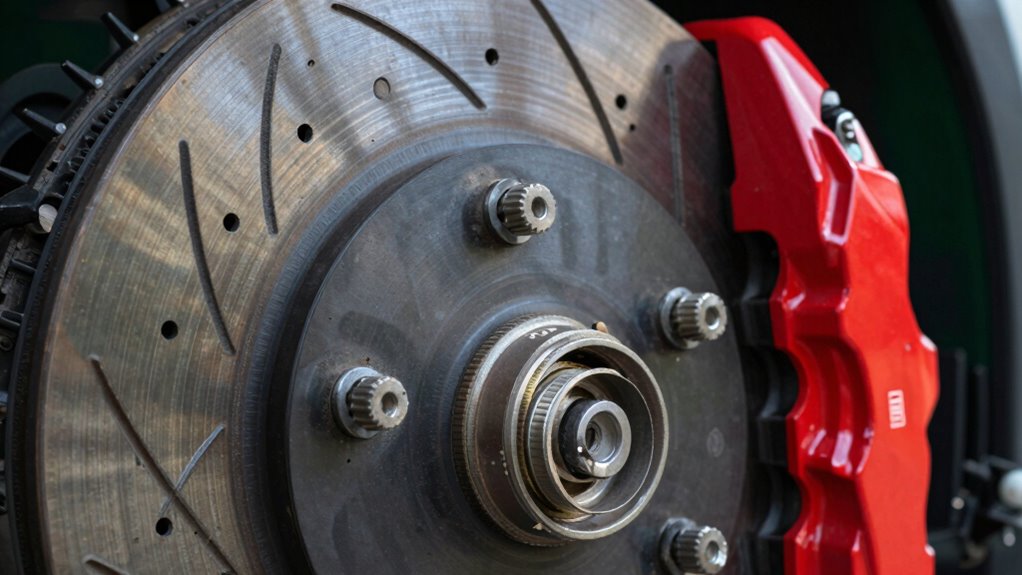
Have you ever wondered how your bike or car slows down so efficiently? It’s thanks to the powerful braking systems that convert your kinetic energy into heat, stopping you safely. When it comes to disc brakes, you often face the choice between hydraulic and mechanical setups. Both have their pros and cons, but understanding their differences can help you decide which is best for your needs and how to keep them in top shape. Hydraulic disc brakes use fluid to transfer force from the brake lever to the caliper. This system offers smoother, more consistent braking, especially under heavy loads or rough conditions. Mechanical disc brakes, on the other hand, rely on a cable connecting the brake lever to the caliper. They’re simpler and usually cheaper, making them popular among casual riders or for bikes with lower braking demands. When it comes to disc brake maintenance, your approach depends on which system you have. Hydraulic brakes require occasional bleeding to remove air bubbles and ensure the fluid remains clean. If the brakes feel spongy or less responsive, it’s time for a bleed. You’ll also need to check the brake pads regularly, as they wear down with use, and replace them when necessary. Hydraulic systems tend to be more sealed, so they typically need less frequent adjustments, but if you notice leaks or reduced performance, professional service might be needed. Mechanical brakes are generally easier to maintain at home. You can adjust the cable tension to improve braking feel, and replacing worn pads is straightforward. Just keep an eye on the cable for fraying or corrosion, and lubricate or replace it as needed. Both systems benefit from regular inspection—cleaning the rotors, checking for uneven pad wear, and ensuring nothing is loose. Although hydraulic brakes offer superior modulation and less maintenance in the long run, they can be more complex and costly to repair if something goes wrong. Mechanical systems are more accessible and easier to troubleshoot, making them a good choice for those new to bike upkeep or on a tight budget. Additionally, some high-end vehicles use advanced braking technology, which can improve safety and performance in challenging conditions. Ultimately, your decision should consider how often you ride, the conditions you face, and your comfort with maintenance. Disc brakes are a significant upgrade over traditional rim brakes, providing better stopping power and reliability. But they’re not always necessary—if you ride casually on flat terrain, the maintenance and cost might outweigh the benefits. Whether you choose hydraulic or mechanical, proper maintenance guarantees your disc brakes perform safely and efficiently, giving you confidence on every ride or drive.
hydraulic disc brake kit for bikes
As an affiliate, we earn on qualifying purchases.
As an affiliate, we earn on qualifying purchases.
Frequently Asked Questions
How Long Do Disc Brakes Typically Last Before Replacement?
You can expect disc brake pads to last between 20,000 and 50,000 miles, depending on your brake pad longevity and riding habits. The rotor wear rate also affects how often you need replacements, with rotors typically lasting longer if you brake smoothly. Regular inspections help spot uneven wear or thinner pads early. Keep an eye on braking performance and noises to make certain your disc brakes stay effective and safe.
Are Disc Brakes Suitable for All Types of Bicycles?
You’ll find disc brakes are suitable for most bikes, but their effectiveness depends on your riding style. Hydraulic disc brakes deliver more stopping power and are preferred for mountain biking, while mechanical discs are easier to maintain, making them common on road bikes. Notably, over 70% of mountain bikers favor hydraulic systems for their superior performance. Choose the right type based on your bike, terrain, and maintenance preferences.
Can Disc Brakes Be Used With Rim Brake Bikes?
Yes, you can use disc brakes with rim brake bikes, but you’ll need rim brake compatibility and disc brake adapters. First, check if your frame and fork can handle disc brake mounts; if not, disc brake adapters are essential. Installing disc brakes involves replacing the existing hubs or adding adapters, ensuring proper compatibility. This upgrade can improve stopping power, but make sure your bike’s design supports this modification.
What Are the Signs of Disc Brake System Failure?
You’ll notice signs of disc brake system failure when your brakes become less responsive or make unusual noises. Watch for caliper corrosion, which can hinder proper function, and listen for pad squeal, indicating uneven wear or debris. If your braking feels spongy or inconsistent, it’s a sign you should check your calipers and pads. Addressing these issues early helps maintain your bike’s safety and performance.
Do Disc Brakes Require Special Maintenance or Tools?
Think of your disc brakes as a well-oiled machine in a race—smooth, precise, and ready to stop on a dime. You’ll need special tools for brake pad replacement and rotor cleaning to keep them performing their best. Regular maintenance involves checking for wear, replacing pads when needed, and cleaning rotors to prevent squeals. With the right tools and a little know-how, you can keep your brakes in top shape for miles to come.
Conclusion
Upgrading to disc brakes can transform your riding experience, offering better stopping power and control. But remember, not every bike or rider needs them immediately—sometimes, “don’t put the cart before the horse” still holds true. Assess your riding style and needs first, then decide if the upgrade’s worth it. When you do, you’ll thank yourself for making an informed choice. After all, the right gear at the right time makes all the difference.