Before your flight, research your airline’s bike policies to understand accepted packing methods, fees, and size limits. Pack your bike securely in a sturdy case or bag, removing pedals, deflating tires, and protecting delicate parts. Arrive early to allow time for check-in and any inspections, and communicate with airline staff about your bike. Preparing properly and knowing the airport steps helps prevent surprises and ensures your bike arrives safely—keep exploring to learn more tips for a smooth trip.
Key Takeaways
- Arrive early to allow ample time for bike inspection and check-in procedures.
- Clearly communicate with airline staff about your bike’s packing and handling requirements.
- Ensure your bike is properly packed in a sturdy case or bag that meets size and weight limits.
- Have all necessary documentation, including proof of purchase or insurance, ready for verification.
- Follow airport check-in steps carefully to prevent damage or delays during your bike’s transit.
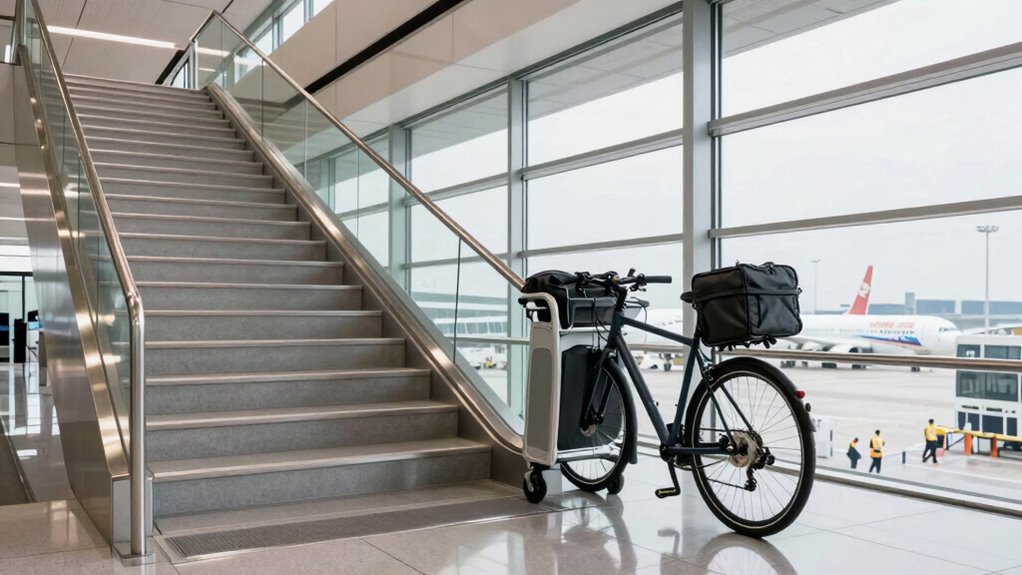
Ever wondered how to take your bike on a flight without hassle? It all starts with understanding bike packing and airline policies. Before you even pack your bike, you need to research the specific airline’s regulations. Each airline has its own set of rules regarding how bikes are accepted, whether they count as checked luggage, and what size and weight limits apply. Some airlines treat bikes as regular checked baggage, while others have special fees or require you to book a separate bike reservation. Knowing these policies upfront saves you from surprises at the airport and helps you prepare properly. When you plan your trip, consider the packing method—using a bike bag, hard case, or box—since some options are more accepted or economical than others. Many travelers opt for a bike packing setup that meets airline standards and minimizes damage during transit.
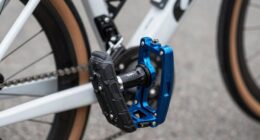
Once you’re familiar with airline policies, the next step is to prepare your bike for packing. Remove pedals, disconnect the derailleur, and deflate the tires as needed. Wrap delicate components and secure loose parts to prevent damage. Using a dedicated bike bag or hard case designed for travel makes a big difference. These containers are built to withstand rough handling and provide extra protection. If you’re using a soft bag, reinforce it with padding and make sure it adheres to size restrictions specified by the airline. Proper packing not only safeguards your bike but also helps you avoid extra fees for oversized or overweight luggage. When you’re ready to check in, arrive early to allow ample time for inspection and to handle any additional questions from airline staff. Be prepared to show your packing and perhaps even dismantle parts if asked.
Throughout the process, communication is key. Confirm your reservation, ask about any additional fees, and verify that your packing method complies with airline policies. Many airlines appreciate travelers who are well-informed, which can streamline the check-in process. Additionally, understanding airport steps can significantly reduce stress during your travel. Remember, some airlines require advance notification or special booking for bikes, so don’t leave it to the last minute. Carry any necessary documentation, such as proof of bike value or insurance, especially if you’re traveling internationally. Following these airport steps and being proactive about airline policies makes flying with a bike much less stressful. Proper bike packing and clear communication ensure your two-wheeled companion arrives safely and ready for your adventure. So, plan ahead, pack smart, and enjoy your trip—your bike will thank you!
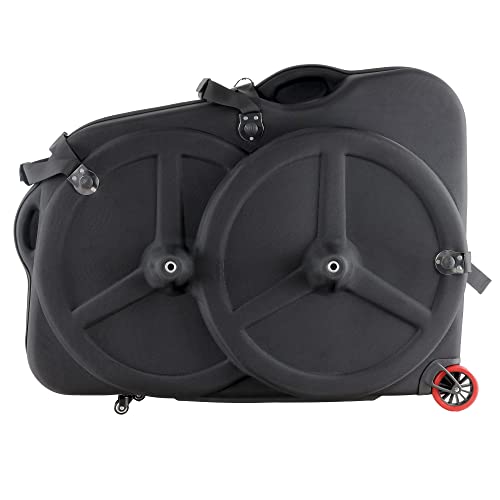
CyclingDeal Bike Travel Case – 700c Bikes – Bicycle Air Flights Travel Hard Case Box Bag EVA Material Lightweight & Durable with TSA Lock – Great for Road Bike -Transport Equipment Pro
- Compatibility: Fits 700C road bikes with QR and Thru axles
- Material: Made from durable EVA with high impact resistance
- Dimensions: 115cm x 25cm x 84cm, weighs 8.3kg
As an affiliate, we earn on qualifying purchases.
As an affiliate, we earn on qualifying purchases.
Frequently Asked Questions
What Is the Cost to Ship a Bike via Airlines?
Bike shipping costs vary depending on the airline and destination, but you can expect airline baggage fees to range from $50 to $200 each way. Some airlines charge a flat fee, while others base it on weight and size. To save money, consider packing your bike properly and checking specific airline policies beforehand. Always compare airline baggage fees to find the most affordable option for shipping your bike.
Are There Size Restrictions for Bike Cases?
Bike case boundaries bear specific size restrictions. Most airlines specify bike case dimensions, typically around 62 linear inches (length + width + height), aligning with airline size limits. To avoid aggravation, always verify your airline’s bike case dimensions and confirm they fit within the airline size limits. Ultimately, adhering to these size restrictions ensures smooth sailing and avoids surcharges, saving you stress and securing your cycle’s safe, secure journey.
How Early Should I Arrive at the Airport With a Bike?
You should arrive at the airport at least 2 to 3 hours before your flight when flying with a bike. This gives you enough time for bike packing, checking in your bike case, and handling any extra procedures at airport check-in. Arriving early helps you avoid stress, guarantees proper paperwork, and allows for potential delays, making your airport experience smoother and more efficient.
What Are Common Damages to Check for After Travel?
Think of your bike as a fragile treasure that needs careful inspection. After travel, do a damage inspection, checking for bent frames, loose parts, or scratches. Refer to your packing checklist to verify nothing’s missing or broken. Common damages include cracked paint, bent wheels, or loose pedals. Address these issues promptly to prevent further harm. Regularly inspecting your bike keeps it in top shape and ready for your next adventure.
Can I Track My Bike During the Flight?
You can usually track your bike during the flight through airline baggage tracking systems. Many airlines offer real-time updates via their apps or websites, giving you peace of mind. You might also consider using bike tracking devices or GPS tags that sync with your phone, providing constant location updates. Always check with your airline beforehand to understand their baggage tracking options and guarantee your bike’s safe journey.
Conclusion
Just like a skilled captain charting a course through calm and stormy seas, you’ve learned how to navigate airport steps with your bike. Every careful move, every thoughtful step, keeps your journey afloat and your adventure alive. Remember, with patience and preparation, you’re steering your own ship, turning obstacles into smooth sailing. So, gear up and take each step confidently—your journey awaits beyond the horizon, ready for you to explore new horizons with your trusted bike by your side.