

To avoid a mid-season slump, stay alert to signs of fatigue and declining motivation among your team. Celebrate small wins, recognize individual efforts, and foster open communication to boost morale. Regularly review and adjust goals, breaking them into manageable steps, and introduce fresh strategies like rotating responsibilities. Lead with positivity and address concerns early. By staying flexible and proactive, you can keep your team engaged and resilient throughout the season—discover how to maintain momentum more effectively.
Key Takeaways
- Regularly monitor team morale and performance to detect early signs of fatigue or disengagement.
- Celebrate small wins and recognize individual efforts to boost motivation and maintain enthusiasm.
- Reassess and adjust goals to ensure they remain realistic and aligned with current circumstances.
- Introduce new strategies and rotate responsibilities to keep tasks engaging and prevent monotony.
- Lead with resilience, foster open communication, and promote self-care to sustain team energy and focus.
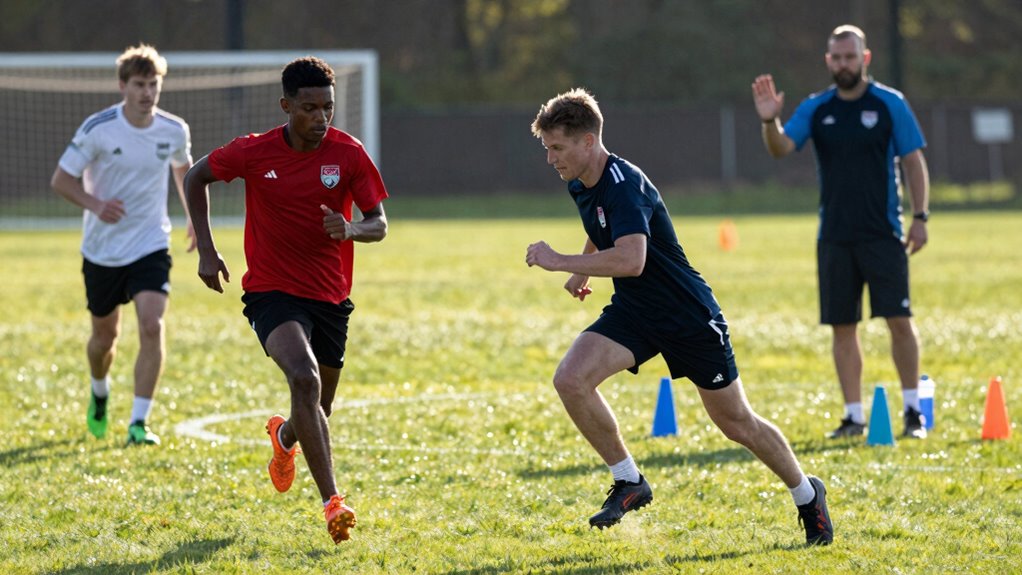
Mid-season slumps can catch you off guard, but with the right approach, you can stay on top of your game. The key is to recognize early signs of fatigue or complacency and act swiftly to reignite your motivation. When your team feels motivated, productivity rises, and morale improves, which helps push through challenging periods. To keep team motivation high, focus on celebrating small wins, recognizing individual contributions, and maintaining open communication. When everyone feels valued and engaged, it’s easier to maintain momentum. Remember, motivation isn’t just about incentives; it’s about fostering a sense of purpose and belonging that keeps everyone committed to the common goal.
Another effective strategy is to periodically reassess and adjust your goals. Goals that once felt challenging now might seem overwhelming or irrelevant as the season progresses. When you notice a dip in performance or enthusiasm, it’s time to revisit your objectives. Goal adjustment isn’t about lowering standards but about making them more realistic and aligned with your current situation. Break larger goals into smaller, manageable tasks, and set interim milestones to give your team a sense of achievement. This process provides clarity and prevents burnout, helping everyone stay focused and motivated. By continuously refining your goals, you create a dynamic environment that adapts to changing circumstances—making it easier to stay motivated and avoid the mid-season slump. Recognizing the importance of content understanding can help you identify when adjustments are necessary before issues escalate. Incorporating effective communication strategies also plays a vital role in maintaining clarity and trust within your team. Staying adaptable and receptive to feedback further enhances your ability to respond effectively to changing circumstances.
Staying flexible is essential. If you see your team losing steam, don’t be afraid to introduce new strategies or rotate responsibilities to keep things fresh. Sometimes, a change of pace can revive enthusiasm and spark renewed effort. Communication plays a crucial role here—keep everyone informed about why adjustments are made and how they contribute to overall success. This transparency builds trust and encourages buy-in. Additionally, regularly check in with your team to gauge their mental and emotional state. Addressing concerns early prevents frustration from building up and helps reinforce a collective commitment to overcoming obstacles together.
Finally, don’t forget to take care of yourself. Your leadership sets the tone for the team. If you stay positive, resilient, and proactive, it will inspire your team to do the same. Recognize that mid-season slumps are natural; what matters most is how you respond. By maintaining motivation, adjusting goals intelligently, and fostering open communication, you create a resilient environment that can withstand the lows and capitalize on the highs. With these strategies in place, you’ll navigate through the mid-season slump more confidently, keeping your team energized and focused on finishing strong.

120 PCS Appreciation Chips, 60 Designs Thanks Round Tokens Employee Appreciation Gifts-Share Kindness, Recognition and Motivation for Staff, Nurses, Teachers, Students and More (2.2” in Diameter)
Value Pack: This set includes 120 round appreciation tokens, offering plenty to distribute among teams, classes, or events…
As an affiliate, we earn on qualifying purchases.
As an affiliate, we earn on qualifying purchases.
Frequently Asked Questions
Can Diet Impact My Energy Levels During the Season?
Yes, your diet impacts your energy levels during the season. Meal timing is essential; eating balanced meals at regular intervals helps maintain steady energy. Hydration strategies are equally important—staying well-hydrated prevents fatigue and keeps you alert. Incorporate carbohydrate-rich foods for quick energy and protein for sustained stamina. Avoid sugary snacks that cause energy crashes. Proper nutrition supports your performance, keeping you energized and focused throughout the season.
How Do I Stay Motivated When Progress Stalls?
When progress stalls, adopting mindset strategies can reignite your motivation. Believe that setbacks are part of growth, and focus on the bigger picture. Reassess your goals to guarantee they’re realistic and inspiring, which keeps you engaged. Remind yourself of your initial passion and celebrate small wins. This mindset shift helps maintain momentum, turning stagnation into an opportunity for reflection and renewed determination.
Are There Specific Exercises to Prevent Fatigue?
To prevent fatigue, incorporate cross-training variety into your routine, such as cycling, swimming, or strength workouts, which reduce repetitive strain. Also, prioritize rest and recovery days to allow your muscles to repair and recharge. These strategies help you avoid overuse injuries and maintain your energy levels, keeping you motivated and consistent. Remember, balancing different exercises with proper rest is key to staying resilient and avoiding burnout mid-season.
How Important Is Sleep for Maintaining Performance?
Ever wonder how essential sleep really is for your performance? It’s important, as good sleep hygiene guarantees your body gets the rest recovery it needs. When you prioritize quality sleep, you enhance focus, stamina, and resilience against fatigue. Skimp on sleep, and your performance drops. So, make sleep a non-negotiable part of your routine, because proper rest isn’t just about feeling good — it’s about performing at your best every day.
Should I Adjust My Training Schedule Mid-Season?
Yes, you should adjust your training schedule mid-season to prevent fatigue and maintain peak performance. Focus on moderating training intensity, so you don’t overtrain, and incorporate adequate rest periods to allow your body to recover. Listening to your body is key; if you feel overly tired or sore, scale back temporarily. This approach helps you stay fresh, motivated, and ready for upcoming competitions without risking burnout.

Fish: A Proven Way to Boost Morale and Improve Results
Great product!
As an affiliate, we earn on qualifying purchases.
As an affiliate, we earn on qualifying purchases.
Conclusion
Stay proactive and keep your momentum going, even when the season hits its midpoint. Remember, a steady pace prevents burnout and keeps your spirits high. Think of it like steering a boat — you don’t want to wait until the storm hits to react; instead, adjust your sails early. By staying focused and adaptable, you’ll sail smoothly past the slump, reaching your goals with confidence and ease. Keep your eyes on the prize and stay the course!

Goal Planning Notepad – A5 Goal Setting Journal For Project Action Plan,Task Management, Personal Development & Track Goals. Productivity Notepad For Daily Work & School – 54 Sheets
GOAL PLANNING NOTEPAD – The Goal setting notebook features a highly effective template that will help you to…
As an affiliate, we earn on qualifying purchases.
As an affiliate, we earn on qualifying purchases.
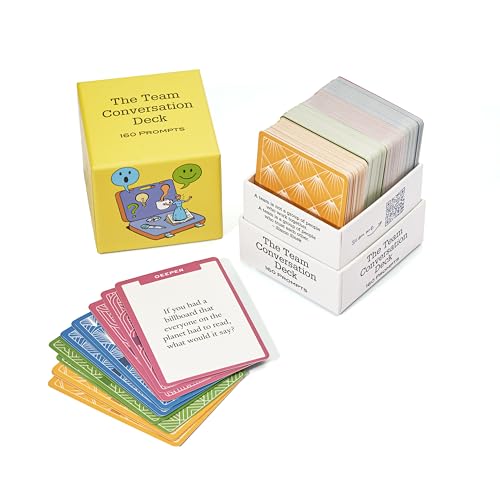
Leader Tools 160 Team Building Cards for Managers – Build Trust & Improve Team Performance – 4 Categories from Light Icebreakers to Strategic Team Questions – for Meetings, 1-on-1s & Team Offsites
100% Work-Safe, Zero Pre-Screening Needed – Every card tested with real teams across all hierarchy levels. No awkward…
As an affiliate, we earn on qualifying purchases.
As an affiliate, we earn on qualifying purchases.