
Your ride quality varies greatly with tire volume because it affects how much the tire flexes and absorbs shocks. When you increase tire volume, the tire can flex more, providing a softer, smoother ride, especially on rough surfaces. Lowering the volume makes the tire stiffer, transmitting more bumps and road imperfections. Properly managing your tire volume based on conditions can improve comfort and safety—stay tuned to understand how to optimize this for every drive.
Key Takeaways
- Larger tire volume allows more air, increasing flexibility and cushioning for a smoother ride.
- Smaller tire volume results in stiffer tires, transmitting more road imperfections to the vehicle.
- Adjusting tire pressure directly changes tire volume, impacting shock absorption and ride comfort.
- Tire volume affects the contact patch, influencing how vibrations and bumps are felt inside the vehicle.
- Proper management of tire volume helps optimize ride quality based on road surface conditions.
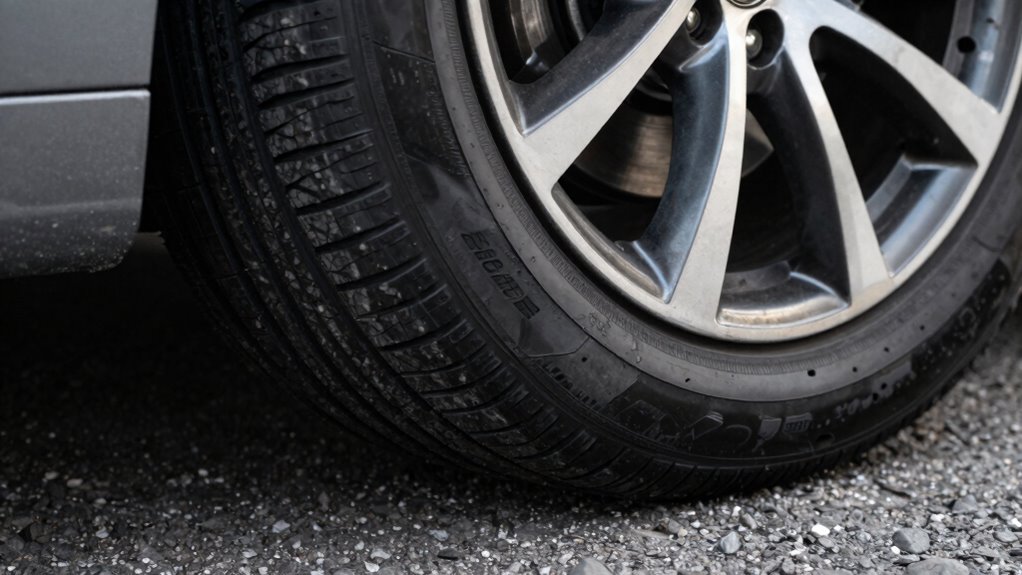
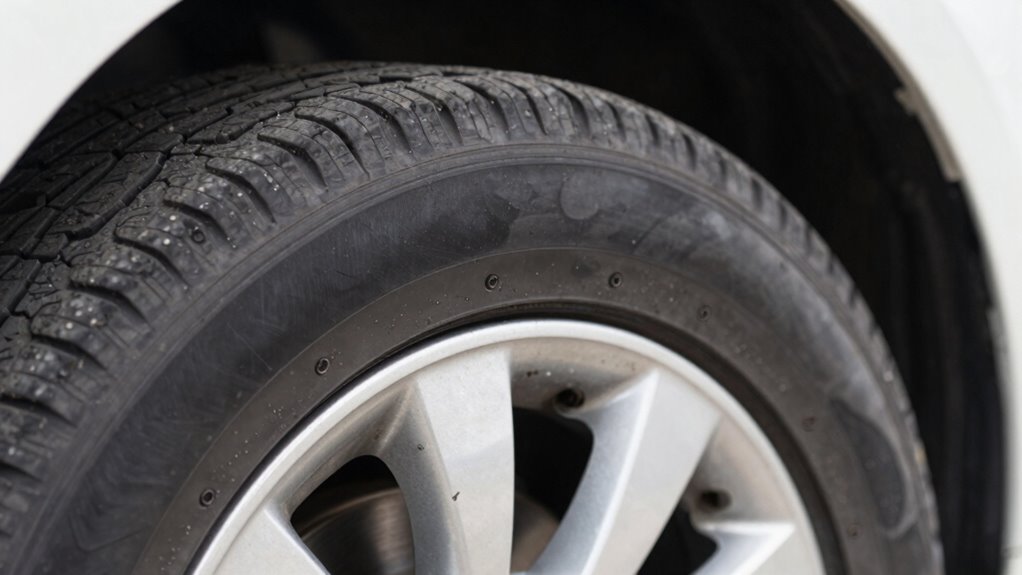
Have you ever wondered how tire volume impacts your ride? It’s more than just a number on the sidewall; it directly influences how comfortable, stable, and responsive your vehicle feels on the road. Tire volume refers to the amount of air your tires can hold, which affects their overall shape and ability to absorb shocks. When you adjust your tire pressure, you’re effectively changing the tire’s volume, which then alters how it interacts with different road surfaces. Larger tire volumes typically mean more air, which allows the tire to flex more and cushion impacts better. Conversely, lower tire volumes lead to a stiffer tire that transmits more road imperfections directly to the cabin.
Tire volume influences comfort, stability, and responsiveness by affecting how your tires absorb shocks and interact with road surfaces.
The road surface plays a vital role in how tire volume impacts your ride quality. On smooth roads, even smaller tire volumes can provide a comfortable experience because the surface absorbs some of the shocks. But on rough or uneven terrain, larger tire volumes excel by offering better shock absorption, reducing the jarring feeling you get when hitting potholes or gravel. When your tire pressure is too high, reducing the tire volume, the contact patch with the road becomes smaller, making the ride feel harsher. You’ll notice more vibrations and a less forgiving feel as the tires transmit more of the road’s irregularities directly to you. Conversely, under-inflated tires with larger volumes can improve comfort, but they might compromise handling and fuel efficiency. Proper tire maintenance ensures you optimize tire volume for different driving conditions. Recognizing the importance of air pressure adjustments can help prevent uneven tire wear and potential safety issues.
The dynamics between tire pressure and road surface determine how your vehicle handles and how comfortable your ride becomes. If you’re driving on a freshly paved highway with a smooth surface, maintaining a higher tire pressure and smaller volume might give you better fuel economy and cornering precision. But on a bumpy, uneven trail or poorly maintained road, lowering the tire pressure increases the tire’s volume, allowing it to absorb shocks more effectively. This adjustment results in a smoother ride, less fatigue, and less stress on your suspension components. Additionally, understanding tire volume and how it interacts with road conditions can help prolong tire lifespan and improve overall safety. It is also important to consider how tire design influences volume and performance under different conditions. Being aware of the relationship between tire volume and vehicle handling can further enhance your driving experience.
Ultimately, understanding the impact of tire volume helps you tailor your driving experience based on road conditions. Properly managing tire pressure to optimize tire volume guarantees you get the best ride quality possible, whether you prioritize comfort, handling, or efficiency. It’s a simple yet powerful way to improve your driving experience by recognizing how tire volume and road surface interact to influence your comfort and control on the road.
As an affiliate, we earn on qualifying purchases.
Frequently Asked Questions
How Does Tire Volume Affect Fuel Efficiency?
Lower tire volume, often caused by decreased tire pressure, reduces fuel efficiency because it increases rolling resistance. When your tires are underinflated, they create more road noise and drag, making your engine work harder. This extra effort consumes more fuel. Maintaining proper tire pressure helps optimize tire volume, reduces road noise, and improves overall fuel economy by allowing smoother, more efficient contact with the road.
Can Changing Tire Volume Improve Off-Road Performance?
Imagine gripping rugged trails with a larger tire volume that cushions every bump. Increasing tire volume boosts off-road performance by providing better traction and absorbing shocks, making your ride smoother. It also reduces tire noise and enhances tread durability, so your tires last longer even on rough terrain. By choosing the right tire volume, you gain confidence steering through challenging landscapes while enjoying a comfortable, quieter ride.
Does Tire Volume Influence Tire Wear Patterns?
Yes, tire volume influences wear patterns, especially through tire pressure and tread contact. When you have a larger volume, you can run lower tire pressure, which helps distribute your weight more evenly across the tread. This reduces uneven wear and prolongs tire life. Conversely, smaller volumes may lead to higher pressure, causing uneven tread contact and faster wear on certain areas. Adjusting tire volume helps optimize wear and extend your tires’ lifespan.
How Does Tire Volume Impact Vehicle Handling in Rain?
When driving in rain, tire volume can feel like the difference between gliding smoothly or losing control in a splash of chaos. Larger tire volumes provide more tire grip, helping your vehicle hug wet roads better, but they also increase the aquaplaning risk if the tread isn’t designed properly. Smaller volumes might decrease grip, making handling feel skittish. So, tire volume directly influences your handling safety and confidence during wet conditions.
Is Larger Tire Volume Better for Comfort on Highways?
Larger tire volume generally enhances comfort on highways because it absorbs more road imperfections, leading to a smoother ride. You’ll notice less tire noise and better ride smoothness, making long drives more pleasant. However, bigger tires can affect handling and fuel efficiency. If comfort is your priority, opting for tires with higher volume can make a noticeable difference, especially on rougher surfaces or extended highway trips.
Conclusion
Understanding how tire volume affects ride quality is essential for a smoother driving experience. When you increase tire volume, you typically get better shock absorption, making your ride noticeably more comfortable. Remarkably, vehicles with larger tires can reduce road noise by up to 20%, enhancing your overall comfort. So, next time you’re choosing tires, remember that a modest increase in volume can greatly improve your ride, making every journey more pleasant and less jarring.