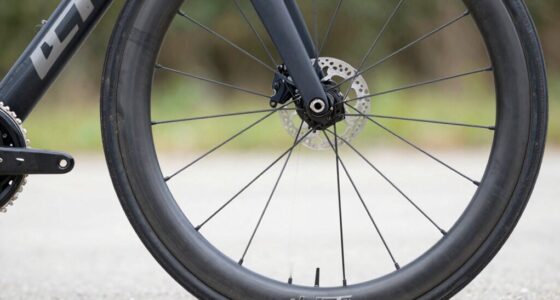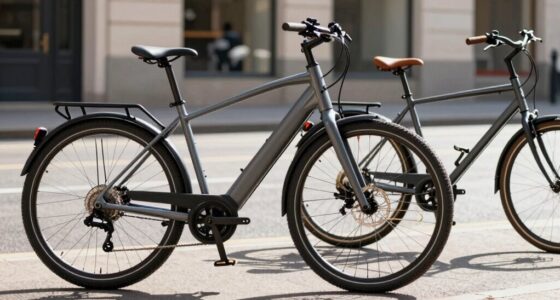
You’ll find some bikes corner more predictably because of their design, tires, and how you position your body. Bikes with aggressive geometry and well-made frames encourage natural leaning, giving you better control. High-quality tires with good grip and proper pressure boost traction, while maintaining ideal body positioning helps you lean smoothly into turns. When these elements work together, your bike feels more stable and predictable during cornering. Keep exploring to learn more about enhancing your riding confidence.
Key Takeaways
- Bikes with optimized geometry promote natural, intuitive leaning, enhancing predictability during cornering.
- Well-designed frames improve handling consistency and responsiveness in turns.
- Proper tire selection and maintenance ensure consistent grip, reducing unexpected slips.
- Appropriate body positioning and lean angles help maintain control and stability through curves.
- Road surface conditions and tire pressure adjustments influence tire grip and cornering predictability.
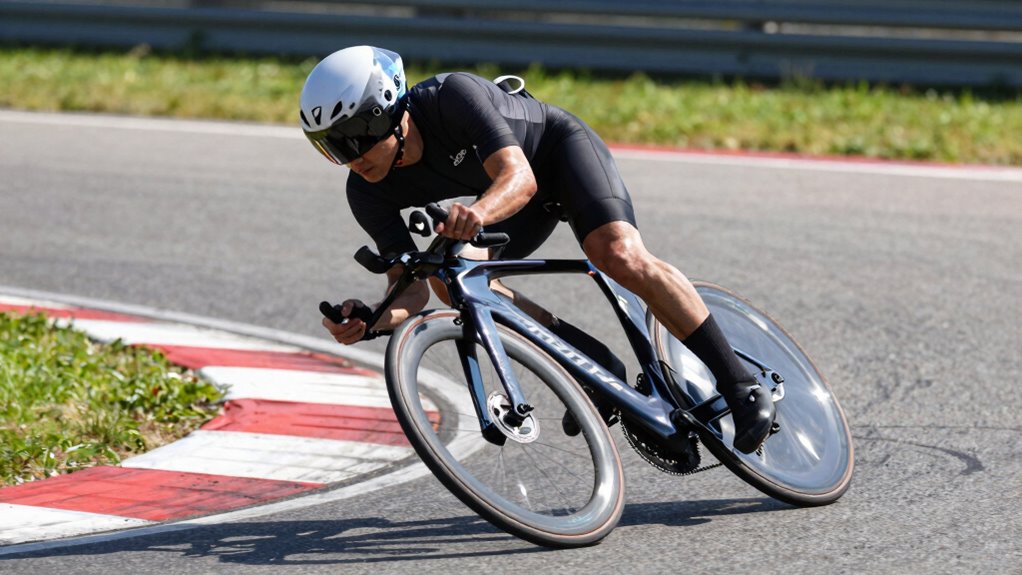
If you’ve ever found yourself unsure about how cyclists will behave at a busy intersection, you’re not alone. Many people wonder why some bikes seem to turn smoothly and predictably, while others feel twitchy or unstable. The key lies in understanding how certain factors influence a rider’s ability to corner confidently. Two important elements are tire grip and rider lean. These work together to create a stable, controlled turn, and their interplay can make some bikes corner more predictably than others.
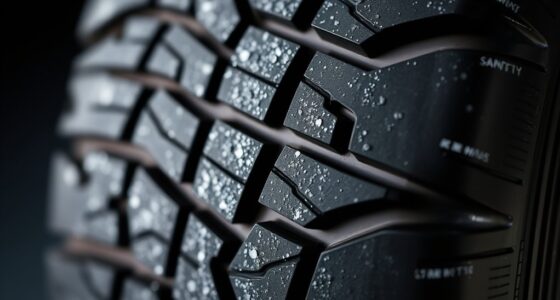
Tire grip is fundamental. When a cyclist leans into a corner, the grip of the tires against the road determines how much traction is available. High-quality tires with good rubber compound and appropriate tread patterns provide better grip, reducing the risk of slipping or skidding. As a rider leans into a turn, they rely on this grip to maintain control. If the tire grip is insufficient, even a small amount of rider lean can cause the bike to slide out, making the turn unpredictable. Conversely, tires with excellent grip allow a rider to lean more confidently, knowing the contact patch remains firm and secure. This predictability is crucial at intersections, where sudden changes in direction are common. Proper tire maintenance, including correct tire pressure, can also enhance grip and stability. Additionally, factors like road surface conditions can significantly influence tire grip and overall cornering behavior. Maintaining good tire condition is essential for consistent performance in various riding situations.
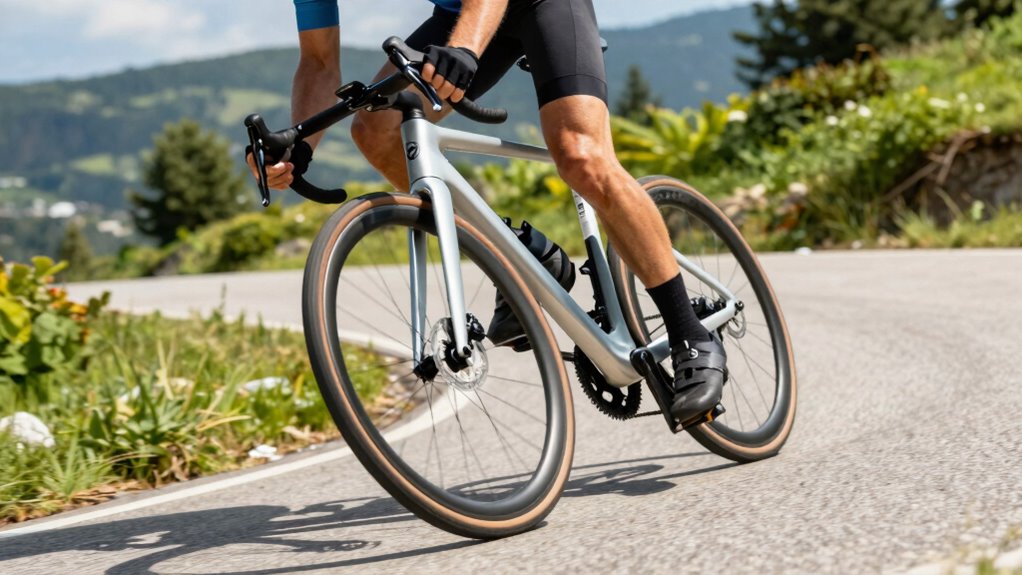
Rider lean is equally important. When you lean into a turn, you shift your center of gravity, helping the bike navigate the curve smoothly. A rider who leans appropriately not only gains better tire grip but also maintains balance and control. Over-leaning can cause the tires to lose grip prematurely, while under-leaning may result in a sluggish turn or a wider radius, making the maneuver less predictable. Experienced riders instinctively find the right rider lean for each corner, adjusting their body position to match the bike and road conditions. This precise control reduces surprises and helps them corner with confidence. Proper body positioning is essential for achieving optimal lean angles and stability, especially in complex traffic situations.
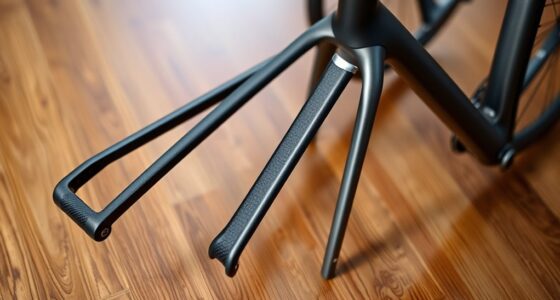
Some bikes are designed to enhance predictability through geometry and handling characteristics. Bikes with a slightly more aggressive geometry, for example, encourage a rider to lean more naturally, which improves tire grip and control. The combination of a well-designed frame and good tires allows for a more intuitive leaning position, making corners feel more predictable and safer. When you ride a bike optimized for confident cornering, you’re more likely to lean correctly and trust your tires’ grip, leading to smoother, more predictable turns. Proper bike setup, including correct geometry, can also make a significant difference in handling and rider comfort.
Ultimately, predictable cornering comes down to the synergy between tire grip and rider lean. When both are managed well, you’ll find your bike responds precisely how you want it to, even at busy intersections or tight curves. Maintaining proper tire pressure and ensuring your tires are in good condition can significantly improve this harmony. This harmony makes your rides safer and more enjoyable, giving you confidence in every turn.
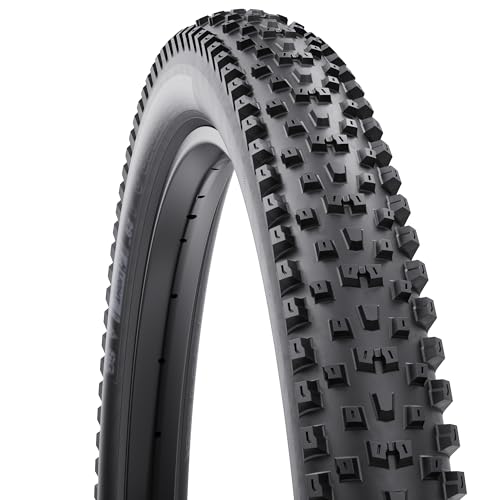
WTB Peacekeeper Mountain Bike Tire, 29" x 2.4” Tubeless Folding, Trail & Enduro, SG2 Puncture Protection (High Grip)
- Tire Size and Type: 29 x 2.4-inch tubeless folding tire
- Versatile Trail Use: Blends XC speed with trail grip
- All-Conditions Traction: Fast center tread with aggressive side knobs
As an affiliate, we earn on qualifying purchases.
As an affiliate, we earn on qualifying purchases.
Frequently Asked Questions
How Does Tire Pressure Affect Bike Cornering?
You’ll find that tire pressure directly impacts your bike cornering. When you lower pressure, your tire tread makes better contact with the road, increasing grip. Conversely, too high pressure reduces traction, making corners feel unpredictable. Your riding posture also matters; leaning appropriately helps distribute weight evenly, improving control. So, maintaining ideal tire pressure and a proper riding stance ensures smoother, more predictable cornering, giving you confidence on every turn.
What Role Does Rider Weight Distribution Play?
Imagine you’re leaning into a turn, your rider posture shifting your weight smoothly over the bike, like a tightrope walker balancing effortlessly. Proper rider weight distribution guarantees your center of gravity stays stable, making cornering predictable. Focus on pedal positioning—keeping your pedals level and applying even pressure—and maintain good posture. This harmony of weight and posture helps you grip the road confidently, turning sharp corners with ease and control.
Can Bike Frame Geometry Improve Cornering Predictability?
Yes, bike frame geometry can improve cornering predictability. A frame with ideal stiffness guarantees better power transfer and responsiveness, making it easier to control during sharp turns. Additionally, a lower center of gravity enhances stability and confidence, especially when leaning into corners. Together, these factors help you predict how your bike will react, giving you more control and confidence on challenging curves.
How Does Suspension Influence Cornering Stability?
Suspension greatly influences your cornering stability through proper tuning and damping characteristics. When you adjust your suspension correctly, it minimizes unwanted movement and maintains tire contact with the ground, giving you better control. Effective damping absorbs shocks and keeps your bike steady during turns. By fine-tuning suspension settings, you guarantee smoother, more predictable cornering, so you can navigate corners confidently without losing grip or balance.
Are Certain Handlebars Better for Predictable Cornering?
Yes, certain handlebars help you corner more predictably. You’ll find that handlebars with a good grip give you better control, especially when leaning into turns. Wider handlebars offer more stability and leverage, making your steering more precise. You should choose a handlebar with a comfortable grip and appropriate width for your riding style. These factors enhance your confidence and predictability when cornering, especially at higher speeds or on tricky curves.
Conclusion
As you lean into a turn, imagine the bike as an extension of your body, smoothly carving through the air like a skater gliding over ice. When your bike responds predictably, it’s like dancing with a trusted partner—each move confident and fluid. With proper technique and understanding, your rides become more than just transportation—they transform into a dance across the pavement, where every corner feels like a natural step in your adventure.