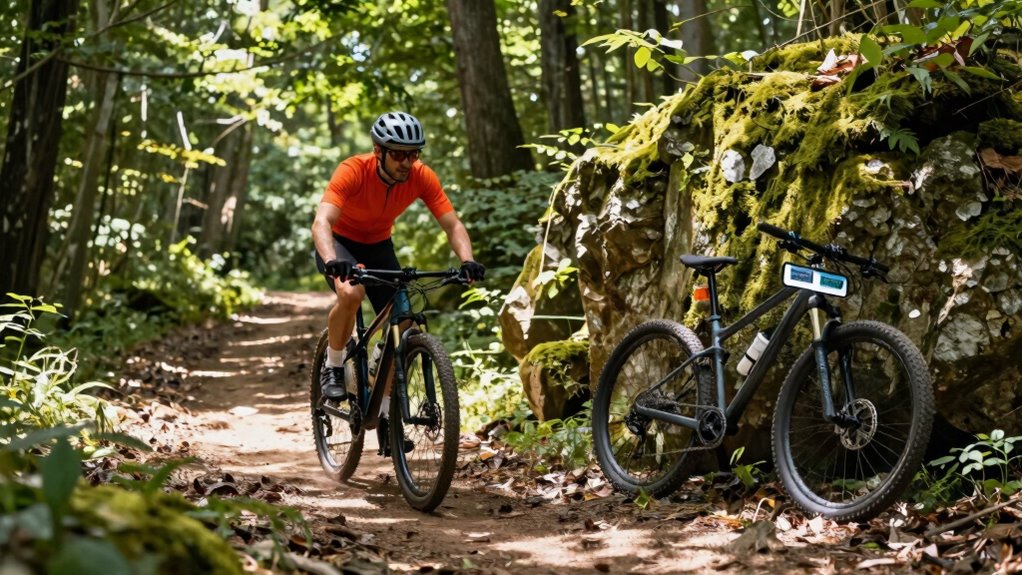
To use recovery rides effectively, focus on keeping effort low and riding within your recovery zone to promote blood flow and muscle repair. Fuel your body with carbs and protein shortly after riding, stay hydrated, and wear comfortable gear. Pay attention to how your body feels; slow down or rest if needed. Incorporate gentle stretching afterward to enhance flexibility. Keep these strategies in mind, and you’ll get the most out of your recovery rides for better progress.

Get sports gear delivered free with Prime
- Fast, free delivery on millions of items
- Prime Video, Amazon Music and more included
- Member-only deals all year
Key Takeaways
- Maintain a low, steady effort within the recovery zone to maximize circulation without stressing the body.
- Use proper nutrition immediately after rides to replenish glycogen and support muscle repair.
- Wear comfortable, breathable gear and adjust tire pressure for comfort and reduced muscle strain.
- Incorporate gentle stretching post-ride to enhance flexibility and promote muscle relaxation.
- Integrate recovery rides into your overall plan to facilitate recovery and improve long-term performance.
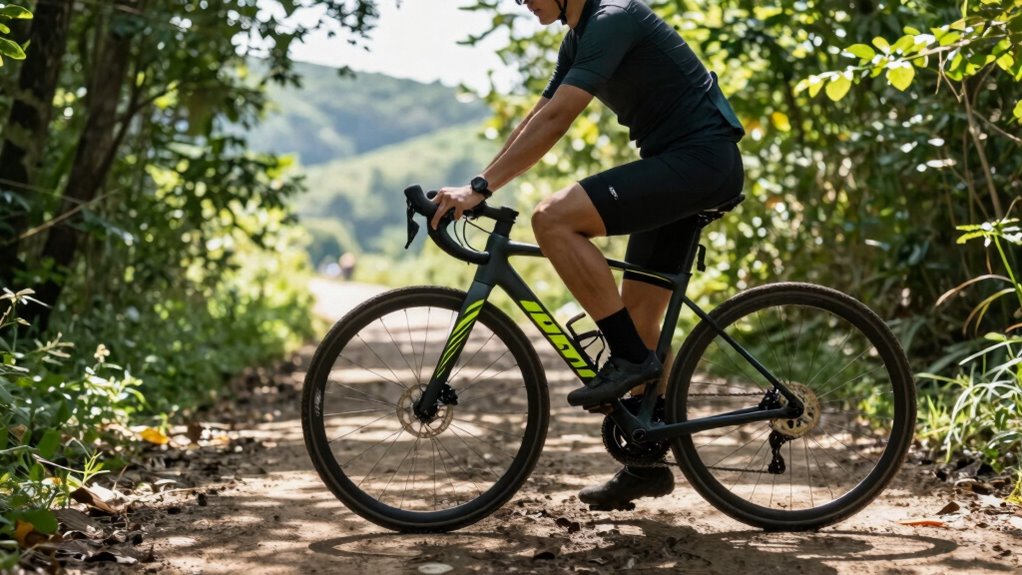
Recovery rides are a valuable tool for helping your body recover after intense training, but many cyclists worry about wasting them or not using them effectively. The key is to approach recovery rides with intention, making certain they serve their purpose without turning into more strenuous efforts. One of the best ways to do this is by paying attention to your nutrition tips. Proper fueling before and after your ride helps replenish glycogen stores, repair muscle tissue, and reduce soreness. Focus on consuming a mix of carbs and protein within 30 to 60 minutes post-ride. Think along the lines of a banana with peanut butter or a recovery shake with whey protein and fruit. Staying hydrated also plays an essential role; water is necessary, but consider adding electrolytes if you’ve sweated heavily.
Equally important is choosing the right cycling gear for your recovery rides. Lightweight, comfortable clothing can make a big difference in helping you stay relaxed and avoid unnecessary fatigue. Opt for breathable fabrics that wick moisture away from your skin, so you stay cool and dry. Your bike setup should prioritize comfort over speed—lower tire pressures can absorb more road shock, reducing strain on your muscles. If you have padded cycling shorts or padded gloves, use them to minimize discomfort during your ride. Proper cycling gear encourages a relaxed riding posture, which is indispensable for recovery because it promotes blood flow and helps your muscles loosen up. Gearing up properly can also enhance your overall riding experience and recovery benefits.
While on your recovery ride, keep the intensity low. It’s not the time to push your limits; instead, aim for a steady, easy pace that allows your heart rate to stay within a recovery zone. This helps increase circulation, delivering oxygen and nutrients to tired muscles, speeding up the repair process. Use this time to focus on your breathing and enjoy the scenery, rather than racing against the clock. Pay attention to your body’s signals—if you feel any unusual pain or fatigue, slow down or take a break. Incorporating gentle stretching after your ride if possible, can further support muscle relaxation and flexibility. Additionally, understanding how active recovery fits into your training plan can help you make the most of these rides.
Ultimately, recovery rides are most effective when they complement your overall training plan. By integrating good nutrition tips, wearing appropriate cycling gear, and maintaining a relaxed pace, you guarantee they aren’t wasted. Instead, you turn these rides into an essential part of your recovery process, helping you come back stronger for your next challenge. Remember, recovery isn’t just about resting; it’s about actively supporting your body’s healing and adaptation, and recovery rides, when done right, are a powerful tool in that effort.
Products Worth Considering

Garmin Index Sleep Monitor, L/XL Bundle

Coleman Montana 8-Person Camping Tent with Rainfly

Therabody SmartGoggles 2nd Gen Heated Eye and Temple Massager
As an affiliate, we earn on qualifying purchases.
Frequently Asked Questions
Can Recovery Rides Replace Rest Days Entirely?
Recovery rides can’t fully replace rest days, but they do offer benefits like cross training and mental recovery. By keeping intensity low, you promote blood flow and aid muscle repair without overtaxing your body. These rides allow you to stay active while giving your muscles a break from high-impact workouts. However, dedicated rest days remain essential for complete physical and mental recovery, preventing burnout and injury.
How Do I Know if a Recovery Ride Is Effective?
You can tell a recovery ride is effective if your training intensity stays light, allowing your muscles to relax and repair. Pay attention to how refreshed you feel afterward; if you notice less fatigue and soreness, it’s working. Also, stick to proper hydration strategies during the ride, as staying well-hydrated supports recovery. If your energy levels improve and soreness decreases, your recovery ride is doing its job.
What’s the Ideal Duration for a Recovery Ride?
The ideal duration for a recovery ride is typically 30 to 60 minutes, depending on your training intensity. Keep the ride easy, focusing on low heart rate and relaxed effort. During this time, stick to hydration strategies like drinking water or sports drinks to replenish lost fluids. Avoid pushing too hard; the goal is to promote recovery, not fatigue. Listen to your body and adjust the duration accordingly.
Should I Alter My Nutrition for Recovery Rides?
Think of your body as a delicate garden that needs the right nutrients to bloom. During recovery rides, you should tweak your nutrition timing by consuming easily digestible carbs and protein shortly after riding. Hydration strategies are essential too—sip water or electrolyte drinks to replenish lost fluids. This combo helps repair muscles and boosts energy, ensuring your recovery ride truly benefits your progress without wasting it.
Can Recovery Rides Help Prevent Injuries?
Recovery rides can help prevent injuries by promoting blood flow and aiding muscle repair, which supports your overall cross training benefits. They also serve as mental recovery strategies, reducing burnout and stress from intense workouts. Incorporating these gentle rides into your routine helps your body adapt, lowers injury risk, and keeps you motivated. So, yes, recovery rides are a smart way to protect yourself while enhancing your cycling performance.
Conclusion
Think of recovery rides as the gentle tide that refreshes your vessel after a storm. If you ignore their purpose, you risk sailing into rough waters unprepared. Embrace these rides as your secret compass, guiding you toward strength and resilience. When you honor their rhythm, you’re not just resting—you’re fueling your journey, ensuring each wave propels you forward, wiser and more prepared for the next adventure. Use them wisely, and your ride will always find smooth seas.