To prepare for summer events in hot conditions, start gradually acclimating your body by increasing exposure to heat over time, maintaining proper hydration, and monitoring your body’s responses. Wear lightweight, breathable clothing, schedule activities during cooler parts of the day, and incorporate safety measures like electrolyte intake and protective gear. Consistent training, coupled with attention to symptoms, helps prevent heat illnesses and boosts performance. Keep exploring for more detailed strategies to optimize your heat adaptation and safety.

Get sports gear delivered free with Prime
- Fast, free delivery on millions of items
- Prime Video, Amazon Music and more included
- Member-only deals all year
Key Takeaways
- Gradually increase training intensity and duration in hot conditions to promote physiological adaptation.
- Schedule outdoor activities during cooler times like early mornings or late afternoons.
- Maintain proper hydration and electrolyte balance before, during, and after heat exposure.
- Monitor core temperature and symptoms to prevent heat stress and adjust activity levels accordingly.
- Use protective gear such as breathable clothing and scalp covers to minimize heat and UV exposure.
breathable moisture-wicking athletic shirts
As an affiliate, we earn on qualifying purchases.
As an affiliate, we earn on qualifying purchases.
Understanding the Benefits of Heat Acclimation
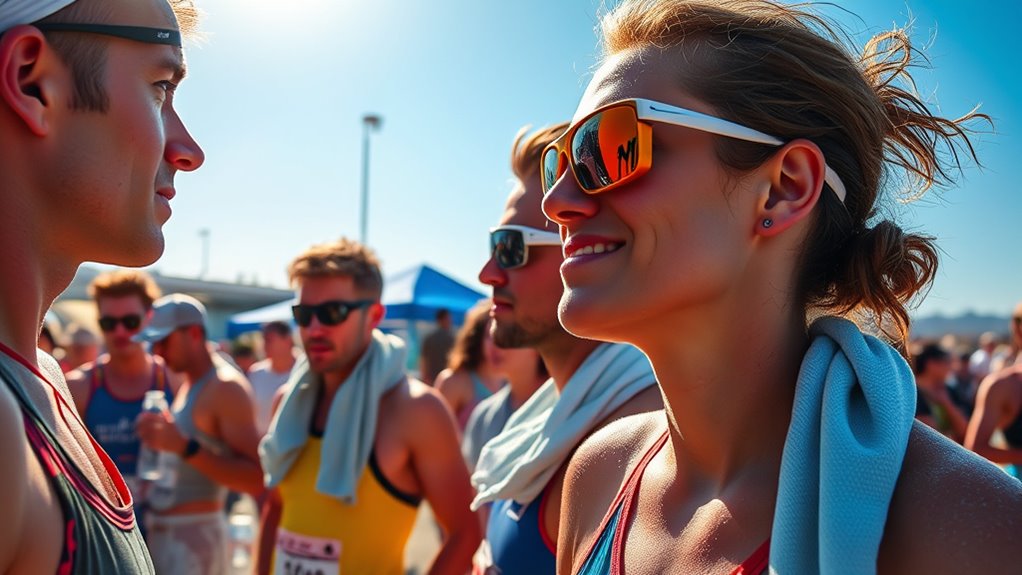
Understanding the benefits of heat acclimation is essential for anyone who regularly exercises or works in hot environments. When you adapt to heat, your body undergoes physiological adaptations that improve your ability to handle high temperatures. These changes include increased plasma volume, better sweat response, and more efficient cooling, which help maintain core temperature and reduce fatigue. As a result, your performance enhances because you can exercise longer and more intensely without overheating. Heat acclimation also reduces the risk of heat-related illnesses, making your workouts safer and more effective. Additionally, incorporating gradual heat exposure can enhance performance and safety, preparing your body to respond better during actual hot events, giving you a critical edge when it matters most. Understanding how heat acclimation affects refrigerant efficiency and indoor climate control can further optimize your preparedness for summer activities, especially in environments with extreme temperatures or variable humidity levels. Proper heat adaptation can also improve cooling system efficiency, ensuring indoor spaces remain comfortable and safe during heatwaves. Enhanced awareness of these physiological changes can aid in designing better training protocols for heat adaptation, leading to improved resilience and performance.
Designing an Effective Heat Training Program
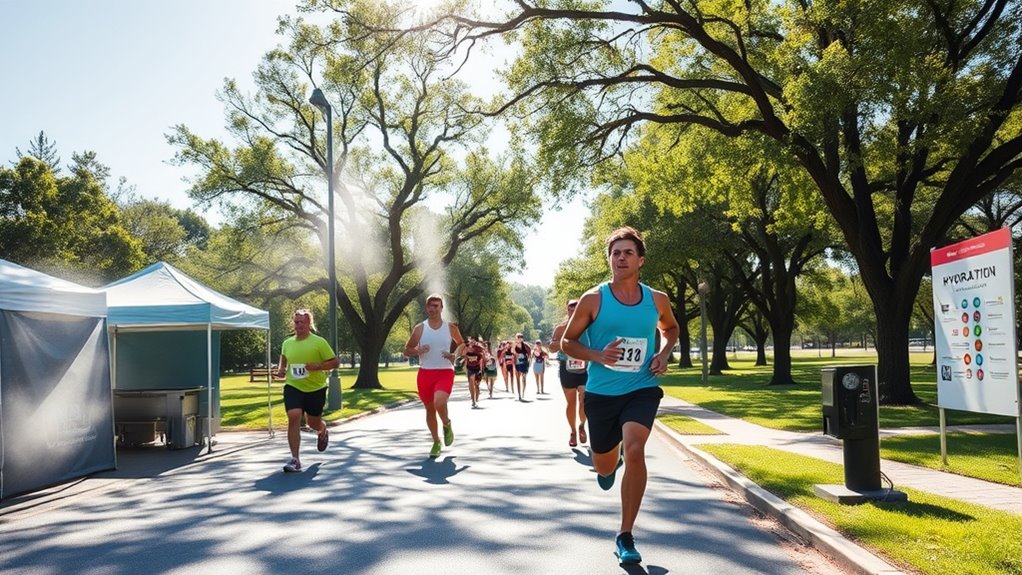
Creating an effective heat training program requires careful planning to safely build your heat tolerance while maximizing performance gains. You need to account for climate variation, as different environments can influence how your body responds. Adjust your training intensity gradually, starting with low-level efforts in heat and increasing as your tolerance improves. Incorporate sessions during cooler parts of the day if possible, then progressively move to hotter conditions. Consistency is key—regular exposure helps your body adapt more effectively. Remember to balance training load with adequate rest to prevent heat-related illnesses. Tailor your program based on your fitness level and the specific demands of your event. Additionally, understanding the influence of technology on artistic expression and creativity can enhance your approach to training. Incorporating heat acclimation techniques can further optimize your adaptation process. Utilizing individualized protocols ensures your heat acclimation is safe and effective, aligning with your unique physiology. Staying informed about current research on heat tolerance can also support your training decisions. As you progress, consider integrating monitoring hydration levels to maintain optimal performance and safety. With thoughtful planning, you can optimize heat acclimation without risking overexertion or injury.
Monitoring Body Responses During Heat Exposure
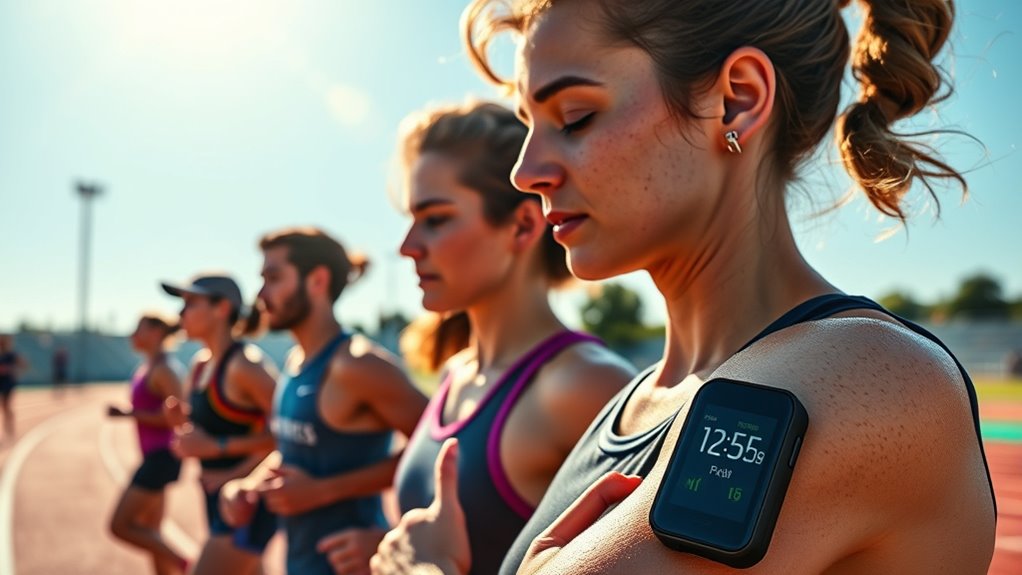
Monitoring your body’s responses during heat exposure is essential to guarantee safety and optimize acclimation. By tracking core temperature and sweat rate, you can gauge how well your body adapts to the heat. Elevated core temperature indicates increased stress, while a rising sweat rate shows your body is cooling effectively. Pay attention to signs of overheating, such as dizziness or nausea. Use the table below as a guide to interpret these responses:
| Response | Indicator | Action |
|---|---|---|
| High core temp | Over 38.5°C (101.3°F) | Rest, cool down |
| Increased sweat | Higher sweat rate than usual | Hydrate, monitor |
| Symptoms like dizziness | Possible heat stress | Seek shade, hydrate |
Regular monitoring helps you adjust activity levels and prevent heat-related illnesses. Additionally, understanding heat acclimation strategies can further improve your body’s ability to handle high temperatures effectively. Developing a gradual exposure plan can enhance your adaptation process and reduce the risk of heat exhaustion. Incorporating proper hydration techniques is also crucial to maintain performance and safety during heat exposure. Being aware of your body’s responses and knowing how to interpret them allows for better management and safer enjoyment of summer events.
Incorporating Hydration and Nutrition Strategies
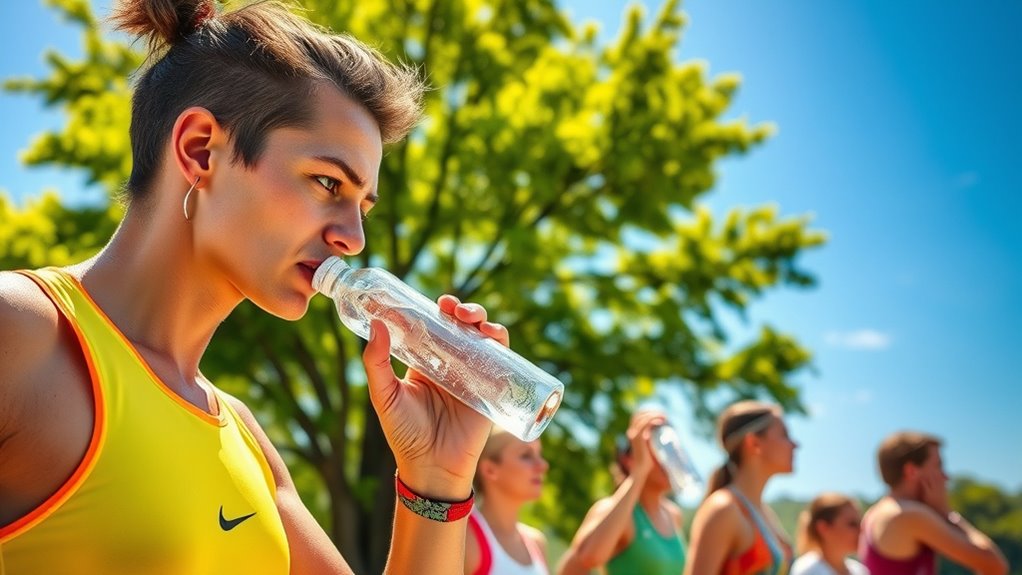
To effectively support your heat acclimation, you need to prioritize proper hydration and nutrition. Maintaining electrolyte balance is essential, especially during intense heat exposure, as it prevents cramping and supports muscle function. Incorporate electrolyte-rich drinks or foods like bananas and sports drinks to replenish sodium, potassium, and magnesium lost through sweat. Nutritional timing also plays a critical role; consume balanced meals with carbs and protein before activity to fuel performance and aid recovery afterward. Hydrate consistently throughout the day, not just during workouts, to stay ahead of dehydration. Adjust your intake based on sweat loss and environmental conditions. Incorporating Gold IRA Rollovers can also be a strategic move for long-term financial security, especially when planning for future needs. Understanding self-watering plant pots and their moisture regulation mechanisms can serve as a useful analogy for maintaining optimal hydration levels. Paying attention to signs of dehydration, such as dark urine and dizziness, helps you recognize when to increase fluid intake. Monitoring your body temperature during heat exposure can help prevent heat-related illnesses and optimize heat acclimation. By focusing on electrolyte balance and strategic nutritional timing, you optimize your body’s ability to adapt to heat, enhancing performance and safety during summer events.
Practical Tips for Safe and Successful Heat Adaptation
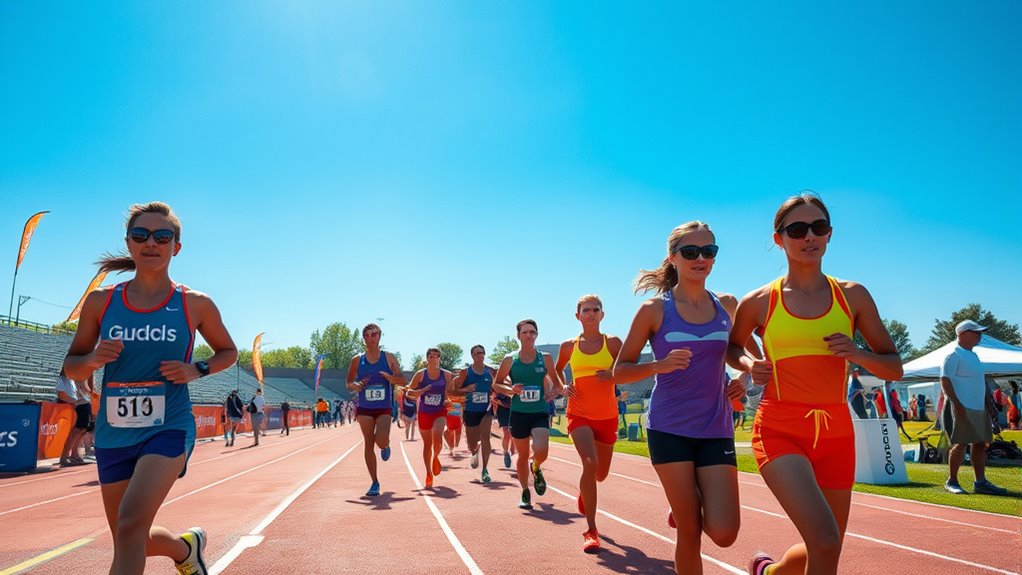
Preparing your body for heat adaptation requires practical strategies to guarantee safety and effectiveness. Start by gradually increasing exposure to the heat, allowing your body to adapt without overloading it. Proper climate adaptation involves listening to your body’s signals and avoiding excessive heat during the initial phases. Use suitable outdoor gear, like lightweight, breathable clothing, to help regulate your temperature and prevent overheating. Stay consistent with hydration, but don’t rely solely on water; include electrolytes to replace lost salts. Schedule outdoor activities during cooler parts of the day, such as early mornings or late afternoons. Monitor weather conditions closely, and be prepared to adjust your plans if heat stress symptoms appear. Adjusting your projector setup for optimal image quality is also important for a comfortable viewing experience. Incorporating protective styles like crochet locs can also help shield your scalp from direct sun exposure, enhancing your heat adaptation efforts. Ensuring proper headphone usage during outdoor activities can prevent distractions and improve safety, especially in noisy environments. Following these tips ensures a safer, more successful heat adaptation process, especially for summer events.
Frequently Asked Questions
How Long Does It Take to See Noticeable Results From Heat Acclimation?
You’ll notice results from heat acclimation within about one to two weeks if you consistently follow hydration practices and use cooling methods like shaded rest and cooling towels. During this time, your body adapts by sweating more efficiently and maintaining lower core temperatures. Keep a regular routine, stay well-hydrated, and incorporate cooling techniques to speed up your adaptation process and perform better in hot conditions.
Can Heat Acclimation Improve Performance in Cooler Conditions?
You might wonder if heat acclimation can improve your performance in a cooler environment. While it primarily prepares your body for heat, some benefits, like increased blood volume and improved cardiovascular efficiency, can positively impact performance in cooler conditions. These adaptations can help you maintain endurance and overall exercise capacity, making you more effective even when temperatures drop. So, heat acclimation can offer some performance benefits beyond hot weather.
Are There Specific Populations That Should Avoid Heat Acclimation?
Did you know that vulnerable populations, like the elderly or those with certain health conditions, are more prone to heat-related illnesses? You should avoid heat acclimation if you have medical contraindications such as heart or respiratory issues. For these groups, attempting heat adaptation can increase health risks. Always consult a healthcare professional before starting any heat acclimation routine, especially if you fall into a vulnerable population.
How Do Age and Fitness Level Affect Heat Adaptation Strategies?
Age considerations and fitness impact play vital roles in heat adaptation strategies. Younger individuals typically adapt more quickly, while older adults may need gradual exposure to reduce risks. Your fitness level influences how well you handle heat; fitter people usually sweat more efficiently, aiding cooling. Always listen to your body, stay hydrated, and adjust your approach based on age and fitness, ensuring safe and effective heat acclimation during summer activities.
What Are the Signs of Overexposure or Heat-Related Illness During Training?
During training in hot conditions, you should watch for signs of overexposure or heat-related illness, like heavy sweating, dizziness, headache, nausea, or muscle cramps. If you notice these, stop immediately, hydrate with water or electrolyte drinks, and adjust your clothing choices to stay cool. Proper hydration strategies and lightweight, breathable clothing help prevent heat stress, ensuring you stay safe and effective during your training sessions.
Conclusion
By following these heat acclimation strategies, you’ll be prepared like a well-oiled machine when summer events arrive. Staying consistent with training, monitoring your body, and paying attention to hydration are your keys to success. Think of your body as a sponge gradually soaking up heat tolerance—slow and steady wins the race. With these tips, you’ll face the heat confidently, turning summer challenges into opportunities to perform at your best.
Halloween Picks
halloween
As an affiliate, we earn on qualifying purchases.