
To ride strong through seasonal allergies, you can make smart lifestyle changes like using HEPA air purifiers, keeping windows closed during high pollen days, and washing your face after outdoor activities. Natural remedies such as herbal teas, acupressure, and essential oils can help ease symptoms. Planning outdoor adventures during low pollen times and wearing protective gear also make a difference. Keep exploring these tips to stay comfortable and enjoy your season to the fullest.
Key Takeaways
- Use HEPA-filter air purifiers and allergen-proof bedding to reduce indoor allergens during high pollen seasons.
- Check pollen forecasts and plan outdoor activities during low pollen times to minimize exposure.
- Wear protective accessories like sunglasses and hats, and shower after outdoor exposure to remove pollen from skin and hair.
- Incorporate herbal teas, essential oils, and antioxidant-rich foods to support immune health and soothe symptoms naturally.
- Keep windows closed and regularly clean your home to prevent outdoor allergens from entering and accumulating indoors.
As an affiliate, we earn on qualifying purchases.
Smart Lifestyle Adjustments to Minimize Exposure

To reduce your allergy symptoms, making smart lifestyle adjustments is essential, especially during peak pollen seasons. Start by using an air purifier with a HEPA filter in your bedroom and living areas to trap airborne allergens. This helps keep pollen, pet dander, and dust mites at bay. Additionally, invest in allergen-proof bedding, such as tightly woven pillow covers and mattress encasements, to prevent dust mites from settling in your sleeping space. Keep windows closed during high pollen days and avoid outdoor activities when pollen counts are notably high. Regularly clean and vacuum your home with a vacuum equipped with a HEPA filter to reduce allergen buildup. Proper air filtration and proper lighting can also help you better identify and remove potential indoor allergens, making it easier to maintain a healthier environment. Using indoor air quality monitors can give you real-time data on allergen levels and help you adjust your environment accordingly. Choosing an air purifier with multi-functionality can enhance your indoor air quality by combining filtration, UV light, and ionization for comprehensive allergen removal. Incorporating regular cleaning routines is also crucial to prevent dust and mold accumulation, further reducing allergy triggers. These simple adjustments can considerably decrease your exposure and help you breathe easier during allergy season.
Natural Remedies to Ease Allergy Symptoms

If you’re looking for natural ways to relieve allergy symptoms, several remedies may help reduce your discomfort without relying on medication. Herbal teas, like chamomile or ginger, can soothe your nasal passages and calm inflammation. Drinking warm teas regularly provides hydration and a gentle way to ease congestion. Additionally, acupuncture treatments are known to support your body’s natural defenses and reduce allergy severity. Many find that acupuncture helps balance immune responses and decrease allergy symptoms over time. Exploring essential oils for respiratory health can also be a helpful addition, as certain oils may support clearer breathing and reduce nasal congestion. Incorporating anti-inflammatory properties of CBD may offer additional relief, given its potential to soothe inflammation and support immune health. Using air purifiers in your home can further improve air quality and lessen exposure to allergens. Creating a mindful environment through mindfulness relaxation techniques can help you manage allergy stress and improve your overall well-being. Furthermore, maintaining a healthy diet rich in antioxidant-rich foods can bolster your immune system and help your body fight off allergic reactions. While these remedies may not eliminate allergies entirely, they can complement other strategies to improve your comfort during allergy season. Always consult with a healthcare professional before starting new treatments, but exploring herbal teas and acupuncture can be an effective, natural way to manage your symptoms.
Tips for Managing Allergies During Outdoor Activities

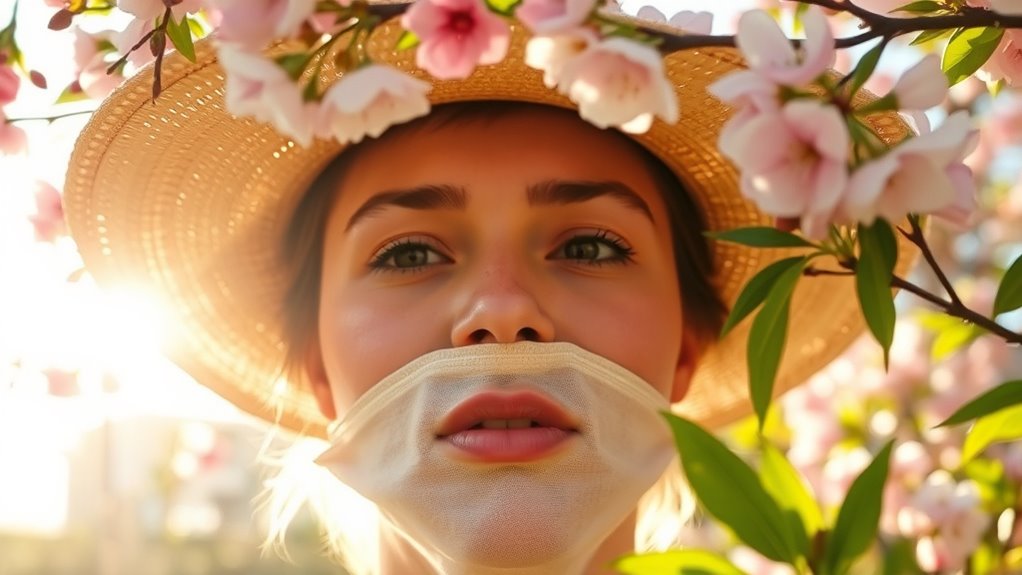
Managing allergy symptoms during outdoor activities can be challenging, especially when pollen and other irritants are at their peak. To reduce exposure, check pollen forecasts before heading out and plan activities during times when pollen levels are lower, like early mornings or late evenings. Wearing sunglasses and a wide-brimmed hat can help protect your eyes and face from airborne allergens. After outdoor time, shower and change your clothes to remove pollen from your skin and hair. Improving your indoor air quality and maintaining an allergy-proof home can also help prevent allergy flare-ups when you’re indoors. Use HEPA filters, keep windows closed on high pollen days, and regularly clean your living space. Incorporating specific air filtration systems can make a significant difference in reducing airborne allergens indoors. These steps help you enjoy outdoor activities while managing your allergy symptoms effectively. For additional relief, consider incorporating allergy-friendly home practices to further reduce indoor allergens. Additionally, utilizing Headphones – 1st Home Theatre Projector can provide a relaxing escape from outdoor irritants by enabling you to enjoy your favorite music or shows indoors without exposure to pollen. Incorporating effective air purification systems can also significantly improve indoor air quality and minimize allergen presence.
Frequently Asked Questions
Can Allergies Develop Suddenly After Years of Immunity?
Yes, allergies can suddenly develop even after years of immunity. Your immune response may change over time, making you more sensitive to certain allergy triggers. Factors like environmental changes, new exposure to allergens, or a weakened immune system can cause this shift. You might not have reacted before, but now your immune system perceives these triggers as threats, leading to allergy symptoms. Stay aware, and consult an allergist if you notice new reactions.
Are There Specific Foods That Worsen Allergy Symptoms?
Certain foods can worsen your allergy symptoms, especially if you have food sensitivities or dietary triggers. Common culprits include dairy, nuts, and shellfish, which may cause inflammation or mimic allergy symptoms. Identifying these triggers helps you avoid flare-ups. Keep track of what you eat and notice any reactions. By managing your diet and avoiding known triggers, you can reduce allergy severity and ride strong through allergy season.
How Do Indoor Air Purifiers Compare to Outdoor Masks?
Think of indoor air purifiers as your personal castle walls, defending your indoor air quality from allergens. Masks are like shields you wear outside, blocking pollen from reaching your face. While air purifiers continuously clean the air inside, mask effectiveness varies with fit and material. Both are essential: purifiers improve indoor air, and masks provide immediate protection outdoors. Use both for a stronger defense against allergy triggers.
Do Allergy Symptoms Differ Significantly Between Adults and Children?
You might notice that allergy symptom variations can differ between adults and children due to age-related differences. Adults often experience more intense or persistent symptoms, while children might show more respiratory or skin reactions. These variations stem from immune system development and exposure history. Recognizing these age-related differences helps you manage allergies better, ensuring both adults and kids get relief tailored to their unique responses.
Can Seasonal Allergies Lead to Long-Term Health Issues?
You might wonder if seasonal allergies can cause long-term health issues. While they’re usually temporary, poor air quality can worsen symptoms and potentially lead to respiratory problems over time. Your genetic predisposition also plays a role—if allergies run in your family, you may be more vulnerable. Staying aware of air quality and managing symptoms early helps prevent lasting health impacts and keeps you riding strong through allergy seasons.
Conclusion
By making smart lifestyle choices, trying natural remedies, and staying mindful during outdoor activities, you can effectively manage your seasonal allergies. Remember, an ounce of prevention is worth a pound of cure—staying proactive helps you enjoy the season without discomfort. Keep these hacks in mind, and don’t let allergies hold you back. With a little effort, you’ll ride out the season strong and symptom-free. Stay prepared, stay healthy!