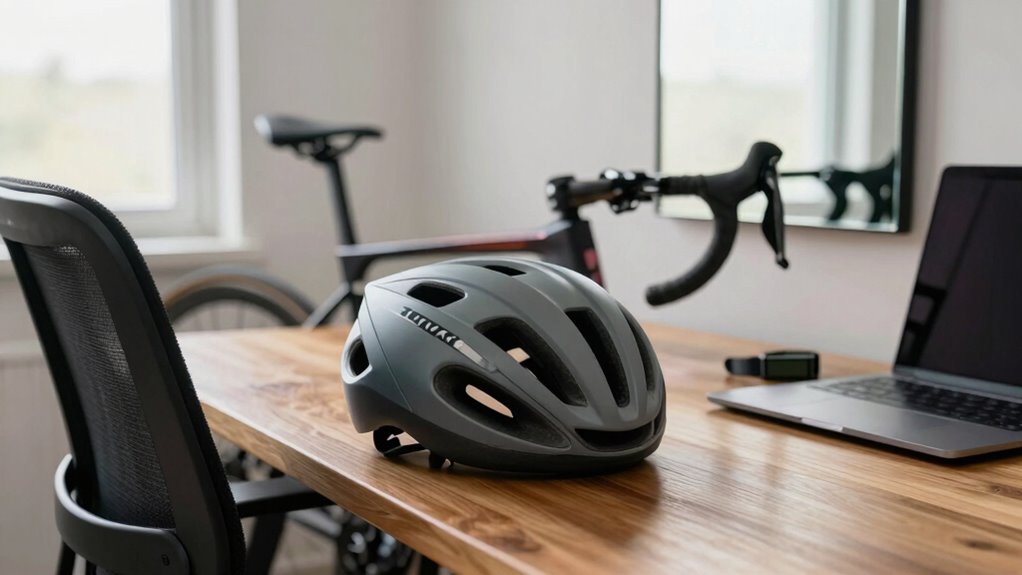

As a cyclist, you know how good posture improves your core, shoulders, and back. But now, spending long hours at a desk can undo those gains with neck strain, back pain, or muscle imbalances. Ergonomic setups help sustain your cycling benefits and prevent injuries from prolonged sitting. Staying aware of proper workspace habits ensures your active lifestyle stays intact. Keep going to discover how simple adjustments can protect your health and keep you at your best.
Listen free for 30 days with Audible
Thousands of audiobooks and originals — cancel anytime.
As an affiliate, we earn on qualifying purchases.
Key Takeaways
- Cyclists want to preserve their core strength and posture benefits gained from riding, which can be compromised by poor office ergonomics.
- Extended sitting at desks can cause muscle imbalances and joint issues, undermining cycling fitness.
- Proper ergonomic setups help prevent long-term musculoskeletal injuries that affect cycling performance.
- Maintaining good posture at work supports spinal health and overall muscle balance critical for cyclists.
- Ergonomic adjustments ensure daily routines reinforce cycling discipline and prevent sedentary lifestyle setbacks.
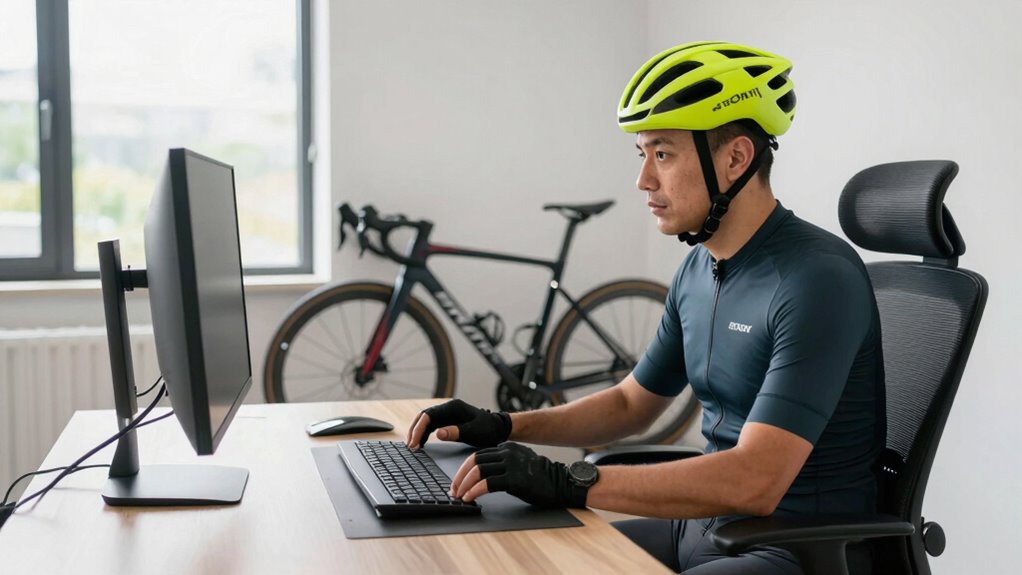
If you’re passionate about cycling, you might not realize how your riding habits can influence your office posture. Cycling keeps your core engaged, your shoulders relaxed, and your back aligned, but these benefits can quickly fade once you sit at a desk for hours. That’s why posture correction has become a priority for many cyclists who spend their workdays in front of a computer. When your desk setup isn’t optimized, it can lead to neck strain, lower back pain, and repetitive stress injuries—issues that cycling’s physical demands often help you avoid. Recognizing this, you’re likely seeking ways to bring that same awareness and alignment into your office environment.
Cycling promotes core strength and alignment, but office habits can undo these benefits without proper ergonomics.
You understand that a proper desk setup isn’t just about comfort; it’s about maintaining the same muscle balance and spinal alignment you work hard to develop on your bike. Your monitor should be at eye level to prevent neck strain, and your keyboard and mouse need to be positioned so your elbows stay close to your sides, reducing shoulder tension. This alignment encourages correct posture and prevents the hunching or slouching that can develop over long work hours. You know that small adjustments, like using a footrest or an ergonomic chair, can make a big difference in how your body feels at the end of the day—much like adjusting your saddle height or handlebar position for optimal cycling efficiency. Paying attention to ergonomic principles can help you create a workspace that supports your active lifestyle.
Your focus on posture correction isn’t just about avoiding discomfort; it’s about preserving the strength and flexibility you’ve built through cycling. Poor desk ergonomics can undo the benefits of your active lifestyle, leading to muscle imbalances and joint issues. That’s why you pay close attention to your workspace, ensuring your setup promotes good posture and reduces strain. It’s a way to extend your fitness gains into your daily routine, preventing the sedentary habits from undermining your health. Incorporating ergonomic adjustments can also help prevent repetitive stress injuries common among those who spend long hours sitting, which can be particularly detrimental to cyclists who rely on muscular balance. Furthermore, understanding and applying proper posture correction techniques can help you maintain the benefits of your cycling routine even during extended periods of sitting. Additionally, being mindful of your muscle engagement throughout the day can help sustain the core stability you develop on your bike.
Ultimately, you see your office ergonomics as an extension of your cycling discipline. By creating an environment that supports proper posture, you’re actively protecting your body from long-term damage and making sure your physical efforts translate into a healthier, more comfortable daily life. Whether it’s posture correction techniques or fine-tuning your desk setup, you understand that a conscious approach can keep you pain-free and performing at your best—both on your bike and behind your desk.
ergonomic office chair for back support
As an affiliate, we earn on qualifying purchases.
As an affiliate, we earn on qualifying purchases.
Frequently Asked Questions
How Does Cycling Improve Posture for Office Workers?
Cycling improves your posture for office work by promoting posture correction and muscle engagement. When you cycle regularly, you strengthen core muscles, which support proper alignment, reducing slouching and neck strain. The repetitive motion encourages you to maintain an upright position, translating into better posture at your desk. This active engagement helps prevent discomfort and long-term musculoskeletal issues, making cycling an effective way to enhance your posture during office hours.
Can Ergonomic Office Setups Enhance Cycling Performance?
Yes, ergonomic office setups can enhance your cycling performance. By using ergonomic accessories and practicing desk posture correction, you improve your overall posture and core strength, which directly benefits your cycling. Better alignment reduces fatigue and muscle strain, allowing you to stay comfortable during long rides. When your body feels good at your desk, you’ll likely notice improved endurance and efficiency on the bike too.
What Are the Signs of Poor Ergonomics Affecting Cyclists?
You might notice ergonomic injuries like back, neck, or wrist pain when poor ergonomics affect your cycling. These discomforts often stem from bad posture, which can lead to prolonged strain. To prevent this, focus on posture correction by adjusting your workspace setup, ensuring your seat and handlebars are aligned. Recognizing these signs early helps you address issues before they impact your cycling performance or cause lasting discomfort.
Are There Specific Office Chairs Recommended for Cyclists?
You should consider an ergonomic office chair designed for cyclists, like those with adjustable lumbar support and a saddle-inspired seat. These chairs, such as ergonomic saddle chairs or specialized bike-inspired office chairs, help prevent strain and mimic your cycling posture. Pair them with ergonomic accessories like footrests and adjustable desks. This setup keeps you comfortable, energized, and ready to conquer your workday, just like on your bike!
How Often Should Cyclists Change Their Office Ergonomics Routine?
You should change your office ergonomics routine every few months to maintain ideal posture correction and prevent strain. Regularly assess your setup and incorporate ergonomic accessories like adjustable chairs, footrests, or lumbar support. Pay attention to comfort and any signs of discomfort or fatigue. Updating your routine guarantees you stay aligned, reduce injury risk, and support your cycling performance, making ergonomic adjustments a crucial part of your health regimen.
Conclusion
So, next time you settle into your office chair, remember—you’re not just sitting; you’re shaping your future strength and endurance. Prioritizing good ergonomics isn’t just a small tweak; it’s like giving your body a secret superpower, transforming your daily grind into a powerhouse of performance. When you care about your office setup, you’re fueling your cycling passion in ways that could outlast even the toughest race. Your body’s well-being isn’t just important—it’s your ultimate game-changer.
Flea & tick season Picks
flea and tick prevention
As an affiliate, we earn on qualifying purchases.