When choosing between panniers and bikepacking bags, consider your ride style, terrain, and gear needs. Panniers offer larger capacity, making them ideal for multi-day trips with plenty of equipment, but can affect handling on tricky terrain. Bikepacking bags are lighter and centered, providing better maneuverability for technical trails or shorter rides. To optimize your setup and enhance your overall experience, understanding these differences will help you pick the right system for your adventures.
Get ready for Prime Big Deal Days — try Prime free
Exclusive member deals on October 6–7, plus fast free delivery. Cancel anytime.
As an affiliate, we earn on qualifying purchases.
Key Takeaways
- Choose panniers for larger cargo needs on extended trips; bikepacking bags suit lighter loads for shorter, technical rides.
- Panniers attach to racks and affect bike balance; bikepacking bags are integrated, offering better center-of-gravity control.
- Panniers provide more storage but can impact handling; bikepacking bags improve maneuverability on challenging terrain.
- Use panniers for multi-day adventures with substantial gear; opt for bikepacking bags on mixed terrains and technical trails.
- Consider ride duration, terrain, and cargo volume to select the system that ensures stability, safety, and comfort.
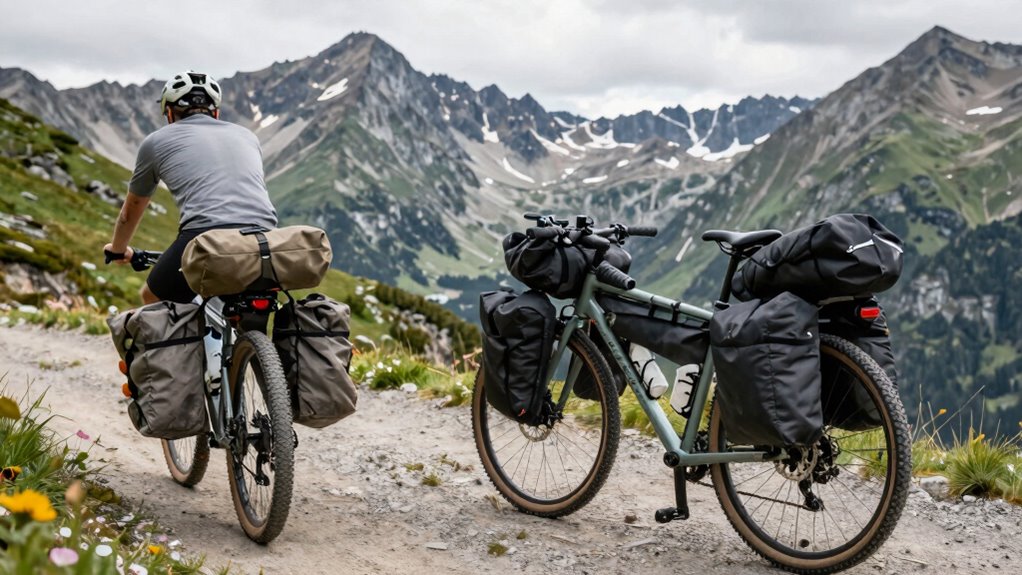
When choosing gear for your bike adventures, understanding the differences between panniers and bikepacking bags can make a big impact on your ride. Both options serve to carry your gear, but they do so in distinct ways that influence your comfort, handling, and overall experience. One of the most important factors to consider is cargo capacity. Panniers, which attach to racks mounted over your wheels, typically offer a larger cargo capacity. If you’re planning longer trips or need to carry a significant amount of gear—like camping equipment, clothes, or extra supplies—panniers are usually the better choice. They allow you to pack more efficiently and securely, which is essential when your load is substantial. However, with increased cargo capacity comes the need for careful weight distribution. Since panniers hang on either side of your rear or front wheel, uneven weight distribution can affect your bike’s balance and handling, especially when you’re navigating tricky terrain or making sharp turns. To maintain stability, you’ll want to evenly distribute your gear across both sides, avoiding overloading one side more than the other.
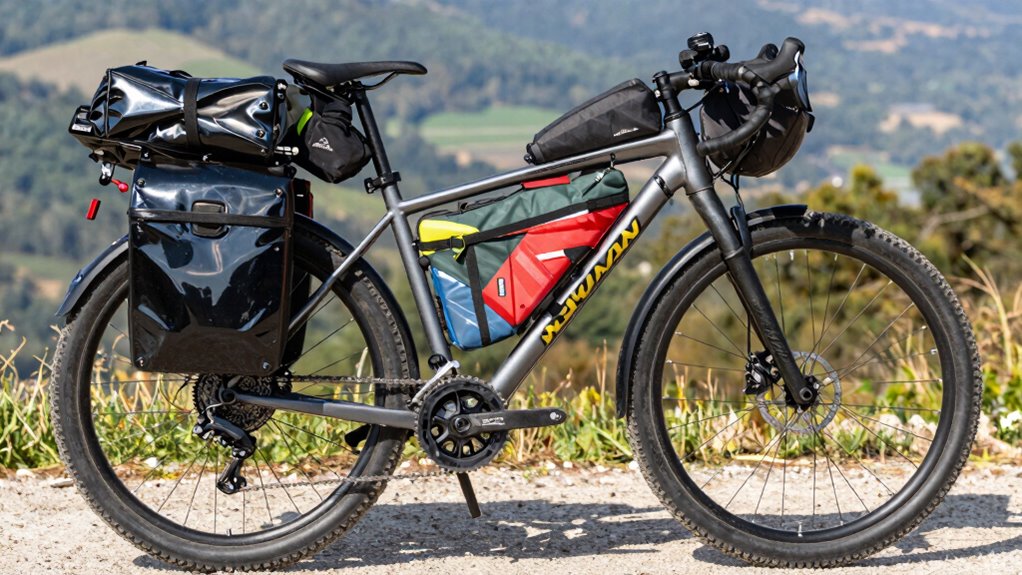
Bikepacking bags, on the other hand, are designed to be more streamlined and integrated into your bike’s frame, handlebars, or seat post. They usually have a lower cargo capacity compared to panniers but offer a more balanced weight distribution because the load is centered closer to your bike’s center of gravity. This setup enhances handling and maneuverability, particularly on rough or technical trails. If your rides involve mixed terrain or you prefer a lighter, more agile setup, bikepacking bags can be advantageous. They also keep your bike’s profile lower, reducing wind resistance and making your ride more aerodynamic. Keep in mind, though, that their cargo capacity is limited, so they’re less suited for extended trips with a lot of gear. As a rider, you should evaluate the type of riding you do most often. If you’re heading out on multi-day tours with lots of gear, panniers might be more practical despite their potential handling quirks. Conversely, for shorter, more technical rides where handling is critical, bikepacking bags could be the better fit.
Additionally, understanding the impact of cargo capacity on your overall ride quality can help you make a more informed decision. In either case, paying attention to how your chosen gear affects cargo capacity and weight distribution will help you enjoy a safer, more comfortable ride. Selecting the right system ultimately depends on your specific needs, ride style, and the terrain you plan to explore.
bikepacking bags for mountain biking
As an affiliate, we earn on qualifying purchases.
As an affiliate, we earn on qualifying purchases.
Frequently Asked Questions
How Do I Choose Between Panniers and Bikepacking Bags for Mixed Terrain?
When choosing between panniers and bikepacking bags for mixed terrain, consider your frame mounts and weather resistance. Panniers are ideal if your bike has sturdy frame mounts and you need weather-resistant storage for longer, rough rides. Bikepacking bags excel on lighter, flexible setups and adapt well to varied terrain. Think about your bike’s setup and the weather conditions you’ll face to pick the system that keeps your gear secure and dry.
Are Bikepacking Bags More Aerodynamic Than Panniers?
Bikepacking bags tend to be more aerodynamic than panniers because their sleek, low-profile design reduces wind resistance, unlike panniers which protrude outward. In an aerodynamics comparison, bikepacking bag design prioritizes minimal drag, making them ideal for speed and efficiency on mixed terrain. You’ll notice that their closer-to-frame placement helps you cut through the air smoothly, while panniers create more turbulence due to their bulkier shape.
Can I Use Panniers and Bikepacking Bags Together?
Yes, you can use panniers and bikepacking bags together to maximize storage. Attach panniers to your rear rack and bikepacking bags to your front rack for better weight distribution. Make sure your front rack is sturdy and weatherproofing is sufficient to protect your gear from the elements. Combining both systems allows flexibility for longer trips and varied terrain, giving you extra space without sacrificing accessibility or protection.
What’s the Best System for Ultra-Lightweight Touring?
Think of ultra-lightweight touring as dancing on air — delicate yet precise. You’ll want gear that’s made from lightweight materials, minimizing weight without sacrificing durability. Bikepacking bags are ideal, offering streamlined, compact storage that keeps your center of gravity low. Prioritize gear organization with modular bags, so every item is easy to access. This system keeps your ride agile, allowing you to glide effortlessly across varied terrains with minimal weight.
How Do Storage Capacities Compare Between Panniers and Bikepacking Bags?
You’ll find that panniers typically offer greater capacity compared to bikepacking bags, making them ideal for carrying larger loads. Panniers tend to be bulkier, but they distribute weight more evenly, which can be beneficial for heavy touring. Bikepacking bags are more compact, focusing on weight savings and aerodynamics, but their capacity is limited. Consider your packing needs and weight differences to choose the system that best suits your ride.
Conclusion
So, now you’re faced with a choice that could transform your riding adventures. Will you stick with the familiar, trusty panniers, or venture into the sleek, lightweight world of bikepacking bags? Each option promises a new experience, a different challenge, and unforgettable memories. The decision isn’t just about gear – it’s about the journey you want to take. Are you ready to pick your path and see where it leads? The road awaits your move.
NFL season / tailgating Picks
team gear
As an affiliate, we earn on qualifying purchases.