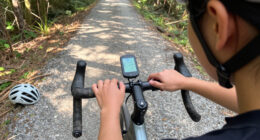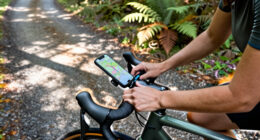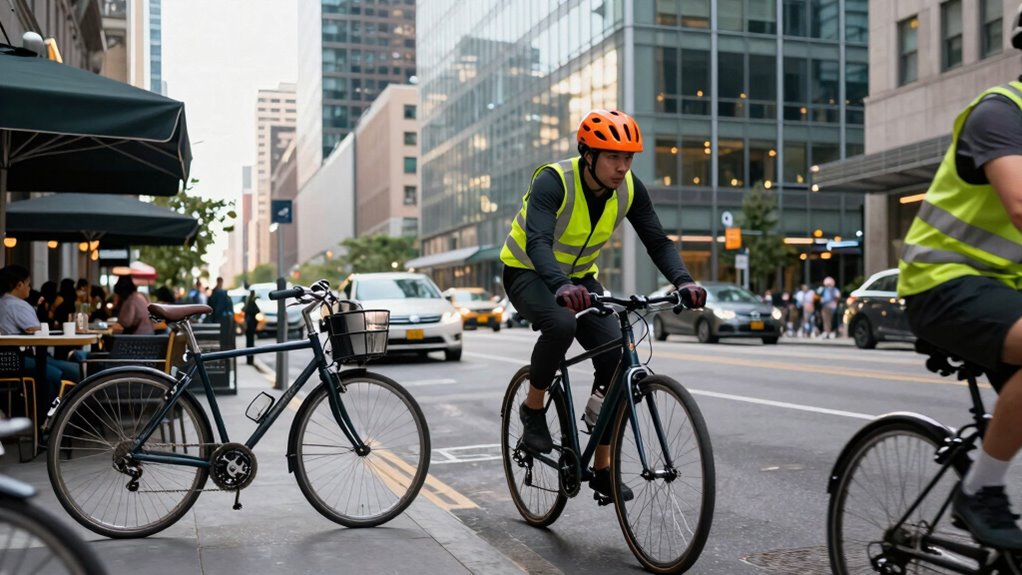

To be a safe and confident city cyclist, focus on mastering traffic awareness, so you can anticipate driver and pedestrian actions. Learn to make quick decisions, communicate clearly with hand signals, and stay visible in unpredictable situations. Keep your bike in good shape, follow local traffic laws, and develop good riding habits like wearing safety gear and maintaining steady speeds. By honing these skills, you’ll better navigate urban streets—and there’s even more to explore to improve your city riding skills.

Get sports gear delivered free — and shop member deals
- Fast, free delivery on millions of items
- Access to Prime Big Deal Days deals on October 6–7
- Prime Video, Amazon Music and more included
Key Takeaways
- Read traffic flow and anticipate driver and pedestrian actions for safer navigation.
- Use clear hand signals to communicate intentions effectively to others on the road.
- Maintain proper bike maintenance routines to prevent breakdowns and ensure safety.
- Follow local traffic laws and ride predictably to promote shared road safety.
- Develop agility and awareness to handle unpredictable situations smoothly and confidently.
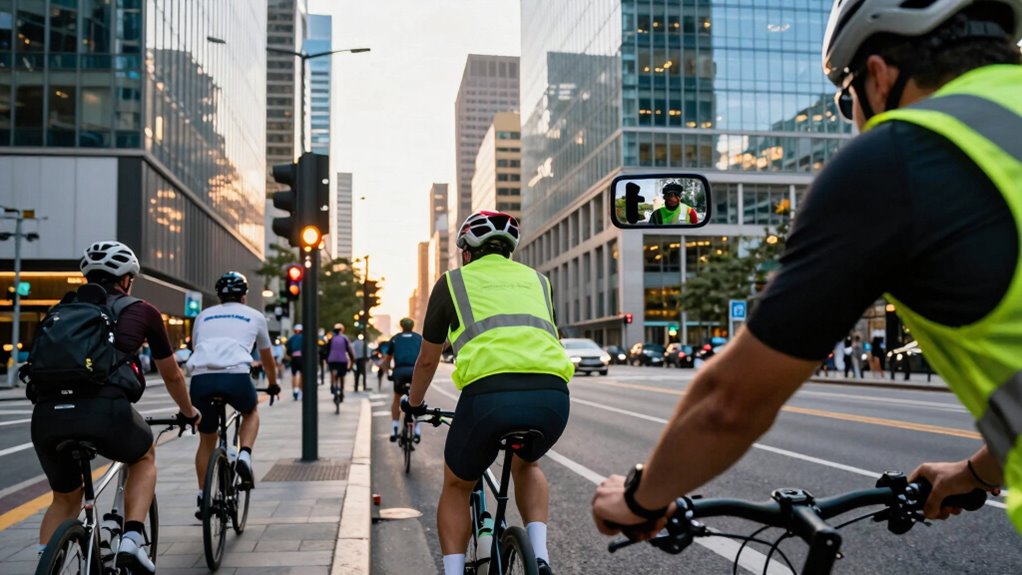
Cycling through the city requires more than just pedaling; it demands a specific set of skills to navigate busy streets safely and efficiently. One of the most important skills is urban traffic navigation. You need to read the flow of traffic, anticipate the actions of drivers and pedestrians, and make quick decisions to stay safe. This involves constantly scanning your surroundings, using hand signals to communicate your intentions, and choosing the best routes that maximize safety and efficiency. Knowing when to stay visible, when to yield, and how to handle unpredictable situations like sudden stops or jaywalkers can make the difference between a smooth ride and a dangerous one. Practicing these skills helps you become more confident, allowing you to maneuver through city streets with agility and awareness. Developing urban traffic navigation skills is essential for a safe and enjoyable city cycling experience. Additionally, understanding local traffic laws can further enhance your safety and ensure you’re riding responsibly.
Alongside urban traffic navigation, mastering bicycle maintenance essentials is essential. You don’t want to be stranded with a flat tire or a chain that won’t turn. Basic maintenance skills, such as fixing a flat tube, adjusting brakes, and lubricating the chain, keep your bike in top shape and reduce the chances of breakdowns. Carrying a small repair kit, including spare tubes, a pump, and multi-tools, ensures you’re prepared for common issues. Regularly checking tire pressure, brake function, and chain wear can save you from unexpected problems during your ride. When you know how to troubleshoot minor issues, you won’t have to rely heavily on bike shops, which can be time-consuming and costly. Bicycle maintenance essentials also include understanding how to clean your bike, keeping parts lubricated, and inspecting for damage, all of which extend the lifespan of your ride and improve safety. Incorporating bike safety checks into your routine can help prevent accidents caused by overlooked issues. Moreover, familiarizing yourself with bike repair techniques can boost your confidence and independence on the road. Staying aware of bicycle safety fundamentals, such as helmet use and proper riding posture, further enhances your protection.
In addition to these skills, developing good riding habits, like maintaining a consistent speed, staying in designated bike lanes when available, and respecting traffic laws, complements your urban traffic navigation and maintenance knowledge. Being predictable and courteous on the road not only keeps you safe but also encourages others to share the road responsibly. Over time, these skills become second nature, making city cycling more enjoyable and less stressful. Whether you’re commuting to work, running errands, or exploring new neighborhoods, mastering urban traffic navigation and bicycle maintenance essentials empowers you to navigate city streets confidently. With practice, you’ll find yourself riding more smoothly, arriving on time, and enjoying the vibrant energy of city cycling while staying safe and prepared every step of the way.
As an affiliate, we earn on qualifying purchases.
Frequently Asked Questions
How Do I Choose the Best Bike for City Riding?
To choose the best bike for city riding, consider your daily needs and terrain. Look for a bike with comfortable riding techniques, like a hybrid or commuter bike, that handles well in traffic. Add essential bike accessories, such as lights and a lock, for safety and security. Test ride different models to find one that fits your body comfortably. Prioritize durability and ease of maintenance to guarantee smooth daily commutes.
What Safety Gear Is Essential for Urban Cycling?
Imagine armor shielding you through bustling streets—essential safety gear for urban cycling includes a well-fitted helmet to protect your head, bright lights and reflective gear to shine through the chaos, and sturdy gloves and shoes for control. These safety gear essentials guarantee your urban cycling safety, making every ride confident and secure. Embrace these safeguards, and navigate city streets with peace of mind and clarity.
How Can I Prevent Bike Theft in the City?
To prevent bike theft in the city, you should use effective locking techniques and follow theft prevention tips. Always lock your bike to a sturdy, immovable object, ideally through the frame and wheel, and use a high-quality lock. Avoid leaving your bike in isolated areas, and consider using a second lock for added security. Regularly check your lock’s integrity, and remove accessories to reduce temptation.
What Are the Best Routes for New City Cyclists?
You should choose routes with well-marked bike lanes and smooth surfaces to make your ride safer and easier. Look for streets that follow urban cycling etiquette, avoiding heavy traffic and busy intersections. Stick to designated bike lanes, signal your turns clearly, and stay alert for pedestrians. Starting with these routes helps you build confidence while practicing bike lane navigation and understanding the flow of city cycling.
How Do I Maintain My Bike for Daily City Use?
To maintain your bike for daily city use, start with regular bike cleaning to keep parts free of dirt and grime. Check your tire pressure frequently; properly inflated tires prevent flats and improve ride quality. Lubricate the chain and moving parts weekly to guarantee smooth operation. Inspect brakes and gears regularly, adjusting as needed. Keeping your bike clean and maintaining correct tire pressure helps it perform reliably on busy city streets.
Conclusion
Mastering these skills transforms you into a city’s heartbeat on two wheels, gliding seamlessly through the urban maze. With each turn, you become a confident navigator, a whisper in the bustling symphony of city life. These skills are your trusty compass and armor, turning chaos into choreography. Ride with purpose, and you’ll discover that the city isn’t just a place to pass through — it’s a vibrant dance floor where your skills make every pedal stroke a graceful move.
Halloween Picks
halloween
As an affiliate, we earn on qualifying purchases.