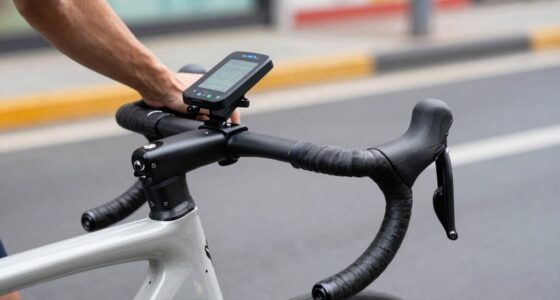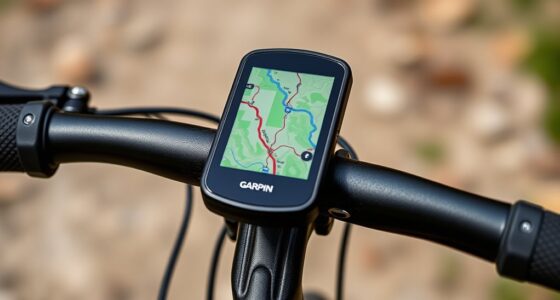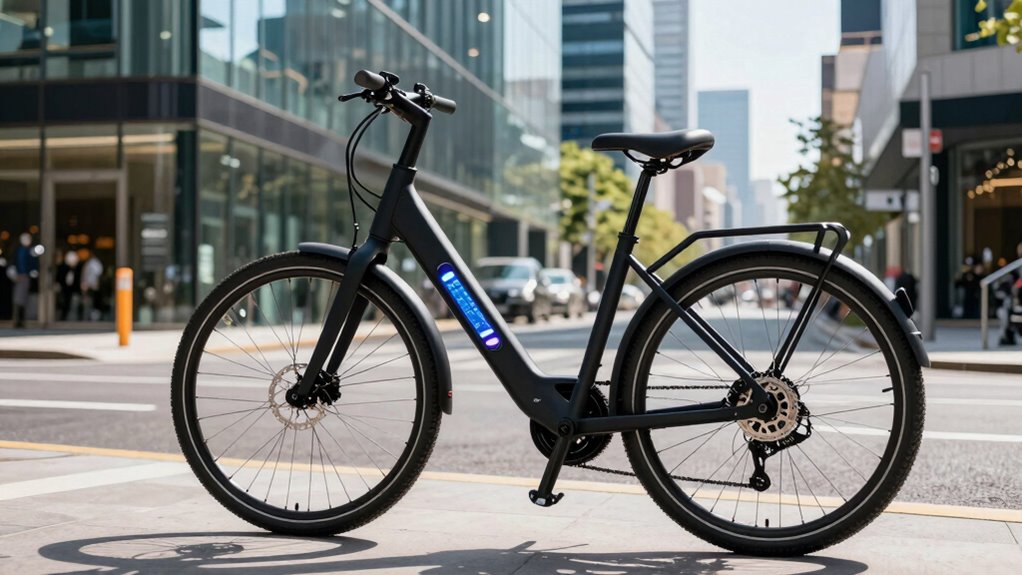

Futureproof bike tech means designing bicycles that can grow with you and adapt to new technologies over time. It’s about creating bikes with modular parts, seamless smart integrations, and compatibility with future upgrades. This way, your bike stays relevant, functional, and longer-lasting. Instead of becoming obsolete, it evolves with your riding needs and tech advances. Keep exploring to discover how these innovations will keep your cycling experience ahead of the curve.
Prime for Young Adults — start your free trial
Fast free delivery, streaming and member deals for eligible 18–24 year olds.
As an affiliate, we earn on qualifying purchases.
Key Takeaways
- Futureproof bike tech is designed to stay relevant as new technologies and apps emerge.
- It emphasizes modularity for easy upgrades and component replacements over time.
- Compatibility and interoperability ensure different systems and devices work seamlessly together.
- Embedded sensors and connectivity enable real-time data tracking and personalized riding experiences.
- Overall, it extends bike lifespan, adaptability, and long-term usability amidst evolving tech landscapes.
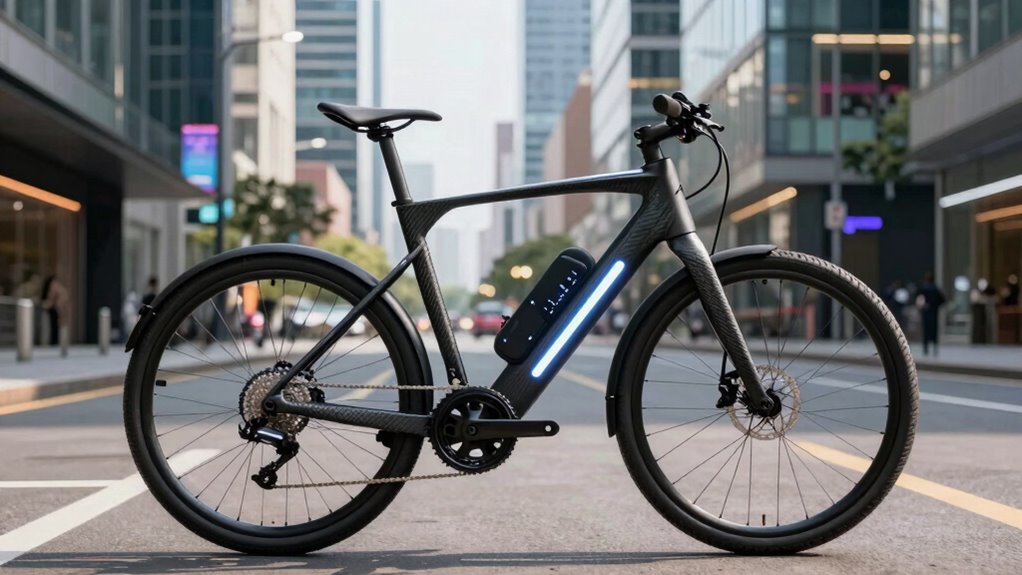
As cycling continues to evolve, new technologies are making bikes smarter, safer, and more adaptable for the future. When you hear the term “futureproof” in bike tech, it’s all about designing bicycles that stay relevant and functional as technology advances. It’s not just about adding the latest gadgets but creating a system that can grow with you and the tech landscape. At the core of this idea are concepts like smart integration and modular design, which transform how bikes interact with riders and accommodate future upgrades.
Smart integration means your bike is more than just a set of wheels and a frame. It involves embedding sensors, connectivity features, and digital interfaces into your bike. Imagine a bike that tracks your performance, monitors health metrics, and syncs seamlessly with your smartphone or wearable device. These systems can provide real-time feedback, help you optimize your ride, and even alert you to maintenance needs before problems become serious. When your bike’s components are integrated with smart technology, it becomes a personalized riding companion, capable of adapting to your habits and preferences. This integration guarantees that your bike remains relevant as new apps and features emerge, extending its lifespan and utility. Incorporating modular design allows for easier upgrades and customization, ensuring your bike can evolve alongside technological developments. This approach makes your bike more futureproof because it minimizes waste and maximizes flexibility. If a new tech innovation hits the market, you can incorporate it into your existing setup with minimal hassle. Plus, modular bikes tend to be more durable and customizable, letting you tailor your ride to specific needs or terrains.
Smart tech transforms bikes into personalized, connected riding companions that adapt and evolve with your needs.
Together, smart integration and modular design create a bike that’s not just ready for today but prepared for tomorrow’s advancements. You don’t have to worry about your bike quickly becoming obsolete because you can upgrade parts or add new features over time. Developing interoperable systems is also crucial, as it ensures different components and technologies can work seamlessly together, further extending the bike’s longevity. This approach also encourages sustainability, as it reduces waste and promotes a longer bike lifespan. In addition, technological compatibility plays a vital role in ensuring that new devices or systems can easily integrate with existing bike components, making future upgrades smoother and more efficient. When you invest in a futureproof bike, you’re essentially investing in a platform that can evolve with your riding style, tech innovations, and environmental considerations. In the end, it’s about making your cycling experience smarter, safer, and more adaptable, ensuring your bike stays relevant for years to come.
As an affiliate, we earn on qualifying purchases.
Frequently Asked Questions
How Often Should I Upgrade My Bike’s Technology?
You should consider upgrading your bike’s technology every 2 to 3 years, depending on how often you ride and your bike maintenance routine. If you notice issues with riding ergonomics or your components become outdated, it’s time for an upgrade. Staying current with tech helps improve performance and comfort. Regular maintenance guarantees your bike stays in top shape, making these upgrades more effective and prolonging its lifespan.
Is Futureproof Bike Tech More Expensive Initially?
Futureproof bike tech often costs more upfront because it includes advanced features, longer warranty coverage, and longer battery life. You might pay a premium initially, but you’re investing in durability and adaptability, which can save you money in the long run. This tech is designed to stay relevant longer, so you won’t need frequent upgrades. Fundamentally, paying more now guarantees you’re covered and powered-up for the future.
Can Futureproof Features Be Retrofitted to Older Bikes?
Yes, futureproof features can often be retrofitted to older bikes, but retrofit compatibility varies depending on the bike’s design and components. You might face upgrade limitations, especially with integrated systems or proprietary parts. Before attempting upgrades, check if the new tech is compatible with your bike’s frame and components. Sometimes, retrofitting can be costly or technically challenging, so weigh the benefits against potential limitations before proceeding.
What Brands Are Leading in Futureproof Bike Innovations?
You’ll notice brands like Trek and Specialized leading in futureproof bike innovations, especially with smart integration and battery longevity. Imagine upgrading your bike as easily as updating your phone—these companies focus on modular systems that adapt over time. Their commitment to seamless tech integration guarantees your bike stays current, even as new features emerge. Staying ahead means choosing brands that prioritize adaptable, durable tech, making your ride futureproof and reliable.
How Do Software Updates Affect Bike Hardware Longevity?
Software updates can extend your bike’s hardware durability by improving compatibility and fixing bugs, ensuring your bike stays functional longer. However, if updates aren’t compatible with older hardware, they can cause issues or slow performance. To keep your bike futureproof, choose models with good software compatibility and durable hardware. Regular updates help maintain your bike’s performance, but you should also consider the quality of the hardware for long-term longevity.
Conclusion
So, when you hear “futureproof” in bike tech, picture a bike that’s ready for whatever tomorrow throws at you—be it new gear, smarter components, or evolving riding styles. It’s like planting a seed today that will grow stronger with each upgrade, ensuring your ride stays relevant and reliable. Embrace this mindset, and you’ll ride confidently into the future, knowing your bike is built to adapt and thrive, no matter what’s next.
Fall yard work Picks
leaf blowers
As an affiliate, we earn on qualifying purchases.