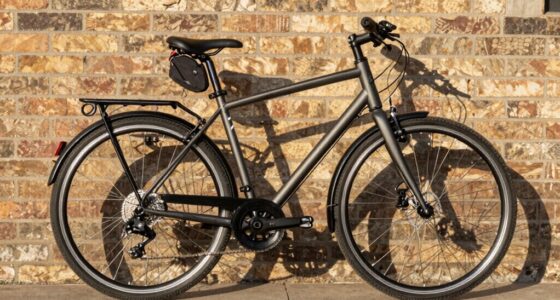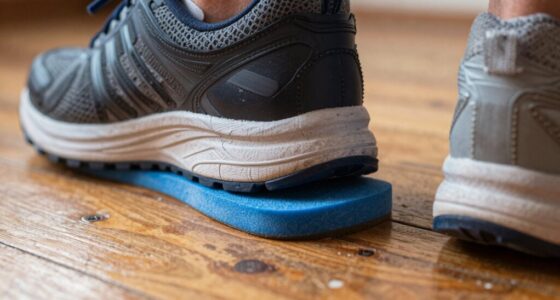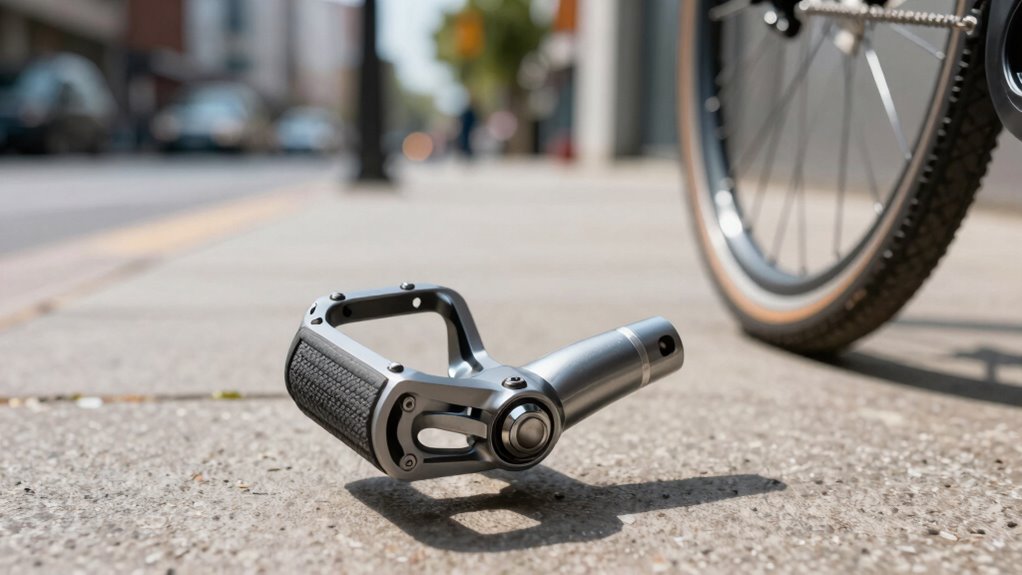

If you’re commuting daily, flat pedals are a practical choice because they’re simple, safe, and easy to use. You can quickly place your feet and dismount without hassle, reducing the risk of slips or falls. They require less maintenance and tend to last longer, saving you money. Dual-sided pedals are versatile but may be more complex. To find out which option suits your ride best, keep exploring the details.

Get sports gear delivered free with Prime
- Fast, free delivery on millions of items
- Prime Video, Amazon Music and more included
- Member-only deals all year
Key Takeaways
- Flat pedals provide quick, easy foot placement and dismount, ideal for stop-and-go city commuting.
- Dual-sided pedals offer versatility, accommodating both clip-in and flat pedal riders for varied preferences.
- Flat pedals are safer in traffic due to easier foot removal, reducing fall risk during sudden stops.
- Dual-sided pedals may require more maintenance but allow switching between riding styles.
- Flat pedals are generally more cost-effective, durable, and easier to clean, suited for daily commuting needs.
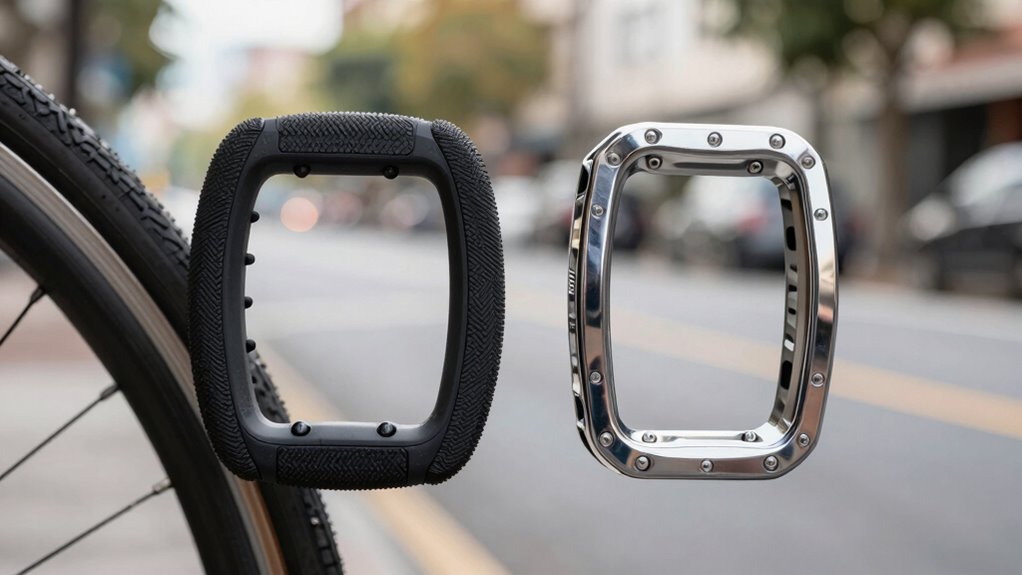
When choosing pedals for your daily commute, you might wonder whether flat pedals or dual-sided pedals suit your riding style better. The decision isn’t just about comfort or convenience — it also impacts your bike safety and how easy it is to keep your pedals in good shape through regular pedal upkeep. Flat pedals are simple, accessible, and provide a wide platform for your foot. They allow quick foot placement and easy dismounts, which is especially helpful if you frequently stop or need to hop on and off quickly. Because of their design, flat pedals reduce the risk of your foot slipping unexpectedly, making them a safer choice in stop-and-go traffic or rough road conditions. Plus, with flat pedals, you don’t have to worry about clipping in or out, which minimizes the chances of falling due to pedal release issues. When it comes to pedal maintenance, flat pedals are usually straightforward. They tend to have fewer moving parts, making them easier to clean and inspect. Regularly check for loose bolts or worn-out pins, and ensure the platform remains stable. Since flat pedals are exposed to dirt, mud, and debris more often, you’ll want to clean them regularly to maintain proper grip and prevent damage over time. Additionally, the design simplicity of flat pedals often results in fewer mechanical failures, which can be a significant advantage for daily commuters. A durable construction can also extend the lifespan of your pedals, saving you the cost and effort of frequent replacements. Understanding the benefits of low-maintenance components can help you select pedals that are easier to care for and more reliable in the long run. Properly choosing a pedal type can also reduce the need for frequent repairs or replacements, saving you time and money.
As an affiliate, we earn on qualifying purchases.
Frequently Asked Questions
Which Pedal Type Is More Cost-Effective Long-Term?
Dual-sided pedals are more cost-effective long-term because they tend to have better pedal durability and versatile features that suit different riding styles. While their initial cost may be higher, they often require fewer replacements and repairs over time. A thorough cost comparison shows that investing in quality dual-sided pedals saves you money in the long run, providing durability and convenience that flat pedals may lack.
How Do Pedal Types Impact Bike Maintenance?
Your choice of pedal type directly impacts bike maintenance. Flat pedals often have a longer pedal lifespan and require less maintenance, since they lack complex mechanisms. Dual-sided pedals, with their clip-in features, tend to need more frequent maintenance and adjustments to keep them functioning smoothly. By choosing flat pedals, you reduce maintenance frequency, making your commute simpler and more reliable, especially if you prefer quick, hassle-free rides.
Are Dual-Sided Pedals Suitable for All Bike Types?
Dual-sided pedals are generally suitable for most bike types, but you should consider pedal compatibility with your bike’s crankset and your rider skill adaptation. If you ride multiple bikes or want versatility, they work well. However, for specialized bikes like BMX or racing bikes, check if the pedals fit properly. You’ll also find they help new riders adapt quickly, offering the option to switch between clip-in or flat options easily.
Do Flat Pedals Improve Safety in Traffic?
Yes, flat pedals can improve safety in traffic by giving you instant control during sudden stops or sharp turns. They allow better traffic visibility, so you can quickly shift your foot if needed. Unlike clips, flat pedals let you keep your footing secure and maintain balance, reducing the risk of falls. This quick adaptability helps you respond faster to unpredictable traffic situations, keeping you safer on your commute.
Can Switching Pedal Types Affect Riding Comfort?
Switching pedal types can considerably affect your riding comfort by influencing pedal ergonomics and your riding posture. Flat pedals allow for more natural foot positioning, reducing strain during longer commutes. Dual-sided pedals offer versatility, helping you find the most comfortable stance. Changing pedals lets you customize your setup, potentially improving overall comfort and reducing fatigue. Experimenting with different types can help you discover the best fit for your riding style and posture needs.
Conclusion
Choosing between flat and dual-sided pedals is like selecting a trusty steed for your daily journey. Flat pedals are your loyal saddle, easy to hop on and off, perfect for casual commutes. Dual-sided pedals are your versatile steed, offering the best of both worlds—clipped in or out—ready for any ride. Whichever you pick, remember it’s about finding a partner that keeps your daily ride smooth, safe, and enjoyable.
NFL season / tailgating Picks
team gear
As an affiliate, we earn on qualifying purchases.