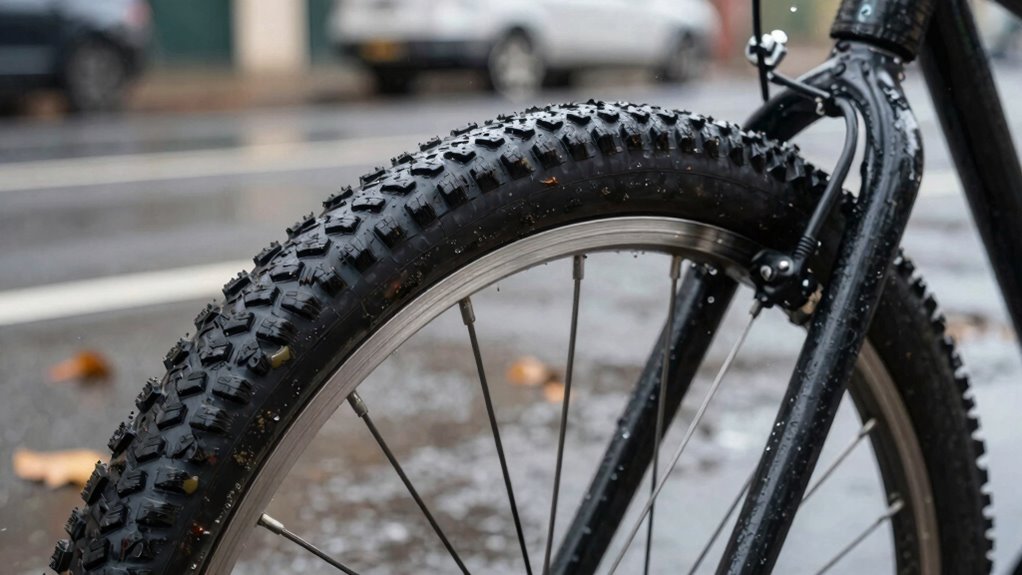

A good all-weather commuter tire offers durability to withstand daily challenges like potholes, gravel, and debris, reducing the need for frequent replacements. It provides reliable grip on wet, snowy, and dry roads with tread patterns that channel water and snow away from the contact patch. Comfort is key, so it minimizes noise and offers a smooth ride. If you want to learn more about how these tires guarantee safe driving year-round, keep exploring the details.

Get sports gear delivered free — and shop member deals
- Fast, free delivery on millions of items
- Access to Prime Big Deal Days deals on October 6–7
- Prime Video, Amazon Music and more included
Key Takeaways
- Provides reliable traction on wet, snowy, and dry roads for safe year-round driving.
- Features a versatile tread pattern that balances winter grip and comfort in warmer months.
- Uses weather-resistant materials to prevent deterioration and ensure longevity.
- Incorporates sipes and specialized channels to prevent hydroplaning and enhance grip.
- Offers durability with high-quality rubber compounds and reinforced sidewalls for extended use.
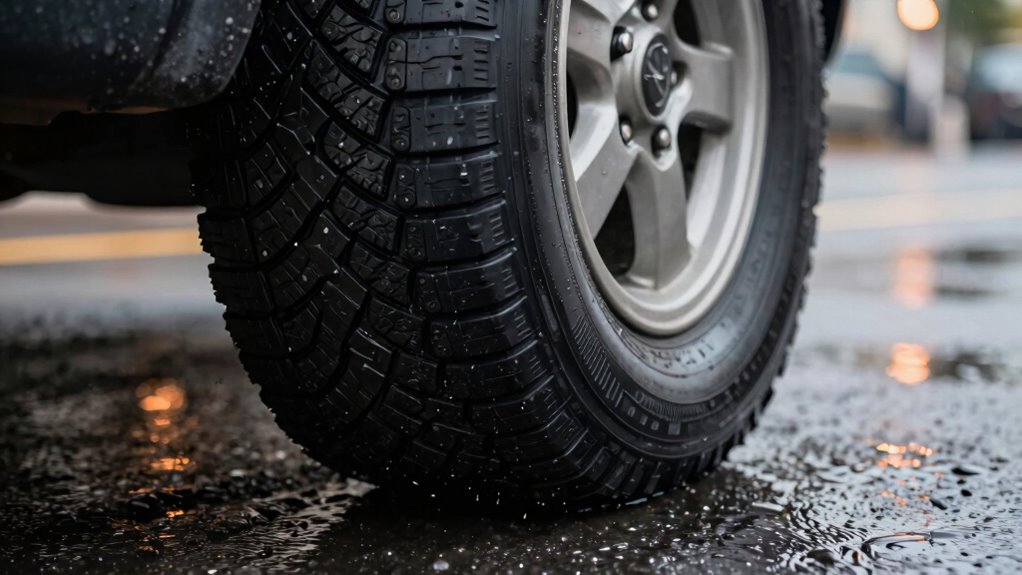
Are you tired of changing tires with the seasons? If so, an all-weather commuter tire might be just what you need. These tires are designed to handle a variety of conditions without requiring you to swap them out every few months. But what truly makes a good all-weather commuter tire? A key factor is tire durability. You want a tire that can withstand the rigors of daily use, from potholes and rough pavement to gravel and debris. A durable tire maintains its integrity over time, resisting cuts, punctures, and uneven wear. This guarantees you won’t have to replace it frequently, saving you money and the hassle of constant maintenance. When shopping for an all-weather tire, look for high-quality rubber compounds and reinforced sidewalls, which contribute notably to its longevity. Understanding tire durability can help you choose the best options for long-lasting performance. Additionally, selecting tires with advanced rubber formulations can further enhance tire longevity and resistance to weather-related deterioration. A good all-weather tire also incorporates weather-resistant materials that improve its performance in diverse conditions. Proper manufacturing standards are also essential, as they ensure consistent quality and safety in your tires. Investing in tires produced to strict manufacturing standards can also help prevent premature failures and ensure reliable performance.
Grip performance is equally essential. No matter the weather, you need a tire that provides reliable traction—whether you’re driving on wet roads, snowy surfaces, or dry pavement. Good grip performance means your tire maintains contact with the road, giving you confidence in acceleration, braking, and cornering. This is particularly vital during rain or snow when slick conditions can make driving dangerous. Tread pattern plays a major role here. An effective all-weather tire has a specially designed tread that channels water away to prevent hydroplaning while offering enough biting edges to grip snowy or icy surfaces. Many all-weather tires feature a combination of sipes, which are small cuts in the tread blocks, to improve traction in winter conditions without sacrificing performance on dry roads. Proper tread design, combined with grip performance, ensures safety and stability across seasons.
Another factor that influences what makes a good all-weather commuter tire is versatility. It should balance the needs of different seasons, providing enough grip for winter but not sacrificing comfort or noise levels during warmer months. Additionally, it should offer decent fuel efficiency, which can be affected by tread design and rolling resistance. A well-designed all-weather tire also minimizes road noise and provides a smooth ride, making your daily commute more comfortable. Ultimately, a good all-weather commuter tire combines durability, grip performance, versatility, and comfort. When you choose wisely, you’ll enjoy safer, more predictable driving year-round—no matter what the weather throws your way.
As an affiliate, we earn on qualifying purchases.
Frequently Asked Questions
How Long Do All-Weather Commuter Tires Typically Last?
All-weather commuter tires typically last between 40,000 and 60,000 miles, depending on your tire tread and rubber compound. If your tire has a deeper tread, it can handle varied weather better and last longer. A durable rubber compound also helps resist wear from harsh conditions. Regularly checking the tread depth and maintaining proper inflation extend your tire’s lifespan, ensuring safe and reliable commuting in all weather.
Are All-Weather Tires Suitable for Mountain Biking?
All-weather tires aren’t suitable for mountain biking because their tread design and rubber compound durability are optimized for on-road conditions, not rugged trails. Their tread pattern tends to be less aggressive, which limits grip on loose or uneven terrain. Additionally, the rubber compound is designed for durability and weather resistance, but it may wear quickly or fail to provide the necessary traction on mountain paths. For mountain biking, specialized mountain bike tires are your best choice.
Do All-Weather Tires Require Special Maintenance?
Yes, all-weather tires do require special maintenance. You should regularly rotate your tires to promote even wear and check tread depth to guarantee maximum grip in diverse conditions. Keep an eye on tread wear and replace tires when they become too shallow. By maintaining proper tire pressure and inspecting for damage, you’ll extend the life of your all-weather tires and keep your commute safe and smooth regardless of the weather.
How Do All-Weather Tires Perform in Snowy Conditions?
All-weather tires perform well in snowy conditions thanks to their enhanced snow traction and specialized tread design. The tread pattern, often featuring deeper grooves and biting edges, helps grip snow and slush, providing stability and control. You’ll notice better traction on winter roads, making your commute safer. However, they might not match the performance of dedicated winter tires in extreme conditions, so consider your local climate when choosing.
Can All-Weather Tires Be Used on Electric Vehicles?
Yes, all-weather tires can be used on electric vehicles because they offer electric vehicle compatibility. These tires are designed to handle the torque and weight of EVs efficiently. Thanks to tire material innovations, they provide better traction, durability, and energy efficiency. You’ll find that all-weather tires on your electric vehicle deliver smooth performance in various conditions, making them an excellent choice for year-round driving without needing to switch tires seasonally.
Conclusion
So, the next time you hit the road, imagine confidently steering rain, snow, or shine, knowing your all-weather commuter tire has got your back. Will it grip tight when conditions turn tricky? Will it keep you safe and steady through every twist and turn? The choice you make now could be the difference between a smooth ride and a dangerous slip. Stay prepared, stay alert — your perfect tire might just be a decision away.
Fall Picks
fall essentials
As an affiliate, we earn on qualifying purchases.