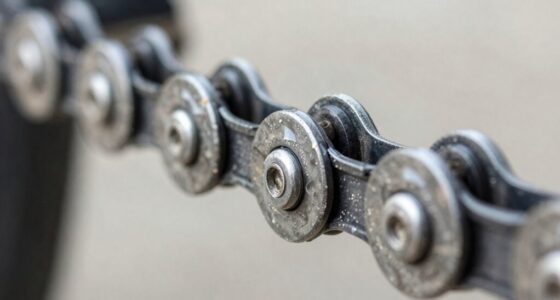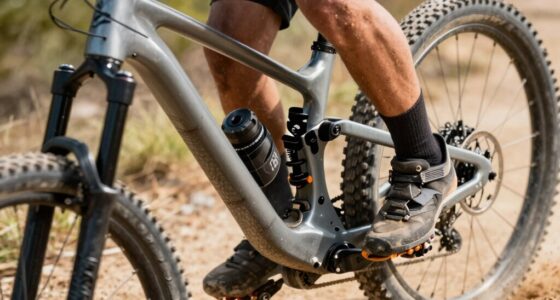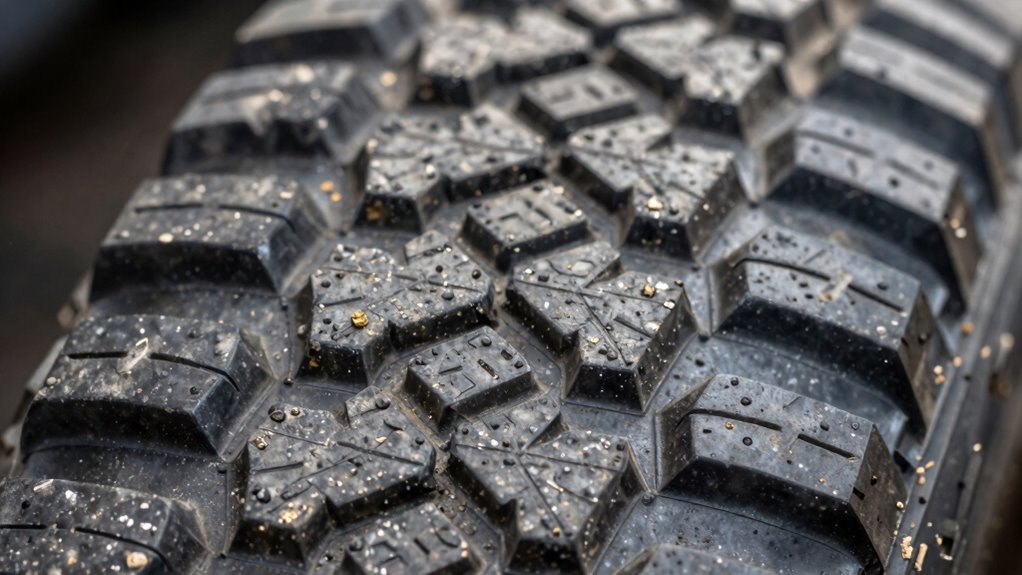

Your gravel tire tread really changes how your bike grips, handles, and wears over time. Different designs improve traction on rugged terrain and distribute pressure evenly to prevent uneven wear. They also impact durability, helping your tires last longer and perform better in tough conditions. Advances in tread design and construction techniques make your ride safer and more reliable. Stick around, and you’ll discover even more ways these treads shape your gravel adventures.
Listen free for 30 days with Audible
Thousands of audiobooks and originals — cancel anytime.
As an affiliate, we earn on qualifying purchases.
Key Takeaways
- Tread design evolution improves grip and handling on rugged, uneven terrains.
- Changes in tread patterns influence how tires wear, affecting lifespan and safety.
- Modern engineering balances pressure across the contact patch for consistent performance.
- Advances in construction techniques enhance durability and resistance to harsh conditions.
- Proper tread design reduces uneven wear, extending tire longevity and reducing maintenance needs.
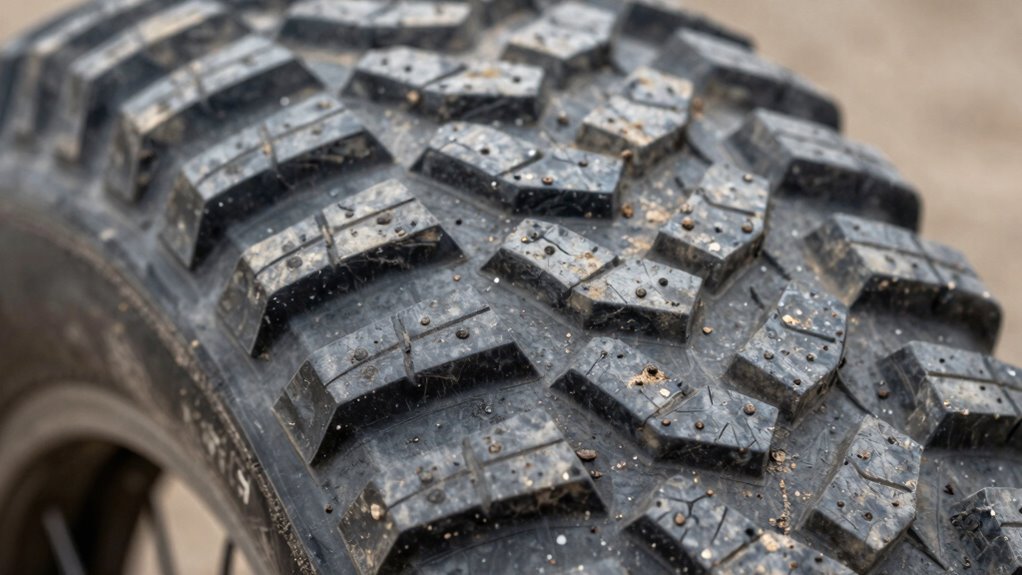
Have you ever wondered how gravel tire treads have evolved to better handle rugged terrain? It’s a fascinating journey of innovation focused on improving performance, durability, and safety. When you look closely at tire wear patterns, you’ll notice how different tread designs influence how your tires wear over time. Modern gravel tires are engineered to distribute pressure more evenly across the contact patch, reducing uneven wear that can lead to early tire failure. This pressure distribution helps extend the lifespan of your tires and ensures more consistent performance. Proper tire maintenance is also essential for maximizing durability and safety on challenging surfaces. Regular inspection and care of your tires can prevent issues before they become serious, saving you money and effort in the long run. Additionally, understanding tire wear patterns can help you diagnose and address potential issues early, ensuring optimal performance. Advances in tire construction techniques have further contributed to enhancing durability and performance, ensuring that gravel tires can withstand the demands of diverse terrains.
gravel bike tires with durable tread
As an affiliate, we earn on qualifying purchases.
As an affiliate, we earn on qualifying purchases.
Frequently Asked Questions
How Does Tread Pattern Affect Gravel Ride Comfort?
Your gravel tire’s tread pattern greatly impacts ride comfort by influencing grip performance. A well-designed pattern provides better traction on loose or uneven surfaces, reducing vibrations and bumps that can cause discomfort. When the tread offers ideal grip, you’ll feel more stable and confident, which minimizes fatigue and enhances overall comfort. So, choosing the right tread pattern tailored to your terrain ensures a smoother, more enjoyable gravel ride.
Can Tread Design Influence Tire Puncture Resistance?
Yes, tread design can dramatically influence tire puncture resistance. When you choose a tread material that’s tough and durable, it acts like armor against sharp rocks and debris. Tread width plays a massive role too—wider treads cover more surface area, offering extra protection and reducing pinch flats. Together, these design elements create a fortress around your tires, turning your gravel rides into battles where punctures stand no chance.
Do Different Treads Impact Tire Lifespan?
Different treads do impact your tire lifespan by influencing tire wear and tread durability. Aggressive, knobby treads might wear out faster on smooth surfaces, while smoother treads tend to last longer but may sacrifice grip. You’ll notice that choosing the right tread pattern based on your riding conditions can extend your tire’s lifespan, ensuring you get the most out of each ride. Proper maintenance also helps preserve tread durability over time.
How Does Tread Choice Affect Wet Gravel Riding?
You might think a slick tread offers speed, but on wet gravel, it’s all about mud traction and avoiding slips. A more aggressive pattern grips better in slick conditions, though it can increase road noise. Ironically, a tread designed for wet conditions can make your ride noisier, but it’s worth it for the added control and safety. Selecting the right tread guarantees confidence when the gravel gets wet and slippery.
Are Certain Treads Better for Mixed Terrain?
Yes, certain treads are better for mixed terrain because they balance grip and durability. You’ll notice tire aesthetics vary, but manufacturing variations influence tread patterns and rubber compounds, affecting performance. For versatile riding, choose tires with moderate tread spacing and reinforced sidewalls, ensuring you handle diverse surfaces confidently. The right blend of tread design and manufacturing quality helps you adapt smoothly across gravel, dirt, and paved roads.
Conclusion
Understanding how gravel tire treads change can truly transform your ride. You’ll notice better grip, smoother handling, and increased confidence on different terrains. So, next time you hit the trail, ask yourself—are you truly making the most of your gear? Investing in the right tread isn’t just about performance; it’s about enjoying every moment on your bike. Why settle for less when you can ride with purpose and certainty?
Flea & tick season Picks
flea and tick prevention
As an affiliate, we earn on qualifying purchases.