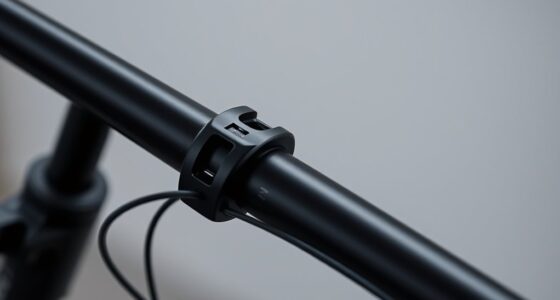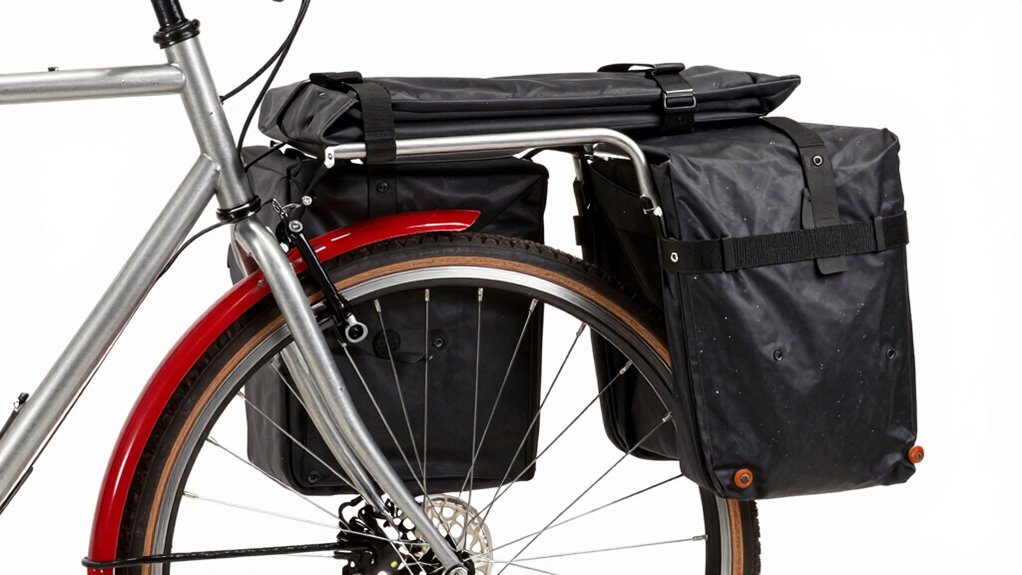

To keep bags, racks, and fenders from rattling, start by ensuring all mounting points are clean and secure using high-quality fasteners tightened to manufacturer specs. Add vibration-dampening hardware like rubber or silicone spacers, grommets, or washers at contact points. Use foam padding or soundproofing strips between metal parts to reduce noise and wear. Regularly inspect and tighten fittings, replacing worn components. If you want tips to achieve a quieter and more stable setup, keep exploring these solutions.
Listen free for 30 days with Audible
Thousands of audiobooks and originals — cancel anytime.
As an affiliate, we earn on qualifying purchases.
Key Takeaways
- Use high-quality fasteners and tighten all fittings to manufacturer specifications regularly.
- Incorporate rubber or silicone spacers and grommets at mounting points to absorb vibrations.
- Add foam padding or rubber strips between bags, racks, and fenders to reduce metal contact noise.
- Conduct periodic inspections to tighten loose hardware and replace worn or damaged components.
- Choose vibration-dampening hardware and soundproofing materials to minimize rattling and noise.
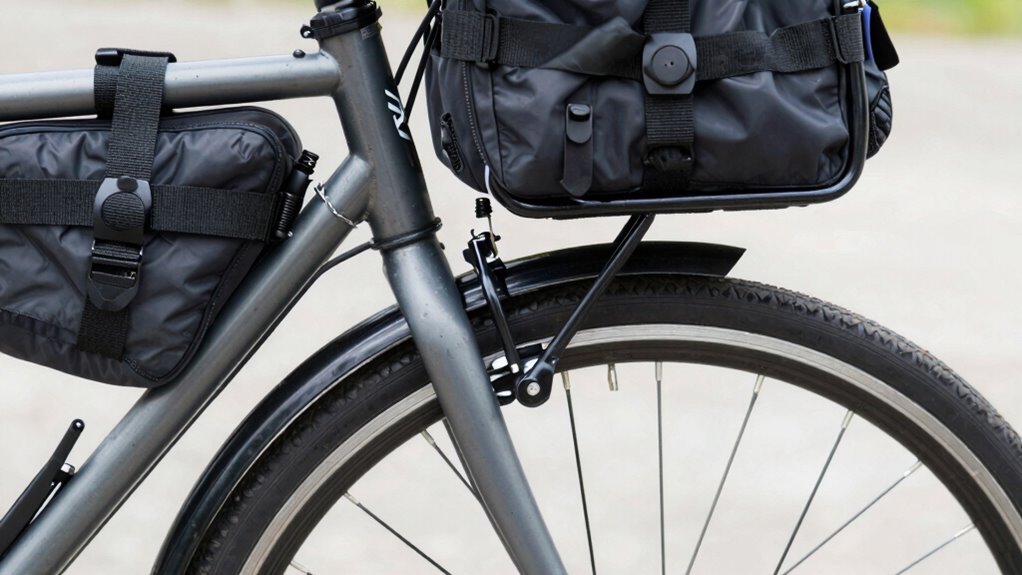
Rattling bags, racks, and fenders can turn a smooth ride into a noisy nuisance, but with a few simple adjustments, you can keep everything secure and quiet. The key lies in understanding proper mounting techniques and applying effective soundproofing solutions. When attaching your gear, start by ensuring all mounting points are clean and free of debris. Dirt and grime can cause loose fittings, so wipe down areas before securing straps or bolts. Use high-quality fasteners and check for any signs of wear or damage regularly. Over time, worn or loose mounts can lead to unwanted movement, so tighten everything to manufacturer specifications.
To prevent rattling, consider the type of mounting hardware you use. Rubber or silicone spacers can act as cushions between metal components, absorbing vibrations before they transfer into the frame or bag. For racks and fenders, look for mounting brackets designed with vibration-dampening features. If you notice persistent noise, it might be worthwhile to swap out standard bolts for locknuts or use thread-locking compounds to keep everything tight. These small changes can considerably reduce movement and noise during rides.
Soundproofing solutions also play a crucial role. Adding foam padding or rubber strips between the bag and rack can drastically diminish the noise caused by metal-on-metal contact. You can find adhesive-backed soundproofing mats or strips at hardware stores. Cut them to fit the contact points and secure them in place to act as buffers. For fenders, consider attaching thin rubber grommets or washers at mounting points to absorb vibrations. These simple soundproofing solutions not only quiet down rattles but also protect your gear from unnecessary wear.
Regular inspection of your setup is essential, as vibrations over time can loosen bolts or cause parts to shift, leading to increased noise and potential damage. Incorporating vibration-dampening materials, such as soundproofing, can further enhance noise reduction and safeguard your equipment against wear and tear. Additionally, ensuring your mounting hardware is properly installed will prevent ongoing issues caused by improper assembly. Remember that choosing vibration-absorbing components can make a significant difference in maintaining a quiet and secure setup.
bike rack vibration dampening pads
As an affiliate, we earn on qualifying purchases.
As an affiliate, we earn on qualifying purchases.
Frequently Asked Questions
What Tools Are Best for Securing Bike Accessories?
You should use versatile tools like zip ties, bungee cords, and mounting brackets to secure your bike accessories. Focus on proper mounting techniques to guarantee a snug fit, avoiding rattling. Check accessory compatibility with your bike’s frame and racks to prevent issues. Using these tools and techniques, you’ll keep bags, racks, and fenders stable, reducing noise and potential damage during rides.
How Often Should I Check for Loose Fittings?
Think of your bike as a well-tuned orchestra—each part needs attention. You should check for loose fittings during your regular maintenance schedule, ideally every month or after long rides. Inspection frequency is key to catch any rattles early and prevent damage. By staying vigilant and tightening fittings when needed, you keep your ride smooth, safe, and harmonious—like a symphony that never misses a beat.
Can Rattling Cause Damage to Bike Components?
Yes, rattling can cause bike frame damage and accessory wear over time. When your bags, racks, or fenders shake excessively, they put stress on mounting points and frame components, risking cracks or structural issues. Continuous vibrations can loosen fittings, leading to parts falling off or causing further damage. To prevent this, secure all accessories tightly and check fittings regularly, reducing the risk of long-term damage and ensuring your bike stays in good shape.
Are There Specific Materials That Reduce Noise Better?
Think of your bike as a musical instrument, where the right materials tune out unwanted noise. Rubber and foam provide superior noise dampening compared to metal or plastic, absorbing vibrations and reducing rattling effectively. Soft materials like neoprene or rubber strips mold around racks and fenders, while denser materials can also help. For quieter rides, opt for these noise-dampening materials—they keep your bike’s symphony smooth and free of disruptive clangs.
How Do Weather Conditions Affect Rattling Issues?
Weather conditions can markedly affect rattling issues. During weather induced expansion, materials like bags, racks, and fenders may loosen as they expand with heat, causing more noise. Conversely, temperature related contraction in colder weather can tighten fittings or cause parts to shift, also leading to rattling. To prevent this, regularly check and tighten fittings, especially during seasonal changes, and consider using weather-resistant padding or adhesives to reduce movement and noise.
Conclusion
By taking a few simple steps, you can keep your bags, racks, and fenders quietly in place, making your ride smoother and more enjoyable. Think of it as giving your bike a gentle hug—tight enough to stay secure but soft enough to avoid any unwanted noise. With a little attention, you’ll enjoy a peaceful journey, free from the subtle symphony of rattles. Ride confident, knowing everything stays cozy and quiet on your adventure.
NFL season / tailgating Picks
team gear
As an affiliate, we earn on qualifying purchases.