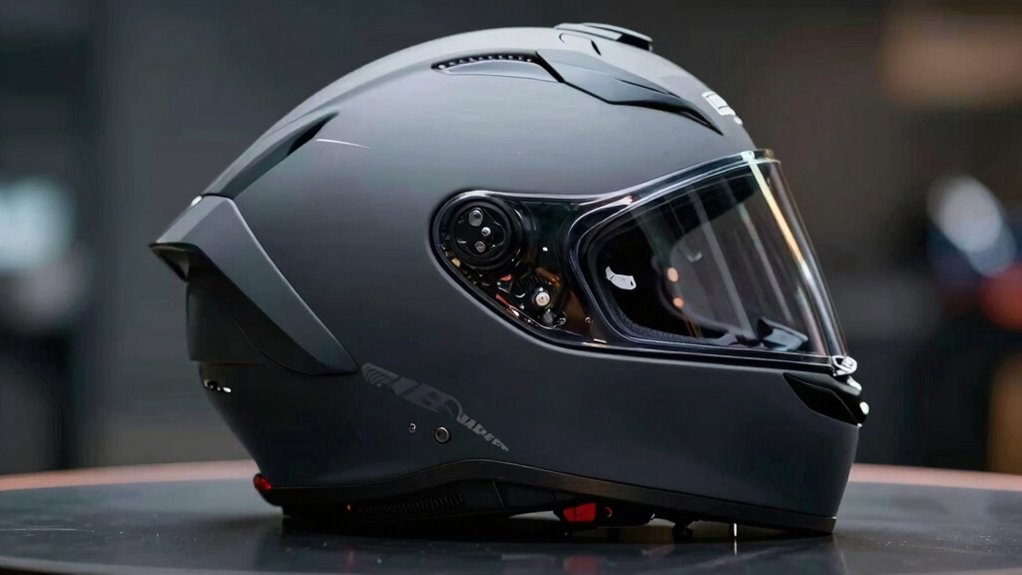
MIPS technology is designed to protect your brain by reducing rotational forces during impacts, which are common in cycling accidents. It works by allowing your helmet’s inner layers to slide slightly upon impact, absorbing more energy and lowering the risk of concussions. This innovative feature is now included in many helmets, making safety more accessible. To learn how MIPS can enhance your protection and what makes it innovative, keep exploring the details.
Key Takeaways
- MIPS is designed to reduce rotational forces during impacts, minimizing brain injury risks.
- It allows helmets to better absorb and dissipate crash energy for enhanced protection.
- MIPS technology helps prevent concussions by redirecting rotational motion away from the brain.
- It promotes safer helmet designs that maintain lightweight, aerodynamic performance.
- MIPS enhances customization and fit, ensuring helmets stay secure during impacts.
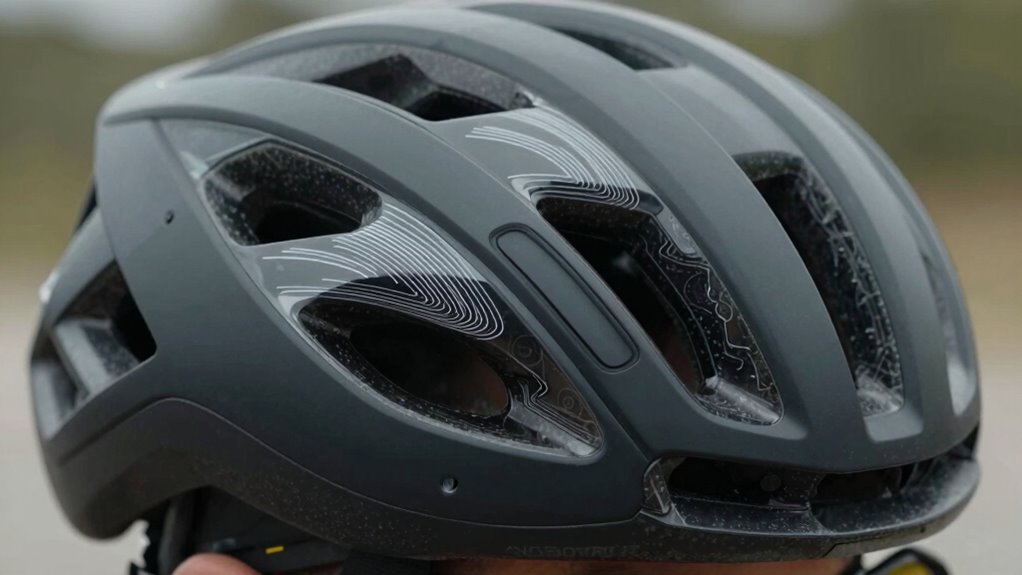
Modern helmet technology is continually evolving to better protect riders, and one of the most innovative features is MIPS—Multi-directional Impact Protection System. If you’re serious about cycling safety, understanding how MIPS influences the sport and your helmet options can make a significant difference. In professional cycling, MIPS has gained substantial impact by reducing rotational forces during crashes, which are often responsible for concussions and more severe brain injuries. Athletes at the highest levels now rely on helmets equipped with MIPS to minimize injury risk without sacrificing comfort or performance. The technology’s influence extends beyond just pros; it’s prompting manufacturers to incorporate MIPS into a wider range of helmets, making advanced safety features more accessible to everyday riders. Additionally, the integration of helmet safety features like MIPS encourages a culture of precaution and innovation within the cycling community.
When it comes to impact on professional cycling, MIPS has become almost a standard feature in high-end helmets. Riders in races like the Tour de France or World Championships trust MIPS-equipped helmets to provide an extra layer of protection while maintaining lightweight design and aerodynamics. Teams recognize that even small safety improvements can have a big impact on performance and recovery. The reduced rotational forces mean fewer concussions and less traumatic brain injury, which is *vital* during intense, fast-paced races where crashes are sometimes unavoidable. This technology helps protect athletes’ careers and well-being, giving them confidence to push their limits with less fear of severe injury.
Beyond professional use, MIPS also influences helmet customization options for everyday cyclists. Many brands now offer helmets with customizable fit systems, allowing you to adjust padding, straps, and internal liners to suit your head shape perfectly. Some helmets with MIPS feature modular designs, so you can swap out components or add accessories like visors or vents, tailoring both safety and comfort to your preferences. This customization *guarantees* the helmet stays secure during rides, providing better impact absorption and rotational force management. It also encourages a broader demographic to choose helmets, knowing they can find options that fit well and match their style while offering enhanced protection.
Frequently Asked Questions
How Does MIPS Technology Affect Helmet Weight and Comfort?
MIPS technology slightly adds to your helmet’s weight, but it’s designed to minimize this impact for comfort. It often uses lightweight, durable materials that maintain helmet ventilation and guarantee durability. You might notice a small increase in weight, but it doesn’t compromise ventilation or comfort. Overall, MIPS aims to protect your head without sacrificing the helmet’s breathability or durability, making your ride safer and more comfortable.
Can MIPS and Helmet Tech Prevent All Head Injuries?
Can MIPS and helmet tech prevent all head injuries? Sadly, no. They’re like shields in a battle—powerful for injury prevention and risk mitigation, but not invincible. These innovations markedly reduce the severity of impacts, protecting your brain better than traditional helmets. However, no helmet can eliminate every risk. Always ride safely, wear your gear properly, and remember, tech is an essential line of defense, not a guarantee.
Are MIPS Helmets Suitable for All Cycling Disciplines?
MIPS helmets aren’t suitable for all cycling disciplines because their helmet aesthetic and design may not match every sport’s requirements. For example, mountain biking helmets often prioritize durability and ventilation over sleekness, while road helmets focus on aerodynamics. Additionally, MIPS helmets can have higher cost implications, which might not be justified for casual riders or specific disciplines. You should choose a helmet that aligns with your cycling activity and comfort preferences.
How Long Does MIPS Helmet Technology Typically Last?
MIPS helmet technology typically lasts about five years, but this depends on helmet longevity and how well you maintain it. Regularly check for cracks, dents, or foam deterioration, and replace your helmet if any damage appears. To maximize lifespan, store your helmet in a cool, dry place, avoid dropping it, and clean it gently with mild soap and water. Proper maintenance guarantees your helmet continues to offer protection.
Is MIPS Technology Compatible With Other Safety Features?
Yes, MIPS technology is compatible with other safety features, enhancing your helmet’s overall protection. When choosing a helmet, guarantee it fits well to maximize user experience and safety. MIPS integrates seamlessly without compromising helmet fit, allowing you to enjoy a secure, comfortable ride. This compatibility means you get layered protection, combining MIPS with other safety tech for better impact absorption and peace of mind during your activities.
Conclusion
So, when you choose a helmet with MIPS or advanced tech, you’re not just protecting your head — you’re practically arming yourself with a fortress of safety. It’s like having an invisible force field that defies all odds, ensuring every tumble is just a minor bump in your epic adventure. With these innovations, you’ll ride with confidence, knowing your helmet’s tech is so advanced, it’s almost like having a personal bodyguard for your brain.