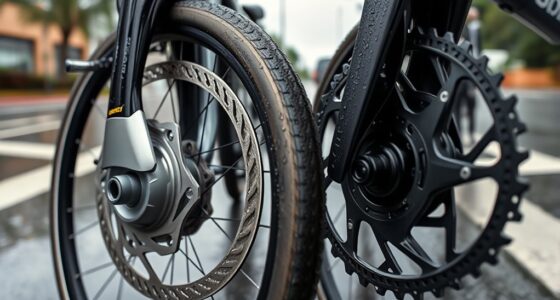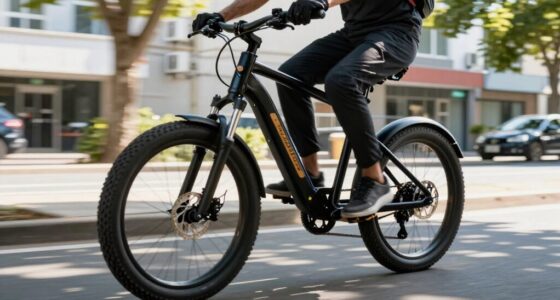
Torque sensors feel more natural on daily rides because they detect how hard you pedal and adjust power assistance accordingly. This creates a smooth, intuitive experience that mimics the feel of traditional cycling. You’ll notice fewer jolts or delays, making your ride more comfortable and seamless. As a result, you’ll enjoy effortless control and a more ride-like sensation. Keep exploring to discover even more ways these sensors enhance your riding experience.

Get sports gear delivered free — and shop member deals
- Fast, free delivery on millions of items
- Access to Prime Big Deal Days deals on October 6–7
- Prime Video, Amazon Music and more included
Key Takeaways
- Torque sensors deliver proportional power, matching rider effort for a smoother, more intuitive riding experience.
- They provide gradual assistance, avoiding abrupt changes common with other e-bike systems.
- The sensors anticipate rider input, ensuring seamless and responsive power delivery.
- By mimicking traditional cycling feel, torque sensors create a more familiar and comfortable ride.
- Consistent sensor accuracy maintains natural assistance, enhancing overall riding enjoyment.
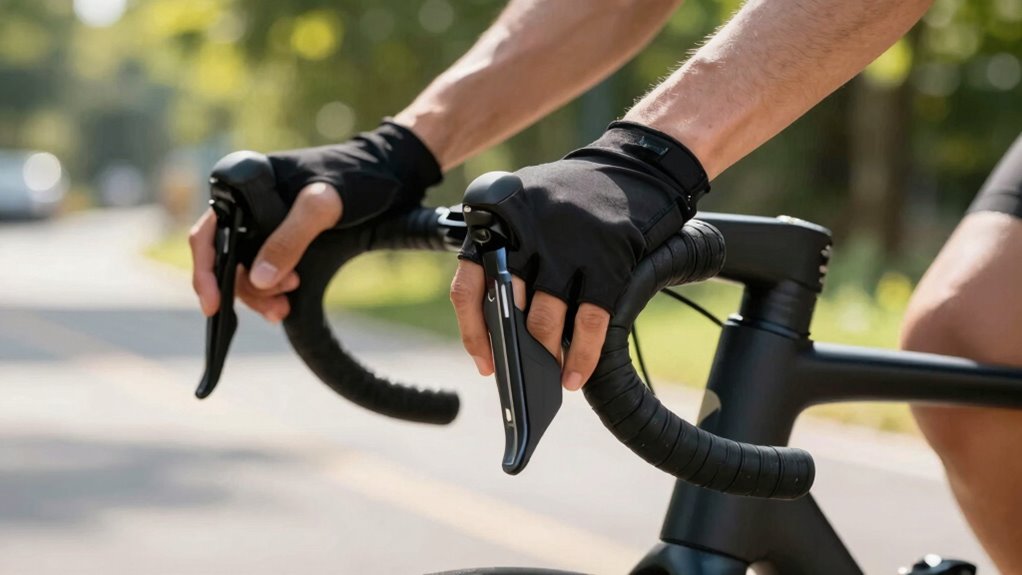
Have you ever wondered how your e-bike or electric scooter knows exactly how much power you’re applying? It’s all thanks to the torque sensor, which detects how hard you’re pedaling or pressing the throttle. Unlike cadence sensors that measure just pedal rotation, torque sensors gauge the force you put into each pedal stroke, making your ride feel more natural and responsive. When you ride daily, this responsiveness becomes especially noticeable because the sensor adjusts power output smoothly, mimicking the feel of traditional cycling. It’s as if the bike anticipates your effort, providing just the right amount of assistance without overdoing it. This seamless interaction enhances your riding experience, making every trip feel effortless.
One of the biggest advantages of torque sensors is their impact on battery efficiency, because they respond precisely to your input, helping to optimize power usage. When you’re climbing a hill or accelerating, the sensor detects increased effort and supplies more assistance. On flat terrain or when you’re cruising, it reduces power, conserving your battery life. This intelligent regulation extends the range of your e-bike, meaning you can ride longer on a single charge. Additionally, the sensor’s accuracy plays a crucial role in maintaining consistent performance over time, which contributes to a more satisfying riding experience. Over time, maintaining this high level of efficiency requires some basic maintenance tips—like ensuring your sensor is clean and free of dirt or debris that could interfere with its readings. Regularly checking your battery’s health and keeping connections tight also keeps the system running smoothly, preventing unnecessary power drain and ensuring consistent responsiveness.
Another reason torque sensors feel so natural on daily rides is because they eliminate the abrupt jolts or delays often felt with other assistance systems. Instead, the power delivery is gradual and proportional to your effort, creating a smooth, intuitive experience. This natural feel encourages you to ride more often and enjoy the ride, whether you’re commuting or just out for exercise. Since torque sensors are designed to work harmoniously with your pedaling rhythm, they require less adjustment and tuning over time, which means less maintenance and worry. Keeping the sensor and battery system in good shape—by regularly inspecting connections, updating firmware if applicable, and storing your bike in a dry place—can help sustain this seamless performance. In the end, the combination of precise torque detection and proper maintenance tips results in a riding experience that feels more like traditional cycling, only powered by modern technology.
As an affiliate, we earn on qualifying purchases.
Frequently Asked Questions
Do Torque Sensors Require Regular Calibration?
Torque sensors generally don’t require frequent calibration because of their sensor durability. However, it’s a good idea to check them periodically to guarantee peak performance. Calibration frequency depends on how often you ride and the conditions you encounter. If you notice inconsistent readings or performance issues, it’s time for recalibration. Regular maintenance helps keep your torque sensor accurate and your riding experience smooth and natural.
How Long Do Torque Sensors Typically Last?
Torque sensors typically last around 5 to 10 years, depending on sensor durability and usage conditions. Regular calibration isn’t always necessary but can help maintain accuracy over time. The sensor’s longevity depends on factors like riding frequency, environmental exposure, and maintenance. Keep an eye on performance, and if you notice inconsistencies, consider recalibrating or replacing the sensor to guarantee peak riding experience.
Are Torque Sensors Compatible With All Bike Types?
While torque sensors are versatile, they aren’t universal for all bikes. Sensor placement can sometimes pose compatibility issues, especially with unconventional frame designs or certain mounting points. You might find that some bike types, like vintage or highly specialized models, need custom solutions. It’s wise to check your bike’s specifications carefully and consult with experts to guarantee seamless integration, avoiding potential compatibility hiccups.
Do Torque Sensors Add Significant Weight to the Bike?
Torque sensors don’t add much weight to your bike because their sensor placement is typically compact and lightweight. You might notice a slight increase, but it’s minimal and doesn’t affect performance. They also use low power, so power consumption isn’t a concern. Overall, the added weight is negligible, making torque sensors a convenient upgrade for a more natural riding experience without compromising your bike’s agility.
Can Torque Sensors Be Used in Both Mountain and Road Bikes?
Yes, torque sensors can be used in both mountain and road bikes. They are typically placed in the crank or bottom bracket area, allowing accurate measurement of your pedaling force. Because of their efficient sensor placement, they don’t considerably increase power consumption, making them practical for various bike types. This versatility ensures you get consistent, natural-feeling assistance whether you’re climbing trails or cruising on pavement.
Conclusion
Riding with torque sensors feels like gliding on a smooth, responsive current—they seamlessly connect your effort with the bike’s performance. As you pedal, you’re not just moving forward; you’re dancing with the bike, each twist and turn guided by intuitive feedback. This natural harmony transforms your daily ride into a fluid experience, where technology becomes an invisible partner, enhancing your journey without distraction. Embrace torque sensors, and let your ride flow like a well-conducted symphony.
Fall Picks
fall essentials
As an affiliate, we earn on qualifying purchases.