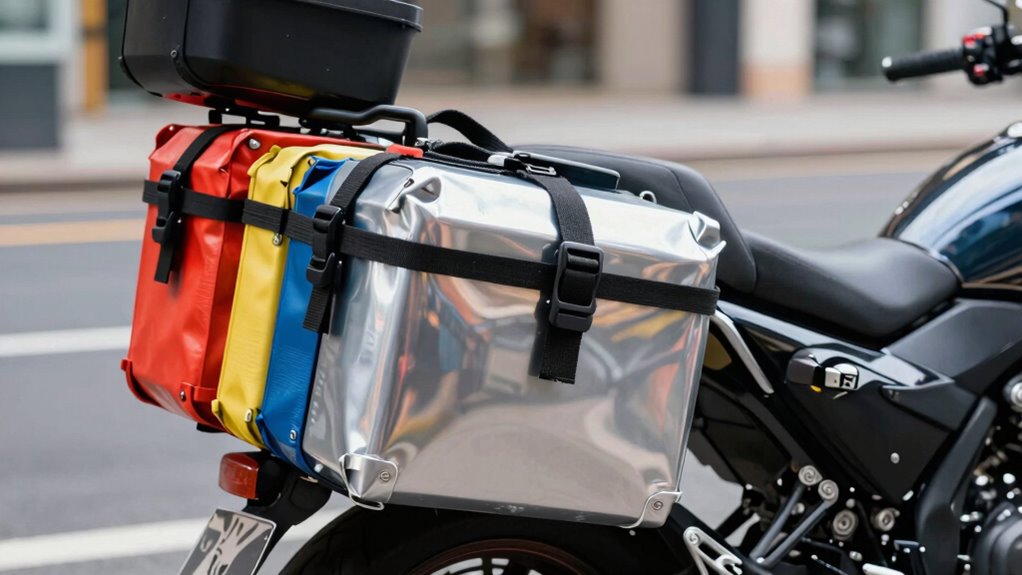
Before adding more cargo to your bike, make sure you understand its weight limits and how extra load affects handling and braking. Secure your items properly using straps or nets, and distribute weight evenly, placing heavier objects low and close to your center. Adjust your riding style to stay safe, especially during turns and stops. By managing these factors, you’ll ride more confidently and safely. Continue to explore key tips to keep your cargo secure and your ride smooth.
Open a free Amazon Business account
Business pricing, bulk buying and tax-exempt orders.
As an affiliate, we earn on qualifying purchases.
Key Takeaways
- Know your bike’s maximum cargo weight limit to prevent overloading and maintain safety.
- Properly secure all cargo using straps or nets to prevent shifting or falling during transit.
- Distribute weight evenly, placing heavier items low and close to the center for better balance.
- Adjust riding style, such as taking turns gently and leaving extra space for braking.
- Test your setup in a safe area to assess handling changes before riding in traffic or challenging terrain.
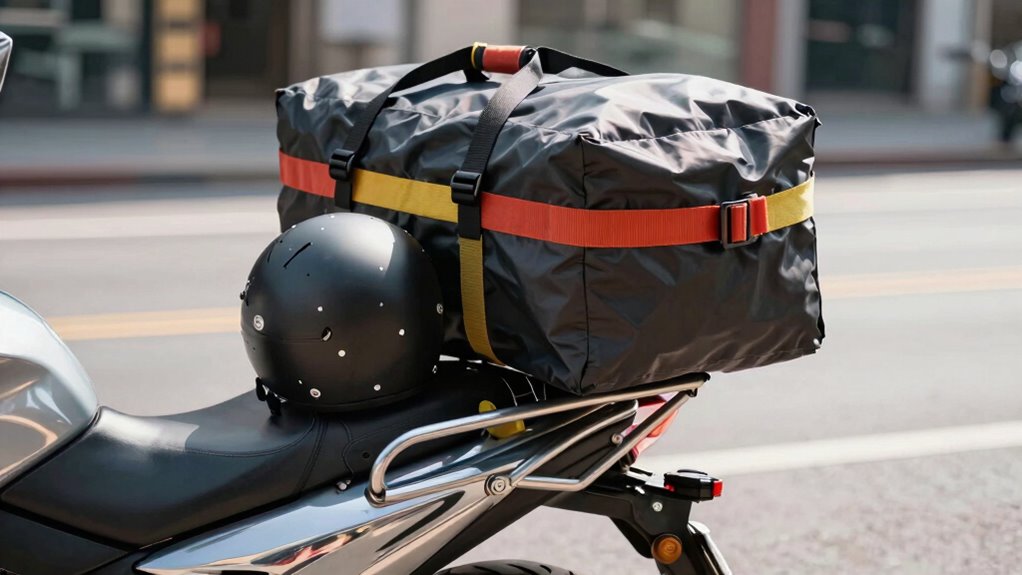
Adding cargo capacity to your rider can markedly enhance its versatility and usefulness, especially on longer trips or when carrying bulky items. However, before you start adding racks, bags, or other storage solutions, it’s essential to understand the importance of respecting cargo weight limits. Properly securing your cargo prevents shifting that could destabilize your rider or cause accidents. Use appropriate straps, bungee cords, or cargo nets that are designed to hold items firmly in place. When securing items, distribute weight evenly to maintain balance and stability. For example, heavier items should be positioned low and close to the center of the rider to prevent it from tipping or becoming difficult to control. Always double-check your securement before heading out to guarantee nothing is loose or likely to fall off during transit. Loose cargo can be dangerous not only to you but also to other road users. Additionally, consider how added cargo affects your rider’s handling and braking. Even if your cargo stays within weight limits, extra weight can influence the rider’s maneuverability and stopping distance. Adjust your riding style accordingly—take turns more gently and allow extra space for braking. Test your rider with the new load in a safe area before heading into traffic or challenging terrain. This helps you get a feel for how the added weight impacts your riding and allows you to make necessary adjustments. Proper understanding of cargo capacity is crucial for safe and sustainable riding practices. Being aware of weight distribution is equally important to prevent imbalance issues during rides, especially when considering how proper securement can mitigate potential hazards. Additionally, familiarizing yourself with safety guidelines can further enhance your confidence and safety when carrying extra cargo.
As an affiliate, we earn on qualifying purchases.
Frequently Asked Questions
How Does Increased Cargo Affect Motorcycle Handling?
Adding more cargo can make your motorcycle handling feel less responsive and more unstable. You need to take into account cargo weight distribution carefully, ensuring weight is balanced to avoid affecting steering and braking. Rider safety considerations include being mindful of increased load on suspension and tires, which can impact control. Always test ride after adding cargo, and adjust your riding style accordingly to maintain safety and ideal handling.
What Are the Legal Weight Limits for Cargo?
Coincidences often remind you that legal regulations dictate safe riding. Generally, the maximum cargo weight for motorcycles ranges from 50 to 150 pounds, depending on your bike’s make and model. Always check your motorcycle’s specific weight limits in the owner’s manual or local laws. Overloading can lead to fines or unsafe handling, so adhering to these legal limits guarantees your safety and compliance on every ride.
How Can I Prevent Cargo From Shifting During Rides?
To prevent cargo from shifting during rides, focus on cargo security by using straps, bannisters, or nets to tightly secure your items. Proper weight distribution is essential; place heavier items lower and centered to maintain bike balance. Regularly check and tighten straps during your ride, and avoid overloading. These steps help keep your cargo stable, ensuring safety, comfort, and a smoother ride for you and your passengers.
What Types of Cargo Storage Options Are Most Secure?
For the most secure cargo storage options, opt for lockable storage solutions like saddlebags or top boxes made from sturdy materials. These offer superior cargo security by preventing theft and protecting your gear from the elements. You should also consider adding straps or bungee cords inside your storage to keep items firmly in place. Combining lockable storage with effective strapping guarantees your cargo stays secure during your ride.
Does Adding Cargo Void Motorcycle Warranty?
Adding cargo can affect your motorcycle’s warranty, especially if it leads to damage or exceeds cargo restrictions. Warranty implications vary by manufacturer, so check your manual or contact your dealer. Generally, if you install accessories properly and stay within weight limits, your warranty remains intact. However, improper modifications or overloading could void coverage. Always make certain your cargo setup complies with your motorcycle’s guidelines to avoid potential warranty issues.
Conclusion
Before adding more cargo capacity, remember the saying, “A little caution keeps a lot of trouble at bay.” Make sure your bike can handle the extra weight, and always distribute your load evenly for safety. Overloading can compromise control and cause damage. By planning carefully, you’ll enjoy your rides more and avoid unnecessary mishaps. Keep safety in mind, and you’ll find that adding cargo can make your adventures even better—just don’t forget to ride responsibly.
Flea & tick season Picks
flea and tick prevention
As an affiliate, we earn on qualifying purchases.