To improve braking without slowing down, focus on smooth, gradual pressure on the brake pedal, avoiding abrupt stops. Anticipate traffic flow and brake early to reduce the need for harsh braking. Keep your tires properly inflated and with good tread for maximum grip, especially in changing weather. Regular brake maintenance guarantees reliable performance. With consistent practice, you’ll develop better control and more effective braking techniques—continue to discover even more tips for safer, smoother stops.

Get sports gear delivered free with Prime
- Fast, free delivery on millions of items
- Prime Video, Amazon Music and more included
- Member-only deals all year
Key Takeaways
- Practice smooth, progressive braking to enhance control without needing to reduce speed.
- Maintain proper tire inflation and tread for optimal grip and shorter stopping distances.
- Anticipate stops early to brake gradually rather than abruptly.
- Adjust braking techniques based on road and weather conditions for consistent safety.
- Regularly service and check brakes to ensure maximum braking efficiency.
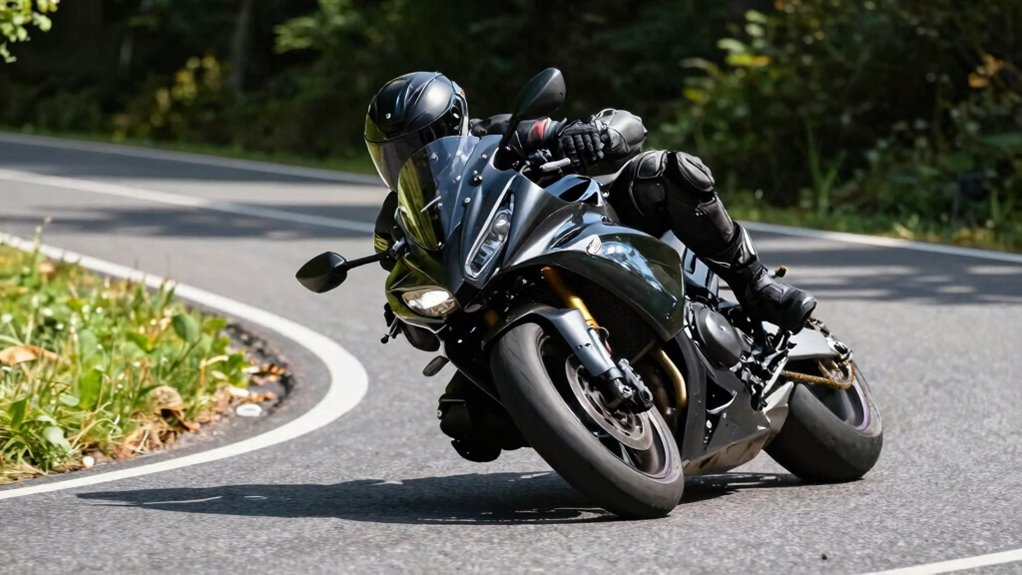
Improving your braking skills is vital for safer driving and better vehicle control. When you master brake modulation, you gain smoother, more controlled stops that reduce wear on your brakes and tires. Brake modulation involves applying just enough pressure on the brake pedal to slow down or stop without causing abrupt deceleration or skidding. To do this effectively, you need to develop a feel for your vehicle’s response, which comes with practice. Instead of stomping on the brake pedal, focus on gentle, progressive pressure, especially as you approach a stop. This technique allows you to maintain better control and minimizes the risk of losing tire grip, which can happen if you brake too hard at high speeds or on slippery surfaces. Developing a good sense of vehicle response is essential for effective braking. Tire grip plays a vital role in your ability to brake efficiently. The more traction your tires have with the road, the more effective your braking will be. To optimize tire grip, ensure your tires are properly inflated and have adequate tread depth. Under-inflated or worn tires can greatly reduce your stopping power and increase the chances of skidding. When approaching a stop, try to brake in a straight line, avoiding sudden steering inputs that can cause your tires to lose grip. During braking, keep your steering steady and avoid abrupt movements, as these can reduce tire contact with the road and compromise your control. Smooth, controlled braking not only preserves tire grip but also helps you maintain better overall vehicle stability. Another way to enhance your braking without riding slower is to anticipate stops earlier. By keeping a safe following distance and paying close attention to traffic flow, you can begin braking earlier and more gradually. This allows for safer braking techniques that reduce stress and risk. Additionally, understanding the importance of proper brake maintenance can greatly improve your braking performance. Regularly checking and servicing your brakes ensures optimal braking efficiency, which is crucial for safety. Staying aware of road conditions can also help you adjust your braking approach accordingly, especially in adverse weather. As you brake, focus on maintaining a firm but gentle pressure, avoiding the temptation to over-apply. This not only improves brake modulation but also helps you conserve brake components and tires. Remember, the key to better braking isn’t about reducing your speed unnecessarily but about applying the right amount of force at the right moment. With consistent practice, you’ll develop an intuitive sense of how much pressure to apply, resulting in safer, more confident stops without having to ride slower.
Products Worth Considering

GoPro Fluid Pro AI 3-Axis Gimbal Stabilizer with AI Tracking and Fill Light

Garmin GLO 2 GPS Receiver with Vehicle Power and USB Cables

GoPro HERO12 Black Waterproof Action Camera with 5.3K60 Video and 27MP Photos
As an affiliate, we earn on qualifying purchases.
Frequently Asked Questions
Can Upgrading My Bike’s Brake Components Improve Stopping Power?
Yes, upgrading your bike’s brake components can boost stopping power. You should consider brake fluid upgrades, which improve hydraulic responsiveness and reduce fade under heavy use. Additionally, upgrading to better rotor design can enhance heat dissipation and increase braking efficiency. Together, these upgrades make your braking system more effective, giving you greater control and confidence without needing to slow down.
How Does Tire Pressure Affect Braking Performance?
They say, “A chain is only as strong as its weakest link,” and the same applies to your brakes. Proper tire pressure directly impacts tire grip, which is vital for braking performance. Too low, and your tires squish, reducing grip; too high, and you risk a harsh ride. Pressure optimization guarantees maximum contact with the road, providing better traction, control, and shorter stopping distances. Keep your tires dialed in for safer, more effective braking.
Are There Specific Brake Pad Materials That Enhance Braking?
Yes, certain brake pad materials enhance braking performance. For example, ceramic pads offer excellent brake pad compatibility with various rotors, providing consistent braking and reducing noise. Organic pads are gentler and ideal for lighter bikes, while metallic or semi-metallic pads deliver superior durability and stopping power, especially in demanding conditions. Choose pads suited to your riding style and bike, prioritizing material durability to guarantee reliable braking over time.
What Role Does Weight Distribution Play in Effective Braking?
Weight distribution plays a vital role in effective braking by influencing how your bike handles deceleration. Maintaining proper weight balance guarantees the center of mass stays centered, providing better control and preventing skidding. When your weight is evenly distributed, your brakes work more efficiently, allowing you to slow down safely without sacrificing speed. Adjusting your riding posture and bike setup helps optimize weight distribution, improving overall braking performance.
How Can Rider Technique Influence Braking Efficiency?
Your rider technique can make a difference as dramatic as a lightning bolt in a storm. By maintaining proper rider posture, you guarantee better weight transfer and control, which boosts braking efficiency. Braking anticipation helps you respond quicker and apply just the right amount of pressure. Focus on smooth, progressive braking rather than sudden pulls, and you’ll stop faster and safer, even without reducing your speed.
Conclusion
So, next time you’re flying towards that obstacle, remember: slamming the brakes isn’t the only answer. Maybe, just maybe, you could try a little finesse—less panic, more control. Because nothing screams “professional driver” like screeching to a halt at the last second, terrifying everyone around you. So go ahead, impress your friends with your newfound braking skills—without turning every ride into a heart-stopping roller coaster. Who knew safety could be so stylish?