The zero-drama way to pair sensors to your bike computer is simple: turn on the sensors and bike computer, then enable Bluetooth or ANT+ mode. Usually, your computer detects sensors automatically, so make sure they’re close and properly calibrated. If needed, add sensors manually via the device menu. Keep sensors within range, check connections regularly, and stay updated with firmware to avoid interruptions. Want to master seamless sensor syncing? Keep exploring for more tips.

Get sports gear delivered free — and shop member deals
- Fast, free delivery on millions of items
- Access to Prime Big Deal Days deals on October 6–7
- Prime Video, Amazon Music and more included
Key Takeaways
- Power on sensors and bike computer, ensuring they are within close range for quick detection.
- Activate automatic sensor detection on your bike computer to simplify pairing without manual setup.
- Confirm sensor connection via indicators or icons on your device for seamless, zero-drama pairing.
- Keep sensors within range and update firmware regularly to prevent connection issues during rides.
- Perform sensor calibration as needed beforehand to ensure accurate, reliable data collection with minimal hassle.
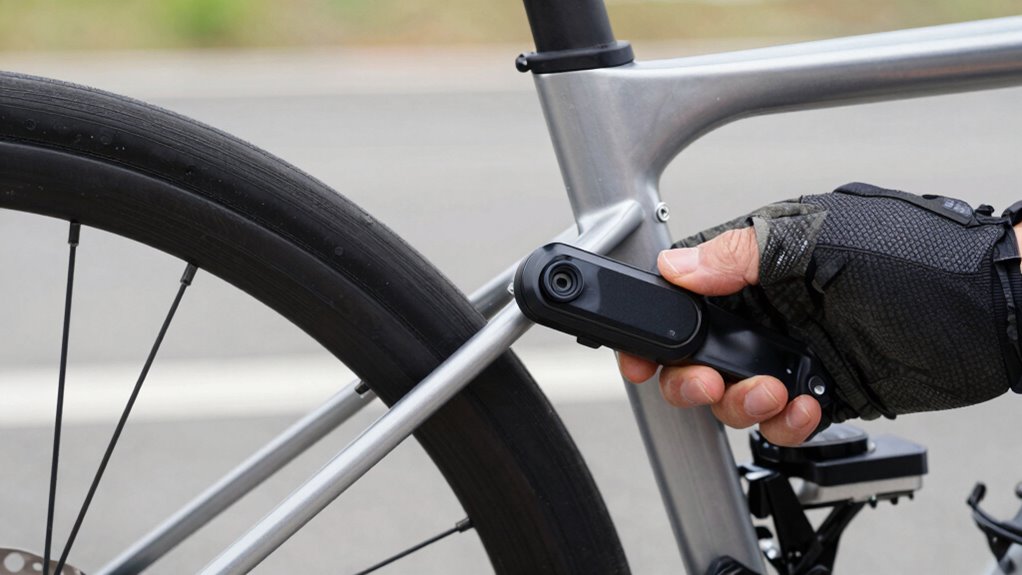
Pairing sensors with your bike computer is a straightforward process that can considerably enhance your riding experience. When you set out to connect your sensors, the first step is ensuring proper sensor calibration. Calibration is essential because it guarantees that your device reads data accurately, which directly impacts your training and performance analysis. Most sensors, such as heart rate monitors or power meters, come with instructions for calibration. Typically, it involves a simple process of riding for a few minutes or performing specific movements, allowing the sensors to adjust to your body or bike setup. Taking the time to calibrate your sensors correctly ensures the data you collect is precise, avoiding inaccuracies that could mislead your training insights. Additionally, understanding the contrast ratio of your sensors can help you interpret the data more effectively, especially in varying lighting conditions.
Once you’ve calibrated your sensors, the next step is data synchronization. This process involves syncing your sensors to your bike computer via Bluetooth or ANT+, depending on the technology used. To do this smoothly, make sure both devices are powered on and within close range. Many bike computers automatically detect compatible sensors when they’re turned on, prompting you to confirm the pairing. If necessary, you can manually add sensors through your device’s menu, selecting the sensor type and ensuring the connection is stable. Data synchronization isn’t just a one-time setup; it’s an ongoing process where your bike computer continuously receives real-time data from your sensors during rides. This real-time data collection is what transforms your cycling into a detailed and insightful experience, showing metrics like speed, cadence, heart rate, and power output.
During your ride, it’s important to keep an eye on the connection status to prevent data dropouts. Many bike computers display sensor connection icons or status indicators, so if you notice any interruptions, you can troubleshoot immediately. Often, issues stem from interference, low battery levels, or sensors being out of range. Regularly checking and updating your sensor firmware and ensuring your sensors are within close proximity to your bike computer helps maintain a seamless data sync. Remember, a smooth data sync process means you get reliable metrics and can focus on riding rather than troubleshooting.
bike sensor Bluetooth ANT+ adapter
As an affiliate, we earn on qualifying purchases.
As an affiliate, we earn on qualifying purchases.
Frequently Asked Questions
Can I Pair Multiple Sensors to One Bike Computer?
Yes, you can pair multiple sensors to one bike computer. To do this, guarantee proper sensor placement for accurate readings and follow device instructions for pairing each sensor. If you encounter connection troubleshooting issues, try resetting the sensors and computer, then re-pairing them. Keep each sensor’s signal unique if needed, and double-check that your bike computer supports multiple sensors to avoid compatibility problems.
What Should I Do if Sensors Won’T Connect?
If sensors won’t connect, start by checking sensor alignment to make certain they’re properly positioned. Then, troubleshoot interference by removing any nearby electronic devices or metal objects that could disrupt signals. Make sure your bike computer is in pairing mode and close to the sensors. If issues persist, reset the sensors or restart your computer, then try pairing again. These steps often resolve connection problems smoothly.
Are There Compatibility Issues With Certain Bike Models?
You might wonder if certain bike models have sensor compatibility issues. Generally, most sensors work with a wide range of bikes, but compatibility can vary. It’s wise to check if your bike’s firmware is up to date, as updates often improve sensor recognition. Some older or specialized bikes may require specific sensors or firmware versions. Always verify sensor compatibility and keep your firmware current to guarantee seamless pairing.
How Often Should I Replace Sensor Batteries?
You should replace sensor batteries every 6 to 12 months, depending on usage and sensor lifespan. Keep an eye on battery indicators; when they start flashing or fade, it’s time for a replacement. Regularly checking these indicators helps prevent sensor interruptions during rides. To guarantee accurate data, change batteries proactively rather than waiting for complete failure, especially if you ride frequently or rely heavily on your bike computer.
Can I Update the Firmware of My Sensors?
Yes, you can update your sensors’ firmware, but first, check their compatibility with your bike computer. Firmware updates often improve sensor performance and fix bugs, so it’s a good idea to keep them current. To do this, connect your sensors to the manufacturer’s app or website, follow their instructions, and confirm your sensors are compatible with the latest firmware updates. This keeps your setup running smoothly and accurately.
Conclusion
Now that you know how easy it is to pair sensors without drama, your rides become simpler and more enjoyable. Imagine hitting the trail, your heart rate monitor and speed sensor already connected, so you focus on the ride instead of tech hassles. Like Sarah, who effortlessly paired her sensors before a weekend ride, you’ll experience smooth setup and more time to enjoy the ride. Embrace the zero-drama approach and ride with confidence every time.
NFL season / tailgating Picks
team gear
As an affiliate, we earn on qualifying purchases.