TL;DR
Sports and recreation backpacks are designed to match specific activities, offering features like water resistance, multiple compartments, and ergonomic fit. Recent trends focus on lightweight, eco-friendly materials, and smart tech, helping you stay comfortable and prepared on the go.
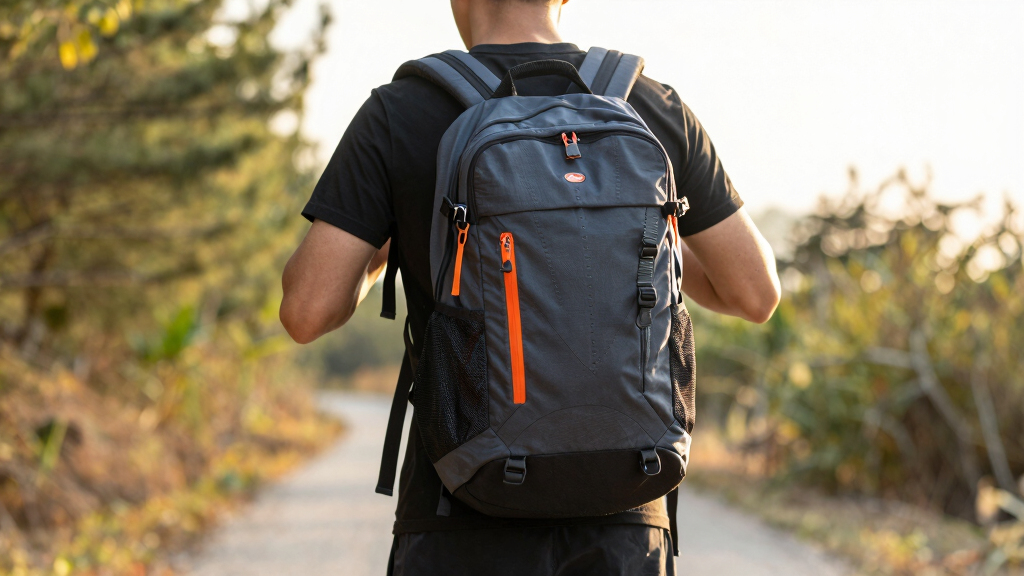
Imagine hitting the trail, your backpack bouncing with each step, filled with gear tailored for the day’s adventure. Or cycling through city streets, your pack snug against your back, holding your water, snacks, and essentials. The right sports backpack isn’t just a bag — it’s your partner in movement, built for action and ready for anything.
In this guide, you’ll learn what makes a sports or recreation backpack stand out, the latest innovations shaping the market, and how to pick one that fits your activity and style. Whether you’re climbing mountains or running errands, understanding these details helps you stay comfortable, organized, and prepared.
Match your backpack features to your activity — hiking, cycling, gym, or team sports.
Look for durability, water resistance, and comfort features like padded straps and ventilation.
Latest trends include eco-friendly fabrics, smart tech, and modular designs for customization.
Proper fit and adjustable straps are key to avoiding discomfort or injury during use.
Regular cleaning and maintenance extend your backpack’s lifespan and performance.
How to Pick a Sports Backpack That Won’t Let You Down
Choosing the right sports backpack starts with knowing what your activity demands. For example, a hiker needs a pack with sturdy straps and water resistance, while a cyclist benefits from a lightweight design with hydration features. Think about what you carry daily — shoes, electronics, snacks — and how often you’ll use it.
Look for adjustable straps and padded back panels for comfort. Material matters, too: Water-resistant fabrics keep gear dry in sudden storms, and abrasion-resistant surfaces prevent tears during intense use. Consider your typical pack size — from compact 15-liter daypacks to 50-liter multi-day options.
Understanding these factors helps you avoid common pitfalls, like choosing a pack that’s too small to hold your gear or one that’s overly heavy and cumbersome. The right balance of weight, capacity, and features ensures your backpack enhances your activity rather than hindering it.

WoneNice 50L(45+5) Waterproof Hiking Backpack – Outdoor Sport Daypack with Rain Cover
- High Capacity: 50L with multiple compartments
- Durable Material: Water-resistant, tear-resistant polyester and nylon
- Adjustable Fit: Chest and waist belts for a customizable fit
As an affiliate, we earn on qualifying purchases.
As an affiliate, we earn on qualifying purchases.
The Top Features That Make a Sports Backpack Stand Out
| Feature | Why It Matters |
|---|---|
| Multiple Compartments | Having various pockets and sections isn’t just about organization—it reduces clutter, making it easier to access gear quickly. For example, separating shoes from electronics prevents dirt and moisture from damaging sensitive items, which can extend the lifespan of your gear and improve your overall experience. |
| Water Resistance | Protects your belongings from unexpected weather changes, which is crucial if you’re outdoors for extended periods. A water-resistant pack can prevent soggy electronics or damp clothes, reducing discomfort and potential damage. The tradeoff is often increased weight or cost, so balancing water resistance with weight is key. |
| Ventilation | Enhanced airflow through breathable fabrics and mesh panels reduces sweating and odor buildup, especially during intense activities. This not only improves comfort but also helps prevent skin irritation or infections caused by prolonged moisture exposure. However, more ventilation might mean less protection from rain, so consider your environment. |
| Hydration Compatibility | Built-in or compatible with hydration bladders, this feature keeps you hydrated without interrupting your activity. It’s especially important for endurance sports, where quick access to water can improve performance and safety. The tradeoff is slightly increased weight and the need for maintenance of the hydration system. |
Imagine a backpack with a dedicated shoe compartment that keeps your sneakers separate from your clean clothes — no more stinky surprises at the end of the day. Such thoughtful features can significantly enhance your experience by reducing inconvenience and maintaining hygiene during active pursuits.
Latest Trends in Sports and Recreation Backpacks You Need to Know
Brands now focus on eco-friendly materials, using recycled fabrics that cut down on plastic waste. These materials often have comparable durability to traditional fabrics, but the real benefit lies in reducing environmental impact and aligning with sustainability values, which many consumers now prioritize. Smart features like USB charging ports or RFID-blocking pockets are becoming common, adding tech-savvy convenience to your gear. They enable you to stay connected and secure in a world increasingly dependent on digital devices.
Design-wise, minimalist and modular styles dominate, allowing you to customize and expand your pack as needed. Modular designs enable you to add or remove compartments based on the activity, which provides flexibility and reduces unnecessary weight. Ergonomic back panels and weight-distribution systems are also improving, making even heavy loads feel lighter. These advancements help prevent fatigue and injury, especially during long outings or commutes, by promoting proper posture and load balance.
For example, Osprey’s latest models incorporate recycled nylon and a ventilated back panel, making them both sustainable and comfortable for long hikes or daily commutes. Such innovations reflect a broader shift toward eco-conscious design without sacrificing performance or style.
How to Choose a Backpack That Fits Your Activity Perfectly
Picking a backpack isn’t just about size; it’s about fit and features. Here’s a quick step-by-step:
- Identify your main activity — hiking, cycling, gym, or team sports.
- Decide on capacity based on what you carry — from 10 liters for quick trips to 50 liters for multi-day adventures. Consider that overpacking can lead to discomfort or injury, so choose a size that matches your typical load.
- Check for activity-specific features — hydration ports, shoe compartments, reflective strips. These tailored features enhance safety, convenience, and performance, making your activity more enjoyable and less stressful.
Then, try it on. Adjust straps to achieve a snug fit, with the pack sitting comfortably against your back. Walk around a bit and see if it shifts or causes discomfort. A proper fit reduces strain on your shoulders and back, preventing long-term injuries and fatigue.
Maintaining and Cleaning Your Sports Backpack Without Damage
Keeping your backpack in top shape doesn’t require fancy cleaning. A quick wipe with a damp cloth and mild soap often does the trick. For tougher stains, spot clean with a soft brush. Always air dry — never toss it in a dryer — to prevent damage to waterproof coatings and fabrics. Proper drying preserves the integrity of water-resistant layers, ensuring your pack continues to protect your gear over time.
Check zippers and seams regularly, and repair small tears before they grow. Small tears can compromise water resistance and structural integrity, so addressing them early maintains the backpack’s durability. If your pack has a hydration bladder, rinse it thoroughly after each use to prevent mold, which can develop quickly in moist environments and cause unpleasant odors or health issues.
Frequently Asked Questions
How do I know what size backpack I need for my activity?
Consider what you typically carry — a hydration pack for cycling might be 10-20 liters, while a day hike might require 20-30 liters. Think about your gear and choose a size that fits comfortably without excess weight or bulk. Proper sizing ensures you won’t be overburdened, which can cause fatigue or injury, or under-equipped, which might leave you unprepared.
Are waterproof backpacks really necessary for outdoor sports?
If you often play or hike in unpredictable weather, waterproof or water-resistant packs protect your gear from rain and splashes. This can be a game-changer in maintaining your equipment’s integrity and your comfort. For dry conditions, lighter water-resistant fabrics are sufficient and reduce weight and cost, but always weigh the importance of protection against your environment and activity duration.
How can I tell if a backpack fits properly?
Try it on, adjust all straps, and ensure the pack sits snugly against your back without pinching or shifting. Walk around, lift your arms, and check comfort — a good fit reduces fatigue and risk of injury. Proper fit also helps distribute weight evenly, preventing muscle strain and long-term posture issues, especially during extended use.
What’s the best material for a durable sports backpack?
Look for nylon or polyester fabrics with water-resistant coatings and reinforced seams. Recycled or eco-friendly fabrics are increasingly available and often just as durable, according to recent market reviews. Choosing high-quality materials ensures longevity, resistance to wear and tear, and sustainability—important factors for active users who depend on their gear daily.
How do I keep my backpack clean after muddy outdoor adventures?
Remove loose dirt with a soft brush, then wipe with a damp cloth and mild soap. For stubborn mud, let it dry first, then brush off before spot cleaning. Always air dry thoroughly before storing. Proper cleaning maintains water resistance and prevents mold or odors, extending your backpack’s lifespan and ensuring it’s ready for your next adventure.
Conclusion
Your perfect sports or recreation backpack isn’t just about capacity — it’s about how well it adapts to your active lifestyle. Choose one with the features you need, keep it maintained, and it will serve your adventures for years.
Remember, a well-fitted, durable pack can make or break your outdoor experience. Gear up smart, move freely, and enjoy every step of your journey.