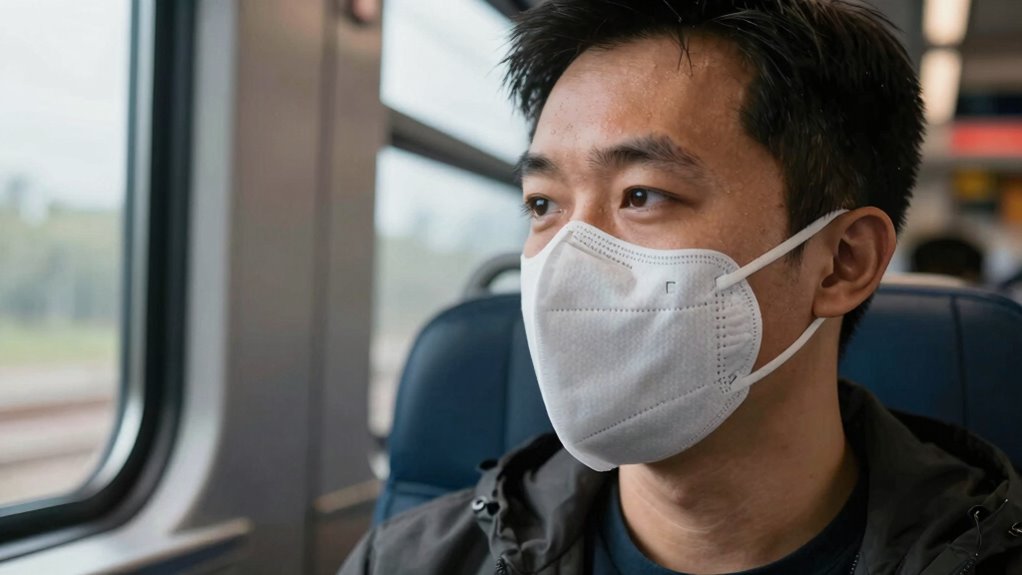

During allergy season, you can train smarter by monitoring pollen forecasts and adjusting your workout times to early mornings or late evenings when pollen levels are lower. Opt for indoor activities or gentler exercises and wear pollen-filtering masks outside. Keep your environment clean, close windows on high pollen days, and stay hydrated to ease symptoms. By paying attention to air quality and your body’s signals, you’ll stay active without aggravating allergies—more tips await to keep you moving smoothly.

Get sports gear delivered free — and shop member deals
- Fast, free delivery on millions of items
- Access to Prime Big Deal Days deals on October 6–7
- Prime Video, Amazon Music and more included
Key Takeaways
- Schedule outdoor workouts during low pollen times, such as early mornings or late evenings.
- Use indoor exercise options and keep windows closed on high pollen days.
- Wear pollen-filtering masks and maintain indoor cleanliness to reduce allergen exposure.
- Monitor air quality and pollen forecasts to choose safer outdoor activity periods.
- Adjust workout intensity and prioritize rest when allergy symptoms worsen.

Spring and early summer bring beautiful blooms, but they also bring allergy symptoms that can make training more challenging. When pollen counts are high, your usual workout routine might leave you feeling more exhausted or congested. To stay consistent and healthy during this season, you need to prioritize allergy management and consider making workout adjustments that suit your body’s needs. Managing allergies effectively can help you avoid flare-ups that could sideline you altogether, so it’s essential to stay informed about pollen levels and adjust your plans accordingly.
One of the first steps in allergy management is monitoring local pollen forecasts. On days when pollen counts are particularly high, you might want to shift your workout times to early mornings or late evenings, when pollen levels tend to be lower. If you notice your symptoms worsening even with timing adjustments, don’t hesitate to modify your activity intensity. Lowering the intensity of your workouts or switching to less strenuous activities like walking or gentle cycling can help you stay active without overexerting your respiratory system. It’s also wise to incorporate indoor workouts during peak pollen seasons, especially if your symptoms are severe. This way, you can maintain your fitness routine without exposing yourself to unnecessary allergens.
Adjust workout times and activities to reduce pollen exposure and keep your fitness routine on track.
Keeping your environment clean is another essential element of allergy management. Regularly dusting and vacuuming your home, washing bedding frequently, and keeping windows closed during high pollen days reduce indoor allergens. If you have outdoor exercise plans, consider wearing a mask designed for pollen filtration to minimize inhalation of allergens. Hydration also plays a key role in allergy management, as staying well-hydrated helps thin mucus and clears nasal passages more effectively, making breathing easier during workouts. Understanding the impact of biodiversity on allergen levels can help inform your outdoor activity choices, as diverse plant life can influence pollen production. Being aware of air quality levels can further help you determine the safest times for outdoor exercise, especially for those with severe allergies. Incorporating allergy-friendly plants into your environment may also help reduce pollen exposure indoors. It’s helpful to stay informed about pollution levels, as they can exacerbate allergy symptoms and affect respiratory health. Additionally, paying attention to seasonal changes in pollen types can help you anticipate which allergens are most prevalent at different times of the year.
Listening to your body is key. If you start noticing increased congestion, sneezing, or fatigue, it’s a sign to reevaluate your workout plans. Don’t push through severe allergy symptoms, as this can prolong recovery and worsen your condition. Instead, opt for rest or lighter activities until your symptoms improve. Over time, you’ll learn which adjustments work best for you, whether it’s timing, activity type, or indoor alternatives. Remember, the goal is consistency without risking your health, so being flexible and proactive with your workout adjustments ensures you stay active without aggravating allergies. By managing your allergies wisely and tailoring your workouts to seasonal conditions, you’ll be able to enjoy your fitness journey even during allergy season.
As an affiliate, we earn on qualifying purchases.
Frequently Asked Questions
Can Allergies Affect My Workout Performance?
Yes, allergies can definitely affect your workout performance. When air quality is poor or pollen levels are high, you might experience difficulty breathing, congestion, or fatigue. These symptoms can reduce your endurance and make exercise more challenging. To stay on top of it, check local pollen forecasts and air quality reports. Adjust your workouts accordingly, maybe opting for indoor activities during peak allergy times, to maintain your fitness goals effectively.
What Are Quick Relief Options for Allergy Symptoms During Exercise?
When allergy symptoms hit during exercise, you can quickly find relief with nasal sprays to reduce nasal congestion and breathe easier. Using an air purifier at home can also help lessen airborne allergens over time. During your workout, take breaks to manage symptoms and stay hydrated. These small steps help you stay comfortable and maintain your workout intensity, even during allergy season.
Should I Avoid Outdoor Training Entirely During Allergy Season?
Avoid outdoor training entirely during allergy season if your symptoms are severe, especially when pollen counts are high. If you choose to train outside, prepare with proper outdoor gear like sunglasses and masks to block pollen. Keep an eye on pollen counts and plan workouts during lower pollen times, such as early mornings or late evenings. Protect yourself proactively, and you can still enjoy outdoor exercise without worsening allergy symptoms.
How Does Weather Impact Allergy Symptoms While Training?
Weather considerably impacts your allergy symptoms during training. High pollen concentration on windy days can worsen your allergies, making breathing difficult. Humidity levels also play a role; high humidity traps pollen and mold spores, increasing irritation, while low humidity might dry out nasal passages. To minimize discomfort, check local pollen forecasts, avoid outdoor workouts during peak pollen times, and choose days with lower pollen counts and moderate humidity for safer exercise.
Are There Allergy-Friendly Supplements That Boost Workout Recovery?
Yes, allergy-friendly supplements can support your workout recovery. Look for nutritional support options that are free from common allergens like dairy or nuts. Immune boosters such as vitamin C, zinc, or echinacea may help reduce allergy symptoms and speed recovery. Always check labels carefully, and consider consulting a healthcare professional to guarantee these supplements fit your specific allergies and fitness goals.
Conclusion
As allergy season approaches, think of your training as tending a delicate garden. With the right care, adjustments, and awareness, you can shield your progress from sneezing setbacks and thrive even amid the pollen. Listen to your body like a vigilant gardener, and adapt your routine when needed. By training smarter, you turn a season of challenges into an opportunity to grow stronger, ensuring your fitness journey continues to blossom despite the clouds of allergy.
NFL season / tailgating Picks
team gear
As an affiliate, we earn on qualifying purchases.