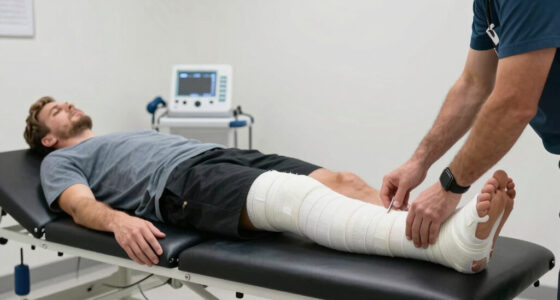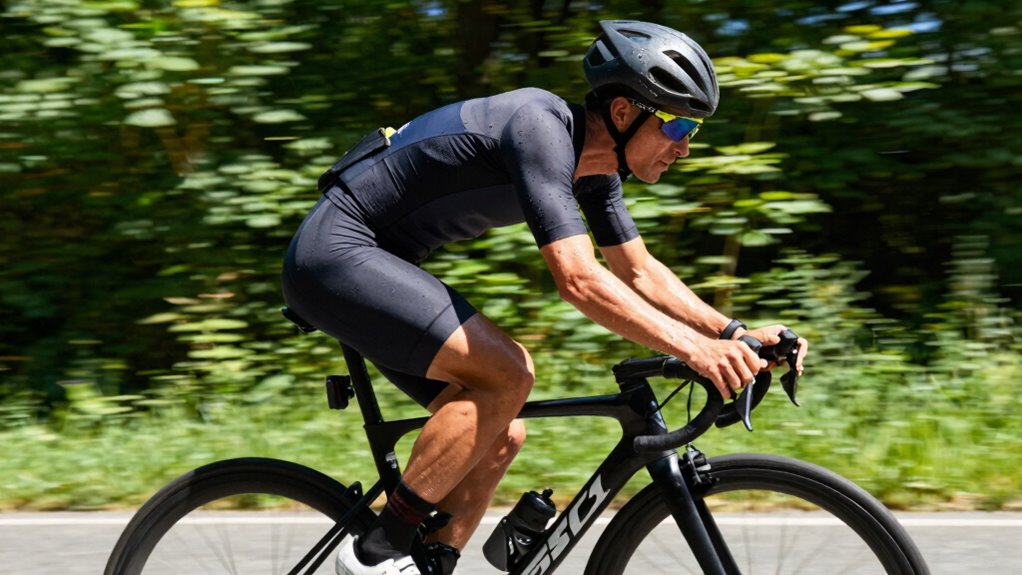

As a cyclist, you need to prioritize bone health by ensuring you get enough calcium and vitamin D to support bone strength. Since cycling is low-impact, include weight-bearing and resistance exercises to stimulate bone growth. Avoid smoking and excess alcohol that weaken bones. A balanced diet and proper lifestyle choices are key. Maintaining these habits helps prevent fractures and injuries, so stay informed to keep your bones strong and resilient for your active rides ahead.
Key Takeaways
- Cycling lacks sufficient mechanical stress for bones, so cyclists need targeted weight-bearing exercises to maintain bone density.
- Ensure adequate calcium and vitamin D intake through diet or supplements to support bone strength.
- Incorporate resistance and weight-bearing activities like walking or strength training alongside cycling.
- Avoid smoking and excessive alcohol, as they weaken bones and compromise overall bone health.
- Regular health check-ups help monitor bone density, especially for high-mileage or aging cyclists.
Cyclists often focus on building leg strength and cardiovascular fitness, but they may overlook an important aspect of their health: bone density. Riding regularly strengthens muscles and improves endurance, yet bones need specific attention to stay strong and resilient. If you neglect your nutritional needs, your bones could weaken over time, increasing the risk of fractures and other injuries. Guaranteeing you get enough calcium and vitamin D is essential; these nutrients support bone formation and maintenance. Dairy products, leafy greens, and fortified foods are good sources of calcium, while sunlight exposure and supplements can help boost vitamin D levels. Without proper nutrition, your bones become more fragile, making it easier to sustain injuries if you fall or collide with obstacles. Incorporating bone-strengthening exercises like weight-bearing activities or resistance training into your routine can make a significant difference. Even simple weight-bearing activities, such as walking or light resistance workouts, stimulate bone growth and preserve density. Remember, cycling is low-impact, so it doesn’t provide enough mechanical stress to stimulate bone strength on its own; you need to add weight-bearing exercises to keep your bones healthy. Your overall lifestyle choices also influence bone health. Smoking and excessive alcohol consumption can weaken bones, so cutting back on these habits is beneficial. Additionally, maintaining a healthy weight helps support bone density; being underweight can lead to decreased bone mass, while being overweight places extra strain on your skeletal system. Regular check-ups with your healthcare provider can help monitor your bone health, especially if you’re in a higher-risk group due to age or medical history. It’s also important to recognize the role of nutrition in maintaining bone strength, as diet plays a crucial part in overall bone health. Incorporating a variety of nutrient-rich foods and understanding the importance of micronutrients can further support your bones’ resilience. Staying informed about bone health and making informed choices can empower you to take proactive steps toward strengthening your skeletal system. Prioritizing nutritional intake and incorporating injury prevention strategies can ensure your bones stay strong as you enjoy cycling for years to come. Taking proactive steps to meet your nutritional needs and incorporate injury prevention strategies can ensure your bones stay strong as you enjoy cycling for years to come. In the end, prioritizing bone health isn’t just about avoiding fractures; it’s about enhancing your overall resilience on the bike and extending your active lifestyle.

Nature's Bounty Calcium 1200 mg with 1000 IU Vitamin D3 – Bone Health Softgels, Calcium and Vitamin D Supplement, Gluten Free, 2 Softgels per Day, 120 ct (Pack of 1)
- Supports Bone and Neuromuscular Health: Provides 1200 mg Calcium per serving
- Enhances Calcium Absorption: Includes 1000 IU Vitamin D3 per softgel
- Gluten, Dairy, and Wheat Free: Suitable for various dietary needs
As an affiliate, we earn on qualifying purchases.
As an affiliate, we earn on qualifying purchases.
Frequently Asked Questions
Can Cycling Cause Long-Term Bone Density Loss?
Cycling alone isn’t likely to cause long-term bone density loss if you’re mindful of bone health. It promotes bone mineralization through weight-bearing activities like standing or sprinting. However, since cycling is low-impact, your calcium absorption might decrease over time without proper nutrition. To prevent bone loss, include weight-bearing exercises, guarantee adequate calcium intake, and get enough vitamin D, all supporting healthy bone mineralization and maintaining your bone density.
What Specific Nutrients Support Cyclist Bone Health?
To support your bone health, guarantee you’re getting enough calcium intake daily. Incorporate bone strengthening foods like dairy products, leafy greens, almonds, and fortified foods into your diet. Vitamin D is also essential, helping your body absorb calcium effectively. Staying consistent with these nutrients can help maintain strong bones, especially since cycling is low-impact but doesn’t fully prevent bone density loss. Prioritize your nutrition to keep your bones resilient.
How Often Should Cyclists Incorporate Weight-Bearing Exercises?
You should incorporate weight-bearing exercises, like bone strengthening routines, at least two to three times a week. Cross training benefits your overall fitness and supports bone health by adding variety and impact to your routine. Regularly including activities such as brisk walking, jumping, or resistance training helps stimulate bone growth, preventing osteoporosis. Consistency is key, so make these exercises a crucial part of your cycling regimen to maintain strong, healthy bones.
Are There Cycling-Specific Injuries Affecting Bones?
A stitch in time saves nine, and that’s true for cycling-specific injuries affecting bones. You might experience cycling fractures from falls or overuse, particularly in your collarbones or wrists. Saddle soreness isn’t just discomfort; it can lead to stress on pelvic bones over time. Being aware of these risks helps you take preventive steps, like proper bike fit and strengthening exercises, so you stay safe and on the road longer.
How Does Age Impact Cyclists’ Bone Health?
As you age, your bone density naturally decreases due to age-related changes, making bones more fragile. This means cyclists over 50 should pay extra attention to maintaining strong bones through weight-bearing exercises and proper nutrition. Age-related changes can accelerate bone loss, increasing fracture risk. Staying active, including strength training, helps counteract these effects, so you can continue cycling safely and enjoyably well into later years.
Conclusion
So, if you want your bones to be superheroes, unbreakable and unstoppable, then you better start paying attention now! Don’t let your bones turn into fragile, crumbly cookies that shatter at the first bump. Keep riding, but also fuel your body with the nutrients it craves—calcium, vitamin D, and strength exercises. Because, honestly, a strong skeleton is your ultimate secret weapon—more invincible than you ever imagined. Ride on to a bone-strong future!