

If you’re a busy cyclist, micro-intervals are a smart way to boost fitness quickly. These involve short, intense efforts of 20-30 seconds at high effort, followed by brief recovery. You can do them on a bike during a lunch break or after a ride, using a timer and heart rate monitor. With consistency, you’ll see improvements in speed, endurance, and overall performance. Keep going to uncover more tips to make these intervals work best for you.
Key Takeaways
- Micro-intervals are short, high-intensity efforts (20-30 seconds) with brief recovery, ideal for busy schedules.
- Aim for heart rate zones 4-5 during efforts to maximize cardiovascular benefits efficiently.
- Incorporate micro-intervals at the end of rides or during quick training sessions for maximal impact.
- Use a timer or heart rate monitor to ensure proper effort and recovery during each interval.
- Gradually increase duration or repetitions to improve fitness without extending workout time.

If your schedule leaves little room for long workouts, micro-intervals offer a practical way to boost your cycling fitness efficiently. These short, intense bursts of effort, combined with brief recovery periods, are a form of interval training designed to maximize results in minimal time. Instead of spending hours on the bike, you focus on quick, targeted efforts that push your cardiovascular system and improve your speed. By strategically incorporating micro-intervals into your rides, you can elevate your heart rate into different zones, which is key to optimizing your training.
Understanding heart rate zones is vital here. These zones represent different levels of exertion, from light activity to maximum effort. During micro-intervals, you aim to push into higher zones—typically Zone 4 or 5—where your heart rate reaches 85-100% of its maximum. These zones trigger cardiovascular adaptations that increase your aerobic capacity and muscular endurance. During the recovery phases, you lower your effort to bring your heart rate back down to Zone 1 or 2, allowing your body to recover briefly but remain active. This pattern of alternating high and low intensity not only enhances your fitness but also keeps your workouts engaging and time-efficient.
Push into higher heart rate zones (4-5) to boost endurance and recovery in micro-interval cycling.
You don’t need elaborate equipment or a lengthy time commitment to get the benefits. Just a timer, your bike, and a basic understanding of your heart rate zones are enough. Begin with intervals lasting 20 to 30 seconds at high intensity, followed by equal or slightly longer recovery periods. As your fitness improves, you can extend the effort phase or increase the number of repetitions. The key is to maintain maximum effort during the high-intensity phase, which is what makes micro-intervals so effective. It’s these short, intense efforts that stimulate your cardiovascular system, build muscle strength, and improve your overall cycling performance.
Incorporating micro-intervals into your regular rides keeps your training fresh and challenging without demanding hours of your day. You can do a quick session during a lunch break or add a few sets of intervals at the end of a longer ride for extra intensity. The flexibility of micro-intervals makes them ideal for busy schedules, letting you fit effective workouts into even the tightest days. Additionally, understanding heart rate zones can help you better tailor your efforts to maximize training benefits. Developing an awareness of training intensity ensures you are working within the optimal zones for your fitness level. Monitoring your heart rate with a fitness tracker or heart rate monitor can provide real-time feedback, helping you stay within your targeted zones. Recognizing that training zones are based on your maximum heart rate can help you customize your workouts more precisely. Consistently practicing this method can lead to noticeable improvements in your cycling performance, making micro-intervals a valuable addition to any training plan. Over time, you’ll notice improvements in your power output, endurance, and speed—without sacrificing hours on the bike. This efficient approach to interval training is perfect for anyone looking to stay fit and competitive, even with a packed calendar.
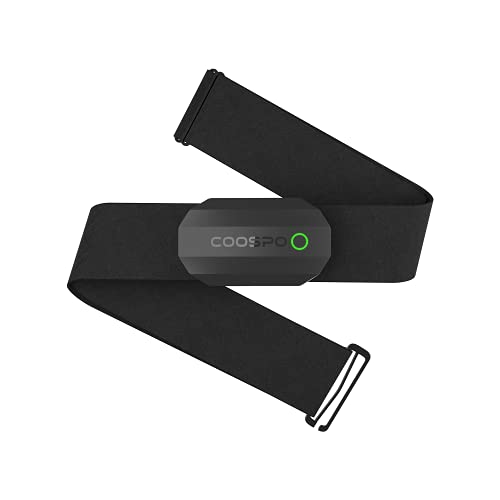
COOSPO Bluetooth Heart Rate Monitor Chest Strap H808S, ANT+ BLE HR Monitor Chest, HRM IP67 Waterproof, Use for Running Cycling Gym and Other Sports
- High-Precision Heart Rate Monitoring: ±1 BPM accuracy for real-time data
- Dual Wireless Connectivity: Bluetooth 4.0 & ANT+ support
- Wide App Compatibility: Works with Peloton, Strava, Zwift, and more
As an affiliate, we earn on qualifying purchases.
As an affiliate, we earn on qualifying purchases.
Frequently Asked Questions
How Do Micro-Intervals Improve Cycling Endurance?
Micro-intervals boost your cycling endurance by enhancing your interval pacing, which trains your body to sustain higher intensities. You push yourself during these short bursts, then use recovery strategies to recover quickly. This cycle improves your stamina and efficiency over time. By regularly practicing micro-intervals, you adapt to varying intensities, making your rides more resilient and enjoyable, even on busy schedules.
What Equipment Is Needed for Effective Micro-Interval Training?
To do effective micro-interval training, you mainly need reliable cycling gear and precise interval timing tools. A good bike that fits well guarantees comfort, while a stopwatch or a smartphone app helps you accurately time your high-intensity efforts and recovery periods. Consider using a heart rate monitor to track intensity. These tools help you stay consistent, optimize your training, and improve endurance efficiently during your busy schedule.
Can Micro-Intervals Be Incorporated Into Daily Commuting?
Yes, you can incorporate micro-intervals into your daily commute, like adding quick sprints or slow pedaling segments amid urban traffic. Think of your ride as a city’s urban planning, balancing speed and safety. These bursts boost your fitness without risking commuter safety. Just plan your micro-intervals carefully around traffic lights and busy intersections, ensuring your training enhances your ride and keeps your commute efficient and safe.
How Do I Prevent Injury During Short, Intense Intervals?
To prevent injury during short, intense intervals, focus on proper recovery strategies like gradual warm-ups and cool-downs. Pay attention to your body’s signals and avoid pushing through pain. Incorporate rest days and stretching into your routine to promote injury prevention. Make sure your bike fit is correct, and maintain good form. Staying mindful of these steps helps you safely enjoy the benefits of micro-intervals without risking injury.
What Is the Optimal Duration for Each Micro-Interval?
Oh, sure, because nobody wants to be a cycling legend in just 10 seconds or less, right? For these micro-intervals, aim for 15 to 30 seconds of intense effort, followed by equal or slightly longer recovery. This pacing keeps your muscles happy and prevents burnout. Use recovery strategies like easy pedaling or deep breaths to restore, then hit it again. Consistency over duration is your secret weapon.
Conclusion
By embracing micro-intervals in your busy riding schedule, you’re subtly weaving moments of relief into your day, allowing your body to flourish without overwhelming it. These tiny bursts of effort act as gentle reminders that progress can come quietly, even amidst a hectic life. So, keep pedaling forward, knowing that little steps often lead to meaningful change. Sometimes, the smallest turn of the wheel can steer you toward a healthier, more balanced ride through life.