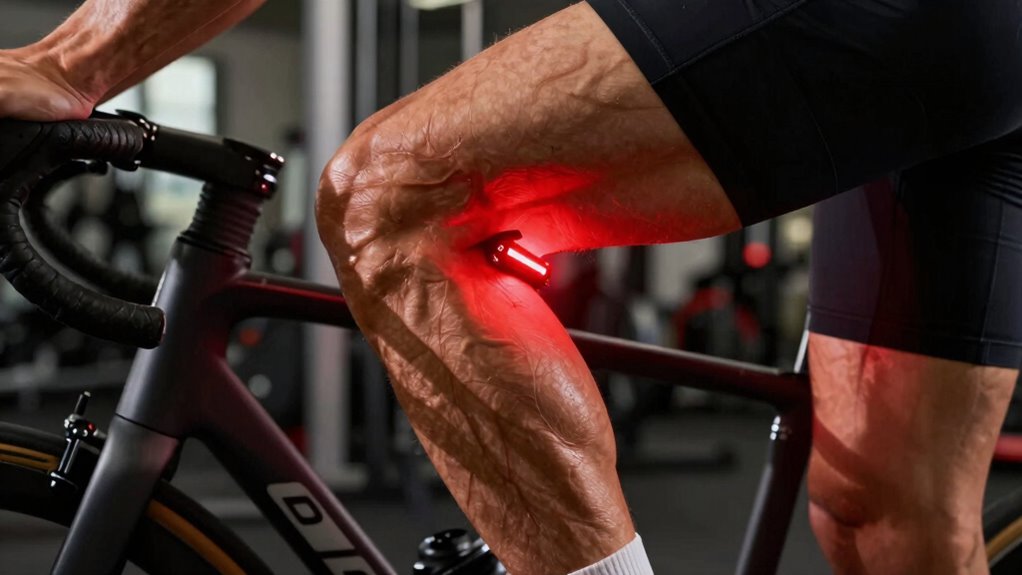

Before investing in red light therapy, understand it can boost your recovery, reduce soreness, and improve skin health by stimulating cellular activity and increasing blood flow. However, device quality matters—look for ones with proper wavelengths and power for effective results. It’s not a miracle cure, so consistency is key, and combining it with good rest, nutrition, and stretching enhances benefits. Want to know how to get the most out of it? Keep exploring.
Key Takeaways
- Ensure your device delivers the correct wavelength and sufficient power for effective recovery and skin benefits.
- Consistent use over several weeks yields better results; sporadic sessions are less effective.
- Red light therapy can accelerate muscle recovery, reduce soreness, and improve skin appearance with regular application.
- Consult healthcare professionals before starting, especially if you have underlying health conditions.
- Combine red light therapy with proper training, nutrition, and rest for optimal cycling performance and recovery.

Have you ever wondered how cyclists can recover faster and boost their performance naturally? Red light therapy might be just what you’re looking for. This innovative treatment uses low-level wavelengths of red light to penetrate your skin and stimulate cellular activity. Many cyclists turn to red light therapy because of its well-documented recovery benefits, which can help you bounce back quicker after intense rides or workouts. The therapy promotes increased blood flow, which delivers more oxygen and nutrients to tired muscles, reducing soreness and speeding up tissue repair. It also encourages mitochondrial function, helping your cells produce energy more efficiently. As a result, you can feel less fatigued and more ready to hit the road sooner. Beyond recovery benefits, red light therapy has a notable impact on skin health. Regular sessions can improve skin tone, elasticity, and overall appearance, which is especially appealing if you’re spending long hours outdoors and want to keep your skin resilient against sun damage and environmental stressors. The therapy stimulates collagen production, which is key to maintaining firm, youthful skin and reducing signs of aging. Many cyclists appreciate that red light therapy offers a non-invasive, drug-free way to enhance their physical and skin health without downtime or discomfort. You simply sit or lie under a device emitting the specific wavelengths, and the process is quick—often taking just a few minutes per session. Despite its growing popularity, it’s important to understand that red light therapy isn’t a miracle cure. While many users report noticeable improvements in recovery and skin quality, results can vary based on individual factors, the frequency of treatments, and the specific device used. Before investing heavily, it’s wise to do your homework and consult with a healthcare professional to determine if it’s suitable for your needs. Also, consider the quality of the device, as not all red light panels are created equal—look for equipment that delivers the proper wavelength and power density for effective therapy. Remember, consistency is key; regular sessions over weeks tend to produce better results than sporadic use. Combining red light therapy with proper nutrition, hydration, stretching, and rest will maximize your recovery benefits and skin health. While it might seem like an extra expense, many cyclists find that the boost in recovery speed and skin resilience makes it a worthwhile addition to their training routine. Just keep in mind that individual experiences vary, and it’s best to approach this treatment as part of a holistic recovery strategy. Incorporating light therapy devices into your routine can further enhance the overall benefits and ensure you get the most out of your sessions.
Frequently Asked Questions
Can Red Light Therapy Improve Cycling Performance?
Red light therapy can potentially improve your cycling performance by enhancing phototherapy benefits, such as reducing inflammation and speeding up recovery. This may lead to increased cycling endurance, allowing you to train harder and longer. While some riders notice positive effects, results vary, so it’s wise to incorporate it into your routine carefully. Give it a try, but remember it’s just one piece of optimizing your cycling performance.
Are There Any Side Effects From Red Light Therapy?
You’re unlikely to experience serious side effects from red light therapy, as only about 1% of users report mild issues. However, skin sensitivity and eye safety are important concerns. Some people may notice skin redness or irritation, and staring directly into the light can harm your eyes. To stay safe, wear eye protection and follow recommended treatment guidelines. Most side effects are minor and temporary, making this therapy generally safe for cyclists.
How Often Should Cyclists Use Red Light Therapy?
You should use red light therapy about 3 to 5 times a week, adjusting based on your recovery needs. Keep the session duration around 10 to 20 minutes, focusing on the light frequency that suits your goals—typically between 630-670nm. Consistency is key, so follow this routine to help reduce inflammation and enhance recovery without overdoing it.
Is Red Light Therapy Safe for All Ages?
Red light therapy is generally safe for most ages, but safety concerns and age restrictions vary. Over 80% of users report minimal side effects, yet children and older adults should consult healthcare providers first. While risks are low, skin sensitivity and eye safety are considerations. Always follow manufacturer guidelines and seek medical advice if you’re unsure about age restrictions or potential safety concerns for your specific situation.
What Is the Cost Comparison With Other Recovery Methods?
Red light therapy generally has a higher upfront cost compared to traditional recovery methods like ice baths or stretching, but it offers a more convenient, consistent approach. When you do a cost analysis, you’ll find that its long-term affordability compares favorably, especially considering fewer sessions and faster recovery times. Although the initial investment is significant, many cyclists find red light therapy worth the expense for its efficiency and convenience.
Conclusion
Before spending big on red light therapy, remember that studies show it can boost recovery by up to 25%, helping you train harder and longer. While more research is needed, many cyclists report faster muscle repair and reduced soreness. If you’re serious about improving performance without risking injury, giving red light therapy a try might be worth it. Just stay informed, and listen to your body—your ride to better health could be brighter than you think.