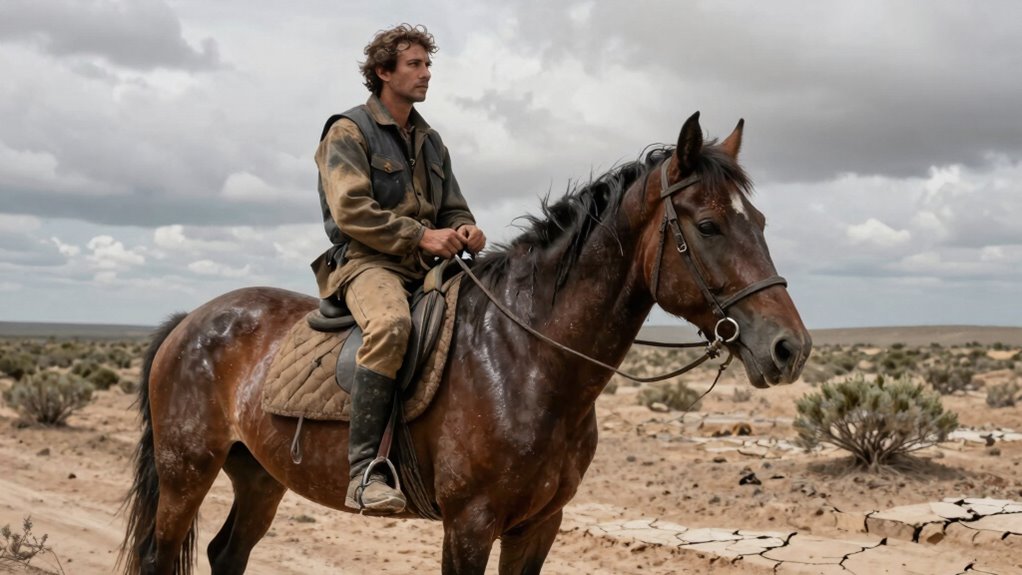

When your endurance rides stop making progress, it’s a sign your horse might be overtrained or not recovering properly. You should observe signs of fatigue, soreness, or decreased performance, and adjust your training plan accordingly. Incorporate rest days, varied sessions, and proper recovery techniques like gentle walking or massage. Recognizing these cues early helps prevent injury and burnout. To restore enthusiasm and long-term health, it’s essential to find the right balance—more insights await you.

Get sports gear delivered free with Prime
- Fast, free delivery on millions of items
- Prime Video, Amazon Music and more included
- Member-only deals all year
Key Takeaways
- Persistent fatigue, soreness, or declining performance despite increased effort indicates endurance rides may no longer be beneficial.
- Signs of stress or overtraining suggest it’s time to prioritize recovery over continued endurance work.
- When the horse’s physical or mental cues show reluctance or burnout, adjusting or reducing training is necessary.
- Diminished progress despite consistent efforts signals a need to reassess training intensity and recovery strategies.
- Incorporating adequate rest, varied sessions, and attentive management helps restore performance and enthusiasm.

Endurance rides can push both rider and horse to their limits, but there comes a point when they no longer serve their intended purpose. When you notice that your horse isn’t improving despite consistent effort, it’s a clear sign that the training intensity might be too high or too low, or that your recovery strategies need adjustment. Pushing for longer or more intense rides without proper management can lead to fatigue, injury, or burnout, ultimately counteracting your goals. It’s essential to recognize when endurance riding has become counterproductive and to reassess your approach.
Recognize when endurance rides no longer improve your horse and adjust training and recovery strategies accordingly.
If your training intensity is too high, your horse may show signs of stress, such as increased heart rate, irregular breathing, or reluctance to continue. Overworking your horse without adequate rest doesn’t just diminish performance — it risks long-term damage. Conversely, if your training intensity is too low, you won’t stimulate the necessary physical adaptations, and progress will stall. Striking the right balance is essential. Pay attention to your horse’s responses during rides, and adjust the workload accordingly. Incorporate varied training sessions that include moderate effort days and more intense days, but always follow each with sufficient recovery.
Recovery strategies are just as important as the rides themselves. After a demanding endurance ride, your horse needs time to recover physically and mentally. This means incorporating rest days, but also using active recovery methods such as gentle walking, massage, and proper nutrition. Hydration is key, especially after long rides, to replenish lost electrolytes and fluids. If your horse shows persistent fatigue or soreness, it’s a signal that you need to extend recovery periods or seek veterinary advice. Overlooking recovery strategies can lead to cumulative fatigue, which hampers future performance and increases injury risk. Recognizing signs of overtraining and understanding equine health and fitness are crucial for maintaining your horse’s well-being. Additionally, understanding training balance can help you develop an effective program tailored to your horse’s needs.
Furthermore, being attentive to your horse’s physical and mental cues can help prevent overtraining and ensure a sustainable training routine. Recognizing when endurance rides stop helping involves observing your horse’s overall health and performance trends. If you notice diminishing returns despite increasing effort, it’s time to re-evaluate your training plan. Sometimes, incorporating appropriate recovery techniques can make a significant difference in restoring your horse’s enthusiasm and performance. Adjusting your approach based on training feedback can also help optimize results and prevent setbacks. Reducing training intensity temporarily, focusing on quality rather than quantity, and prioritizing effective recovery will help your horse regain strength and enthusiasm. Remember, endurance riding isn’t just about pushing limits — it’s about smart training, listening to your horse, and respecting their physical boundaries. When you integrate proper recovery strategies and calibrate training intensity, you’ll find that endurance rides once again become a productive, rewarding part of your equestrian journey.
As an affiliate, we earn on qualifying purchases.
Frequently Asked Questions
How Can I Tell if My Horse Is Overtrained?
If your horse shows signs like decreased enthusiasm, reluctance, or inconsistent performance, it might be overtrained. Watch for changes in horse behavior, such as irritability or fatigue. Adjust your training techniques by adding more rest and lighter work. Overtraining often leads to physical and mental burnout, so listen to your horse’s cues and incorporate recovery periods. Regularly evaluating your training routine helps prevent overtraining and keeps your horse healthy and motivated.
What Are the Early Signs of Rider Burnout?
You might feel like you’re carrying the weight of the world when early signs of rider burnout hit, such as constant fatigue, irritability, or lack of motivation. Pay attention to hydration strategies—dehydration worsens fatigue and clouded judgment. If you’re noticing persistent exhaustion despite rest, or your focus wanes during rides, it’s time to step back, rehydrate, and prioritize self-care to prevent burnout from spiraling out of control.
Are There Alternative Training Methods for Endurance Horses?
Yes, you can use alternative training methods for endurance horses by focusing on horse fitness and training variability. Incorporate different terrains, speeds, and workout routines to keep your horse engaged and prevent burnout. Cross-training, including swimming or hill work, helps improve overall fitness while reducing repetitive stress. This approach keeps training fresh, boosts endurance, and supports your horse’s mental and physical health, ensuring sustained performance over time.
How Does Diet Impact a Horse’s Endurance?
Your horse’s diet directly impacts endurance by providing essential nutrients for sustained energy. Ensuring a nutrition balance with the right mix of carbohydrates, fats, and proteins fuels muscles and maintains stamina. Proper hydration strategies are equally crucial, preventing fatigue and overheating. Regular access to clean water keeps your horse hydrated, especially during long rides, helping them perform at their best and recover quickly after exertion.
When Should I Seek Veterinary Advice During Rides?
You should seek veterinary advice immediately if your horse shows signs of distress, such as excessive sweating or stumbling. Studies indicate that early intervention can prevent severe health issues. During rides, monitor hydration strategies carefully—offer water frequently, but in small amounts. Also, make equipment adjustments if your horse seems uncomfortable or fatigued. Prompt veterinary guidance helps guarantee your horse’s safety and performance, especially during long endurance rides.
Conclusion
When endurance rides cease to fuel your progress, it’s like hitting a wall in a race—your momentum stalls, and the path ahead dulls. Sometimes, pushing through isn’t the answer; instead, pause and listen to your body’s whispers. Like a river flowing around a fallen log, find new routes and rediscover your strength. Remember, even the longest journeys have moments where you need to rest, refuel, and prepare for the next wave of adventure.
Columbus Day / Indigenous Peoples' Day Picks
long weekend sales
As an affiliate, we earn on qualifying purchases.