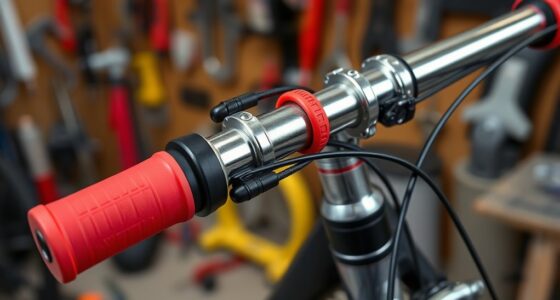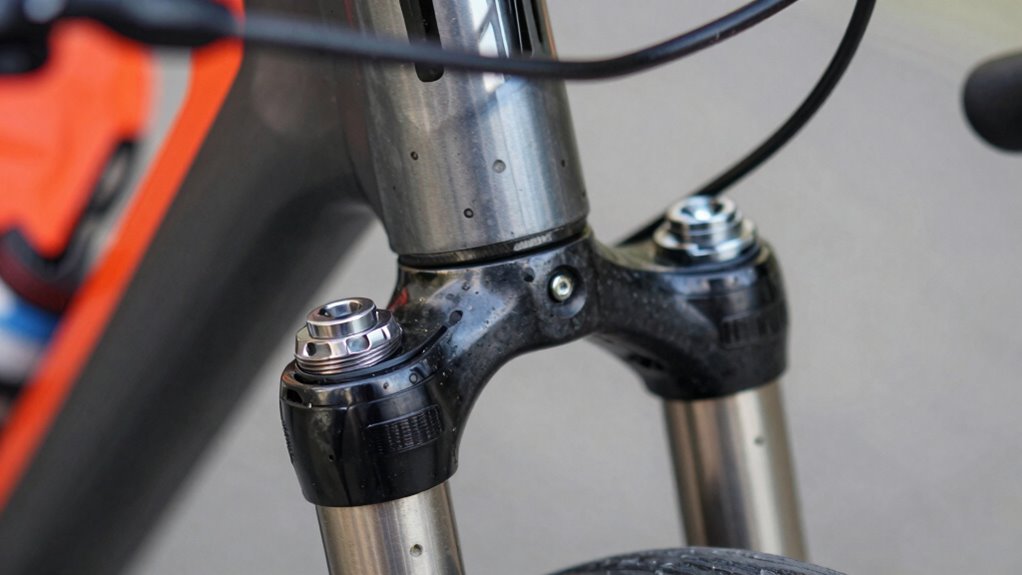

If your bike’s headset develops play, it’s usually due to frame damage, misalignment, or worn-out bearings. Rough riding or crashes can shift the frame or cause the bearings to loosen or wear out faster. Over time, dirt, moisture, and lack of lubrication worsen bearing wear, leading to loose steering. Proper adjustment and maintenance can fix this, but ongoing issues might mean needing more detailed checks or part replacements. Keep exploring to understand how to keep your steering tight and smooth.

Get sports gear delivered free — and shop member deals
- Fast, free delivery on millions of items
- Access to Prime Big Deal Days deals on October 6–7
- Prime Video, Amazon Music and more included
Key Takeaways
- Frame misalignment or damage can cause uneven bearing pressure, leading to headset play.
- Worn or dirty bearings lose support, resulting in loose steering and wobbling handlebars.
- Improper or uneven tightening of the headset can create play over time.
- Crash or rough riding may shift or bend components, causing headset looseness.
- Lack of regular maintenance, such as lubrication and inspections, allows wear and play to develop.
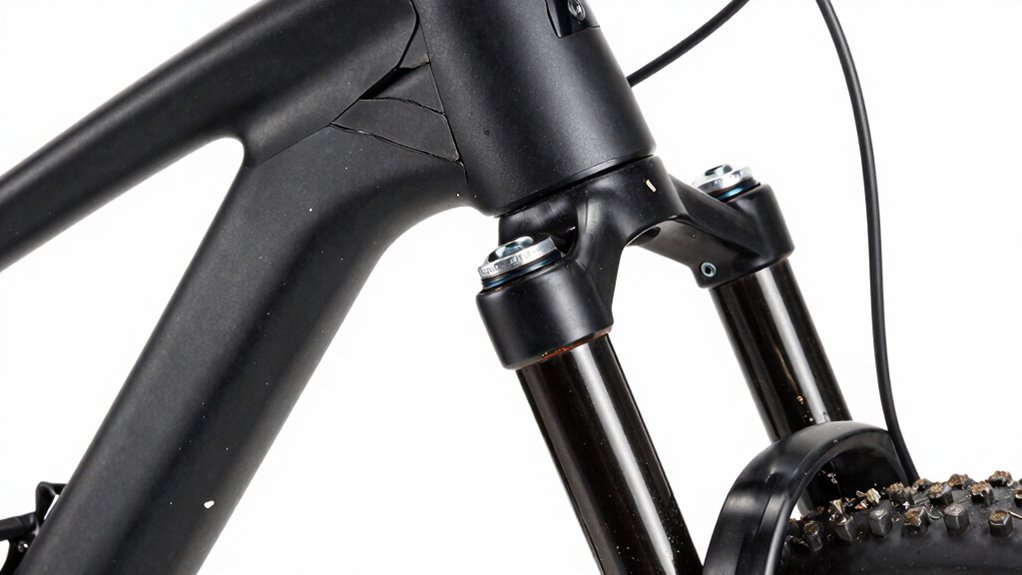
Over time, some bikes develop play in the headset, which can cause steering looseness and affect ride quality. This issue often stems from a combination of factors, including frame alignment shifts and bearing wear. When your bike’s headset becomes loose, you might notice the handlebars wobble or feel a vague steering response. Addressing this problem requires understanding what causes it and how to fix it efficiently.
Headset play causes steering wobble, stemming from frame shifts and bearing wear. Regular checks keep your ride smooth.
One common cause of headset play is misalignment in the frame. Even slight shifts or bends in the frame, often from crashes or rough riding, can disrupt the proper fit of the headset components. When the frame isn’t properly aligned, the bearings may no longer sit evenly, leading to uneven pressure and increased wear. Over time, this misalignment can cause the bearings to loosen or become uneven, contributing further to steering play. Ensuring your frame remains true and free of damage is essential because it maintains the correct geometry necessary for smooth steering. If you suspect misalignment, a professional bike shop can check and realign the frame, preventing ongoing issues. Proper frame alignment is crucial for maintaining the integrity of the steering system. Additionally, addressing frame issues early can prevent more costly repairs down the line.
Bearing wear is another significant factor. Bearings are designed to roll smoothly inside the headset, but with use, dirt, moisture, and lack of lubrication cause them to wear down. As the bearing surfaces deteriorate, they lose their ability to support the steering assembly properly. This wear results in increased clearance between the bearings and the cups or races, creating the play you feel in the handlebars. Regular maintenance, including cleaning and lubricating the bearings or replacing them when worn, can extend their lifespan and maintain tight steering. If bearings become excessively worn, no amount of tightening will restore proper function, and replacing them becomes necessary. Proper bearing maintenance is vital to keep your steering responsive and safe.
Tightening the headset correctly is essential. Over-tightening can cause unnecessary stress on the bearings and lead to premature wear, while too loose a setting allows play to develop. You should aim for a snug fit where the steering feels smooth but not resistant. During adjustments, check for any movement or wobble in the headset. If you notice play even after tightening, it’s time to inspect the bearings and frame for damage or misalignment.
bike headset bearing replacement kit
As an affiliate, we earn on qualifying purchases.
As an affiliate, we earn on qualifying purchases.
Frequently Asked Questions
Can Headset Play Cause Bike Steering Issues?
Yes, headset play can cause steering issues in your bike. When there’s play, your handlebars might feel loose or unresponsive, making control difficult. This can lead to misaligned bike wheels and uneven handlebar alignment, affecting your ride stability. You might notice wobbling or vagueness in steering, especially on rough terrain. To fix this, tighten or replace the headset components to restore proper handling and guarantee safe, smooth steering.
How Often Should I Check Headset Tightness?
Like tending a garden, regular bike maintenance keeps your ride healthy. You should check your headset tightness every few weeks or after any rough rides, as component wear can loosen parts over time. A loose headset can cause steering issues and unsafe handling. Stay proactive—frequent inspections help catch looseness early, ensuring smooth rides and preventing costly repairs. Remember, a well-maintained bike performs best and keeps you safe on every adventure.
Are There Specific Bike Types More Prone to Headset Play?
You’ll find that mountain bikes, especially those with longer suspension travel, are more prone to headset play due to the stresses on the frame. Bikes with softer or more flexible frame materials, like aluminum or certain composites, can also develop play more easily over time. Road bikes with rigid, lightweight frames tend to be less susceptible. Regular checks and adjustments help keep your bike’s headset in top shape, regardless of type.
Can Improper Assembly Lead to Headset Play?
Yes, improper assembly can definitely lead to headset play. When you’re doing bike maintenance, it’s vital to guarantee proper component alignment during assembly. If you over-tighten or under-tighten the headset components, it can cause looseness or play. Always follow the manufacturer’s torque specifications and double-check the alignment to prevent headset play. Regular maintenance and careful assembly are key to keeping your steering smooth and responsive.
Is Headset Play Dangerous During Riding?
Headset play isn’t usually dangerous during riding, but it can cause handling issues if ignored. As you ride, your bike’s suspension and tire pressure can influence how stable the headset feels—poor suspension or incorrect tire pressure might make the play more noticeable. Keep your suspension tuned and tire pressure at recommended levels to maintain proper steering and control, reducing the risk of any potential problems from headset play.
Conclusion
Just like a ship needs a steady helm, your bike’s headset requires proper maintenance to steer smoothly. When play develops, it’s a sign that the bearings or spacers have loosened, risking your ride’s stability. Regular checks and timely adjustments keep everything tight and responsive. Think of it as tightening the reins—keep them firm but not too tight—to guarantee your bike stays confident and capable, ready to navigate any road with precision and trust.
Fall Picks
fall essentials
As an affiliate, we earn on qualifying purchases.