
Your disc brakes squeal after cleaning because improper techniques or contaminants can leave uneven surfaces, causing vibrations and reducing friction. If you use harsh chemicals or abrasive tools, they can damage the rotor or pads, making noise worse. Residual oil, grease, or moisture can also create slippery spots that lead to squealing. To fix this, it’s crucial to clean carefully with proper methods. Keep going to discover how to prevent these issues effectively.

Get sports gear delivered free — and shop member deals
- Fast, free delivery on millions of items
- Access to Prime Big Deal Days deals on October 6–7
- Prime Video, Amazon Music and more included
Key Takeaways
- Residual contaminants like oil or grease can cause uneven contact, leading to squealing.
- Using harsh cleaning chemicals or improper methods can damage rotor and pad surfaces, increasing noise.
- Surface irregularities or grooves on the rotor after cleaning may cause vibrations and squeal.
- Moisture or lubricants left on brake components create slipperiness, resulting in squealing during braking.
- Worn or uneven brake pads post-cleaning can produce vibrations and noise.
If your disc brakes start squealing after cleaning, it can be frustrating and confusing. You might wonder what went wrong, especially after taking the time to keep your brakes in good shape. The squealing is often related to the condition of your brake pad wear and the rotor surface smoothness. When you clean your brakes, you could inadvertently alter these factors, leading to noise problems.
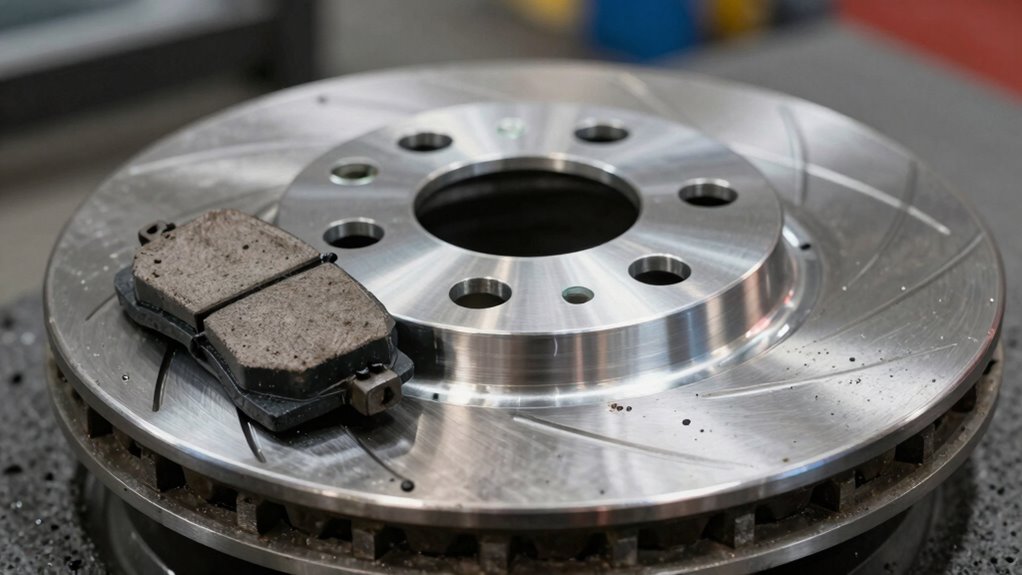
One common reason for squealing is uneven brake pad wear. When the brake pads aren’t wearing evenly, they don’t make uniform contact with the rotor surface. During cleaning, contaminants like oil, grease, or debris can get into the pad and rotor interface, causing uneven contact. This unevenness causes vibrations that translate into squealing sounds every time you apply the brakes. If your brake pads are already worn down or unevenly worn, cleaning can exacerbate the issue by removing protective residues that kept noise to a minimum and exposing rougher surfaces. As a result, you might notice more squealing after cleaning because the pads are now contacting the rotor irregularly.
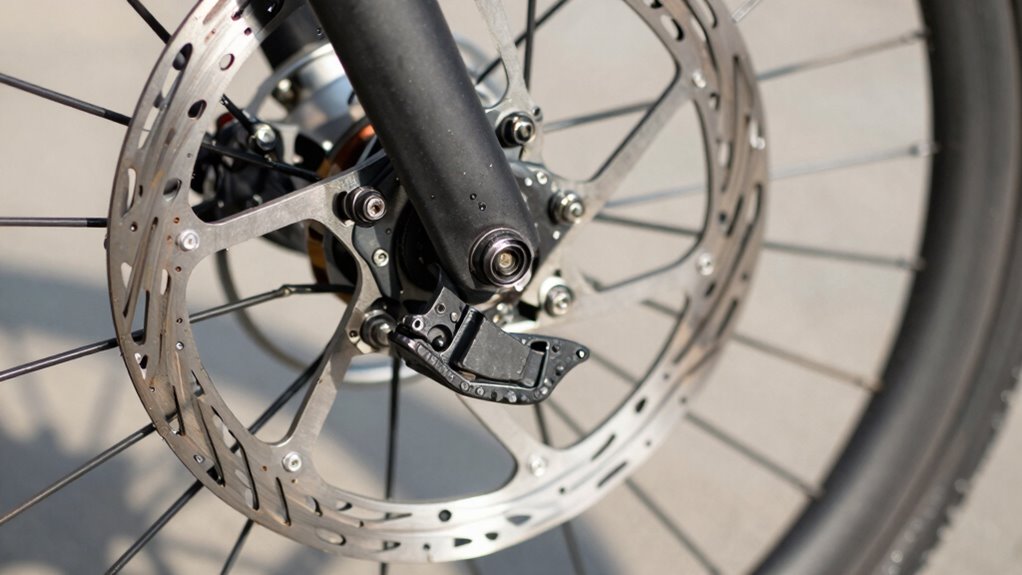
The rotor surface smoothness also plays a significant role in brake noise. When you clean your brakes, especially if you use harsh chemicals or abrasive tools, you might inadvertently damage the rotor surface. Over time, the rotor can develop grooves, pits, or uneven areas that affect braking performance. When these imperfections exist, the brake pads can’t maintain consistent contact, leading to vibrations and squeals. Cleaning may remove debris, but if you use aggressive methods, you risk creating or worsening surface irregularities. These rough spots then cause the brake pad to vibrate against an uneven surface, producing squealing sounds during braking. Additionally, using the wrong cleaning products can leave residues that interfere with proper contact, further increasing noise. It’s also important to note that improper cleaning techniques can introduce contaminants that compromise the effectiveness of your braking system. Sometimes, even cleaning techniques that seem gentle can inadvertently cause damage if not done properly, emphasizing that proper methods are essential.
Another factor to consider is the use of lubricants or cleaning sprays. If you accidentally get lubricant or oil on the rotor or brake pad contact areas, it can create a slippery surface. This reduces friction and causes the brake components to vibrate when you brake, resulting in squealing. Additionally, if you don’t properly dry off the components after cleaning, residual moisture can cause similar issues, especially in humid conditions. Proper drying and the use of appropriate cleaning agents are essential to prevent these problems. Remember that cleaning techniques play a critical role in maintaining brake performance and preventing noise issues.
As an affiliate, we earn on qualifying purchases.
Frequently Asked Questions
Can Using the Wrong Cleaning Products Cause Squealing?
Yes, using the wrong cleaning products can cause squealing. Harsh cleaning solvents or those not designed for brake components can remove brake pad residues properly, leading to uneven surfaces. This can result in vibrations and noise when you brake. Always choose appropriate brake cleaners and avoid harsh chemicals, as they can leave residues or damage the brake parts, causing your disc brakes to squeal after cleaning.
How Long Should I Wait After Cleaning Before Riding?
You should wait at least 30 minutes after cleaning your disc brakes before riding. This allows any cleaning residue or moisture to evaporate, preventing squealing caused by improper rotor alignment or brake pad replacement issues. Taking this pause helps guarantee your brake components dry properly, reducing noise and improving performance. Always check for smooth rotor alignment and proper pad contact before riding to avoid further squealing or damage.
Do Different Brake Pad Materials Affect Squeal After Cleaning?
Different brake pad materials do influence squeal after cleaning, as each composition interacts differently with the rotor. Resin pads tend to squeal more than metallic or ceramic ones, especially if not properly bedded or if contaminated. To prevent squeal, guarantee proper brake pad composition selection and follow squeal prevention techniques like regular cleaning and correct installation. Understanding your brake pad material helps you minimize noise and maintain smooth, quiet braking performance.
Is It Necessary to Re-Bed the Brakes After Cleaning?
Yes, you should re-bed your brakes after cleaning. Start with a thorough brake pad inspection to check for any damage or uneven wear. Then, perform a series of moderate stops from about 30 to 50 mph to help transfer fresh brake pad material onto the rotor. If you notice persistent squeal, consider rotor resurfacing to guarantee a smooth surface, which can reduce noise and improve braking performance.
Can Dirt or Debris Hidden Behind the Rotor Cause Squealing?
Absolutely, dirt or debris hidden behind the rotor can cause squealing, turning your brake system into a noisy mess. Brake pad contaminants and rotor surface damage often contribute to this issue, acting like a thorn in your side. You might need to give everything a thorough clean and check for hidden debris before you jump to conclusions. When debris is trapped, it’s like a spark that ignites the squeal.
Conclusion
Your disc brakes squealing after cleaning are like a stubborn song stuck on repeat. Sometimes, it’s just the brake pads whispering secrets to the rotor, or a ghost of grease lingering in the shadows. With a little patience and the right touch, you can quiet this mechanical chorus. Think of it as tuning a delicate instrument—soon, your brakes will sing again, smooth and silent, ready to accompany your ride’s next adventure with a whisper instead of a scream.
Fall Picks
fall essentials
As an affiliate, we earn on qualifying purchases.