To protect your bike from indoor sweat damage, make sure to wipe it down after each ride with a soft cloth, focusing on the frame, handlebars, and gears. Use sweat-resistant grips and store your bike in a well-ventilated, climate-controlled space with humidity controls like fans or dehumidifiers. Regularly clean and lubricate moving parts, and wear moisture-wicking clothing to reduce sweat transfer. For more tips on prolonging your bike’s lifespan, continue exploring these essential strategies.
Key Takeaways
- Wipe down the bike after each ride with a soft cloth to remove sweat and moisture.
- Use sweat-resistant handlebar grips and store the bike in a well-ventilated, low-humidity environment.
- Perform regular cleaning of chains, gears, and moving parts to prevent sweat buildup and rust.
- Employ climate-controlled storage or cover the bike to minimize indoor moisture exposure.
- Wear moisture-wicking clothing and keep towels nearby to reduce sweat transfer onto the bike.
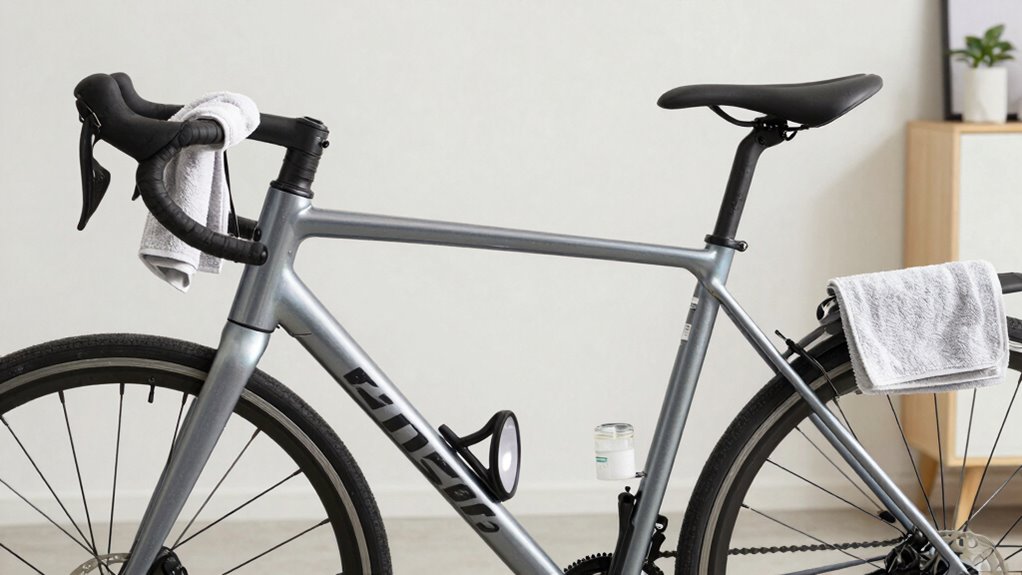
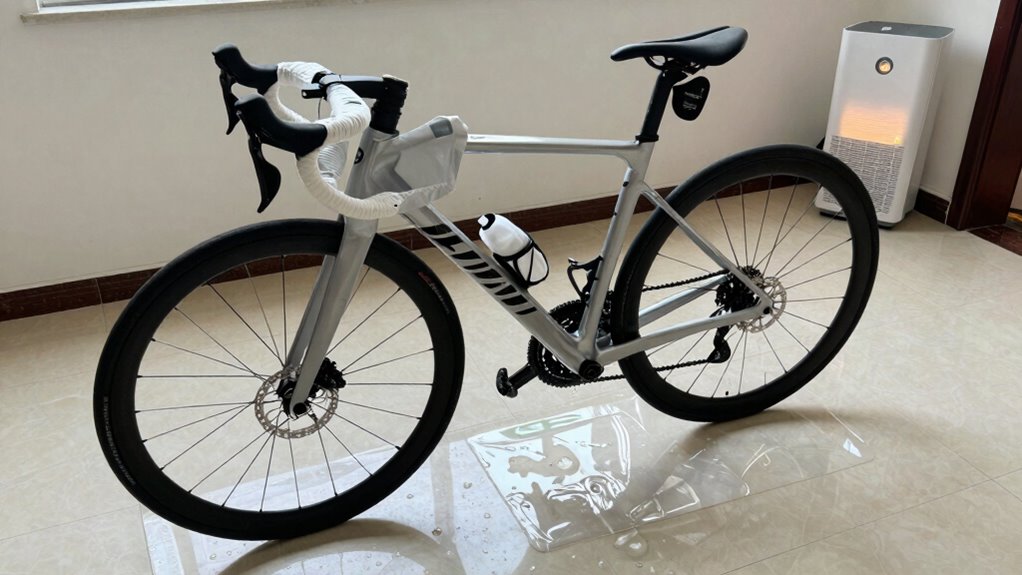
Indoor sweat can quickly damage your bike’s metal parts and finish if left unchecked. Sweat is highly corrosive, and when it comes into contact with your bike’s frame, components, or finish, it can cause rust, pitting, and paint deterioration. To keep your bike in top shape, you need to prioritize proper bike cleaning and sweat prevention. Regularly wiping down your bike after each ride is essential. Use a soft cloth or microfiber towel to remove sweat and moisture from the frame, handlebars, and gears. This simple step prevents sweat from settling and causing corrosion. Additionally, paying close attention to areas prone to sweat accumulation, like the handlebar grips and saddle, helps prevent buildup that accelerates damage over time.
Wipe down your bike after each ride to prevent sweat-induced rust and damage.
Beyond wiping down your bike, investing in materials that reduce sweat contact can make a big difference. Consider using handlebar tape or grips made of sweat-resistant materials, which can minimize sweat transfer onto the frame and components. If you ride indoors often, keeping your bike in a well-ventilated area also helps reduce humidity and sweat condensation, further decreasing corrosion risks. You might even think about using a fan or dehumidifier in your workout space to keep moisture levels low. Understanding indoor moisture control is key to preventing corrosion and prolonging your bike’s lifespan. Proper climate-controlled storage environments can significantly reduce the risk of indoor sweat damage and help preserve your bike’s condition.
Implementing a consistent bike cleaning routine is vital. Every few rides, give your bike a thorough cleaning with bike-specific cleaners and brushes. Pay special attention to the chain, cassette, and other moving parts, removing dirt and sweat residues that can cause rust and wear. Lubricating these parts afterward not only ensures smooth operation but also provides an extra layer of protection against moisture. Remember, sweat prevention starts with your environment, so consider covering your bike or keeping it in a dedicated, climate-controlled space if possible. Proper storage environments can significantly reduce indoor sweat damage and prolong your bike’s lifespan.
Finally, don’t forget about your clothing and accessories. Wear moisture-wicking gear to reduce sweat dripping onto your bike during indoor sessions. Keep towels nearby to quickly absorb sweat from your skin and bike surfaces. By combining diligent bike cleaning, sweat prevention strategies, and proper storage, you greatly extend your bike’s lifespan. Protecting your investment isn’t just about riding; it’s about maintaining the integrity of your bike’s components and finish. Staying proactive ensures that indoor workouts don’t turn into indoor corrosion, keeping your bike looking and performing its best for years to come.
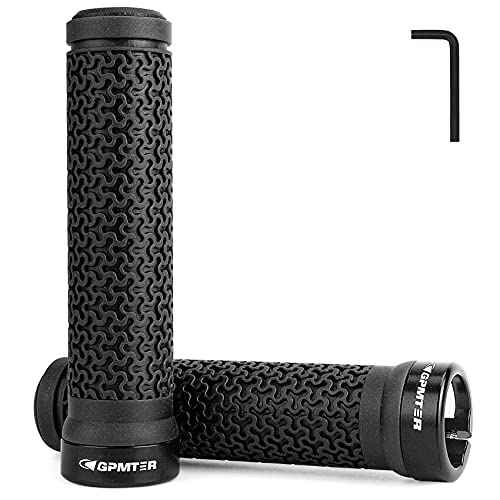
GPMTER Bike Handlebar Grips for BMX, Mountain Bicycle, MTB, Scooter ebike
- Material: Non-slip rubber with aluminum lock-on
- Design: Ergonomic with gel layer for comfort
- Grip: High-friction rubber for all-weather grip
As an affiliate, we earn on qualifying purchases.
As an affiliate, we earn on qualifying purchases.
Frequently Asked Questions
Can Indoor Humidity Affect My Bike’s Condition?
Indoor humidity can definitely affect your bike’s condition. High indoor air quality with excessive moisture promotes rust and corrosion, especially on metal parts. By practicing humidity control—using dehumidifiers or ventilators—you keep the environment dry and prevent damage. Maintaining ideal humidity levels helps preserve your bike’s paint, components, and overall longevity. So, paying attention to indoor air quality and humidity control is essential for keeping your bike in top shape.
Are There Specific Cleaning Products to Prevent Sweat Corrosion?
Ever wonder if specific cleaning products can prevent sweat corrosion? You should use cleaning solutions designed for bikes, like gentle degreasers and bike-specific soaps, to remove sweat residue effectively. Applying protective coatings, such as corrosion inhibitors or wax, creates a barrier against moisture and sweat. Regular cleaning and coating maintenance are key to preserving your bike’s condition, ensuring it stays smooth and rust-free for years to come.
How Often Should I Inspect My Bike for Sweat Damage?
You should inspect your bike for sweat damage at least once a month to catch issues early. Regular bike maintenance helps identify corrosion or rust caused by sweat, which can weaken components. During inspections, look for discoloration, rust spots, or corrosion, especially around joints and metal parts. Prioritize sweat prevention measures, like wiping down your bike after indoor rides, to minimize damage and keep your bike in top condition longer.
Does the Type of Bike Finish Influence Sweat Resistance?
Did you know that bike finish durability varies greatly? Yes, the type of bike finish greatly influences sweat resistance. Some finishes, like powder coating, are naturally more durable and resistant to corrosion caused by sweat, while others with inferior sweat resistant coatings may degrade faster. Choosing a bike with high-quality, sweat-resistant coatings ensures your bike withstands indoor moisture, maintaining its appearance and longevity longer, saving you time and money on repairs.
Can Indoor Plants Near My Bike Cause Additional Damage?
Yes, indoor plants near your bike can cause additional damage. Plant proximity increases moisture risk due to humidity and potential water spills, which can promote rust and corrosion on your bike’s metal parts. To protect your bike, keep plants at a safe distance, guarantee proper watering practices, and use dehumidifiers if necessary. This way, you minimize moisture buildup and maintain your bike’s condition indoors.
Conclusion
Think of your bike as a brave knight guarding a treasure. Just like a knight needs armor to fend off rust and corrosion, your bike needs protection from your indoor sweat. With a little care—covering it up, cleaning regularly, and keeping the environment dry—you shield your trusty steed from the enemy of damage. Respect your bike’s armor, and it’ll serve you well for many adventures ahead, shining bright through countless rides.