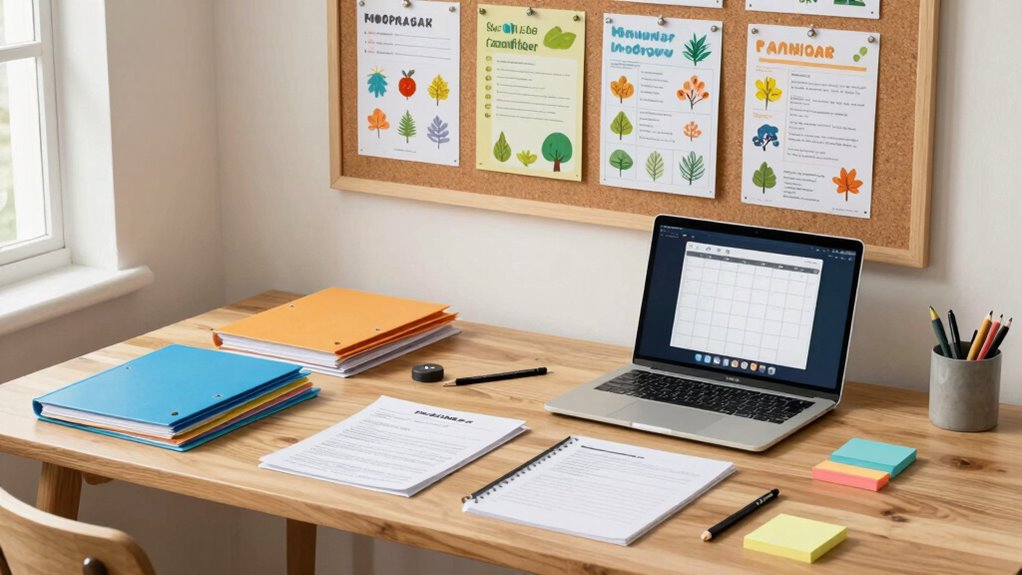

To build a seasonal maintenance calendar, start by identifying key tasks for each season, like inspecting your roof in spring or checking your heating system before winter. Use checklists and set reminders to stay organized, including ongoing inspections and less frequent tasks. Schedule professional services ahead of time, document your plans, and incorporate safety checks like smoke detector tests. Keep your calendar flexible to adapt and discover more tips to master your home upkeep throughout the year.

Get sports gear delivered free with Prime
- Fast, free delivery on millions of items
- Prime Video, Amazon Music and more included
- Member-only deals all year
Key Takeaways
- Identify essential maintenance tasks for each season based on home systems and property needs.
- Schedule tasks in advance, setting reminders or using digital calendars for timely completion.
- Create checklists to ensure all critical tasks are included and no details are overlooked.
- Incorporate professional inspections and external services into the calendar for proactive upkeep.
- Regularly review and update the calendar to adapt to changing conditions and maintain consistency.
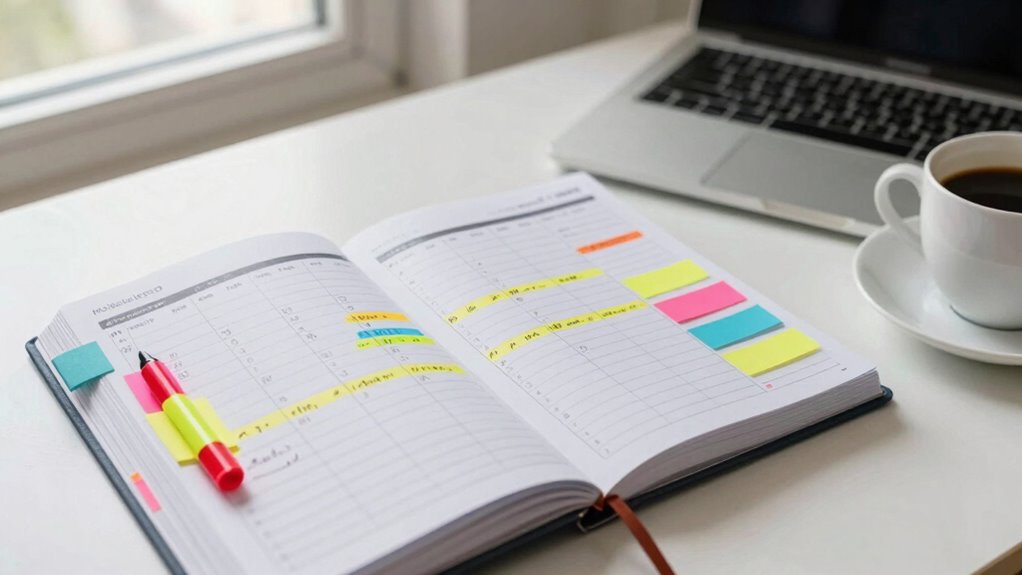
Creating a seasonal maintenance calendar is essential for keeping your home or property in top shape year-round. With a well-organized plan, you can proactively address issues before they become costly repairs or safety hazards. Start by dividing the year into four manageable periods—winter, spring, summer, and fall—and identify key tasks for each season. This strategy ensures biodiversity is considered in your landscaping and outdoor maintenance, promoting a healthier environment around your property. Incorporating preventive care into your routine can extend the lifespan of your home’s systems and structures. This approach helps you stay on top of preventive inspections and equipment scheduling, guaranteeing everything functions smoothly throughout the year.
A seasonal maintenance calendar helps prevent costly repairs and keeps your home safe and efficient year-round.
In each season, focus on preventive inspections. For example, before winter, check your heating systems, chimneys, and weatherproofing measures like seals and insulation. During spring, inspect your roof, gutters, and drainage systems to prevent water damage from rain and melting snow. Summer calls for maintenance on cooling systems, irrigation, and outdoor structures, while fall is ideal for preparing your property for colder months, including inspecting fireplaces and sealing drafts. Regular preventive inspections help catch small problems early, saving you time and money in the long run. Additionally, understanding property maintenance best practices can help you develop a comprehensive seasonal plan. Incorporating proper water chemistry management can also prevent issues like algae growth or equipment corrosion, ensuring a safer swimming environment.
When building your calendar, be specific about your equipment scheduling. For instance, plan to replace filters, clean vents, and lubricate moving parts of appliances and HVAC systems during the appropriate seasons. Scheduling these tasks in advance ensures you don’t forget or delay maintenance, which can lead to system failures or reduced efficiency. Use reminders or digital calendars to set alerts for these activities, making it easier to stay consistent.
Another key aspect of your maintenance calendar involves noting seasonal tasks that are less frequent but equally important. For example, draining and winterizing outdoor pipes in fall or checking smoke and carbon monoxide detectors before winter. Keeping a checklist for each season helps you stay organized and ensures no critical task gets overlooked. Also, consider factoring in external services, like scheduling professional inspections or repairs, so you’re not caught off guard during busy periods. Incorporating preventive maintenance into your planning ensures your property remains safe and efficient year-round.
home maintenance checklist organizer
As an affiliate, we earn on qualifying purchases.
As an affiliate, we earn on qualifying purchases.
Frequently Asked Questions
How Often Should I Review and Update My Maintenance Calendar?
You should review and update your maintenance calendar at least quarterly to stay on top of seasonal planning. Regularly revisiting your maintenance checklist guarantees tasks align with current conditions and any new needs. This proactive approach helps prevent surprises, keeps your system running smoothly, and extends its lifespan. Adjust your calendar whenever new equipment is added or seasonal changes demand different maintenance routines, keeping your plan effective year-round.
What Tools or Software Can Help Create a Maintenance Schedule?
You can use tools like CMMS (Computerized Maintenance Management System) or scheduling software such as Trello, Asana, or Microsoft Planner for maintenance planning. These tools help you organize tasks efficiently and incorporate scheduling strategies. They allow you to set reminders, track progress, and adjust your maintenance schedule as needed, ensuring you stay on top of seasonal tasks and keep your equipment running smoothly year-round.
How Do I Prioritize Maintenance Tasks Throughout the Year?
Think of your maintenance tasks as stars in a constellation, guiding your seasonal planning. You should prioritize tasks based on urgency and impact, scheduling critical ones first. Use task delegation to distribute responsibilities, ensuring each task gets attention at the right time. Regularly review and adjust your calendar to account for changing conditions. This approach keeps your maintenance efficient, preventing small issues from becoming costly problems down the road.
Who Should Be Responsible for Executing Each Maintenance Task?
You should assign responsibility for each maintenance task through clear responsibility assignment and maintenance delegation. Identify the right team members or contractors based on their expertise, availability, and workload. Make certain each person understands their roles and deadlines. Delegating tasks effectively ensures accountability, streamlines the process, and prevents important maintenance from being neglected. Regularly review and adjust responsibilities as needed to keep your seasonal maintenance running smoothly.
How Can I Track Completed Maintenance Activities Effectively?
You can track completed maintenance activities effectively by using a detailed maintenance checklist and following scheduling best practices. Regularly update your checklist to reflect completed tasks, and use digital tools or apps that allow real-time updates. Set reminders for upcoming tasks and review your log periodically to identify patterns or overdue activities. This approach keeps your seasonal maintenance organized, guarantees nothing gets missed, and helps maintain the overall health of your assets.
Conclusion
By now, you’ve got a solid plan in place, but don’t forget—your maintenance calendar is only as good as your commitment to follow through. As seasons change, new challenges will arise, and unexpected surprises can pop up. Are you prepared to adapt and stay ahead? The true test lies in your consistency and attention to detail. Keep your calendar updated, stay vigilant, and you’ll reveal the secret to seamless, worry-free maintenance all year round—are you ready?
NFL season / tailgating Picks
team gear
As an affiliate, we earn on qualifying purchases.