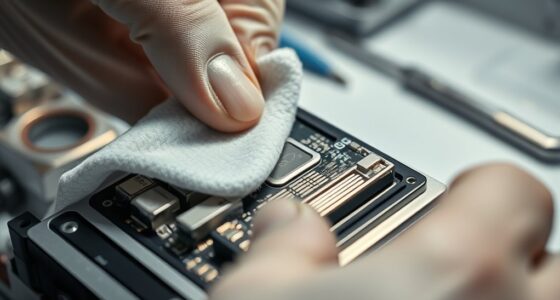
To prevent your seatpost from slipping, start by cleaning the seat tube and post to remove dirt and old lubricant. Apply a light coat of carbon assembly paste or grease before inserting the post to improve grip. Tighten the clamp evenly using proper tools, ensuring it’s secure but not overtightened. Regularly check the clamp and seatpost for wear or looseness. Following these steps helps keep your seatpost stable, and there’s even more to discover for long-lasting security.

Get sports gear delivered free — and shop member deals
- Fast, free delivery on millions of items
- Access to Prime Big Deal Days deals on October 6–7
- Prime Video, Amazon Music and more included
Key Takeaways
- Use appropriate materials like carbon assembly paste or grease for better grip during installation.
- Ensure the seatpost is inserted to the correct depth and tightened evenly with proper tools.
- Regularly clean and inspect the seatpost and frame to prevent dirt buildup and wear.
- Adjust saddle height correctly to minimize movement and reduce slipping risk.
- Avoid overtightening clamps to prevent damage while maintaining secure grip.
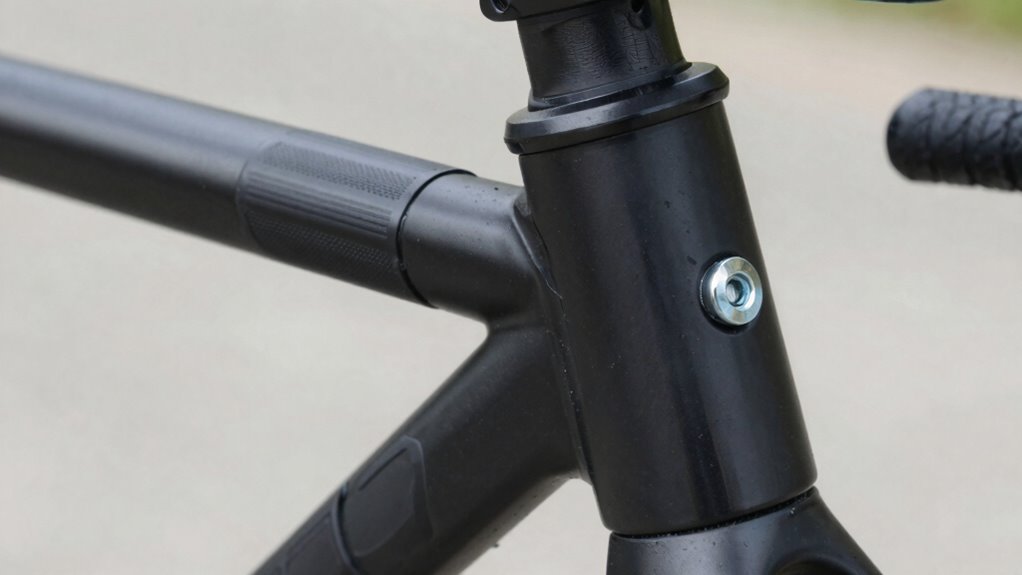
A slipping seatpost can be frustrating and unsafe, but it’s a common issue with straightforward solutions. When your seatpost slips, it disrupts your ride, affects your comfort, and can even lead to accidents. To prevent this, you first need to understand the role of seatpost materials and how proper saddle height adjustment can make a difference. Different seatpost materials, like aluminum, carbon fiber, or steel, have unique properties that influence grip and stability. Aluminum seatposts tend to be more affordable and durable but may require extra attention to guarantee they don’t slip. Carbon fiber seatposts are lightweight and flexible but demand careful installation and maintenance to preserve their grip, especially since they can be more prone to slipping if not secured correctly.
The key to preventing slip-ups often lies in correct saddle height adjustment. A seatpost that’s set too high or too low can increase the risk of slipping, particularly if you’re constantly adjusting or riding on rough terrain. You should aim for your saddle height to be adjusted so that your leg has a slight bend at the knee when the pedal is at its lowest point. Once you’ve found the right height, tighten the seatpost clamp securely, but avoid overtightening, which could damage the post or frame. Proper saddle height adjustment not only enhances comfort but also minimizes unnecessary movement that could cause slippage. Additionally, understanding seatpost materials and how they interact with different grips and surfaces can help you select the best components for your riding style. Maintaining proper installation techniques and paying attention to the cleanliness of your components can greatly reduce the chances of slipping.
In addition to saddle height adjustment, paying attention to how you install and maintain your seatpost is crucial. Always clean the seat tube and the seatpost before installation to remove dirt, grease, or old lubricant, which can reduce grip. Applying a light coating of carbon assembly paste or grease designed for bike components can help prevent slipping, especially with carbon fiber posts. When inserting the seatpost, don’t just push it in and tighten; make sure it’s inserted to the correct depth as indicated by the manufacturer. Use the right tools to tighten the clamp evenly, ensuring consistent pressure around the post. Regularly check the tightness of your seatpost clamp during routine maintenance, especially if you notice any movement or if you’ve recently been riding on rough trails. Proper maintenance practices, including inspecting for wear and tear, are essential for long-term stability.
As an affiliate, we earn on qualifying purchases.
Frequently Asked Questions
What Tools Are Needed to Fix a Slipping Seatpost?
To fix a slipping seatpost, you’ll need basic tools like an Allen wrench or hex key, a torque wrench, and possibly a seatpost clamp. Start by cleaning the seatpost and inside the frame to remove debris. Check the seatpost material—carbon or aluminum—and select a compatible clamp design. Tighten the clamp gradually to the recommended torque, ensuring it’s secure without damaging the material. This approach prevents slipping effectively.
How Often Should I Reapply Grease on My Seatpost?
You should reapply grease on your seatpost every six months or whenever you notice signs of seatpost wear or slipping. Regular grease frequency helps prevent corrosion and keeps the seatpost moving smoothly. If you ride frequently or in wet conditions, consider greasing it more often. Make sure you clean old grease before applying fresh grease to maintain ideal friction and avoid issues with slipping or damage over time.
Can Seatpost Slipping Be Caused by Incorrect Saddle Height?
Did you know that over 60% of seatpost slips are linked to improper saddle height adjustment? Yes, incorrect saddle height can cause seatpost instability because it puts uneven pressure on the post. When you adjust your saddle height, make sure it aligns properly to prevent stressing the seatpost. Proper saddle height not only improves comfort but also guarantees seatpost stability, reducing the risk of slipping during your ride.
Is Carbon Seatpost Slipping More Common Than Aluminum?
Carbon seatposts tend to slip more often than aluminum ones because their materials are more prone to expanding and contracting with temperature changes, affecting grip. Aluminum seatposts usually have a better grip, reducing slipping frequency. If you notice slipping, check the seatpost material and make sure you’re using the correct clamp torque. Proper cleaning and applying carbon-safe grease or carbon paste can also help improve grip and prevent slipping, regardless of material.
When Should I Replace My Seatpost Instead of Fixing It?
If your seatpost keeps slipping despite regular maintenance, it’s time to replace it. Common causes include corrosion, excessive wear, or cracks that compromise its integrity. When adjustments no longer hold, and your seatpost fails to maintain its position, fixing isn’t enough. You’ll want a new one for safety and performance. Regular seatpost maintenance helps prevent this, but don’t hesitate to replace if damage or wear obstructs reliable riding.
Conclusion
Think of your bike’s seatpost as a ship’s mast. When the mast slips, the ship’s voyage is thrown off course. But with the right technique—tightening bolts, applying anti-slip paste, or using clamps—you anchor your mast firmly in place. Now, your ride stays steady and true, sailing smoothly ahead. Keep these tips in mind, and you’ll navigate every trail without losing your seat’s position, no matter how rough the waters get.
Fall Picks
fall essentials
As an affiliate, we earn on qualifying purchases.