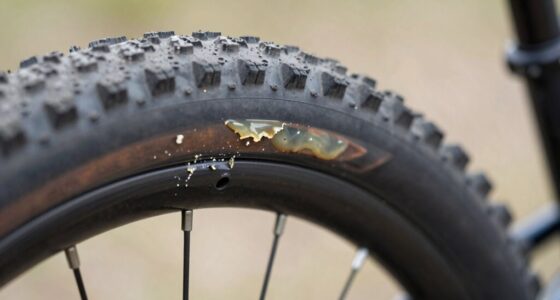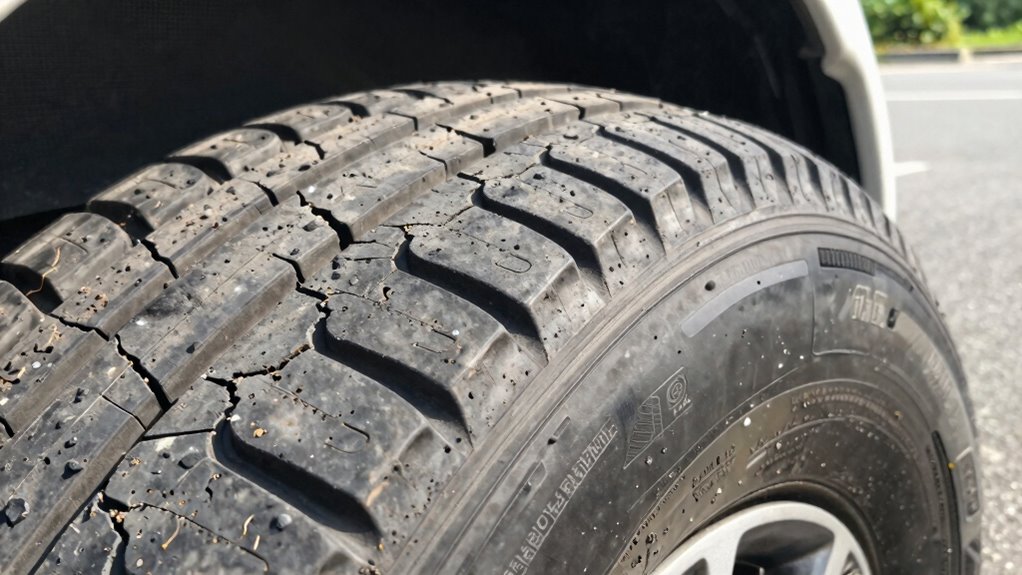

Tires lose pressure faster because of differences in rubber quality, construction, and how they’re affected by environmental factors. Softer rubber compounds provide better grip but are more permeable to air, while older or poorly made tires may develop tiny leaks over time. Rough roads, temperature changes, and wear also accelerate pressure loss. If you want to understand how these factors influence your tires and what you can do about it, keep exploring the details behind tire performance.

Get sports gear delivered free with Prime
- Fast, free delivery on millions of items
- Prime Video, Amazon Music and more included
- Member-only deals all year
Key Takeaways
- Softer rubber compounds increase grip but are more permeable, leading to faster air loss.
- Rough or uneven road conditions can cause damage and tiny leaks, accelerating pressure loss.
- Temperature fluctuations cause tire pressure to change, especially in poorly maintained or low-quality tires.
- Manufacturing quality and brand influence the tire’s resistance to leaks and pressure retention.
- Inadequate maintenance, such as infrequent pressure checks, allows small leaks to go unnoticed and worsen over time.
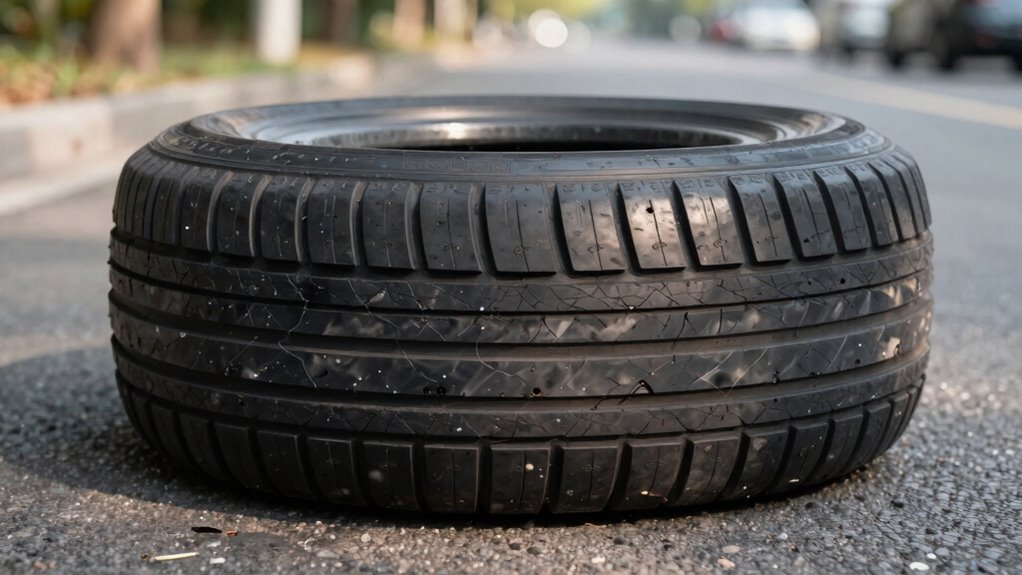
If you’ve noticed some of your tires losing pressure faster than others, you’re not alone. This issue often puzzles drivers, but understanding the underlying causes can help you address it effectively. One major factor influencing how quickly your tires deflate is the tire material. Different materials respond differently to the environment and road wear. For example, tires made with softer rubber compounds may provide better grip but tend to lose pressure more rapidly because they’re more permeable to air. Conversely, tires with harder or more durable rubber compounds might hold their pressure longer but could compromise ride comfort. The construction and composition of your tires, including the quality of the rubber and the layering of internal materials, directly impact how well they retain air over time. Additionally, the interaction between tire material and road conditions is essential. Softer rubber tires, while offering better traction, tend to be more susceptible to damage from rough roads. Similarly, tires designed for durability may resist punctures but could still suffer from the wear caused by rough terrain, leading to tiny leaks over time. Regularly inspecting your tires for visible damage, cracks, or punctures can help catch issues early. Also, maintaining proper inflation according to your vehicle’s specifications guarantees that your tires are less vulnerable to the effects of road conditions and material fatigue. Be aware that permeability to air is a key factor in how quickly tires lose pressure due to the tire material properties. Moreover, temperature fluctuations can cause tire pressure to change, emphasizing the importance of regular checks. Understanding how tire material properties influence pressure loss can also help in selecting the right tires for different driving environments. Furthermore, quality of manufacturing can also influence the likelihood of leaks or early pressure loss, so choosing reputable brands may be beneficial. It’s also important to consider how environmental factors like temperature fluctuations can affect tire pressure over time. Remember, if you notice a persistent and unusual drop in pressure in specific tires, it’s wise to have a professional check for leaks or damage. Understanding how tire material and road conditions influence pressure loss helps you stay safe and extend the lifespan of your tires.
best tire pressure gauge for cars
As an affiliate, we earn on qualifying purchases.
As an affiliate, we earn on qualifying purchases.
Frequently Asked Questions
Can Temperature Changes Affect Tire Pressure Overnight?
Yes, temperature fluctuations can affect your tire pressure overnight. When temperatures drop due to seasonal variation or cooler nighttime air, the air inside your tires contracts, causing pressure to decrease. Conversely, warmer daytime temperatures make the air expand. These changes happen naturally and can lead to noticeable pressure differences, especially during seasonal shifts. Regularly checking and maintaining proper tire pressure helps guarantee safe driving and prolongs tire life.
Do Tire Brands Differ in Pressure Retention?
Yes, tire brands differ in pressure retention. Some brands prioritize tire brand durability and incorporate advanced pressure retention technology, helping them maintain proper inflation longer. You’ll notice that high-quality tires often use better materials and innovative designs to reduce air loss. When choosing tires, look for those with proven pressure retention technology, as they’ll help you avoid frequent re-inflation and guarantee safer, more efficient driving.
How Does Tire Age Impact Pressure Loss?
Tire age considerably impacts pressure loss because, over time, tire material weakens. Rubber degradation causes the rubber to become brittle and porous, making it easier for air to escape. As tires age, their ability to maintain pressure diminishes, leading to more frequent leaks. Regularly inspecting and replacing aging tires helps prevent pressure loss, ensuring safer, smoother rides and extending tire life.
Are Certain Driving Habits Responsible for Faster Pressure Loss?
Your driving styles and road conditions definitely influence how quickly your tires lose pressure. Aggressive driving, like hard braking and rapid acceleration, puts extra stress on tires, causing faster pressure loss. Rough or uneven road surfaces also contribute by increasing wear and tear, leading to leaks or damage. To maintain proper tire pressure, drive smoothly and avoid potholes or debris, which helps prolong tire life and guarantees safety.
Can Tire Pressure Sensors Malfunction and Cause False Readings?
Tire pressure sensors can indeed malfunction, causing false readings. You might notice inaccurate alerts if sensor calibration drifts or if electrical interference disrupts signals. When sensors become faulty or poorly calibrated, they send skewed specs, misleading you about your tire’s true pressure. To keep your readings reliable, regularly check sensor calibration and minimize electrical interference by avoiding device clutter around your vehicle’s sensor system.
Conclusion
Sometimes, it feels like tire pressure just drops at the worst moments, almost as if the universe is testing your patience. You might notice it happening more with certain tires, making you wonder if fate is playing a role. But in reality, small coincidences—like temperature shifts or tiny punctures—often add up, quietly influencing pressure loss. So, next time you check your tires, remember that these little coincidences can make all the difference, even when it seems unexpected.
Halloween Picks
halloween
As an affiliate, we earn on qualifying purchases.