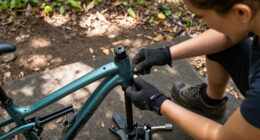
The best gravel bike stem overall in this roundup is the FSA VAS, which stands apart for adding vibration absorption to a familiar 31.8 mm cockpit. The Cane Creek GXC range offers several lengths for riders seeking a gravel-specific fit, while the Zipp Service Course B2 is a straightforward choice for a compact setup. The main tradeoffs are comfort features versus simplicity, length and rise versus handling, and premium materials versus adjustability. I also compare cable-routing compatibility, since an ACR stem suits only frames and cockpits designed for that system. Read on for the full breakdown and guidance on matching a stem to your bike and fit.

Get sports gear delivered free with Prime
- Fast, free delivery on millions of items
- Prime Video, Amazon Music and more included
- Member-only deals all year
Complete the kit


Key Takeaways
- FSA VAS is the clearest comfort-focused pick: its vibration-absorbing design gives it a distinct purpose beyond changing stem length or angle.
- Cane Creek GXC appears in three lengths and two finishes: the range makes fit and appearance easier to match, but the 60, 70, and 90 mm versions are not interchangeable in their effect on handling.
- FSA NS ACR is a compatibility-led choice: its appeal depends on having a frame and cockpit suited to ACR cable routing, rather than simply wanting a conventional stem.
- Angle and length can matter more than material: the CYSKY 35° stem and adjustable Ritchey model offer fit changes that a fixed-angle carbon stem may not provide.
- The lineup spans distinct budgets and priorities: premium carbon options such as the Ritchey WCS Carbon Matrix prioritize a different balance from simpler alloy choices such as the FOMTOR, so buyers should start with fit and intended use.
| FSA VAS Vibration-Absorbing Stem, 80 mm, 31.8 mm Clamp, ±6°, Black |  | Best for Vibration Damping | Length: 80 mm | Handlebar clamp: 31.8 mm | Steerer clamp: 28.6 mm (1 1/8 in) | VIEW LATEST PRICE | See Our Full Breakdown |
| FSA K-Force Light 2.0 Bicycle Stem, 100 mm, ±6°, 31.8 mm |  | Best for Lightweight Long-Reach Setups | Length: 100 mm | Angle: ±6° | Handlebar clamp: 31.8 mm | VIEW LATEST PRICE | See Our Full Breakdown |
| Cane Creek GXC Gravel Stem, 60 mm, ±6°, Black |  | Best Compact Gravel Fit | Length: 60 mm | Angle: Adjustable from +6° to -6° | Handlebar clamp: 31.8 mm | VIEW LATEST PRICE | See Our Full Breakdown |
| FSA NS ACR Stem, 110 mm, Black |  | Best for Integrated Cable Routing | Length: 110 mm | Angle: ±6° | Handlebar clamp: 31.8 mm | VIEW LATEST PRICE | See Our Full Breakdown |
| FOMTOR 31.8 mm Bike Handlebar Stem, 60 mm, ±7° |  | Best Budget-Style General-Purpose Pick | Length: 60 mm | Angle: ±7° | Handlebar diameter: 31.8 mm | VIEW LATEST PRICE | See Our Full Breakdown |
| Cane Creek GXC Bike Stem, 90 mm, ±6°, Black |  | Best for a Traditional Gravel Fit | Length: 90 mm | Angle: +6° or -6° | Handlebar clamp diameter: 31.8 mm | VIEW LATEST PRICE | See Our Full Breakdown |
| Zipp Service Course B2 Bike Stem, 70 mm, ±6°, Black |  | Best Short-Reach Alloy Pick | Length: 70 mm | Angle: +6° or -6° | Handlebar clamp diameter: 31.8 mm | VIEW LATEST PRICE | See Our Full Breakdown |
| Ritchey WCS Carbon Matrix C220 84D Stem |  | Best Premium Carbon-Reinforced Option | Length: 110 mm | Handlebar clamp diameter: 31.8 mm | Stem angle: 6 degrees | VIEW LATEST PRICE | See Our Full Breakdown |
| Ritchey 4-Axis Adjustable Bike Stem, 90 mm, 31.8 mm Clamp, 1-1/8 in Steerer |  | Best for a Wide Range of Position Changes | Length: 90 mm | Angle adjustment: ±55° | Handlebar clamp diameter: 31.8 mm | VIEW LATEST PRICE | See Our Full Breakdown |
| RXL SL 3K Carbon Fiber Bicycle Stem, 31.8 mm, ±6° or ±17° |  | Best Carbon Option for Angle Choice | Material: 3K carbon fiber with aluminum alloy cap | Handlebar clamp diameter: 31.8 mm | Steerer compatibility: 1⅛ in (28.6 mm) | VIEW LATEST PRICE | See Our Full Breakdown |
| CYSKY 35° Bicycle Stem, 31.8 mm Handlebar Clamp, 60 mm Length |  | Best for a Higher Handlebar Position | Material: 6061-T6 aluminum alloy | Handlebar clamp diameter: 31.8 mm | Fork clamp diameter: 28.6 mm (1-1/8 in) | VIEW LATEST PRICE | See Our Full Breakdown |
| PNW Components Coast Stem for MTB and Gravel Bikes |  | Best for a Camera or Light Mount | Material: Aluminum | Handlebar clamp diameter: 31.8 mm | Rise: 7° | VIEW LATEST PRICE | See Our Full Breakdown |
| Cane Creek GXC Gravel Stem, 90 mm, ±6°, Silver |  | Best for a Longer Gravel Fit | Material: 6066 aluminum alloy | Finish: Polished silver | Length: 90 mm | VIEW LATEST PRICE | See Our Full Breakdown |
| Cane Creek GXC Gravel Stem, 70 mm, ±6°, Black | | Best Compact Gravel Stem | Material: Forged and machined 6066 aluminum alloy | Length: 70 mm | Angle: ±6° | VIEW LATEST PRICE | See Our Full Breakdown |
| FSA NS ACR Stem, 100 mm, Black |  | Best for Integrated Cable Routing | Length: 100 mm | Handlebar clamp diameter: 31.8 mm | Stem angle: ±6° | VIEW LATEST PRICE | See Our Full Breakdown |
| gravel bike stem | Material | Length | Angle | Handlebar clamp diameter |
|---|---|---|---|---|
| FSA VAS Vibration-Absorbing St | Aluminum | 80 mm | ±6° | — |
| FSA K-Force Light 2.0 Bicycle | 6061-T6 aluminum alloy | 100 mm | ±6° | — |
| Cane Creek GXC Gravel Stem | Forged and machined 6066 aluminum alloy | 60 mm | Adjustable from +6° to -6° | — |
| FSA NS ACR Stem | Aluminum | 110 mm | ±6° | — |
| FOMTOR 31.8 mm Bike Handlebar | CNC-machined 6061-T6 aluminum alloy | 60 mm | ±7° | — |
| Cane Creek GXC Bike Stem | Forged and machined 6066 aluminum alloy | 90 mm | +6° or -6° | 31.8 mm |
| Zipp Service Course B2 Bike St | Forged AL-6061 aluminum | 70 mm | +6° or -6° | 31.8 mm |
| Ritchey WCS Carbon Matrix C220 | Forged 2014 aluminum with carbon exoskeleton | 110 mm | — | 31.8 mm |
| Ritchey 4-Axis Adjustable Bike | Forged 6061 alloy | 90 mm | — | 31.8 mm |
| RXL SL 3K Carbon Fiber Bicycle | 3K carbon fiber with aluminum alloy cap | — | — | 31.8 mm |
| CYSKY 35° Bicycle Stem | 6061-T6 aluminum alloy | 60 mm | 35° | 31.8 mm |
| PNW Components Coast Stem for | Aluminum | — | — | 31.8 mm |
| Cane Creek GXC Gravel Stem | 6066 aluminum alloy | 90 mm | Adjustable from +6° to -6° | 31.8 mm |
| Cane Creek GXC Gravel Stem | Forged and machined 6066 aluminum alloy | 70 mm | ±6° | 31.8 mm |
| FSA NS ACR Stem | Aluminum | 100 mm | — | 31.8 mm |
More Details on Our Top Picks
FSA VAS Vibration-Absorbing Stem, 80 mm, 31.8 mm Clamp, ±6°, Black
The FSA VAS is the most comfort-focused option here: its replaceable firmness bushings let riders tune how much vibration reaches the handlebar, from softer comfort settings to a firmer race feel. That makes it a distinctive choice for rough gravel, where reducing repeated impacts may help limit hand and arm fatigue. Compared with the Cane Creek GXC Gravel Stem, 60 mm, the VAS gives up a shorter cockpit option in favor of this damping system and an 80 mm length. Its aluminum construction keeps the design familiar, but the comfort effect depends on choosing the right bushing, and this is not a substitute for checking fit or tire setup. Buyers who want a straightforward, rigid stem should look at the FSA K-Force Light 2.0 instead.
Pros:- Three bushing firmness options let riders tune the feel for comfort, sport, or race use.
- Vibration-damping design targets impacts transmitted to the hands and arms.
- Aluminum construction with a conventional 31.8 mm handlebar clamp.
Cons:- The fixed 80 mm length will not suit every gravel-bike fit.
- Damping feel depends on selecting a suitable bushing, adding a setup choice.
- The supplied data does not specify a weight beyond the listed item weight of 1 lb.
Best for: Gravel riders with an 80 mm fit who want adjustable vibration damping for long rides on rough roads.
Not ideal for: Riders who need a 60 mm or 100 mm stem, or who prefer a simple rigid design without interchangeable bushings.
- Length:80 mm
- Handlebar clamp:31.8 mm
- Steerer clamp:28.6 mm (1 1/8 in)
- Angle:±6°
- Material:Aluminum
- Bushing options:Light Grey (70A), Dark Grey (80A), Dark Black (90A)
- Color:Black
- Warranty:Limited warranty
Our verdict“Choose the FSA VAS if your fit calls for 80 mm and adjustable damping matters more than a conventional rigid feel.”
FSA K-Force Light 2.0 Bicycle Stem, 100 mm, ±6°, 31.8 mm
For riders who need a 100 mm reach and want a conventional, lightweight build, the FSA K-Force Light 2.0 is a more direct choice than the vibration-focused FSA VAS. Its 6061-T6 aluminum body and titanium hardware pair a familiar stem format with a listed weight of 8.48 oz, making it suited to riders refining a road, cyclocross, or gravel cockpit without adding a damping mechanism. The ±6° angle offers a standard adjustment range, not a dramatic change in riding position. Compatibility is narrower than its broad intended-use description suggests: it needs a 31.8 mm handlebar and a 1-1/8 in fork. Riders seeking a shorter gravel cockpit should compare it with the Cane Creek GXC Gravel Stem, 60 mm rather than choosing by material alone.
Pros:- Listed weight of 8.48 oz for a 100 mm stem.
- 6061-T6 aluminum body and faceplate with titanium hardware.
- Intended for road, cyclocross, and gravel use.
- ±6° angle suits riders seeking a conventional stem position.
Cons:- The 100 mm length may be too long for riders seeking a compact gravel cockpit.
- Limited to 31.8 mm handlebars and 1-1/8 in forks.
- Offers no vibration-damping adjustment like the FSA VAS.
Best for: Gravel riders whose fit calls for a 100 mm stem and who want a lightweight aluminum option with titanium hardware.
Not ideal for: Riders needing a shorter reach, a different handlebar clamp size, or a fork outside the stated 1-1/8 in standard.
- Length:100 mm
- Angle:±6°
- Handlebar clamp:31.8 mm
- Fork diameter:1-1/8 in
- Fork stack height:41 mm
- Material:6061-T6 aluminum alloy
- Hardware:Titanium
- Weight:8.48 oz
Our verdict“Pick the K-Force Light 2.0 when your gravel fit needs 100 mm and a lightweight, standard stem rather than short reach or built-in damping.”
Cane Creek GXC Gravel Stem, 60 mm, ±6°, Black
The Cane Creek GXC’s 60 mm length gives gravel riders a compact-cockpit option in a purpose-focused design. Its forged and machined 6066 aluminum alloy construction and stainless steel hardware make it a more specialized pick than the broadly marketed FOMTOR 60 mm stem, while the adjustable +6° to -6° angle allows a modest position change. At 6.24 oz, it is also the lighter of those two 60 mm options based on the supplied figures. The tradeoff is a narrow fit window: it accepts only 31.8 mm handlebars and a 1-1/8 in steerer, and the short reach will not suit riders who need a longer cockpit. Compared with the FSA K-Force Light 2.0, this is the better match for a compact setup, not a 100 mm reach.
Pros:- Compact 60 mm length suits riders shortening their gravel cockpit.
- Forged and machined 6066 aluminum alloy construction.
- Adjustable angle from +6° to -6°.
- Stainless steel hardware and a listed weight of 6.24 oz.
Cons:- Limited to 31.8 mm handlebars and a 1-1/8 in steerer.
- The 60 mm reach may be too short for riders who need a longer position.
- Angle adjustment is modest compared with stems offering a broader range.
Best for: Gravel riders seeking a short 60 mm stem with a small angle adjustment and a gravel-specific design.
Not ideal for: Riders who need a longer cockpit, a different clamp standard, or a wider angle range for position changes.
- Length:60 mm
- Angle:Adjustable from +6° to -6°
- Handlebar clamp:31.8 mm
- Steerer diameter:1 1/8 in
- Material:Forged and machined 6066 aluminum alloy
- Hardware:Stainless steel
- Weight:6.24 oz
- Color:Black
Our verdict“Choose the GXC 60 mm if you need a compact gravel cockpit and its clamp and steerer standards match your bike.”
FSA NS ACR Stem, 110 mm, Black
The FSA NS ACR is the lineup’s cockpit-integration pick: its low-profile shape and aerodynamic cable routing suit a gravel bike built around a compatible frame, headset, and handlebar system. That compatibility requirement is the deciding factor, not a minor detail. Unlike the broadly compatible Cane Creek GXC 60 mm, this stem depends on specific ACR components, including listed FSA handlebar models, so it is a poor fit for a casual stem swap. Its 110 mm length also favors riders who need a longer cockpit, while the 30 mm fork-clamp stack height and aluminum body with chromoly hardware define the setup. Choose it for a planned integrated build; choose the FSA K-Force Light 2.0 if standard parts and simpler installation matter more.
Pros:- Aerodynamic cable routing and a low-profile frontal area.
- 110 mm length serves riders who need a longer cockpit.
- Aluminum body and faceplate with chromoly hardware.
- Designed for both road and gravel bikes.
Cons:- Installation requires a compatible frame and headset.
- Handlebar compatibility is limited to specified FSA models.
- The 110 mm length will not suit riders seeking a compact cockpit.
Best for: Gravel riders building or updating a compatible FSA ACR cockpit who need a 110 mm stem and integrated cable routing.
Not ideal for: Riders with a standard frame, headset, or handlebar setup, or anyone looking for a simple replacement stem without system-specific compatibility checks.
- Length:110 mm
- Angle:±6°
- Handlebar clamp:31.8 mm
- Fork clamp stack height:30 mm
- Material:Aluminum
- Hardware:Chromoly
- Weight:12.48 oz
- Installation:Requires a compatible frame and headset
Our verdict“Buy the NS ACR only when your frame, headset, and handlebar support its integrated routing and your fit calls for 110 mm.”
FOMTOR 31.8 mm Bike Handlebar Stem, 60 mm, ±7°
The FOMTOR is the straightforward, general-purpose 60 mm option in this group. Its CNC-machined 6061-T6 aluminum body, four-bolt clamp, and 115 g listed weight provide useful basics for a gravel rider whose priority is a short stem rather than damping or cockpit integration. Compared with the Cane Creek GXC Gravel Stem, 60 mm, it covers more bike categories on paper, but the GXC has a gravel-specific description, adjustable angle, stainless steel hardware, and a lower listed weight. The FOMTOR’s ±7° angle differs only modestly from the GXC’s ±6° range. Fit remains the main constraint: this model needs a 31.8 mm handlebar and 28.6 mm steerer. The listing also says no components are included, so buyers should check what their installation requires.
Pros:- CNC-machined 6061-T6 aluminum alloy construction.
- Four-bolt bar clamp holds the handlebar at four points.
- Listed weight of 115 g.
- Designed for several bike categories, including road and mountain bikes.
Cons:- Limited to 31.8 mm handlebars and 28.6 mm (1-1/8 in) steerers.
- Listed as 60 mm despite other lengths appearing in the title, so verify the specific size.
- No components are included.
Best for: Gravel riders who need a basic 60 mm stem with a 31.8 mm handlebar clamp and value broad cross-bike applicability.
Not ideal for: Riders seeking a gravel-specific lightweight upgrade, integrated cable routing, vibration damping, or a stem outside the listed clamp standards.
- Length:60 mm
- Angle:±7°
- Handlebar diameter:31.8 mm
- Steerer diameter:28.6 mm (1-1/8 in)
- Material:CNC-machined 6061-T6 aluminum alloy
- Clamp:Four-bolt
- Weight:115 g
- Included components:None
- Warranty:2 years
Our verdict“Choose the FOMTOR for a basic 60 mm stem when its standards match your bike and the more gravel-focused Cane Creek features are not needed.”
Cane Creek GXC Bike Stem, 90 mm, ±6°, Black
The Cane Creek GXC is a straightforward choice for riders who want a conventional 90 mm stem with a small position adjustment, rather than the wide-angle range of the Ritchey 4-Axis Adjustable. Its reversible ±6° angle lets you raise or lower the bar modestly by flipping the stem, while the forged and machined 6066 aluminum construction keeps the design focused on rigidity and low weight. Stainless steel hardware and a polished black finish round out a clean, practical setup. Compared with the shorter Zipp Service Course B2, this GXC gives riders more reach, which can suit a stretched-out gravel position but may be too long for a compact cockpit. It is not a fit-all option: the handlebar and steerer must match its specified diameters.
Pros:- 90 mm length suits riders seeking more reach than a compact 70 mm stem
- Reversible ±6° angle offers a modest change in bar position
- Forged and machined 6066 aluminum is described as lightweight and rigid
- Stainless steel hardware and polished black finish
Cons:- Requires a 31.8 mm handlebar clamp and 1 1/8 in steerer
- ±6° adjustment cannot match the height range of the Ritchey 4-Axis Adjustable
- 90 mm reach may feel too long for riders seeking a compact gravel cockpit
Best for: Gravel and cross-country riders who already know they want a 90 mm reach and need a small, reversible cockpit-height adjustment.
Not ideal for: Riders with handlebars other than 31.8 mm or a steerer other than 1 1/8 in, or anyone seeking substantial bar-height adjustment.
- Length:90 mm
- Angle:+6° or -6°
- Handlebar clamp diameter:31.8 mm
- Steerer tube diameter:1 1/8 in
- Material:Forged and machined 6066 aluminum alloy
- Hardware:Stainless steel
- Weight:7.04 oz
- Bike type:Gravel and cross-country
Our verdict“Choose the GXC if you want a lightweight, conventional 90 mm gravel stem with a modest angle flip and compatible components.”
Zipp Service Course B2 Bike Stem, 70 mm, ±6°, Black
The Zipp Service Course B2 earns its place for riders who want a shorter 70 mm stem with a sturdy alloy build and conventional ±6° positioning. Its forged AL-6061 body and machined faceplate are aimed at stiffness and easier installation, while stainless steel TORX bolts support controlled tightening. Compared with the 90 mm Cane Creek GXC, this Zipp pulls the handlebar closer, which can help riders seeking a more compact cockpit; it does not offer the GXC’s longer reach. Its stated bike type is city, so gravel buyers should treat compatibility and intended fit as their responsibility rather than assuming a gravel-specific design. The angle range is modest, and the 31.8 mm bar and 28.6 mm steerer dimensions rule out mismatched components.
Pros:- 70 mm length offers a shorter reach than the 90 mm Cane Creek GXC
- Forged AL-6061 body is designed for strength and stiffness
- Machined faceplate is designed to aid installation and stiffness
- Stainless steel TORX bolts allow precise torque adjustment
Cons:- Only offers +6° or -6° positioning
- Requires a 31.8 mm handlebar and 28.6 mm steerer
- Listed as a city-bike stem, so gravel fit and intended use need careful checking
Best for: Gravel riders with compatible parts who want a short 70 mm stem, a straightforward ±6° fit adjustment, and an alloy construction.
Not ideal for: Riders who need a longer cockpit, broad angle adjustment, or a stem explicitly specified for their gravel bike without checking fit.
- Length:70 mm
- Angle:+6° or -6°
- Handlebar clamp diameter:31.8 mm
- Steerer clamp diameter:28.6 mm
- Material:Forged AL-6061 aluminum
- Hardware:Stainless steel TORX bolts
- Weight:100 g
- Finish:Bead-blast black
Our verdict“Pick the Zipp if you need a short, conventional alloy stem and have confirmed its clamp dimensions suit your gravel bike.”
Ritchey WCS Carbon Matrix C220 84D Stem
The Ritchey WCS Carbon Matrix C220 is the premium-minded choice here for riders who want a 110 mm stem and a carbon-reinforced structure, rather than the simpler aluminum construction of the Cane Creek GXC. Its forged 2014 aluminum body is paired with a carbon exoskeleton that is described as 12% stiffer than the WCS alloy C220. The 220-degree handlebar wrap is intended to create a secure interface while supporting a lighter faceplate and easier installation. That longer 110 mm reach can suit riders who want an extended position, but it is a poor match for anyone trying to shorten their cockpit. The listed weight is inconsistent—126 g in one section and 138 g in another—so I would not choose it based on a precise weight comparison.
Pros:- Carbon exoskeleton is described as 12% stiffer than the WCS alloy C220
- 220-degree clamp is designed for a secure handlebar interface
- Forged 2014 aluminum body combines with carbon reinforcement
- Clamp design is intended to support easier installation
Cons:- Conflicting listed weights of 126 g and 138 g make exact weight comparisons difficult
- 110 mm length may be too long for riders seeking a compact cockpit
- 31.8 mm handlebar clamp limits compatibility
Best for: Gravel riders seeking a 110 mm stem with carbon reinforcement and a secure wrap-style clamp, and who are comfortable verifying fit before purchase.
Not ideal for: Riders seeking a short cockpit, a clearly confirmed weight, or a stem that fits handlebars outside the 31.8 mm clamp standard.
- Length:110 mm
- Handlebar clamp diameter:31.8 mm
- Stem angle:6 degrees
- Material:Forged 2014 aluminum with carbon exoskeleton
- Clamp design:220-degree handlebar wrap
- Listed weight:126 g in description; 138 g in item information
- Color:Black
- Warranty:Limited
Our verdict“Choose the Ritchey WCS if you want a longer, carbon-reinforced stem and value its clamp design more than a confirmed weight figure.”
Ritchey 4-Axis Adjustable Bike Stem, 90 mm, 31.8 mm Clamp, 1-1/8 in Steerer
If your gravel fit still needs experimentation, the Ritchey 4-Axis Adjustable offers far more room to change handlebar height than the ±6° Cane Creek GXC or Zipp Service Course B2. Its stated angle adjustment of ±55° can help riders test a much more upright position without changing the stem, while forged 6061 alloy and stainless steel bolts provide a conventional material and hardware package. That flexibility comes with a clear tradeoff: at 228 g, the listed weight is substantially above the 100 g Zipp, and the product data says that figure applies to the 105 mm version, not this 90 mm one. I would treat its weight as unconfirmed for the listed length. The adjustable design is better for fit flexibility than a clean, low-weight gravel build.
Pros:- ±55° adjustment allows much larger position changes than fixed ±6° stems
- Forged 6061 alloy construction
- Stainless steel bolts are specified as corrosion-resistant
- Fits 31.8 mm handlebars and a 1 1/8 in steerer
Cons:- 228 g figure is specified for the 105 mm version, not the listed 90 mm stem
- Heavier listed weight than the 100 g Zipp Service Course B2
- Broad adjustment range may be unnecessary for riders with an established fit
Best for: Gravel riders still tuning handlebar height who want a broad adjustment range and accept extra weight for that flexibility.
Not ideal for: Weight-conscious riders or buyers who need a confirmed weight for the 90 mm version before choosing a stem.
- Length:90 mm
- Angle adjustment:±55°
- Handlebar clamp diameter:31.8 mm
- Steerer clamp diameter:28.6 mm (1 1/8 in)
- Handlebar clamp width:42.5 mm
- Stack height:40 mm
- Material:Forged 6061 alloy
- Listed weight:228 g; specified for the 105 mm length
Our verdict“Choose this Ritchey when changing bar height is more important than a light, fixed-angle gravel setup.”
RXL SL 3K Carbon Fiber Bicycle Stem, 31.8 mm, ±6° or ±17°
The RXL SL 3K Carbon Fiber Stem stands apart from the alloy Cane Creek GXC by combining a carbon body with a choice of two angle options and lengths from 70 to 130 mm. That range lets buyers match the stem more closely to their current cockpit plan, while the design is intended to dampen road vibration—an appealing aim for rough gravel surfaces. Its approximate 120–148 g weight varies by configuration, so comparisons depend on the chosen size; the listed 100 g Zipp is lighter by its stated figure. Installation also demands more care: the manufacturer recommends a torque wrench and 4 Nm tightening, plus assembly paste. That makes this a less casual fit-and-forget pick than the alloy options, and compatibility remains limited to 31.8 mm bars and a 1⅛-inch steerer.
Pros:- 3K carbon fiber body with aluminum alloy cap
- Available in lengths from 70 to 130 mm
- Choice of ±6° or ±17° angle options
- Designed to dampen road vibrations
Cons:- Installation calls for a torque wrench and manufacturer-recommended assembly paste
- Approximate weight varies from 120 to 148 g by configuration
- Requires a 31.8 mm handlebar and 1⅛-inch steerer
Best for: Gravel riders who want a carbon stem, need to choose among several lengths, and can follow torque-controlled installation guidance.
Not ideal for: Riders without access to a torque wrench or assembly paste, or buyers seeking a simple alloy stem with fewer setup demands.
- Material:3K carbon fiber with aluminum alloy cap
- Handlebar clamp diameter:31.8 mm
- Steerer compatibility:1⅛ in (28.6 mm)
- Available angles:±6°, ±17°
- Available lengths:70–130 mm
- Approximate weight:120–148 g
- Recommended torque:4 Nm
- Color:No Logo 3K matte
Our verdict“Choose the RXL SL if you want carbon construction and more size and angle choices, and can install it with careful torque control.”
CYSKY 35° Bicycle Stem, 31.8 mm Handlebar Clamp, 60 mm Length
The 35° rise sets this CYSKY apart from the near-level Cane Creek GXC stems and ±6° options in this roundup. That pronounced angle can raise the handlebar position for riders seeking a more upright fit, while its 60 mm length keeps it in the shorter range for a gravel setup. The 6061-T6 aluminum body and four-bolt bar clamp offer a straightforward design, and an included hex wrench simplifies installation. Its broad list of intended bike types is less useful than the actual fit dimensions: the bar must be 31.8 mm and the steerer clamp 28.6 mm. This is a fit-focused choice, not a gravel-specific design, and the steep rise may not suit riders trying to preserve a low, stretched cockpit.
Pros:- 35° angle provides much more rise than the ±6° Cane Creek GXC stems.
- 60 mm length suits riders seeking a shorter stem.
- 6061-T6 aluminum alloy construction.
- Hex wrench is included for installation.
Cons:- The pronounced rise may not suit riders aiming for a low gravel position.
- Requires a 31.8 mm handlebar and 28.6 mm fork clamp.
- The 60 mm length offers no listed alternatives for fine-tuning reach.
Best for: Gravel riders with compatible clamp sizes who want a shorter stem and a substantially higher handlebar position.
Not ideal for: Riders seeking a low, race-oriented cockpit or those whose handlebar or steerer diameters differ from 31.8 mm and 28.6 mm.
- Material:6061-T6 aluminum alloy
- Handlebar clamp diameter:31.8 mm
- Fork clamp diameter:28.6 mm (1-1/8 in)
- Angle:35°
- Length:60 mm
- Weight:122 g
- Included components:Bicycle stem and hex wrench
- Warranty:1 year
Our verdict“Choose the CYSKY if your bike matches its clamp dimensions and a markedly higher, short-stem cockpit is your priority.”
PNW Components Coast Stem for MTB and Gravel Bikes
The detachable accessory mount gives the PNW Components Coast a practical gravel-specific advantage over the Cane Creek GXC stems, which focus on a conventional, lightweight cockpit. It can hold an action camera or a compatible light, keeping an accessory near the bar without relying on a separate mount; the light itself is not specified, so check fit before buying. Its 7° rise is a modest alternative to the CYSKY’s much steeper 35° angle, and the available 60–100 mm lengths provide more reach choices than a single-length stem. Weight rises with length, from 111 g at 60 mm to 136 g at 100 mm. The tradeoff is a painted aluminum design with limited detail about mount compatibility, so riders who do not need the mount may prefer a simpler stem.
Pros:- Detachable mount supports an action camera or compatible light.
- Available in five lengths from 60 to 100 mm.
- 7° rise offers a modest change in bar position compared with the CYSKY’s 35° angle.
- Weight is listed for each available length.
Cons:- The compatible light type is not specified.
- Weight varies by length, so buyers need to match the figure to their chosen size.
- The 31.8 mm clamp excludes handlebars of other diameters.
Best for: Gravel riders who want a standard 31.8 mm stem with a removable mount for an action camera or compatible light.
Not ideal for: Riders who do not need an accessory mount, want a specified light fit, or need a handlebar clamp other than 31.8 mm.
- Material:Aluminum
- Handlebar clamp diameter:31.8 mm
- Rise:7°
- Available lengths:60, 70, 80, 90, and 100 mm
- Weight by length:111 g (60 mm); 117 g (70 mm); 123 g (80 mm); 129 g (90 mm); 136 g (100 mm)
- Mount:Detachable action camera or compatible light mount
- Color and finish:Black, painted
- Model number:CST70318
Our verdict“Pick the Coast if an integrated detachable camera or light mount matters more to you than a stripped-down cockpit.”
Cane Creek GXC Gravel Stem, 90 mm, ±6°, Silver
At 90 mm, this silver Cane Creek GXC suits riders who want a longer reach than the brand’s 70 mm GXC option, without moving to the FSA NS ACR’s 100 mm length. Its ±6° angle gives some room to adjust the bar height, though it is a smaller fit change than the CYSKY’s 35° rise. Forged and machined 6066 aluminum is the central construction feature; stainless steel hardware and a polished finish round out a more refined gravel-oriented package. The stated 7.04 oz weight may appeal to riders keeping an eye on cockpit mass, but it is not the shortest choice here. Fit is restricted to 31.8 mm handlebars and a 1-1/8-inch steerer, so verify both before choosing it.
Pros:- 90 mm length offers more reach than the 70 mm Cane Creek GXC.
- ±6° angle allows modest cockpit adjustment.
- Forged and machined 6066 aluminum construction.
- Stainless steel hardware and polished silver finish.
Cons:- Longer reach may not suit riders seeking a compact cockpit.
- Fit is limited to 31.8 mm handlebars and a 1-1/8-inch steerer.
- Angle adjustment is less pronounced than the CYSKY’s 35° rise.
Best for: Gravel and cross-country riders who need a 90 mm stem, want modest angle adjustment, and prefer a polished silver finish.
Not ideal for: Riders needing a shorter cockpit, a different clamp diameter, or a steerer other than 1-1/8 inch.
- Material:6066 aluminum alloy
- Finish:Polished silver
- Length:90 mm
- Angle:Adjustable from +6° to -6°
- Handlebar clamp diameter:31.8 mm
- Steerer tube diameter:1-1/8 in
- Hardware:Stainless steel
- Item weight:7.04 oz
- Warranty:Limited warranty
Our verdict“Choose this GXC if you want a 90 mm gravel stem with modest angle adjustment and your bike matches its clamp sizes.”
Cane Creek GXC Gravel Stem, 70 mm, ±6°, Black
This 70 mm Cane Creek GXC is the compact counterpart to the 90 mm silver GXC: it shortens the cockpit reach while keeping the same ±6° adjustment and gravel-focused construction. That makes it a more direct choice for riders who want a shorter stem than the PNW Coast’s longer options, without the CYSKY’s pronounced 35° rise. Its forged and machined 6066 aluminum body, stainless steel hardware, and black finish keep the design focused on a conventional fit rather than accessory mounting or cable-routing systems. The listed weight is 6.72 oz, but buyers should not treat that as a reason to choose it over fit. Its narrow compatibility—31.8 mm bars and a 1-1/8-inch steerer—rules it out for bikes with different standards.
Pros:- 70 mm length creates a more compact fit than the 90 mm GXC.
- ±6° angle supports modest position adjustment.
- Forged and machined 6066 aluminum construction.
- Stainless steel hardware and black finish.
Cons:- Shorter reach may not work for riders who need a longer cockpit.
- Compatible only with 31.8 mm handlebars and a 1-1/8-inch steerer.
- No accessory mount or specialized cable-routing feature is listed.
Best for: Gravel riders looking to shorten reach with a 70 mm stem while retaining modest ±6° fit adjustment.
Not ideal for: Riders who need a 90–100 mm reach, an accessory mount, or compatibility beyond 31.8 mm bars and a 1-1/8-inch steerer.
- Material:Forged and machined 6066 aluminum alloy
- Length:70 mm
- Angle:±6°
- Handlebar clamp diameter:31.8 mm
- Steerer diameter:1-1/8 in
- Hardware:Stainless steel
- Color:Black
- Item weight:6.72 oz
- Warranty:Limited warranty
Our verdict“Choose the 70 mm GXC if you want a compact, conventional gravel stem and do not need the longer reach of its 90 mm counterpart.”
FSA NS ACR Stem, 100 mm, Black
The FSA NS ACR earns its place through low-profile aerodynamic cable routing, a feature that separates it from the conventional Cane Creek GXC stems and the accessory-focused PNW Coast. Its 100 mm length gives it a longer reach than either GXC reviewed here, while the ±6° angle offers a modest fit adjustment. That combination suits riders building a longer road-gravel cockpit, but the routing system is not a universal upgrade: installation requires a compatible frame and headset. The aluminum body and chromoly hardware provide a conventional material mix, while the listed 235 g weight is notably substantial beside the GXC weights in this group. Choose this stem for its routing approach and system compatibility, not as a lightweight or broadly interchangeable replacement.
Pros:- Low-profile shape supports aerodynamic cable routing.
- 100 mm length suits riders seeking a longer cockpit than the 70 mm Cane Creek GXC.
- ±6° angle allows modest position adjustment.
- Designed for road and gravel riding.
Cons:- Requires a compatible frame and headset, limiting replacement compatibility.
- At 235 g, it is heavier than the listed Cane Creek GXC stems.
- The 31.8 mm handlebar clamp excludes other handlebar sizes.
Best for: Road and gravel riders with an ACR-compatible frame and headset who want low-profile integrated cable routing and a 100 mm stem.
Not ideal for: Riders with a frame or headset that lacks ACR compatibility, those seeking a short stem, or buyers prioritizing low weight.
- Length:100 mm
- Handlebar clamp diameter:31.8 mm
- Stem angle:±6°
- Fork clamp stack height:30 mm
- Material:Aluminum
- Hardware:Chromoly
- Color:Black
- Weight:235 g
- Compatibility:Requires a compatible frame and headset
Our verdict“Choose the NS ACR if your frame and headset support its routing system and you want a long, low-profile cockpit rather than a lightweight stem.”

How We Picked
I compared these stems around the decisions gravel riders actually face: matching handlebar clamp and steerer dimensions, choosing a useful length and angle, and deciding whether features such as vibration absorption, carbon construction, adjustability, or internal routing suit the bike. I also separated products with a clear use case from stems that are mainly straightforward replacements. A stem that does not match the bike’s interface or routing system is not a practical upgrade, regardless of its material.
The ranking favors useful gravel-specific fit and comfort options first, followed by versatile designs and distinct specialist choices. The FSA VAS leads for its vibration-focused design, while the Cane Creek GXC family earns attention through multiple fit options. More specialized or compatibility-dependent models rank lower for general use, not because they are inherently poor choices, but because they suit a narrower set of riders or bikes. Product details alone cannot confirm a rider’s ideal fit, so I treat length and rise as choices to verify against the current setup.
| gravel bike stem | Hardware |
|---|---|
| FSA VAS Vibration-Absorbing St | — |
| FSA K-Force Light 2.0 Bicycle | Titanium |
| Cane Creek GXC Gravel Stem | Stainless steel |
| FSA NS ACR Stem | Chromoly |
| FOMTOR 31.8 mm Bike Handlebar | — |
| Cane Creek GXC Bike Stem | Stainless steel |
| Zipp Service Course B2 Bike St | Stainless steel TORX bolts |
| Ritchey WCS Carbon Matrix C220 | — |
| Ritchey 4-Axis Adjustable Bike | — |
| RXL SL 3K Carbon Fiber Bicycle | — |
| CYSKY 35° Bicycle Stem | — |
| PNW Components Coast Stem for | — |
| Cane Creek GXC Gravel Stem | Stainless steel |
| Cane Creek GXC Gravel Stem | Stainless steel |
| FSA NS ACR Stem | Chromoly |
Factors to Consider When Choosing Best Gravel Bike Stems
Before choosing a stem, I would treat fit and bike compatibility as the starting point, then weigh comfort, construction, and adjustability. A stem is a small part, but a change in its dimensions can alter hand position and steering response.
Match the Stem to Your Bike’s Interfaces
Check the handlebar clamp diameter and steerer diameter against the stem and your current parts before comparing finishes or materials. A common clamp size does not mean every stem fits every bike; the steerer interface must match too. Also check whether the bike routes brake and shift lines through or beneath the stem. An ACR model such as the FSA NS ACR belongs on a compatible system, not on a bike chosen by appearance alone. If you are unsure, confirm the dimensions from the frame, fork, and handlebar documentation or ask a bike mechanic to check them. This simple check prevents a stem that cannot be safely installed from becoming an expensive fit experiment.
Choose Length for Fit, Not Just a Gravel Label
Stem length affects how far forward the hands sit and can influence how steering feels, but it should not be used to mask every fit problem. A shorter stem may bring the bars closer, while a longer one may extend reach; either change can affect weight distribution and control. Compare a proposed size with the stem already on the bike, and make one change at a time if you are troubleshooting. The GXC options in this lineup show why a product family’s name is not enough: 60, 70, and 90 mm versions produce different setups. Riders with pain or persistent handling concerns should seek a fit check rather than guessing from a product listing.
Treat Rise and Angle as Position Changes
Stem angle influences handlebar height, but the final position also depends on how the stem is installed and on the spacers and handlebar shape. A steep-angle option such as the CYSKY 35° can suit a rider who needs a more upright position, yet it is not a universal comfort fix. Moving the bars higher or lower can change how much weight rests on the hands and how the bike feels on climbs and descents. Before buying, check whether the stem can be flipped and whether the resulting height range meets your needs. Avoid choosing a dramatic angle solely because it looks like an easy solution to discomfort; saddle position, bar reach, and frame fit can also be involved.
Decide Whether Vibration Control Is Worth the Tradeoff
Gravel surfaces vary, so a feature intended to reduce vibration may appeal most to riders who spend long hours on rough roads. The FSA VAS stands apart in this lineup for that focus, whereas a conventional stem prioritizes a simpler cockpit setup. Comfort is also shaped by tire size and pressure, handlebar tape, gloves, bar shape, and fit, so a stem should not carry the full burden of smoothing a bike. Riders on mostly smooth routes may get more from dialing in tires and position before adding a specialized component. If you want a targeted comfort feature, weigh its relevance to your riding against the simplicity of a standard stem.
Pay for Materials Only When They Serve Your Priorities
Carbon and lightweight construction can appeal to riders seeking a refined or weight-conscious cockpit, but material alone does not establish that a stem is right for gravel use. The Ritchey WCS Carbon Matrix and RXL SL carbon option sit apart from straightforward alloy choices, while the FOMTOR offers a more basic route to a compatible setup. Buyers should compare the exact dimensions, installation requirements, and manufacturer guidance rather than assuming that carbon automatically adds comfort or durability. For rough riding, correct installation and torque matter regardless of material. Spend more when a specific feature or construction choice fits your goals, not simply to make the cockpit sound more advanced.
Check Adjustability and Routing Before Committing
An adjustable stem can help with fit experimentation, but adjustability may add complexity and does not replace a measured position. The Ritchey 4-Axis Adjustable model has a different role from a fixed-angle stem because it is intended to change position over a wider range. Internal-routing stems can also create a cleaner cockpit, but they require the right frame and cable path. Think about how often you expect to change setup: a rider still refining fit may value adjustability, while someone settled on position may prefer a simpler fixed design. Confirm that any adjustment or routing feature works with your bars, controls, and frame before ordering.
Frequently Asked Questions
Can I replace my current stem with any 31.8 mm model?
No. A 31.8 mm measurement usually refers to the handlebar clamp, and it does not confirm compatibility with your fork steerer or cable-routing setup. Check the steerer diameter, stem clamp requirements, and handlebar compatibility before buying. For an ACR stem, also confirm that the frame and cockpit support the routing system. If any measurement is unclear, have a mechanic inspect the current parts before installation.
Should I choose a shorter stem for better gravel handling?
Not automatically. A shorter stem brings the bars closer and can change steering feel, but the right length depends on your frame, body position, and riding preferences. A large change can leave you too upright or alter the balance between the front and rear of the bike. Compare the candidate length with your current setup and make small, deliberate adjustments. If the goal is to fix pain or numbness, a fit assessment may reveal causes beyond stem length.
Is a vibration-absorbing stem a better comfort upgrade than wider tires?
It depends on the bike and the discomfort you are trying to address. Wider tires, suitable pressure, bar tape, and a well-fitted position can all affect comfort across rough ground, while the FSA VAS specifically adds a stem-based vibration feature. A stem cannot compensate for an unsuitable tire setup or poor fit. Riders who already have tires and position dialed in may find a targeted cockpit feature more relevant. Consider the whole contact-point setup before choosing which part to change.
When does an adjustable or high-angle stem make sense?
An adjustable stem can help a rider experiment with handlebar position, especially while refining fit, but it should not be treated as a permanent substitute for checking frame size and contact points. A high-angle stem can raise the bars, which may suit riders seeking a more upright cockpit, yet it also changes the bike’s feel. Confirm that the resulting height and position work with your spacers, cables, and controls. If you have settled on a fit, a fixed stem with the correct dimensions may be simpler.
Should I choose carbon for gravel riding, or is alloy the safer choice?
Neither material is automatically the right choice for every gravel rider. Carbon options may appeal to riders prioritizing a particular build or lower weight, while alloy models can offer a straightforward replacement without making material the main buying decision. Product quality, correct fit, installation, and following the manufacturer’s torque guidance matter with either material. Inspect the stem regularly, especially after an impact, and replace any part with visible damage. Choose based on verified specifications and your priorities rather than material alone.
Conclusion
For most riders seeking a gravel-focused feature, I would start with the FSA VAS as best overall because vibration absorption gives it the most distinctive role in this group. The FOMTOR is my best value-style pick for riders who need a basic 60 mm stem and have confirmed compatibility, while the Ritchey WCS Carbon Matrix is the best premium choice for buyers prioritizing a carbon option. Beginners still sorting out their fit should look first at the Ritchey 4-Axis Adjustable and get their dimensions checked before installation. For specific needs, choose the Cane Creek GXC length that matches your position or the FSA NS ACR only if your bike supports its routing. The best choice is the one that fits your bike and measured position, not simply the one with the most features.