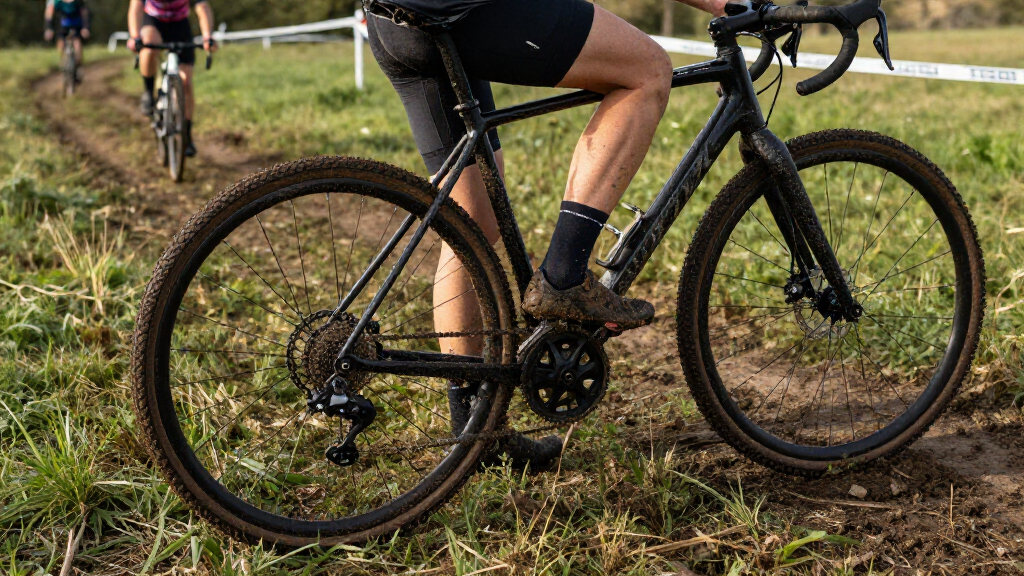
Choosing among the best cyclocross bikes in this lineup starts with a distinction: three listings are complete gravel bikes, while one is a frameset. My leading pick for riders seeking a versatile complete bike is the SAVADECK Carbon Gravel Bike with Shimano GRX400, whose hydraulic brakes and carbon frame make it the most clearly equipped option for mixed terrain. The Tommaso Sterrata is my practical aluminum alternative, with a carbon fork and a Shimano 24-speed drivetrain. Riders who want a carbon build with an 11-speed drivetrain can look at the second SAVADECK, while the Motobecane frameset is for experienced builders who already plan to source the remaining parts.

Get sports gear delivered free — and shop member deals
- Fast, free delivery on millions of items
- Access to Prime Big Deal Days deals on October 6–7
- Prime Video, Amazon Music and more included
There are meaningful limits to this comparison. The products are described as gravel bikes or a frameset, and the supplied information does not establish cyclocross race geometry, race-specific handling, or verified performance on a course. I rank them by how usefully their stated equipment maps to mixed-surface and cyclocross-style riding, how complete each purchase is, and how much setup or product uncertainty a buyer must take on. The key tradeoffs are hydraulic versus mechanical disc brakes, carbon versus aluminum, and a ready-to-build complete bike versus a bare frameset.
Complete the kit


Key Takeaways
- Best-equipped complete bike: The SAVADECK GRX400 pairs a stated carbon frame and fork with Shimano hydraulic disc brakes and 700 × 40c tires.
- Best aluminum complete-bike alternative: The Tommaso Sterrata combines an aluminum frame, carbon fork, mechanical Avid BB5 disc brakes, and a Shimano 24-speed drivetrain.
- Best for a carbon 11-speed setup: The other SAVADECK uses Shimano U6000 11-speed components and hydraulic brakes, but its listing supplies little ride or durability evidence.
- Best for a custom build: The Motobecane is only a frame, rigid fork, and headset; it does not include the parts needed to make a complete bicycle.
- Check the cyclocross fit carefully: These listings describe gravel capability and wide tires, but provide no geometry figures or verified cyclocross race testing.
| SAVADECK Carbon Gravel Bike with Shimano GRX400 20-Speed Groupset |  | Best Overall for a Carbon, Hydraulic-Brake Complete Bike | Frame and fork: T800 R21 carbon fiber | Weight: 10.4 kg (22.92 lb), as listed | Groupset: Shimano GRX400, 20-speed | VIEW LATEST PRICE | See Our Full Breakdown |
| Tommaso Sterrata Gravel Bike – Aluminum Frame, Carbon Fork, Shimano 24-Speed |  | Best Aluminum Complete Bike | Frame: Aluminum | Fork: Carbon | Drivetrain: Shimano 24-speed | VIEW LATEST PRICE | See Our Full Breakdown |
| SAVADECK Carbon Gravel Bike with Shimano 11-Speed Drivetrain |  | Best for a Carbon 11-Speed Setup | Frame and fork: T800 R21 carbon fiber | Weight: 10.4 kg (22.92 lb), as listed | Drivetrain: Shimano U6000, 11-speed | VIEW LATEST PRICE | See Our Full Breakdown |
| Motobecane Gravel Super Road Cyclocross Aluminum Bike Frame with Rigid Fork |  | Best for a Custom Frame Build | Product type: Frame and fork frameset | Frame material: Aluminum | Fork: Rigid | VIEW LATEST PRICE | See Our Full Breakdown |
| cyclocross bike | Brakes | Frame and fork | Weight | Tires |
|---|---|---|---|---|
| SAVADECK Carbon Gravel Bike wi | Shimano RX400 hydraulic disc | T800 R21 carbon fiber | 10.4 kg (22.92 lb), as listed | 700 × 40c |
| Tommaso Sterrata Gravel Bike | Avid BB5 disc brakes | — | — | 700 × 40c |
| SAVADECK Carbon Gravel Bike wi | Hydraulic disc | T800 R21 carbon fiber | 10.4 kg (22.92 lb), as listed | — |
| Motobecane Gravel Super Road C | — | — | — | — |
More Details on Our Top Picks
SAVADECK Carbon Gravel Bike with Shimano GRX400 20-Speed Groupset
My top choice is the SAVADECK GRX400 because it has the most coherent stated package for a rider who wants one complete bike for pavement links and rougher surfaces. The T800 R21 carbon frame and fork, Shimano GRX400 20-speed groupset, and Shimano RX400 hydraulic disc brakes address the central mixed-terrain needs in one listing. Its 700 × 40c tires also indicate a wider-tire setup than a narrow road configuration, though the listing does not give measured frame clearance or specify cyclocross race geometry.
Compared with the other SAVADECK, this model names the GRX400 groupset rather than the U6000 11-speed components, which makes its gravel-oriented specification easier to identify from the information provided. Both claim a carbon frame and hydraulic braking, so I would not infer a major performance gap without independent ride data. Against the Tommaso, the SAVADECK trades an aluminum frame and mechanical brakes for carbon construction and hydraulics; that is a more ambitious component direction, but it comes with less supplied history about durability and setup.
The headline 10.4 kg weight is appealing on paper, but I would verify the size and configuration to which it applies before using it as a deciding factor. The listing also gives no customer reviews or long-term durability details, leaving a real evidence gap for a carbon bicycle purchase. This pick makes most sense when the stated equipment matches your needs and you can confirm fit, assembly, and support. Riders focused on a proven cyclocross race platform should compare geometry and clearance before assuming a gravel label guarantees the right fit.
Pros:- T800 R21 carbon frame and fork
- Shimano GRX400 20-speed groupset
- Shimano RX400 hydraulic disc brakes
- 700 × 40c tires for mixed surfaces
Cons:- No customer reviews or long-term durability details are supplied
- Listing does not establish cyclocross geometry or measured tire clearance
- Assembly and sizing details should be confirmed before purchase
Best for: Riders seeking a complete carbon gravel bike with a named Shimano GRX400 drivetrain, hydraulic brakes, and 700 × 40c tires.
Not ideal for: Buyers who need documented long-term reliability, verified cyclocross geometry, or a product with a clear independent ride record.
- Frame and fork:T800 R21 carbon fiber
- Weight:10.4 kg (22.92 lb), as listed
- Groupset:Shimano GRX400, 20-speed
- Brakes:Shimano RX400 hydraulic disc
- Tires:700 × 40c
- Rims:45-spoke
- Crankset:Shimano RX600
- Cable routing:Internal
Our verdict“I rank the GRX400 SAVADECK first for its well-specified carbon and hydraulic-brake package, provided the buyer verifies fit and support.”
Tommaso Sterrata Gravel Bike – Aluminum Frame, Carbon Fork, Shimano 24-Speed
The Tommaso Sterrata earns its place by offering a simpler material mix: an aluminum frame paired with a carbon fork. For someone who prefers a complete bike with a named mechanical disc-brake system and a Shimano drivetrain, that combination is easier to evaluate than a listing with less specific component detail. Its 700 × 40c tires are suited on paper to mixed surfaces, and the stated lifetime warranty is a notable ownership point, subject to the seller’s exact terms and the required professional assembly.
Compared with the two SAVADECK carbon bikes, the Sterrata gives up the carbon frame and hydraulic braking. The listed Avid BB5 brakes are mechanical discs, whereas both SAVADECKs specify hydraulic systems. That distinction may matter for riders who prioritize braking feel and control in repeated wet or muddy riding, though these listings do not provide comparative test results. In return, the Tommaso avoids making a full-carbon frame the centerpiece of its value proposition and offers a 24-speed Shimano drivetrain, versus the SAVADECK GRX400’s 20 speeds and the U6000 model’s 11-speed count.
The tradeoff is setup. The description says the bike arrives untuned and requires professional assembly to validate the warranty, so buyers should account for shop setup rather than expect to ride straight from the box. The listing also cautions that it may intimidate absolute beginners. I would choose it over the SAVADECKs if the aluminum frame, warranty terms, and mechanical disc setup suit my priorities; I would skip it if I specifically want hydraulic brakes or a verified race-ready cyclocross build.
Pros:- Aluminum frame with a carbon fork
- Shimano 24-speed drivetrain
- Avid BB5 disc brakes
- 700 × 40c tires and a stated lifetime warranty
Cons:- Professional assembly is required to validate the warranty
- Bike may arrive untuned and need adjustment
- Mechanical brakes differ from the hydraulic systems on both SAVADECKs
Best for: Riders who want an aluminum complete bike with a carbon fork, a Shimano 24-speed drivetrain, and mechanical disc brakes.
Not ideal for: Buyers who want hydraulic brakes, minimal setup, or documented cyclocross-specific geometry and handling.
- Frame:Aluminum
- Fork:Carbon
- Drivetrain:Shimano 24-speed
- Tires:700 × 40c
- Rims:TC-20D
- Spokes:28
- Brakes:Avid BB5 disc brakes
- Assembly:Professional assembly required to validate warranty
Our verdict“I recommend the Sterrata to riders who favor an aluminum frame and broad Shimano gearing and accept professional setup and mechanical brakes.”
SAVADECK Carbon Gravel Bike with Shimano 11-Speed Drivetrain
This SAVADECK is the alternative for riders drawn to a carbon frame and fork who want the listing’s named Shimano U6000 11-speed drivetrain. It shares the other SAVADECK’s stated 10.4 kg weight, 700 × 40c tires, and hydraulic disc brakes, so the basic mixed-terrain proposition is similar. Its differentiator is the 11-speed U6000 component set and the description that it arrives 90% pre-assembled with tools included.
Against the GRX400 SAVADECK, the U6000 model provides a more detailed breakdown of its shifters, rear derailleur, cassette, and chain, while the GRX400 listing names a gravel-specific groupset and Shimano RX400 brakes. The supplied information does not establish which drivetrain performs better or how their gearing ranges compare, so buyers should check the actual cassette and chainring configuration for local climbs and cyclocross conditions. Compared with the Tommaso, this SAVADECK lists hydraulic brakes and a carbon frame, but it lacks the Tommaso’s stated lifetime warranty and requires some home assembly.
The biggest reservation is evidence. The listing does not include customer feedback or independent ride-performance and durability details. A carbon frame’s material label and a pre-assembly percentage do not answer questions about fit, build quality, warranty handling, or the final adjustments required. This is a reasonable candidate for someone comfortable checking those items and assembling a nearly built bike. I would choose the GRX400 version if I prefer its named groupset identity, or the Tommaso if aluminum and a stated warranty matter more.
Pros:- T800 R21 carbon frame and fork
- Shimano U6000 11-speed components
- Hydraulic disc brakes
- 90% pre-assembled with tools included, according to the listing
Cons:- No customer reviews or ride-performance evidence are supplied
- Some assembly and final adjustment are required
- Listing does not specify cyclocross geometry or measured tire clearance
Best for: Riders who want a carbon mixed-terrain bike with a stated Shimano U6000 11-speed drivetrain and can handle final assembly.
Not ideal for: Buyers who need independent durability information, a fully assembled purchase, or confirmed cyclocross race geometry.
- Frame and fork:T800 R21 carbon fiber
- Weight:10.4 kg (22.92 lb), as listed
- Drivetrain:Shimano U6000, 11-speed
- Shifters and rear derailleur:Shimano U6000
- Cassette and chain:LG400 cassette; CN-LG500 chain
- Brakes:Hydraulic disc
- Tires and wheels:700 × 40c tires; 45-spoke wheels
- Assembly:90% pre-assembled; tools included
Our verdict“I see this as a strong specification-led option for a carbon 11-speed build, with assembly and limited product evidence as the main compromises.”
Motobecane Gravel Super Road Cyclocross Aluminum Bike Frame with Rigid Fork
The Motobecane belongs in this roundup for a different reason: it is the only listing that explicitly calls itself a cyclocross frameset, but it is not a complete bicycle. The package is described as an aluminum frame, rigid fork, and headset, with front and rear disc-brake compatibility and room for wide tires. That makes it a potential starting point for an experienced builder who wants to choose the drivetrain, wheels, brakes, cockpit, and finishing parts independently.
Compared with the three complete bikes, the Motobecane leaves the most decisions and compatibility checks to the buyer. The Tommaso or either SAVADECK arrives with a listed drivetrain, brakes, and tires; this frameset supplies none of those components. Its attraction is control over the final build, not convenience. The listing’s wide-tire statement is also less precise than the complete bikes’ 700 × 40c tire specifications: it gives no maximum tire width or geometry measurements here, so I would ask for exact clearance and fit data before choosing tires or wheels.
The aluminum construction and rigid fork keep the listed frame package straightforward, while disc compatibility supports contemporary wheel and brake choices. Still, a bare frameset can become a poor fit for a buyer who has not budgeted time for component research, parts sourcing, and assembly. It ranks fourth for readers searching for a ride-ready cyclocross bike, but could be the right starting point for a builder who values a custom parts list and can verify standards. Anyone expecting to receive a complete bicycle should skip it.
Pros:- Aluminum frame with rigid fork
- Compatible with front and rear disc brakes
- Designed to fit wide tires, according to the listing
- Headset included
Cons:- Frameset only; drivetrain, brakes, wheels, tires, and other components are not included
- Exact tire clearance and detailed geometry are not supplied
- Requires component compatibility checks and a separate build
Best for: Experienced home builders or mechanics who want an aluminum base for a custom gravel, road, or cyclocross build.
Not ideal for: Riders looking for a complete bicycle, a ready-to-ride purchase, or stated drivetrain, brake, wheel, and tire components.
- Product type:Frame and fork frameset
- Frame material:Aluminum
- Fork:Rigid
- Brake compatibility:Front and rear disc brakes
- Tire clearance:Fits wide tires; exact maximum not stated
- Included:Headset
- Color:Matte blue
- Other components:Not included
Our verdict“I recommend the Motobecane only to builders who want to select every major component and can confirm frame standards and clearance.”
How We Picked
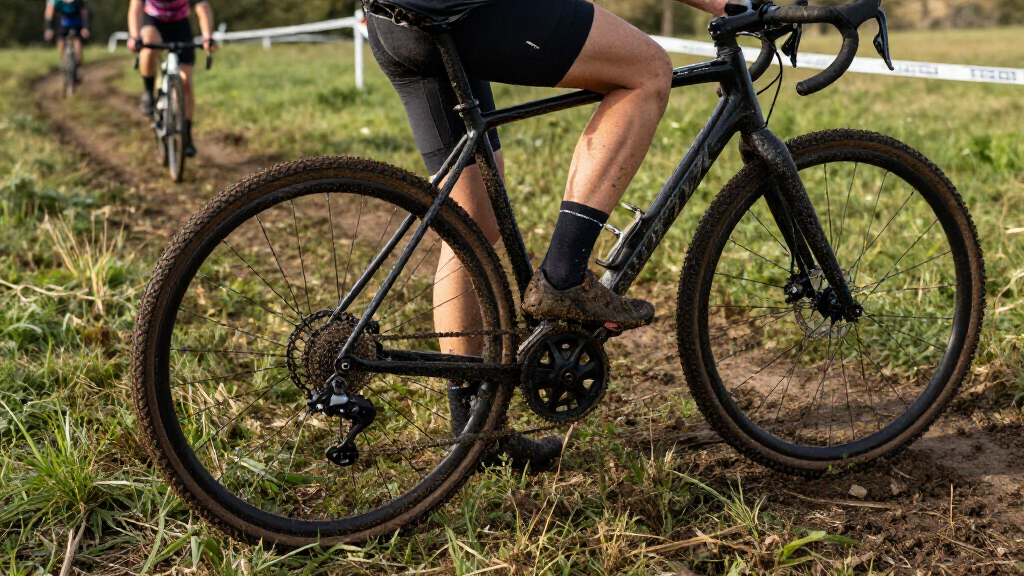
I ranked these options using the details supplied for each listing, focusing on the needs a cyclocross-minded buyer can reasonably evaluate: frame and fork material, braking system, drivetrain, tire width or clearance, completeness, and assembly demands. A complete bike with a described groupset and brakes is easier to compare as a working package than a frameset, so the Motobecane ranks fourth for buyers who need a ride-ready bicycle, even though it could suit a builder well.
The two carbon SAVADECKs rank ahead of the aluminum options on stated component package: both list hydraulic disc brakes, carbon frames and forks, and 700 × 40c tires. The GRX400 model takes the top position because its Shimano GRX groupset gives the clearest gravel-oriented component identity in the supplied details. The 11-speed model follows closely, with a named U6000 drivetrain and a more explicit assembly description, but no supplied evidence confirms its ride performance or durability. The Tommaso ranks third because its aluminum frame and mechanical disc brakes are straightforward tradeoffs against the carbon, hydraulic-brake SAVADECKs; its Shimano 24-speed drivetrain and lifetime warranty are useful points in its favor.
I have not treated marketing claims as independent proof. The supplied information does not include measured geometry, tire-clearance dimensions for the complete bikes, fit guidance, independent durability data, or cyclocross course results. The Motobecane listing does state compatibility with wide tires and disc brakes, but it is a frameset rather than a complete bike. Buyers should confirm sizing, component compatibility, assembly requirements, and current specifications with the seller before ordering.
| cyclocross bike | Brakes | Fork | Drivetrain |
|---|---|---|---|
| SAVADECK Carbon Gravel Bike wi | Shimano RX400 hydraulic disc | — | — |
| Tommaso Sterrata Gravel Bike | Avid BB5 disc brakes | Carbon | Shimano 24-speed |
| SAVADECK Carbon Gravel Bike wi | Hydraulic disc | — | Shimano U6000, 11-speed |
| Motobecane Gravel Super Road C | — | Rigid | — |
Factors to Consider When Choosing Best Cyclocross Bikes
I would choose a cyclocross-minded bike by confirming that its fit, clearance, brakes, and gearing suit the riding I plan to do. These four listings provide useful equipment details, but they do not supply enough geometry or ride evidence to certify any one as a dedicated race machine.Check that the bike fits the riding, not just the category
The word cyclocross in a product title does not tell me the frame’s handling, fit, or race suitability. Before choosing, I would look for frame geometry figures, size charts, fork and frame clearance, and the intended riding category. Cyclocross racing often involves tight turns, short accelerations, mud, and frequent dismounts; a general gravel setup may be designed around longer mixed-surface rides instead. The listings here give tire details for three complete bikes but no geometry tables, so I would verify fit with the seller and compare it with a known bike that feels right.
For the Motobecane, exact tire clearance is especially important because the description only says it supports wide tires. I would request the maximum tire size with the intended wheel and mud clearance before buying. A nominal tire width can vary by rim, casing, and brand, so the printed number alone does not guarantee the actual installed width.
Compare brake systems in real riding conditions
The two SAVADECK complete bikes specify hydraulic disc brakes, while the Tommaso lists Avid BB5 mechanical discs. Hydraulic systems use fluid pressure and can offer a different lever feel and modulation; mechanical systems use a cable and may suit riders who prefer simpler cable-based servicing. The listing details do not provide comparative stopping-distance tests, so I would not treat either system as categorically superior for every rider.
For wet, muddy rides or repeated braking, I would check rotor size, pad availability, and the seller’s setup instructions alongside the brake type. The Motobecane frameset is merely described as disc compatible; the buyer still needs to select compatible brakes, wheels, and controls. That component choice adds flexibility but also makes the final build the buyer’s responsibility.
Choose drivetrain range and simplicity deliberately
These bikes list three drivetrain approaches: Shimano GRX400 with 20 speeds, Shimano U6000 with 11 speeds, and a Shimano 24-speed system on the Tommaso. The number of speeds alone does not reveal the full gear range. Chainring sizes, cassette range, and gear steps determine how easy it is to climb, accelerate, or hold a comfortable cadence. I would ask for those details and compare them with the terrain I ride.
The GRX400 designation makes the first SAVADECK the clearest gravel-oriented groupset pick in this lineup. The U6000 bike offers a named 11-speed component family and a parts breakdown, while the Tommaso lists the highest speed count. None of those facts proves which bike has the best gearing for a particular rider. A buyer who races on steep or muddy courses should prioritize the actual low gear and simple shifting under load over the headline count.
Think through frame material and the available evidence
The two SAVADECKs state T800 carbon frames and forks, and the Tommaso pairs an aluminum frame with a carbon fork. Carbon construction is often selected to reduce frame weight and tune ride characteristics, while aluminum offers a different balance of stiffness, impact behavior, and repair considerations. These listings do not provide independent frame tests or long-term ownership data, so I would weigh the material claims alongside warranty terms, service support, and seller responses.
The stated 10.4 kg weight on both SAVADECK listings may help compare the advertised builds, but I would confirm the size and included configuration behind that number. The Tommaso’s lifetime warranty is a useful stated advantage, although the buyer should read the terms and follow the professional assembly requirement. I would not treat a warranty headline as a substitute for understanding what parts and conditions it covers.
Account for setup and completeness
The Tommaso requires professional assembly to validate its warranty and may arrive untuned. The U6000 SAVADECK says it arrives 90% pre-assembled with tools, but that still leaves assembly and adjustment for the buyer or a shop. The GRX400 listing does not offer the same assembly detail in the supplied description, so I would confirm delivery condition before purchase. A partly assembled bike still needs careful checks of steering, brakes, wheels, and shifting.
The Motobecane is a frameset, so it needs nearly every major component before it can be ridden. I would make a parts list first and check axle standards, bottom bracket, headset, seatpost, brake mounts, wheel size, and tire clearance. For a rider seeking a quick path to riding, one of the three complete bikes is the more appropriate product type. For a builder with a parts plan, the frameset’s flexibility may be useful.
Ask what is actually verified for cyclocross
The supplied descriptions use gravel and cyclocross language, but none includes race results, independent reviews, detailed geometry, or verified performance on a cyclocross course. I would treat the stated materials and components as product specifications, not proof of how a bike handles in a race. If racing is the goal, ask about UCI compliance if relevant to your events, shoulder clearance for carrying, mud clearance, and whether the frame design supports the dismounts and remounts you expect.
For mixed-surface recreational riding, the 700 × 40c tires listed on the complete bikes give a useful starting point, provided the frame actually has adequate clearance for the chosen conditions. For competitive racing, local rules, course surfaces, and tire limits may change the ideal setup. Confirming those details can matter more than choosing between an 11-speed and 20-speed label.
Frequently Asked Questions
Which bike in this roundup is the best all-around choice?
I rank the SAVADECK with Shimano GRX400 first for riders seeking a complete mixed-terrain bike because its listing combines a carbon frame and fork, a named GRX400 20-speed groupset, hydraulic disc brakes, and 700 × 40c tires. That makes its equipment package the clearest match for a buyer comparing gravel-oriented bikes for cyclocross-style use. I would still confirm the fit, assembly details, warranty support, and actual tire clearance before ordering.
Are these dedicated cyclocross race bikes?
The supplied descriptions do not establish that any of the three complete bikes is designed specifically for cyclocross racing. They are presented primarily as gravel bikes, and the listings do not provide geometry figures, race testing, or verified mud clearance. The Motobecane title uses cyclocross, but it is only a frameset. A race-focused buyer should request geometry and component standards and confirm that the bike suits the rules and conditions of their events.
What is the difference between the two SAVADECK bikes?
Both listings state a T800 carbon frame and fork, 10.4 kg weight, hydraulic disc brakes, and 700 × 40c tires. The first names a Shimano GRX400 20-speed groupset and Shimano RX400 brakes. The second lists Shimano U6000 11-speed components, gives more detail on its cassette and chain, and says it arrives 90% pre-assembled with tools. The supplied information does not include direct performance comparisons, so I would compare their exact gear ranges, fit, support, and assembly needs.
Should I choose the Tommaso’s mechanical brakes or a SAVADECK’s hydraulic brakes?
The Tommaso lists Avid BB5 mechanical disc brakes, while both SAVADECK models specify hydraulic disc brakes. Mechanical brakes use cables and may appeal to riders who want cable-based service; hydraulic systems have a different lever feel and require fluid-system maintenance. The listings provide no stopping-distance or wet-condition test results. I would choose based on service access, comfort at the lever, replacement parts, and the conditions where I ride, rather than assuming the brake label alone settles the decision.
Can I ride the Motobecane as it arrives?
No. The Motobecane listing describes a frame and rigid fork frameset with a headset, not a complete bicycle. It does not include the drivetrain, brakes, wheels, tires, cockpit, or other parts needed to ride. A buyer must source compatible components and assemble the bike, or pay a qualified mechanic to do so. I would ask for exact frame standards and tire clearance before building, since those details affect which parts will fit.
Conclusion
For a rider who wants the most clearly specified complete package, I would start with the SAVADECK GRX400, then verify its fit and support details. If an aluminum frame, carbon fork, Shimano 24-speed drivetrain, and stated lifetime warranty fit my priorities, I would shortlist the Tommaso Sterrata and plan for professional assembly. The U6000 SAVADECK suits a buyer who specifically wants its carbon 11-speed setup and accepts some assembly and limited durability evidence. I would choose the Motobecane only if I were building a bike from a frameset and had confirmed all component standards.
For dedicated racing, I would make the final choice only after checking geometry, clearance, fit, and race-specific requirements with the seller or a knowledgeable shop. The listings give enough information to compare materials and components, but not enough to claim verified cyclocross performance.
Fall Picks
fall essentials
As an affiliate, we earn on qualifying purchases.