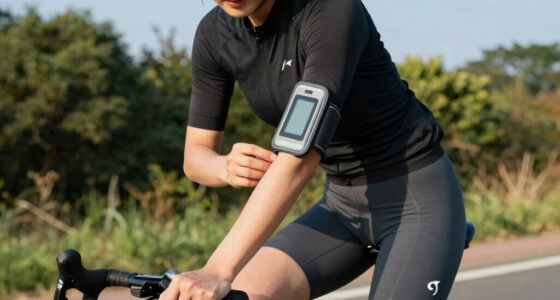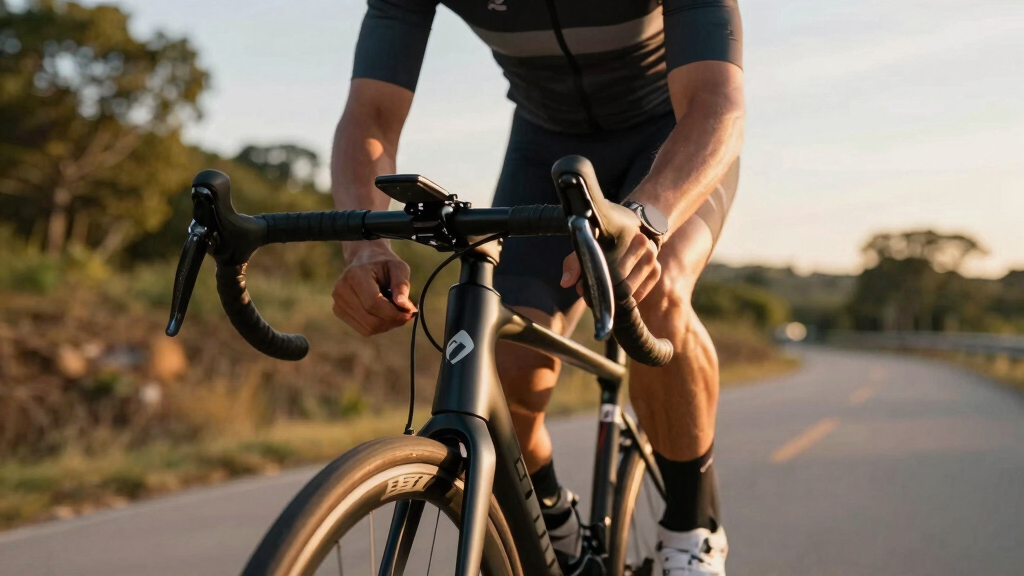
When choosing the best cadence and speed sensor bundles, you want reliable performance, easy setup, and compatibility with your cycling devices. The Garmin Bike Speed 2 and Cadence 2 Sensor Bundle stands out for its seamless integration and durability. For a balance of affordability and accuracy, the CYCPLUS Cycling Speed and Cadence Sensor offers great value. Meanwhile, the Magene Outdoor/Indoor Speed/Cadence Sensor is ideal for versatile training environments. The main tradeoffs often involve balancing price, compatibility, and ease of installation. Keep reading for a detailed comparison that will help you find the best fit for your cycling routine.
Key Takeaways
- The top-ranked Garmin bundle excels in ease of use and integration with Garmin devices, making it ideal for Garmin ecosystem users.
- Magene sensors are highly versatile, suitable for indoor and outdoor use, but may require more setup for non-compatible devices.
- Price varies significantly; bundles like CYCPLUS offer solid performance at a lower cost, while Garmin’s premium options deliver seamless connectivity.
- Compatibility with ANT+ and Bluetooth is a key factor, with some sensors supporting both for maximum versatility.
- Durability and waterproof ratings, such as IP67, are essential for riders training in various weather conditions.


More Details on Our Top Picks
Magene Outdoor/Indoor Speed/Cadence Sensor for Cycling, Wireless Bluetooth/Ant+ Bike Computer RPM Sensor for Road Bike or Spinning Bike and Trainers Compatible with Onelap, Wahoo Fitness, Zwift
This Magene sensor stands out for its versatile compatibility with both Bluetooth and ANT+ devices, making it ideal for cyclists who use multiple platforms like Zwift or Wahoo. Unlike the Garmin Speed Sensor 2, which is more streamlined but limited to Garmin devices, this model can connect to several apps simultaneously via ANT+, offering broader integration. However, its single-mode operation per sensor (speed or cadence) requires purchasing two units, which adds complexity and cost. The magnetic and tight fit installation ensures stability during vigorous rides, but the need to manually remove the battery tab can be a minor inconvenience. Overall, this makes the most sense for riders who want a customizable setup and use a variety of training apps, despite the extra sensors needed for dual metrics.
Pros:- Supports both Bluetooth and ANT+ protocols for broad device compatibility
- Automatic sleep mode prolongs battery life, reducing maintenance
- Stable magnetic attachment minimizes sensor dislodging
Cons:- Requires two sensors to measure both speed and cadence, increasing cost
- Manual battery removal process can be inconvenient
Best for: Cyclists who prioritize compatibility with multiple training apps and devices, and are comfortable managing two sensors.
Not ideal for: Casual riders or those seeking a simple, single-sensor setup for basic tracking, as the need for two units increases complexity and cost.
- Battery:Pre-installed, replaceable
- Connectivity:Bluetooth 4.0+ and ANT+
- Modes:Speed or Cadence (single mode per sensor)
- Compatibility:Multiple apps and devices via ANT+
- Automatic Sleep:Yes
- Mounting:Magnetic, tight fit
Bottom line: This sensor is best suited for tech-savvy cyclists who need flexible, multi-platform compatibility and are willing to manage two units.
iGPSPORT Speed or Cadence Sensor, Bluetooth ANT+ Wireless Waterproof Cycling Sensor, Compatible with Bike Computer Stationary Bike
This iGPSPORT sensor excels in offering impressive 300-hour battery life and waterproof IPX7 rating, making it ideal for riders who train in all weather conditions. Its compatibility with both Bluetooth 5.0 and ANT+ allows it to connect seamlessly with most bike computers and spin bikes, similar to the CYCPLUS model but with a stronger emphasis on longevity. Compared with the Garmin sensors, which are more compact but have shorter battery life, this pick emphasizes durability over size. While the sensor’s slim design offers good protection and minimal interference, some users find it slightly bulkier than the Garmin Speed Sensor 2. This makes it an excellent choice for those who value long-term reliability over ultra-lightweight form factor, though it might be less discreet on the bike.
Pros:- Long-lasting 300 hours battery life reduces frequent replacements
- Waterproof IPX7 rating withstands rainy and wet conditions
- Easy-to-replace battery structure simplifies maintenance
Cons:- Slightly larger and bulkier than compact sensors like Garmin Speed Sensor 2
- Requires proper alignment for optimal signal, which can be tricky on certain bike setups
Best for: Endurance cyclists or indoor trainers needing a robust, waterproof sensor with extended battery life.
Not ideal for: Riders seeking the smallest, most lightweight sensors for minimal bike aesthetic impact, as its design is a bit bulkier than alternatives.
- Battery Life:300 hours
- Waterproof Rating:IPX7
- Connectivity:Bluetooth 5.0 and ANT+
- Compatibility:Most bike computers and spin bikes
- Design:Slim, waterproof
- Mounting:Hub or crank compatible
Bottom line: Ideal for riders who prioritize durability and long battery life, especially in wet conditions, over minimal size.
Garmin Bike Speed 2 and Cadence 2 Sensor Black, One Size
This Garmin bundle offers excellent accuracy and seamless integration with Garmin devices, especially the Edge series, making it ideal for serious Garmin users. Self-calibrating speed sensors attach directly to the wheel hub, providing precise speed and distance metrics without calibration fuss, unlike the Magene sensors which sometimes require manual adjustments. The cadence sensor attaches to any crank arm, delivering real-time pedal stroke data that enhances training analysis. The main tradeoff is size—these sensors are slightly bulkier than the ultra-slim alternatives— and they lack multi-device connectivity beyond Garmin ecosystems. Compared to the CYCPLUS sensor, which emphasizes multi-protocol support, Garmin’s sensors excel in integration but are less versatile across different platforms.
Pros:- Highly accurate, self-calibrating sensor setup
- Excellent integration with Garmin edge and cycling computers
- Durable and easy to attach to wheel hub and crank arm
Cons:- Limited compatibility outside Garmin ecosystem
- Slightly larger and less discreet than other ultra-light sensors
Best for: Cyclists who use Garmin devices exclusively and seek reliable, plug-and-play sensors for training and racing.
Not ideal for: Riders who want multi-protocol support or use non-Garmin devices, as these sensors are optimized primarily for Garmin’s ecosystem.
- Attachment:Hub for speed, crank for cadence
- Calibration:Self-calibrating
- Connectivity:ANT+ and Bluetooth
- Compatibility:Garmin devices
- Battery:Replaceable
- Design:Durable, standard size
Bottom line: Perfect for dedicated Garmin users seeking reliable, easy-to-use sensors with seamless device integration.
Magene Outdoor/Indoor Speed/Cadence Sensor for Cycling, Wireless Bluetooth/Ant+ Bike Computer RPM Sensor for Road Bike or Spinning Bike and Trainers Compatible with Onelap, Wahoo Fitness, Zwift
This Magene sensor set is very similar to the B087QD82Y6 but offers a slightly different package, making it suitable for riders who want flexibility in their device connections. It supports both Bluetooth and ANT+ protocols, accommodating a broad range of bike computers and training apps. The key tradeoff is the same: one sensor only measures either speed or cadence, necessitating two sensors for full metrics, which can increase costs and setup complexity. Installation is straightforward with magnetic mounting, but the tight fit can cause minor friction marks on the bike frame. Compared with the CYCPLUS sensor, Magene’s offering provides more detailed customization options, but at a similar size and power consumption level.
Pros:- Supports both Bluetooth and ANT+ for maximum compatibility
- Automatic sleep mode conserves battery life
- Magnetic mounting provides secure attachment
Cons:- Requires two sensors for measuring both speed and cadence
- Installation can cause friction marks if fit is tight
Best for: Cyclists who need flexible multi-protocol sensors and are okay managing a dual-sensor setup for full metrics.
Not ideal for: Beginners or casual riders who prefer a single, simple sensor for basic tracking, due to the need for two sensors for both speed and cadence.
- Protocols:Bluetooth 4.0+ and ANT+
- Modes:Speed or Cadence (one mode per sensor)
- Battery:Replaceable
- Mounting:Magnetic
- Compatibility:Multiple devices/apps
- Sleep Mode:Yes
Bottom line: This sensor bundle suits tech-savvy cyclists who want broad compatibility and are comfortable with dual sensors for complete data.
CYCPLUS Cycling Speed and Cadence Sensor Bluetooth & ANT+ Wireless Bike Cadence Sensor Speed IP67 Waterproof
The CYCPLUS sensor is designed with a compact form factor (only 38mm x 29.5mm x 9.5mm) and dual-mode operation, allowing users to switch quickly between speed and cadence without needing two separate sensors. Its size and weight (just 9.2g) mean it won’t affect bike aesthetics or pedaling effort, making it ideal for riders who want a minimal visual footprint. Its support for both Bluetooth and ANT+ ensures compatibility across most devices, similar to the Magene sensors, but with the added benefit of a longer 300-hour battery life. A potential tradeoff is the need to toggle modes manually, which might be less convenient during quick metric changes. Compared to Garmin’s bundle, this sensor offers more flexibility and longer endurance at a similar price point.
Pros:- Ultra-small size and lightweight design
- Supports both Bluetooth and ANT+ protocols
- Long-lasting 300 hours battery life
Cons:- Requires manual toggling between speed and cadence modes
- No automatic detection of mode changes
Best for: Cyclists who prefer a small, lightweight, dual-function sensor that can switch modes easily and last for hundreds of hours.
Not ideal for: Riders who want sensors with automatic mode detection or prefer a dedicated sensor for each metric, as mode toggling adds an extra step.
- Size:38mm x 29.5mm x 9.5mm
- Weight:9.2g
- Battery:Up to 300 hours
- Protocols:Bluetooth & ANT+
- Waterproof:IP67
- Mode Switching:Manual toggle
Bottom line: This compact sensor is ideal for riders seeking a lightweight, dual-mode device with exceptional battery life and easy switching.
CYCPLUS Cycling Speed and Cadence Sensor Bluetooth & ANT+ Wireless Bike Cadence Sensor Speed IP67 Waterproof
This dual-sensor set stands out for its ultra-small size and compatibility across multiple protocols, supporting both Bluetooth and ANT+. Compared with the Garmin Bundle, it offers the advantage of supporting multiple applications simultaneously, thanks to its multi-protocol support, but it sacrifices some of Garmin’s seamless calibration and brand reliability. The sensors feature a long-lasting 300-hour battery life and simple attachment options—no magnets required—making them ideal for those who want a discreet setup. However, the tight fit on certain bikes might cause friction marks, and the lack of a dedicated display means you need a separate device for data reading. This pick makes the most sense for cyclists seeking a customizable, easy-to-move bundle that won’t impact bike aesthetics.
Pros:- Extremely small and lightweight, barely noticeable on the bike
- Supports both Bluetooth and ANT+ for broad device compatibility
- Long battery life with 300 hours of use and 300 days standby
Cons:- Installation can be tight on some crank sizes, risking friction marks
- Limited visibility of battery status without removing the sensor
- Requires manual calibration for speed accuracy when used on unconventional setups
Best for: Cyclists who prioritize compact design and multi-protocol compatibility, especially those using diverse apps or devices.
Not ideal for: Casual riders or those seeking a brand with integrated calibration and support, as setup may require manual adjustments and the fit can be tight.
- Size:38mm×29.5mm×9.5mm
- Weight:9.2g
- Battery Life:300 hours
- Connectivity:Bluetooth & ANT+
- Waterproof:IP67
- Modes:Dual-mode switchable
Bottom line: Ideal for tech-savvy cyclists seeking a versatile, discreet sensor bundle with broad compatibility.
Garmin Bike Speed Sensor 2 and Cadence Sensor 2 with Wearable4U PowerBank Bundle
This Garmin bundle excels in effortless setup and reliable calibration, especially for users with Garmin devices, providing automatic speed calibration via the hub attachment. When compared to the CYCPLUS set, it offers easier installation and a more integrated experience for Garmin users, but it lacks the multi-protocol flexibility and ultra-compact size. The sensors attach securely without magnets, and the odometer feature helps with maintenance planning. The main tradeoff is the higher price point and limited compatibility outside Garmin’s ecosystem. This bundle is best suited for serious Garmin users who want a hassle-free, consistent data stream with minimal calibration fuss.
Pros:- Automatic calibration with hub attachment ensures accuracy
- Easy to install without magnets or exposed parts
- Includes a helpful odometer feature for maintenance planning
Cons:- Higher cost compared to multi-protocol options
- Limited compatibility outside Garmin devices
- No support for multiple apps simultaneously
Best for: Dedicated Garmin cyclists seeking seamless device pairing and reliable, maintenance-friendly tracking.
Not ideal for: Cyclists using non-Garmin devices or those wanting multi-protocol support, as integration is Garmin-specific.
- Connectivity:ANT+ & Bluetooth LE
- Installation:Hub mount
- Battery Life:Not specified
- Includes:PowerBank
- Compatibility:Garmin devices
- Waterproof:Not specified
Bottom line: Best for Garmin users who value reliability and ease of use over multi-protocol flexibility.
Garmin Speed Sensor 2 and Cadence Sensor 2 Bundle
This Garmin bundle offers a straightforward, magnet-free installation process compatible with a wide range of Garmin devices, making it a solid choice for casual riders and Garmin loyalists. Unlike the CYCPLUS sensors, it does not support multiple protocols, but it guarantees quick setup and consistent data syncing. The sensors attach securely to hubs and crank arms, and their self-calibration ensures reliable speed and cadence metrics. The main drawback is that it lacks the versatility of multi-protocol support, and the absence of a dedicated display means data is only accessible via connected devices. This bundle makes the most sense for Garmin users who want reliable, easy-to-install sensors with minimal fuss.
Pros:- Simple, magnet-free installation on hubs and crank arms
- Self-calibrates for consistent speed and cadence data
- Reliable and straightforward for everyday use
Cons:- Lacks multi-protocol support, limiting device options
- No integrated display or advanced features
- Requires compatible Garmin device for data access
Best for: Cyclists committed to Garmin devices seeking hassle-free setup and dependable performance.
Not ideal for: Riders who need multi-device support or use non-Garmin cycling computers, as compatibility is limited.
- Connectivity:ANT+ & Bluetooth
- Mounting:Hub and crank arm
- Battery Life:Not specified
- Compatibility:Garmin devices
- Waterproof:Yes
- Sensor Type:Magnet-free, self-calibrating
Bottom line: Best for Garmin users who prioritize simplicity, reliability, and quick installation over multi-platform flexibility.
How We Picked
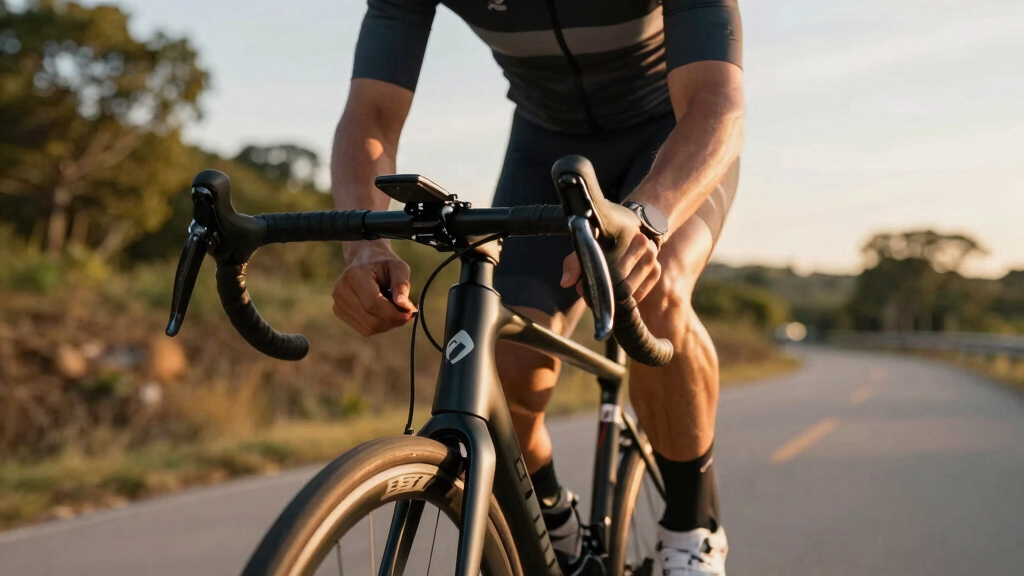
These products were evaluated based on performance reliability, ease of installation, build quality, compatibility with popular cycling platforms, and value for money. We prioritized sensors that support both Bluetooth and ANT+ to maximize device compatibility. Durability and waterproof ratings were also crucial, especially for outdoor riders. The ranking reflects a balance between affordability and premium features, ensuring options suit different budgets and needs. We aimed to highlight products that offer consistent accuracy and user-friendly setup, helping cyclists of all levels find the best bundle for their training.Factors to Consider When Choosing Best Cadence And Speed Sensor Bundles
Choosing the right cadence and speed sensor bundle involves understanding your specific cycling setup and training goals. Beyond basic features, consider compatibility, durability, and ease of use. A well-chosen bundle can improve your training data and overall riding experience, but selecting the wrong one might lead to frustration or inaccurate metrics. Here are key factors to keep in mind when making your decision.Compatibility With Devices and Platforms
Ensure the sensor bundle supports your bike computer, smartwatch, or smartphone platform. Some sensors are optimized for Garmin systems, while others excel with Wahoo or Zwift. Supporting both Bluetooth and ANT+ can maximize flexibility across different devices, preventing compatibility issues down the line. Avoid sensors that only work with specific brands if you plan to switch or expand your setup later.
Ease of Installation and Maintenance
Sensors that attach securely without complicated mounting systems save time and reduce the risk of dislodging during rides. Look for options with simple, tool-free installation and long-lasting batteries. Consider waterproof or water-resistant ratings if you frequently ride in rain or sweat heavily, as this extends sensor lifespan and reduces maintenance needs.
Durability and Weather Resistance
Outdoor cycling demands sensors that can withstand elements like rain, mud, and dust. An IP67 rating or higher indicates good water and dust resistance. Investing in durable sensors prevents frequent replacements and ensures consistent performance over time, especially if you ride in various weather conditions or on rugged terrain.
Battery Life and Power Management
Long battery life minimizes interruptions during training. Some sensors offer rechargeable batteries, while others use replaceable coin cells. Consider how often you’ll need to recharge or replace batteries, especially during multi-day rides or intensive training blocks. A sensor with efficient power management can be a better investment for serious cyclists.
Price and Value
Balance your budget with the features you need. While premium bundles like Garmin’s may cost more, they often provide better integration and durability. Lower-priced options can deliver excellent performance for casual riders, but may lack advanced features or durability. Think about your training frequency, device ecosystem, and how much you’re willing to spend for added convenience or longevity.
Frequently Asked Questions
Will a cheaper cadence sensor work with my cycling app?
Most budget sensors that support Bluetooth or ANT+ will work with popular cycling apps, but compatibility isn’t guaranteed across all platforms. Always check the sensor’s supported protocols and your app’s device support list before purchasing. Cheaper sensors might also lack certain features like waterproofing or long battery life, which can affect reliability during regular use.
Can I use one sensor for both indoor and outdoor riding?
Yes, many sensors are designed for both indoor trainers and outdoor bikes, especially those with waterproof ratings and versatile mounting options. Sensors like the Magene Outdoor/Indoor model are explicitly built for this purpose. However, ensure your mounting method is secure for outdoor riding, and verify that the sensor’s connectivity remains stable in different environments.
Do I need separate sensors for speed and cadence?
Not necessarily. Many bundles combine both functions into a single sensor, which simplifies setup and reduces costs. However, some riders prefer dedicated sensors for higher accuracy or specific training needs. Consider your training goals and whether a combined sensor provides the reliability you require without adding complexity.
How often should I replace the batteries in my sensors?
Battery lifespan varies based on usage and sensor quality. Coin cell batteries typically last 6-12 months with regular use, while rechargeable models might need recharging every few weeks. Regularly checking battery status and replacing or recharging proactively prevents unexpected interruptions during rides. Opt for sensors with battery indicator features if available.
Is waterproofing enough for riding in heavy rain?
An IP67 rating or higher provides good protection against rain and splashes, but no sensor is completely waterproof in all conditions. For heavy rain or muddy trails, look for sensors with higher ratings or additional protective features. Proper mounting and post-ride maintenance also help extend sensor lifespan in wet environments.