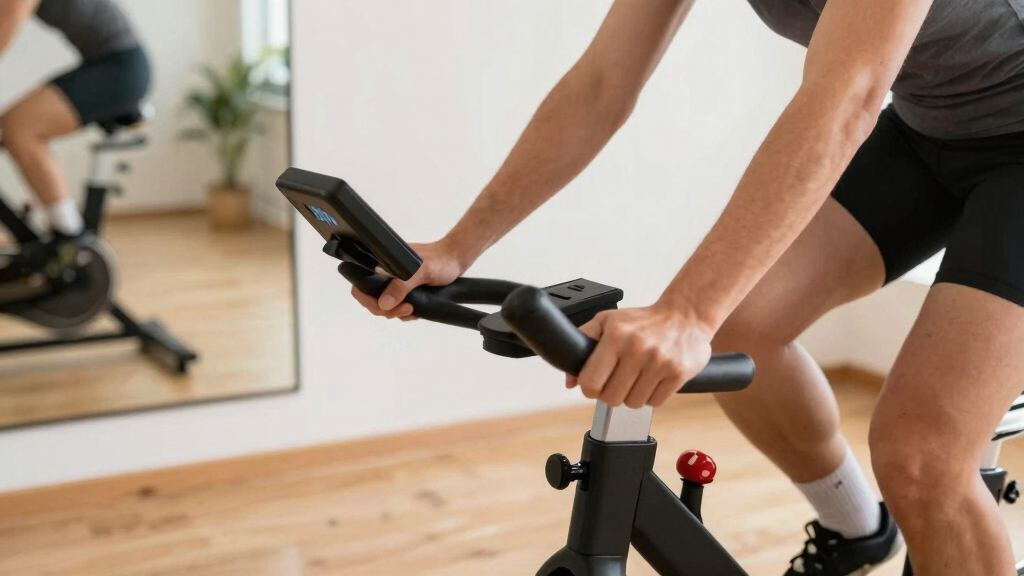

When searching for the best cadence sensors for indoor cycling, you want reliable data without complicating your setup. The Wahoo RPM Cycling Cadence Sensor stands out as the overall best for its accuracy and ease of use, while options like the Garmin Cadence 2 Sensor offer seamless integration with Garmin devices. For those on a budget or seeking versatility, the Sunny Health & Fitness 2-in-1 Sensor provides a magnet-less design that simplifies installation. However, tradeoffs include compatibility limitations and sensor durability, especially under intense indoor riding. Keep reading for a detailed breakdown of these options and what sets them apart.
Key Takeaways
- Top picks balance accuracy with ease of installation, making setup straightforward for indoor cyclists.
- Compatibility with popular training platforms like Zwift and Peloton is a key factor for many users.
- Magnet-less sensors generally offer simpler installation but may sometimes compromise on durability.
- Price varies widely, with premium models offering more seamless integration and basic sensors providing solid value.
- Waterproofing and build quality are important for long-term reliability, especially if used in varied conditions.


More Details on Our Top Picks
Magene Outdoor/Indoor Speed/Cadence Sensor for Cycling, Wireless Bluetooth/Ant+ Bike Computer RPM Sensor for Road Bike or Spinning Bike and Trainers Compatible with Onelap, Wahoo Fitness, Zwift
This Magene sensor stands out for its ability to connect via both Bluetooth and ANT+, offering wide compatibility with various cycling devices and apps, including Zwift and Wahoo. Unlike the Garmin Speed & Cadence Sensor, it requires two separate units for speed and cadence, but it compensates with flexible device pairing and multi-connection support through ANT+. The sensor’s power-saving sleep mode and straightforward mounting make it suitable for frequent use, though the need to switch modes between speed and cadence may be less convenient for quick, on-the-fly adjustments. Compared to the Sunny Health & Fitness CB110S, Magene’s dual-protocol support provides a broader range of device compatibility, especially with non-Garmin systems. The automatic hibernation feature helps preserve battery life, but its reliance on a mode switch could be a minor hassle during quick transitions. Overall, this sensor caters well to cyclists who want a reliable, multi-device setup without sacrificing compatibility.
Pros:- Supports both Bluetooth and ANT+ protocols for maximum device compatibility
- Automatic sleep mode extends battery life significantly
- Can connect to multiple devices simultaneously via ANT+
Cons:- Requires two sensors to track both speed and cadence, increasing cost and complexity
- Mode switching between speed and cadence is manual, which may be inconvenient during rides
Best for: Cyclists using multiple devices or apps that require Bluetooth and ANT+ connectivity, especially those with smart trainers or third-party cycling apps.
Not ideal for: Casual riders or beginners who prefer a simple, all-in-one sensor without mode switching or multi-sensor setup.
- Connection Protocols:Bluetooth, ANT+
- Battery Type:Replaceable coin cell
- Mode:Speed or Cadence (requires 2 sensors)
- Automatic Sleep:Yes
- Compatibility:Wahoo, Zwift, Onelap
- Sensor Type:Wireless speed and cadence
Bottom line: Ideal for tech-savvy cyclists who need flexible device support and multi-connection capabilities.
Cadence & Speed Sensor for Cycling, Wireless Bluetooth & ANT+ RPM Sensor for Road, Spin & Indoor Bikes, Compatible with Zwift
This dual-mode sensor from B0G6DTY2CB makes tracking both speed and cadence straightforward, with the ability to switch modes easily via a button. Its support for both Bluetooth and ANT+ ensures broad device compatibility, making it a practical choice for users who switch bikes frequently or have multiple setups. Unlike the Garmin Bike Speed 2 and Cadence 2, which attach directly to the bike’s hub and crank, this sensor is mounted externally with elastic bands, simplifying installation and removal. The sensor’s long battery life—up to 300 hours—and IP54 protection rating make it suitable for indoor and outdoor use, though its external mounting may be less secure than Garmin’s integrated sensors during aggressive riding. Compared to the Sunny Health & Fitness CB110S, it offers easier mode switching, but it might lack some of the more advanced connectivity options of the Garmin system. This pick makes the most sense for riders who want a versatile, easy-to-use sensor for multiple bikes without complex setup.
Pros:- Supports both Bluetooth and ANT+ protocols for wide device compatibility
- Easy mode switching with dedicated button for quick changes
- Long battery life of up to 300 hours
Cons:- Mounting with elastic bands may be less secure than hub or crank mount sensors
- External attachment could be affected by rough riding or vibration
Best for: Cyclists with multiple bikes seeking a simple, reliable sensor that can switch modes quickly and connect to various apps.
Not ideal for: Riders who need a permanently mounted, integrated sensor for high-impact or aggressive riding environments.
- Sensor Type:Wireless speed & cadence
- Connectivity:Bluetooth, ANT+
- Battery Life:Up to 300 hours
- Protection Rating:IP54
- Mounting:Elastic bands
- Mode Switch:Button toggle
Bottom line: Best for riders who want a flexible, user-friendly sensor that works across multiple bikes and devices.
Garmin Bike Speed 2 and Cadence 2 Sensor Black, One Size
The Garmin Speed 2 and Cadence 2 sensors excel in their seamless integration with Garmin devices, providing highly accurate speed and pedal stroke data. Installation is straightforward—speed sensors attach to the hub, and cadence sensors to the crank arm—and calibration is automatic with compatible Garmin computers. Unlike the other options, these sensors require no mode switching or external mounting, offering a more integrated experience. Their self-calibration feature and consistent data accuracy make them ideal for serious Garmin users. However, they lack multi-device support like the Magene or the dual-mode switches of the B0G6DTY2CB sensor. Compared to the Sunny Health & Fitness CB110S, Garmin’s sensors are more durable and designed for long-term outdoor riding. They are best suited for Garmin users who value precision and a hassle-free setup, though they come at a higher price point.
Pros:- Self-calibrating, highly accurate speed and cadence readings
- Easy to install without magnets or external calibration
- Durable and built for outdoor use
Cons:- Limited to Garmin ecosystem, less flexible with third-party apps
- Higher cost compared to generic sensors
Best for: Dedicated Garmin device owners seeking precise, maintenance-free speed and cadence data.
Not ideal for: Cyclists using non-Garmin devices or those needing multi-bike or app compatibility.
- Connectivity:Bluetooth, ANT+
- Installation:Hub mount and crank mount
- Calibration:Automatic
- Battery Type:Replaceable coin cell
- Durability:Weather-resistant
- Compatibility:Garmin Edge series
Bottom line: Best for Garmin users who prioritize accuracy, durability, and hassle-free setup in outdoor riding scenarios.
Sunny Health & Fitness 2-in-1 Advanced Cadence/RPM + Speed Sensor, Cadence Sensor Bluetooth ANT+ for Indoor/Outdoor Bikes, Magnet-Less Design for Outdoor Cycles, Exercise Bikes, and More – CB110S
This Sunny Health & Fitness CB110S sensor offers a dual-mode setup, supporting both cadence and speed with easy switching via a dedicated button. Its magnet-less design simplifies mounting, and the IP67 rating ensures it withstands sweat and weather exposure, making it suitable for both indoor trainers and outdoor bikes. While it pairs effortlessly with the SunnyFit app, its compatibility with other apps like Zwift is also good, though it may lack some of the advanced features found in Garmin or Magene sensors. The long-lasting battery—up to 500 hours—reduces maintenance, but external mounting with elastic bands might not be as secure as hub-mounted sensors during vigorous rides. Compared to the Garmin sensors, it is more affordable and easier to mount, but it might not deliver the same level of precision or durability for high-end outdoor cycling. This sensor is perfect for casual riders who want a versatile, easy-to-use device for multiple environments.
Pros:- Supports both Bluetooth and ANT+ protocols
- Magnet-less, easy to mount and remove
- Long battery life up to 500 hours
Cons:- External mounting may be less secure during aggressive riding
- Limited advanced features compared to premium sensors
Best for: Indoor and outdoor cyclists looking for a cost-effective, flexible sensor with long battery life.
Not ideal for: Competitive racers or serious training cyclists needing ultra-precise data and robust mounting.
- Sensor Type:Dual-mode speed & cadence
- Connectivity:Bluetooth, ANT+
- Battery Life:Up to 500 hours
- Water Resistance:IP67
- Mounting:Elastic bands
- Mode Switching:Button
Bottom line: Best for casual riders who want a versatile, long-lasting sensor for multiple cycling environments without complex setup.
CYCPLUS Cycling Speed and Cadence Sensor Bluetooth & ANT+ Wireless Bike Cadence Sensor Speed IP67 Waterproof
The CYCPLUS sensor distinguishes itself with a tiny form factor—just 38mm by 29.5mm—and a lightweight design that barely affects bike aesthetics or pedaling effort. Its support for both Bluetooth and ANT+ ensures compatibility with most cycling apps and devices, similar to the Magene sensor but in a smaller package. Its IP67 waterproof rating makes it suitable for outdoor use, and the impressive 300-hour battery life reduces frequent replacements. Unlike the Garmin sensors, it doesn’t come with automatic calibration or multi-sensor management, but for riders seeking minimal bulk and long-lasting performance, it’s a solid choice. Its simple, magnet-free mounting system is comparable to Sunny’s, but the smaller size can make installation tricky on some crank arms. Overall, this sensor is perfect for riders who prioritize a discreet, durable, and long-lasting device for indoor and outdoor cycling.
Pros:- Very small, unobtrusive design
- Supports Bluetooth and ANT+ protocols
- Waterproof IP67 rating and 300-hour battery life
Cons:- Mounting can be finicky on some crank arms due to small size
- Lacks automatic calibration or multi-sensor features
Best for: riders who want a compact, durable sensor with long battery life for outdoor and indoor cycling, especially those concerned with aesthetics.
Not ideal for: Riders seeking advanced calibration features or seamless integration with specific ecosystems like Garmin.
- Sensor Size:38mm x 29.5mm
- Connectivity:Bluetooth, ANT+
- Battery Life:300 hours
- Water Resistance:IP67
- Mounting Method:Elastic bands
- Sensor Type:Wireless speed & cadence
Bottom line: Ideal for cyclists who want a tiny, durable sensor that blends into their bike and lasts for months on a single charge.
Wahoo RPM Cycling Cadence Sensor for Outdoor, Spin and Stationary Bikes, Blue
This Wahoo RPM sensor stands out for its dual-band technology, connecting seamlessly via Bluetooth and ANT+ to a wide range of devices, making it incredibly versatile compared to the Moofit sensors that may be more limited in compatibility. Its sleek, magnetless design simplifies installation and maintenance, giving it an edge for users who want a hassle-free setup. Compared with the Moofit Bluetooth & ANT+ sensor, the Wahoo offers instant LED feedback for connection and RPM detection, which is especially helpful during intense indoor sessions. The main tradeoff is that the sensor can be slightly more expensive and might be overkill for beginners who only need basic cadence tracking. Overall, this pick makes the most sense for serious indoor cyclists who value compatibility with multiple devices and an easy, magnet-free install.
Pros:- Universal fit with no magnets needed for easy installation
- Dual-band Bluetooth and ANT+ connectivity for maximum device compatibility
- LED indicators provide instant connection feedback
Cons:- Higher price point compared to simpler sensors
- LED lights may be distracting during intense workouts
Best for: Indoor cyclists who want a reliable, easy-to-install sensor compatible with a variety of training apps and devices.
Not ideal for: Casual riders on limited budgets who only need basic cadence data on a single device, since it may be more feature-rich than necessary.
- Measurement Accuracy:±3%
- Measuring Range:60 – 120 RPM
- Mounting Type:Handlebar mount
- Output Type:Digital
- Item Weight:8 grams
- Material Type:ABS
Bottom line: Ideal for experienced indoor cyclists seeking a versatile, hassle-free sensor that works across multiple platforms.
MOOFIT Speed/Cadence Sensor, ANT+ Bluetooth Cycling Cadence Sensor, Wireless RPM Sensor for Bicycle or Spin Bike, IP67
The Moofit sensor offers solid value for indoor cyclists who prioritize waterproofing and long-lasting battery life, with its IP67 rating making it suitable for all weather conditions—an advantage over the Wahoo sensor, which is more delicate in wet environments. Its lightweight design (only 8g) and magnetless installation make it accessible for beginners and those who dislike complicated setups. Compared to the more premium Wahoo, Moofit’s compatibility with popular apps like Zwift and Peloton makes it a flexible choice for various training environments. However, it lacks the LED connection indicators of the Wahoo, which could be a drawback for users who prefer visual feedback. This sensor is perfect for budget-conscious indoor athletes who need durability and broad app compatibility without extra bells and whistles.
Pros:- IP67 waterproof rating for all-weather use
- Lightweight and magnetless for easy installation
- Compatible with major cycling apps like Zwift and Peloton
Cons:- Lacks LED connection indicators for quick status checks
- Limited to one connection protocol at a time, which may complicate device pairing
Best for: Budget-minded indoor cyclists who need a durable, waterproof sensor compatible with multiple apps.
Not ideal for: Advanced users seeking detailed RPM accuracy or LED feedback, since it offers basic functionality with some less intuitive setup steps.
- Measurement Accuracy:±3%
- Measuring Range:60 – 120 RPM
- Mounting Type:Handlebar mount
- Output Type:Digital
- Item Weight:8 grams
- Material Type:ABS
Bottom line: Great for casual indoor cyclists needing a waterproof, affordable sensor with broad app compatibility.
moofit Cadence Speed Sensor, Bluetooth & ANT+ Wireless RPM Cycling Spin Bike Cadence Sensor for Wahoo/Coosporide/Rouvy/Peloton, IP67 Waterproof, Orange
This Moofit sensor stands out for its broad compatibility, supporting both Bluetooth and ANT+ connections to popular fitness platforms like Wahoo, Peloton, and Zwift, making it a flexible choice for users with multiple devices. Its IP67 waterproof rating ensures durability in all weather conditions, surpassing some competitors that lack waterproofing. Its simple, magnet-free handlebar mount allows for quick installation, making it suitable for casual riders and those who switch bikes often. Compared with the Wahoo sensor, it may lack some advanced feedback features like LED indicators but compensates with wide device support and solid waterproofing. The main tradeoff is that it only allows pairing with one device at a time, which could be inconvenient for multi-device users. This sensor makes sense for indoor cyclists who need versatility across multiple brands and a rugged design.
Pros:- Supports both Bluetooth and ANT+ for broad device support
- IP67 waterproof rating for all-weather durability
- Quick, magnet-free handlebar mount for easy setup
Cons:- Limited to one device connection at a time
- No LED indicators for connection status
Best for: Indoor cyclists who rely on multiple training apps and need a waterproof, easy-to-mount cadence sensor.
Not ideal for: Users who prefer detailed real-time feedback or multi-device pairing simultaneously, as it only connects to one device at a time.
- Measurement Accuracy:±3%
- Measuring Range:60 – 120 RPM
- Mounting Type:Handlebar mount
- Output Type:Digital
- Item Weight:9 grams
- Material Type:Plastic
Bottom line: Perfect for multi-platform indoor cycling setups that need a rugged, versatile sensor supporting multiple brands.
How We Picked
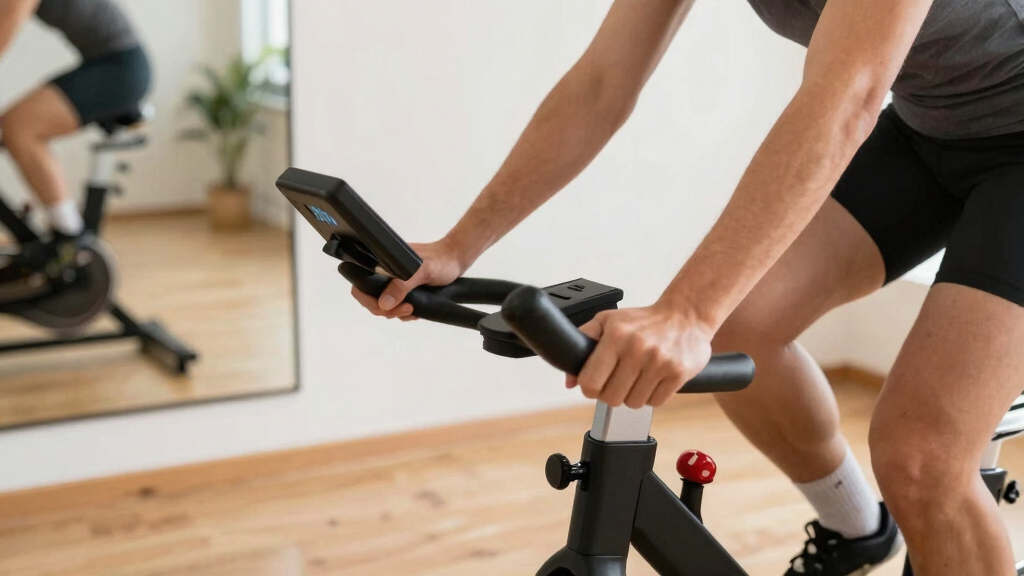
These cadence sensors were chosen based on their performance, ease of use, build quality, and compatibility with popular indoor cycling platforms. We prioritized sensors that offer reliable data transmission via Bluetooth and ANT+, as these are essential for seamless integration with indoor trainers and apps. Durability and installation simplicity were also key factors, since indoor cyclists often prefer quick, hassle-free setups. The ranking reflects a balance between value and advanced features, ensuring there are suitable options for beginners as well as seasoned riders.Factors to Consider When Choosing Best Cadence Sensors For Indoor Cycling
Choosing the right cadence sensor involves understanding your specific riding needs and the features that matter most. Beyond basic accuracy, consider how easy the sensor is to install and whether it’s compatible with your existing devices and training apps. Durability and waterproofing are important if you plan to ride frequently or in varied conditions. Compatibility with your bike type, and whether the sensor supports both Bluetooth and ANT+, can influence your setup’s reliability. Being aware of these factors can help you avoid common pitfalls like buying incompatible models or sensors that are difficult to install.Compatibility with Devices and Platforms
Ensure the cadence sensor works with your preferred training apps, such as Zwift, Peloton, or TrainerRoad, and is compatible with your bike’s connectivity options. Some sensors are primarily Bluetooth, while others include ANT+, which can be crucial if you ride with multiple devices. Double-check device compatibility to avoid needing adapters or replacements later on. Choosing a sensor with dual connectivity usually offers more flexibility and reduces connection issues during your rides.
Ease of Installation and Use
Sensors with a magnet-less design tend to be easier to install, especially on indoor bikes where mounting options can be limited. Consider whether the sensor attaches via a strap, adhesive, or is built into the crank arm. Simpler installation saves time and reduces frustration, especially for those who switch bikes frequently. Also, look for sensors with straightforward pairing procedures and clear instructions to make setup hassle-free.
Build Quality and Durability
Indoor cycling can involve sweat and frequent use, so durability matters. Waterproof or water-resistant sensors, typically rated IP67 or higher, stand up better to moisture and rigorous workouts. A sturdy build can extend the sensor’s lifespan and prevent surprising malfunctions. Cheaper models may cut corners here, so it’s worth investing in a sensor with solid construction if longevity is a priority.
Price and Value
Price points for cadence sensors vary, with basic models offering good value for casual riders and premium options providing advanced features like better connectivity and integration. Consider how often you’ll use the sensor and whether paying more yields meaningful benefits like improved accuracy or easier setup. Balancing cost with features ensures you get a sensor that meets your needs without overspending.
Additional Features to Consider
Some sensors include extra features like speed measurement, waterproofing, or compatibility with multiple devices. These can add convenience but might also increase cost. Think about whether you need extra data points or specific features like low-profile designs or rechargeable batteries. Evaluating these extras helps tailor your choice to your riding style and preferences.
Frequently Asked Questions
Will a cadence sensor work with my indoor bike trainer?
Most cadence sensors are designed to work with a variety of indoor trainers, especially if they support Bluetooth or ANT+. Check your trainer’s compatibility specifications—if it supports these protocols, your sensor should connect easily. Installing the sensor on the crank arm or pedal is usually straightforward, but ensure the sensor’s mounting method matches your bike’s setup. For best results, select a sensor with dual connectivity options to maximize compatibility with multiple devices and apps.
How accurate are cadence sensors for indoor cycling?
Cadence sensors generally provide reliable data within a few RPM of actual pedal speed, which is accurate enough for most training purposes. However, the precision can vary depending on the sensor’s quality and installation. Magnetic sensors tend to be slightly more consistent than magnet-less models, but the latter are easier to install and maintain. For indoor cycling, accuracy is usually sufficient even with basic models, but if you want the highest precision, look for sensors with proven track records and good build quality.
Can I use the same cadence sensor on both indoor and outdoor bikes?
Yes, most cadence sensors are designed to be compatible with both indoor trainers and outdoor bikes, provided they can be securely mounted. Wireless sensors with universal mounting straps or adhesive pads are versatile enough for different setups. Keep in mind that outdoor riding may expose the sensor to weather conditions, so choosing a waterproof or water-resistant model, rated at least IP67, can prolong its lifespan. Always verify the mounting options to ensure the sensor stays in place during varied rides.
Are magnet-less cadence sensors as reliable as those with magnets?
Magnet-less sensors offer the advantage of easier installation, especially on indoor bikes where mounting space is limited. While early magnet-less models sometimes faced concerns about accuracy, recent advancements have made them quite reliable for indoor cycling. They often use accelerometers or other motion-based technologies, which are sufficient for most training needs. However, magnets can provide slightly more consistent readings in some cases, so if you prioritize ultimate reliability, a magnetic sensor might still be preferable.
How long do cadence sensors typically last?
The durability of cadence sensors depends on build quality and usage conditions. Most models last between 6 months to several years with regular use, especially if they’re waterproof and designed for outdoor conditions. Rechargeable batteries extend the lifespan, but some sensors use replaceable batteries, which can be swapped out easily. Proper maintenance, like keeping the sensor clean and avoiding impacts, can also prolong its operational life.
Conclusion
For most indoor cyclists, the Wahoo RPM Cycling Cadence Sensor offers the best overall experience thanks to its accuracy, ease of installation, and compatibility. Budget-conscious riders will find the Sunny Health & Fitness 2-in-1 Sensor provides reliable performance at a lower price point. Those who use Garmin devices should consider the Garmin Cadence 2 Sensor for seamless integration. Beginners or casual riders benefit from simple, magnet-less options, while serious training enthusiasts may opt for premium models with extra features and durability. Matching your specific needs and budget will lead to the best cadence sensor choice for your indoor cycling setup.