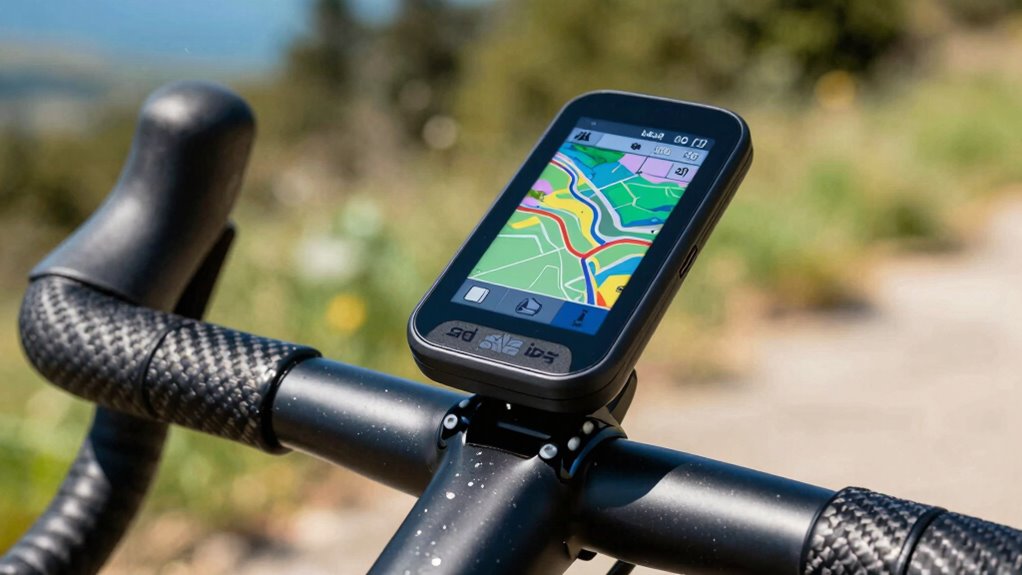
When choosing a bike computer with maps, riders need reliable navigation, easy-to-read displays, and durability. The Garmin Edge Explore 2 stands out as the best overall, offering a balance of affordability, navigation features, and user-friendly design. The Garmin Edge 1050 Premium appeals to serious cyclists with advanced metrics and a large touchscreen, while the COOSPO CS600 provides a colorful touchscreen at a more accessible price. These options reveal the main tradeoff: higher-end models deliver richer features and durability but come at a steeper cost, while budget-friendly options focus on core navigation. Keep reading for a detailed comparison to find the best fit for your cycling needs.
Open a free Amazon Business account
Business pricing, bulk buying and tax-exempt orders.
Create a free accountAs an affiliate, we earn on qualifying purchases.
Complete the kit


Key Takeaways
- Top-tier models like the Garmin Edge 1050 combine advanced navigation with comprehensive metrics, ideal for serious cyclists.
- Touchscreen interfaces generally offer easier map interaction, but may increase size and cost compared to button-based units.
- Waterproof ratings and battery life are critical for reliability during long rides or adverse weather conditions.
- Budget options deliver core navigation features but often lack advanced training metrics or durable build quality.
- Compatibility with accessories like heart rate monitors and power meters can enhance training but varies across models.
| Garmin Edge Explore 2 GPS Cycling Computer |  | Best Overall for Ease of Use and Versatility | Screen size: 3 inches | Touchscreen: Yes | Preloaded maps: Road, off-road, indoor | VIEW ON AMAZON | See Our Full Breakdown |
| COOSPO Color Touchscreen GPS Bike Computer CS600 |  | Best Value for Long-Lasting Color Display and Route Navigation | Display: 2.4-inch high-resolution color touchscreen | Waterproof: IPX7 | Battery Life: 36 hours | VIEW ON AMAZON | See Our Full Breakdown |
| iGPSPORT BSC200S GPS Bike Computer, Wireless Route Navigation |  | Best for App-Driven Navigation and Compatibility | Display: 2.4 inches | Battery Life: 25 hours | Waterproof: IPX7 | VIEW ON AMAZON | See Our Full Breakdown |
| iGPSPORT BSC300T Wireless Bike Computer GPS with Touchscreen and Offline Map Navigation |  | Best for Offline Map Support and Multi-Bike Compatibility | Screen Size: 2.4 inches | GPS Support: GPS, Beidou, GLONASS, Galileo | Connectivity: ANT+/Bluetooth 5.0 | VIEW ON AMAZON | See Our Full Breakdown |
| Garmin Edge 1050 Premium Cycling Computer with Touchscreen and Advanced Metrics |  | Best for High-End Performance and Advanced Features | Display: Vivid color touchscreen | Battery Life: Up to 20 hours / 60 hours (battery saver) | Connectivity: Smart notifications, Garmin Pay, incident detection | VIEW ON AMAZON | See Our Full Breakdown |
| COOSPO Wireless GPS Bike Computer with Bluetooth/ANT+ – 2.4 inch LCD Display Waterproof Cycling Tracker |  | Best Compact and Versatile GPS for Casual Riders | Display Size: 2.4 inches | GPS Mode: GPS & BEIDOU | Connectivity: ANT+ sensors, Bluetooth (via app) | VIEW ON AMAZON | See Our Full Breakdown |
| iGPSPORT BiNavi Air Bike Computer, 3.0” Touchscreen GPS Cycling Computer with Voice Navigation |  | Best for Visual Clarity and Outdoor Navigation | Screen Size: 3.0 inches | Weight: 77g | Waterproof: IPX7 | VIEW ON AMAZON | See Our Full Breakdown |
| Garmin Edge 540 Compact GPS Cycling Computer with Button Controls | 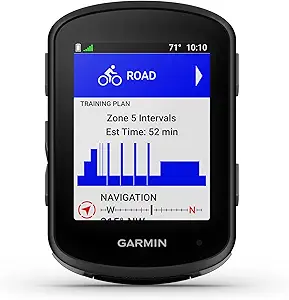 | Best for Extended Rides and Advanced Metrics | Battery Life: up to 26 hours, 42 hours in saver mode | Navigation Technology: multi-band GNSS | Display: ride type-specific maps | VIEW ON AMAZON | See Our Full Breakdown |
| CYCPLUS Wireless GPS Bike Computer G1 |  | Best Long-Lasting Battery and Simplicity | Weight: 70g | Screen Size: 2.0 inches | Waterproof: IPX6 | VIEW ON AMAZON | See Our Full Breakdown |
| iGPSPORT BSC500 GPS Bike Computer with 3.3” Touchscreen, Voice Navigation, and Climb Training |  | Best for Large Display and Advanced Route Planning | Screen Size: 3.3 inches | Navigation: GPS, Beidou, GLONASS, GALILEO, QZSS | Operation: Touchscreen and button | VIEW ON AMAZON | See Our Full Breakdown |
| GEOID CC700 Pro 2.8″ Color Touchscreen GPS Bike Cycling Computer with Map Navigation and Re-Route Planning |  | Best Overall for Advanced Navigation and Indoor Training | Display: 2.8-inch color touchscreen | Navigation: Offline maps, turn prompts, dual views | GPS Support: GPS, BEIDOU, GLONASS, QZSS, GALILEO | VIEW ON AMAZON | See Our Full Breakdown |
| Wireless GPS Bike Computer, 50g, 2.4″ Screen, IPX7, 28H Runtime, Bicycle Speedometer Odometer, Green Auto Backlight, Auto Start/Stop, MPH/KMH, Altitude and Gradient Data |  | Best Lightweight GPS for Simplicity and Long Rides | Weight: 50g | Screen Size: 2.4 inches | Waterproof: IPX7 | VIEW ON AMAZON | See Our Full Breakdown |
| CC600 Color Screen Bike/Cycling Computer Wireless with Route Navigation, GPS, WiFi & Bluetooth |  | Best for Data Enthusiasts and Route Customization | Display: 2.4-inch colorful screen | Navigation: Colorful route navigation with re-routing | GPS Support: GPS, BEIDOU, GLONASS, QZSS, GALILEO | VIEW ON AMAZON | See Our Full Breakdown |
| iGPSPORT BSC300T Wireless Bike Computer GPS with Touchscreen and Offline Map Navigation |  | Best for Multi-Bike Compatibility and Offline Maps | Screen Size: 2.4 inches | GPS Support: GPS, Beidou, GLONASS, Galileo, QZSS | Connectivity: ANT+/Bluetooth 5.0 | VIEW ON AMAZON | See Our Full Breakdown |
| GEOID CC700 2.8″ Color Screen Bike/Cycling Computer Wireless with Route Navigation and Indoor Training |  | Best for Indoor and Route Navigation with Extensive Data | Display Size: 2.8 inches | Connectivity: WiFi, Bluetooth, ANT+ | Satellite Support: GPS, BEIDOU, GLONASS, QZSS, GALILEO | VIEW ON AMAZON | See Our Full Breakdown |
| bike computers with map | Connectivity | Waterproof | Display |
|---|---|---|---|
| Garmin Edge Explore 2 GPS Cycl | Smartphone, sensors, Varia devices | — | — |
| COOSPO Color Touchscreen GPS B | Bluetooth, ANT+ | IPX7 | 2.4-inch high-resolution color touchscreen |
| iGPSPORT BSC200S GPS Bike Comp | Bluetooth, ANT+ | IPX7 | 2.4 inches |
| iGPSPORT BSC300T Wireless Bike | ANT+/Bluetooth 5.0 | IPX7 | — |
| Garmin Edge 1050 Premium Cycli | Smart notifications, Garmin Pay, incident detection | — | Vivid color touchscreen |
| COOSPO Wireless GPS Bike Compu | ANT+ sensors, Bluetooth (via app) | Yes | — |
| iGPSPORT BiNavi Air Bike Compu | ANT+, Bluetooth | IPX7 | Touchscreen with physical buttons |
| Garmin Edge 540 Compact GPS Cy | smart with Garmin Connect | — | ride type-specific maps |
| CYCPLUS Wireless GPS Bike Comp | — | IPX6 | — |
| iGPSPORT BSC500 GPS Bike Compu | — | — | — |
| GEOID CC700 Pro 2.8" Color Tou | WiFi, Bluetooth, ANT+ | IPX7 | 2.8-inch color touchscreen |
| Wireless GPS Bike Computer | GPS | IPX7 | LCD |
| CC600 Color Screen Bike/Cyclin | WiFi, Bluetooth | Yes | 2.4-inch colorful screen |
| iGPSPORT BSC300T Wireless Bike | ANT+/Bluetooth 5.0 | — | — |
| GEOID CC700 2.8" Color Screen | WiFi, Bluetooth, ANT+ | — | — |
More Details on Our Top Picks
Garmin Edge Explore 2 GPS Cycling Computer
The Garmin Edge Explore 2 stands out for its user-friendly 3-inch high-resolution touchscreen that’s glove- and rain-compatible, making it accessible in various weather conditions. Compared to the COOSPO CS600, it offers a more intuitive interface, though it requires pairing with sensors and Varia devices to unlock full tracking potential. Its preloaded maps and ride profiles make setup quick, and smart features like live tracking and incident detection enhance safety. However, some advanced metrics demand additional sensor purchases, and smartphone dependency can limit standalone use. This choice makes the most sense for casual cyclists or those new to GPS devices who prioritize ease and safety without sacrificing core navigation features.
Pros:- Intuitive, glove- and rain-friendly touchscreen
- Preloaded maps with multiple ride profiles
- Smart connectivity including live tracking and incident alerts
Cons:- Full functionality depends on pairing with sensors and Varia devices
- Some features require a smartphone connection
Best for: Cyclists seeking an easy-to-use, reliable GPS with basic navigation and safety features.
Not ideal for: Power users who want extensive metrics and customizable data without additional sensor investments.
- Screen size:3 inches
- Touchscreen:Yes
- Preloaded maps:Road, off-road, indoor
- Connectivity:Smartphone, sensors, Varia devices
- Indoor compatibility:Yes
- Outdoor compatibility:Yes
Our verdict“Ideal for cyclists who want straightforward navigation and safety features in a simple, reliable device.”
COOSPO Color Touchscreen GPS Bike Computer CS600
The COOSPO CS600 offers a high-resolution color touchscreen with auto-backlight, making it easier to view detailed maps and metrics during rides. It outperforms simpler monochrome models by providing seamless route navigation and accurate GPS tracking, with an impressive 36-hour battery life suited for multi-day adventures. Unlike the iGPSPORT BSC200S, it includes more extensive data metrics and customizable display options, but it lacks integrated sensors, requiring compatible accessories for heart rate or cadence tracking. Setup can be complex for beginners, and some users may find the device’s interface less intuitive initially. This device suits riders who want a durable, feature-rich GPS with excellent visibility and long battery life, especially for longer trips or multi-day rides.
Pros:- Bright, high-resolution color touchscreen with auto-backlight
- Long-lasting 36-hour battery for multi-day rides
- Accurate GPS with built-in route navigation
Cons:- Requires compatible sensors for heart rate, power, or cadence tracking
- Setup can be complex for new users
Best for: Intermediate to advanced cyclists who need detailed data and extended battery life on long rides.
Not ideal for: Beginners or casual riders who prefer plug-and-play simplicity without extra sensor setup.
- Display:2.4-inch high-resolution color touchscreen
- Waterproof:IPX7
- Battery Life:36 hours
- Charging:2-hour Type-C
- Navigation:Built-in route navigation
- Connectivity:Bluetooth, ANT+
Our verdict“Best suited for experienced cyclists demanding detailed metrics and extended battery performance.”
iGPSPORT BSC200S GPS Bike Computer, Wireless Route Navigation
The iGPSPORT BSC200S shines with its 2.4-inch display and support for app-based route import from platforms like Strava and Komoot, making it ideal for riders who prefer customizing their routes digitally. It offers a solid 25-hour battery life, suitable for day-long rides, and supports wireless connectivity via Bluetooth and ANT+. Unlike the Garmin Edge Explore 2, it relies heavily on a smartphone app for full functionality, which can be a limiting factor for those wanting a more independent device. Its waterproof design and compatibility with safety lights enhance outdoor riding. Setup may be less straightforward for beginners, but experienced riders will appreciate the seamless app integration and long battery life. This model is best for tech-savvy cyclists who want flexible app-based navigation without extra sensors or complex menus.
Pros:- Supports route import from multiple apps like Strava and Komoot
- Long battery life of up to 25 hours
- Waterproof with support for safety lights
Cons:- Dependent on smartphone app for full features
- Limited to a 2.4-inch screen, less space for detailed maps
Best for: Riders who prefer route customization through smartphone apps and need reliable wireless navigation.
Not ideal for: Cyclists who want a stand-alone device without smartphone reliance or minimal setup.
- Display:2.4 inches
- Battery Life:25 hours
- Waterproof:IPX7
- Connectivity:Bluetooth, ANT+
- Compatibility:Strava, Komoot, Ride with GPS
Our verdict“Ideal for tech-savvy cyclists who want flexible, app-driven route planning with dependable wireless connectivity.”
The iGPSPORT BSC300T offers a 2.4-inch touchscreen with powerful offline map navigation, making it ideal for riders who venture into areas with limited connectivity. Its multi-satellite GPS support (including Beidou, GLONASS, and Galileo) ensures precise positioning, especially in challenging environments. It supports real-time tracking and comprehensive data metrics over 130 parameters, surpassing simpler models. Setup can be complex, especially for newcomers, and battery life isn’t clearly specified, which might be limiting for extended trips. Its compatibility with various sensors and bikes makes it highly versatile. This device appeals to serious cyclists or adventure riders who need offline maps and multi-satellite accuracy, despite a steeper learning curve.
Pros:- Supports offline maps and route navigation
- Multi-satellite GPS with high accuracy
- Large touchscreen with easy operation
Cons:- Setup can be complicated for new users
- Battery life details are unclear
Best for: Experienced cyclists or explorers needing offline navigation and multi-satellite GPS accuracy.
Not ideal for: Casual riders or beginners seeking a straightforward, plug-and-play device.
- Screen Size:2.4 inches
- GPS Support:GPS, Beidou, GLONASS, Galileo
- Connectivity:ANT+/Bluetooth 5.0
- Data Metrics:130+
- Waterproof:IPX7
- Battery Life:Not specified
Our verdict“Perfect for adventure riders and those requiring offline maps with precise multi-satellite positioning.”
Garmin Edge 1050 Premium Cycling Computer with Touchscreen and Advanced Metrics
The Garmin Edge 1050 elevates cycling navigation with a vivid color touchscreen, offering advanced performance metrics, course creation, and smart connectivity. It surpasses models like the COOSPO CS600 in data depth, making it suitable for competitive and long-distance riders. Its up to 20-hour battery life supports extensive rides, while features like hazard alerts, live group rides, and personalized coaching add value for serious cyclists. The device’s complexity and premium price point may be overwhelming for casual users, and its heavy reliance on a paired smartphone for full functionality can be limiting. This device targets dedicated cyclists who want detailed analytics, navigation, and coaching in one premium package.
Pros:- High-resolution color touchscreen for easy navigation
- Extended battery life up to 20 hours (or 60 hours in battery saver mode)
- Rich feature set including hazard alerts, course creation, and coaching
Cons:- Premium price may be prohibitive for casual users
- Features can be complex and require a learning curve
Best for: Competitive or long-distance cyclists needing detailed metrics, navigation, and coaching.
Not ideal for: Casual riders or those on a tight budget due to its high cost and complexity.
- Display:Vivid color touchscreen
- Battery Life:Up to 20 hours / 60 hours (battery saver)
- Connectivity:Smart notifications, Garmin Pay, incident detection
- Features:Hazard alerts, course creation, live tracking, coaching
- Weight:Heavy
- Price:Premium
Our verdict“Best suited for serious cyclists who demand comprehensive analytics, navigation, and training features in a premium device.”
COOSPO Wireless GPS Bike Computer with Bluetooth/ANT+ – 2.4 inch LCD Display Waterproof Cycling Tracker
The COOSPO BC107 stands out for its compact size and dual GPS/BEIDOU positioning, making it ideal for riders seeking reliable tracking without bulk. Unlike the Garmin Edge 540, which offers extensive performance metrics, this model focuses on straightforward navigation and sensor compatibility, but it limits data collection to ANT+ sensors and doesn’t support Bluetooth sensors directly. Its lightweight design and waterproof build make it perfect for everyday riding, though some users may find setup less intuitive and may need to purchase an extension mount for certain configurations. Compared to the iGPSPORT G1, it offers more sensor compatibility but sacrifices some of the long battery life and advanced training features.
Pros:- Compact and lightweight design for easy mounting and minimal drag
- Accurate dual GPS/BEIDOU positioning for reliable route tracking
- Wide compatibility with ANT+ sensors for heart rate, cadence, and power data
- Waterproof construction suitable for all weather conditions
Cons:- Limited to ANT+ sensors; no Bluetooth sensor support
- Requires separate purchase of an extension mount for certain setups
- No advanced training metrics or detailed performance analytics
Best for: Casual cyclists and riders who prioritize simplicity and sensor flexibility in a lightweight package
Not ideal for: Performance-focused cyclists who want detailed ride analytics and extensive customization options
- Display Size:2.4 inches
- GPS Mode:GPS & BEIDOU
- Connectivity:ANT+ sensors, Bluetooth (via app)
- Waterproof:Yes
- Compatibility:Heart rate, speed, cadence sensors, power meter
- Material:Glass-filled ABS and TPU
Our verdict“This GPS bike computer is ideal for riders seeking a compact, reliable tracker with sensor flexibility and straightforward navigation.”
iGPSPORT BiNavi Air Bike Computer, 3.0” Touchscreen GPS Cycling Computer with Voice Navigation
The iGPSPORT BiNavi Air offers a 3.0-inch touchscreen with excellent outdoor visibility, making it a strong choice for riders who rely heavily on clear, real-time navigation. Its advanced GPS features, including rerouting and route planning, rival those of the Garmin Edge 540, but it is generally more accessible for casual users due to its straightforward touch interface. The device’s waterproof rating and support for indoor training add versatility, though its setup can be complex, especially when syncing with multiple sensors. Compared to the CYCPLUS G1, it provides a larger, more detailed display but may require more attention to battery management during long rides.
Pros:- Large, easy-to-read touchscreen with automatic brightness for outdoor use
- Advanced GPS with rerouting and route planning capabilities
- Supports multiple sensors for comprehensive ride data
- Waterproof with IPX7 rating for all weather conditions
Cons:- Setup complexity may challenge beginners
- Limited details on battery life and charging specifics
- No dedicated performance analytics beyond navigation
Best for: Outdoor enthusiasts and riders who want visual clarity and robust navigation in a touchscreen format
Not ideal for: Riders seeking a simple device with minimal setup or those prioritizing long battery life over display size
- Screen Size:3.0 inches
- Weight:77g
- Waterproof:IPX7
- Connectivity:ANT+, Bluetooth
- Display:Touchscreen with physical buttons
- Navigation:Offline and online GPS with rerouting
Our verdict“This device is a great choice for riders who value a large, clear touchscreen and sophisticated navigation features.”
Garmin Edge 540 Compact GPS Cycling Computer with Button Controls
The Garmin Edge 540 excels in delivering long-lasting battery life and detailed ride insights, making it suitable for serious cyclists undertaking lengthy adventures. Its multi-band GNSS ensures precise navigation even in challenging environments, while features like personalized coaching and ClimbPro elevate the riding experience. Compared to the iGPSPORT BSC500, which offers a larger screen and voice navigation, the Edge 540 emphasizes performance metrics and endurance, but at a higher price point that may deter casual users. The button controls, while durable, could feel less intuitive than touchscreen options for some riders.
Pros:- Exceptional battery life for rides up to 26 hours, or 42 hours in saver mode
- Advanced multi-band GNSS for superior navigation accuracy
- Personalized coaching, climb planning, and ride insights for performance enhancement
- User-friendly button controls that work with gloves
Cons:- Complex features may require time to master
- Premium pricing might be prohibitive for casual cyclists
- Lack of touchscreen may be less intuitive for some users
Best for: Cyclists who pursue long-distance rides and detailed performance data, including competitive or endurance riders
Not ideal for: Beginners or casual riders who prefer simple interfaces and minimal setup complexity
- Battery Life:up to 26 hours, 42 hours in saver mode
- Navigation Technology:multi-band GNSS
- Display:ride type-specific maps
- Connectivity:smart with Garmin Connect
- Features:adaptive coaching, ClimbPro, stamina insights, power guide
Our verdict“Ideal for serious cyclists who need extensive ride analytics and reliable navigation for long adventures.”
CYCPLUS Wireless GPS Bike Computer G1
The CYCPLUS G1 is designed for riders who prioritize long battery life and straightforward data display. With over 55 hours of use from a 1200mAh battery, it outperforms many competitors like the Garmin Edge 540, which has a shorter battery span. Its 2.0-inch screen offers clear data, though it lacks touchscreen functionality, making it less versatile for complex navigation. Its waterproof IPX6 rating suits all weather conditions, but it’s more limited in advanced features, focusing on basic ride metrics. This pick makes the most sense for riders who prefer a simple device that doesn’t need frequent charging during long rides.
Pros:- Impressive battery life of over 55 hours for extended rides
- High-accuracy GPS positioning ensures reliable routes
- Waterproof IPX6 design withstands all weather conditions
- Clear display with automatic backlight for day and night use
Cons:- Limited to basic cycling data features
- No touchscreen, which can slow navigation and setup
- Requires a clear GPS signal for accurate tracking
Best for: Long-distance riders and commuters who want reliable, long-lasting GPS tracking without bells and whistles
Not ideal for: Cyclists seeking detailed performance analytics, touchscreen controls, or indoor training support
- Weight:70g
- Screen Size:2.0 inches
- Waterproof:IPX6
- Battery Capacity:1200mAh
- Working Time:>55 hours
- Automatic Backlight:Yes
Our verdict“This GPS computer is perfect for riders demanding long endurance without the complexity of advanced features.”
iGPSPORT BSC500 GPS Bike Computer with 3.3” Touchscreen, Voice Navigation, and Climb Training
The iGPSPORT BSC500 offers a sizable 3.3-inch touchscreen with voice navigation, making it especially suitable for riders who prefer large, easy-to-read displays during complex routes. Its support for multiple satellite systems, including Beidou, GLONASS, and Galileo, ensures high positioning accuracy comparable to the Garmin Edge 540, with the added benefit of voice alerts for safer navigation. While its feature set is comprehensive, the device’s complexity might challenge beginners, and battery life details are not specified. Compared with the iGPSPORT BiNavi Air, the BSC500 emphasizes training and route import capabilities, making it better suited for performance-oriented cyclists.
Pros:- Large, clear touchscreen for easy visibility
- Supports multiple satellite systems for precise positioning
- Voice navigation alerts for safer, hands-free use
- Includes route import and climb training features
Cons:- Feature complexity may require a learning curve
- Battery life details are not provided
- No mention of waterproof rating or ruggedness
Best for: Cyclists who want an expansive, easy-to-read screen with voice navigation and multi-system satellite support
Not ideal for: Casual riders or those with limited experience in managing advanced GPS features
- Screen Size:3.3 inches
- Navigation:GPS, Beidou, GLONASS, GALILEO, QZSS
- Operation:Touchscreen and button
- Features:Voice navigation, route import, climb training
Our verdict“This device is best suited for experienced cyclists wanting a large display combined with sophisticated navigation and training tools.”
GEOID CC700 Pro 2.8″ Color Touchscreen GPS Bike Cycling Computer with Map Navigation and Re-Route Planning
The GEOID CC700 Pro stands out for its vibrant 2.8-inch color touchscreen, which offers clear, detailed navigation—an upgrade over the smaller, monochrome screens of many competitors like the iGPSPORT BSC300T. Its offline maps and quick re-route feature make it ideal for riders who frequently explore new routes or get lost often. Compared with the CC600, it provides faster GPS positioning thanks to multi-satellite support and supports indoor training with smart trainers, making it versatile for both outdoor and indoor sessions. However, it’s limited in multimedia functionality and requires app connections for some features, which might frustrate users seeking a standalone device. This model is best suited for serious cyclists who value detailed map navigation, multi-satellite precision, and indoor compatibility, but it’s less ideal for those wanting built-in music or simple setup.
Pros:- Vivid 2.8-inch color touchscreen for easy, detailed navigation
- Supports offline maps and quick re-route planning
- Fast GPS positioning with multi-satellite support
- Seamless data sync via WiFi and Bluetooth
Cons:- Requires app connection for re-route and some functionalities
- No built-in multimedia or music features
- Limited to specific DJI cameras for camera control
Best for: Advanced cyclists who prioritize detailed navigation, multi-satellite accuracy, and indoor training features.
Not ideal for: Casual riders or beginners who prefer a straightforward device without complex setup or extra app reliance.
- Display:2.8-inch color touchscreen
- Navigation:Offline maps, turn prompts, dual views
- GPS Support:GPS, BEIDOU, GLONASS, QZSS, GALILEO
- Storage:4GB
- Waterproof:IPX7
- Connectivity:WiFi, Bluetooth, ANT+
Our verdict“This device is ideal for experienced cyclists seeking comprehensive map navigation and indoor training support, accepting some setup complexity.”
Wireless GPS Bike Computer, 50g, 2.4″ Screen, IPX7, 28H Runtime, Bicycle Speedometer Odometer, Green Auto Backlight, Auto Start/Stop, MPH/KMH, Altitude and Gradient Data
This wireless GPS bike computer emphasizes simplicity and endurance, with a compact 2.4-inch LCD screen and a weight of just 50 grams—ideal for riders who dislike bulky devices like the GEOID CC700 Pro. Its straightforward GPS tracking provides accurate speed, distance, altitude, and gradient data without sensors, making it a practical choice for casual riders or those seeking an ultra-light device. The bright auto backlight enhances visibility in low light, and its impressive 28-hour battery life ensures it can handle long rides without recharge. Nonetheless, it offers no sensor integration or advanced navigation features, and the small screen might pose usability challenges for some. This option is perfect for riders who want a minimalist, reliable tracker without the fuss of complex setup or extra features, but it’s less suitable for navigating complicated routes or indoor training.
Pros:- Extremely lightweight at 50 grams, ideal for minimalist setup
- Bright auto backlight for visibility in low-light conditions
- Long battery life of up to 28 hours
- Accurate GPS tracking without sensors
Cons:- Small 2.4-inch screen may be difficult to read for some users
- No sensor or navigation support beyond basic GPS
- Requires charging after extended use
Best for: Casual cyclists and long-distance riders who prioritize lightweight, simple GPS tracking, and extended battery life.
Not ideal for: Advanced riders or those needing detailed navigation or sensor-based performance data, as it lacks these features.
- Weight:50g
- Screen Size:2.4 inches
- Waterproof:IPX7
- Battery Life:28 hours
- Display:LCD
- Connectivity:GPS
Our verdict“This compact, long-lasting GPS is best for riders wanting simple, reliable ride data without extra features or complex setup.”
CC600 Color Screen Bike/Cycling Computer Wireless with Route Navigation, GPS, WiFi & Bluetooth
The CC600 offers a vibrant 2.4-inch color display with extensive data customization, making it appealing for riders who love detailed metrics and flexible data views. Its fast 5-second GPS positioning and multi-satellite support ensure reliable navigation, rivaling the GEOID CC700 Pro but with a simpler interface. The device supports WiFi and Bluetooth for quick data sync with platforms like Strava and TrainingPeaks, ideal for performance tracking and sharing. Indoor training features with resistance control and power targets add to its versatility. On the downside, setup can be complex for beginners, and it requires WiFi or Bluetooth for updates, which might be inconvenient. This pick is best for tech-savvy cyclists who want a colorful, customizable display with comprehensive performance data, but less so for those seeking a plug-and-play device.
Pros:- Vibrant 2.4-inch color display with customizable data pages
- Fast 5-second GPS positioning with multi-satellite support
- Supports indoor training with resistance and power control
- Syncs easily with platforms like Strava and TrainingPeaks
Cons:- Complex initial setup may challenge beginners
- Requires WiFi/Bluetooth for firmware updates and data transfer
- Limited recorded ride data (100 hours) before sync needed
Best for: Data-driven cyclists who want detailed metrics, customization, and seamless platform integration.
Not ideal for: Casual riders or beginners who prefer simple, straightforward devices without extensive setup or customization.
- Display:2.4-inch colorful screen
- Navigation:Colorful route navigation with re-routing
- GPS Support:GPS, BEIDOU, GLONASS, QZSS, GALILEO
- Storage:up to 100 hours
- Waterproof:Yes
- Connectivity:WiFi, Bluetooth
Our verdict“Ideal for tech-savvy riders who prioritize detailed metrics, customization, and platform compatibility over simplicity.”
iGPSPORT BSC300T Wireless Bike Computer GPS with Touchscreen and Offline Map Navigation
The iGPSPORT BSC300T combines a 2.4-inch touchscreen with offline map support, making it versatile for various bike types including e-bikes. Its support for over 130 ride metrics offers comprehensive insights, surpassing simpler models like the Wireless GPS Bike Computer. The device’s ability to support offline maps is a key advantage for riders in areas with poor connectivity or those who prefer preloaded routes. However, initial setup can be complex for newcomers, and the battery life isn’t specified—potentially limiting for long-distance rides. Its compatibility with multiple sensors and devices makes it a flexible choice, but the need for app-based data analysis may deter less tech-savvy users. This device suits experienced riders who want detailed data and offline navigation, but it may overwhelm beginners.
Pros:- Large touchscreen with intuitive controls
- Supports offline maps for navigation without internet
- Compatible with multiple sensors and bike types
- Over 130 ride metrics for detailed analysis
Cons:- Complex initial setup process
- Battery life not specified, which could be a concern for long rides
- Requires app connection for data analysis and updates
Best for: Experienced riders needing offline map navigation and multi-sensor compatibility for varied biking conditions.
Not ideal for: Beginners or casual riders who prefer simple, easy-to-use GPS devices without extensive setup requirements.
- Screen Size:2.4 inches
- GPS Support:GPS, Beidou, GLONASS, Galileo, QZSS
- Connectivity:ANT+/Bluetooth 5.0
- Supported Bikes:Road, Mountain, E-bike
- Map Support:Offline map download
Our verdict“Best suited for experienced cyclists seeking comprehensive offline navigation and multi-sensor monitoring, accepting some setup complexity.”
GEOID CC700 2.8″ Color Screen Bike/Cycling Computer Wireless with Route Navigation and Indoor Training
The GEOID CC700 excels in offering a large, colorful 2.8-inch display with extensive data options, making it suitable for riders who track multiple metrics during both outdoor and indoor sessions. Its automatic re-routing and support for indoor smart trainers add a layer of convenience not found in simpler devices like the Wireless GPS Bike Computer. Its multi-satellite support ensures quick, accurate positioning, and connectivity options facilitate easy data transfer and firmware updates. Nevertheless, its setup can be daunting for newcomers, and battery life details remain vague, which is a concern for long rides. This device targets cyclists who want a detailed, customizable data experience and indoor training capabilities, but not those who prefer a straightforward, plug-and-play GPS unit.
Pros:- Vibrant 2.8-inch color display with customizable data pages
- Supports multiple satellite systems for quick, accurate positioning
- Seamless WiFi and Bluetooth connectivity for data sync and updates
- Supports indoor smart trainers with resistance and gradient control
Cons:- Complex setup process may challenge new users
- Battery life information is not specified, possibly limiting long rides
- Limited language options (11 languages only)
Best for: Performance-oriented cyclists who value extensive data display, indoor training integration, and customizable re-routing.
Not ideal for: Beginners or riders seeking a simple, no-fuss GPS device without complex setup or extensive data options.
- Display Size:2.8 inches
- Connectivity:WiFi, Bluetooth, ANT+
- Satellite Support:GPS, BEIDOU, GLONASS, QZSS, GALILEO
- Data Export:FIT files, compatible with STRAVA
- Indoor Training:Yes
- Languages:11
Our verdict“This feature-rich device suits serious cyclists seeking extensive data and indoor training support, with some setup effort involved.”

How We Picked
Products were evaluated based on navigation accuracy, ease of use, display quality, build durability, battery life, and overall value. We prioritized devices with reliable GPS performance, clear screens, and intuitive interfaces, ensuring they cater to both casual riders and serious cyclists. The ranking balances high-end features with affordability, helping different types of riders find suitable options. Models with extensive training metrics or advanced map features received higher scores, but simpler units were included for budget-conscious buyers. The focus remained on real-world usability and long-term reliability rather than just raw specifications.Factors to Consider When Choosing Bike Computers With Maps
Choosing the right bike computer with maps involves balancing features, usability, and budget. Here are key factors to consider before making your decision, ensuring you select a device that enhances your riding experience without unnecessary complexity.Navigation Features and Map Quality
Look for devices that offer detailed maps, turn-by-turn routing, and offline capabilities. The quality of maps varies widely; some units provide topographic details, while others focus on city streets. Consider whether you need real-time rerouting or simple breadcrumb trails. More advanced navigation features can be a game-changer on unfamiliar routes but may increase the device’s complexity and price. Ensure the map data is regularly updated to prevent navigation errors during your rides.
Display Type and Usability
Touchscreens are intuitive but can be bulky or less durable in rough conditions. Button controls, while less flashy, often excel in wet or muddy environments and can be easier to operate with gloves. High-resolution screens improve map clarity, especially in bright sunlight, but tend to drain batteries faster. Think about your riding conditions and preference for interface style to avoid frustration during longer rides or adverse weather.
Battery Life and Durability
Battery endurance varies significantly, with premium models offering 15-20 hours, suitable for long-distance rides, while budget options may last only 8-10 hours. Waterproof ratings such as IPX7 or higher ensure the device withstands rain and splashes. Heavy-duty cases and rugged designs extend lifespan in rough environments. Prioritize a device that can comfortably last through your typical ride duration without frequent recharging or damage concerns.
Compatibility and Ecosystem Integration
Many bike computers connect with heart rate monitors, power meters, and cadence sensors via Bluetooth or ANT+. Compatibility with your existing accessories can significantly enhance training insights. Also, consider whether the device integrates with popular apps or platforms like Strava or Garmin Connect for seamless data management. Compatibility issues may limit your ability to fully leverage your cycling data, so verify these before purchase.
Price and Value
High-end units deliver extensive features but come at premium prices, sometimes over $500. Budget models focus on core navigation and basic metrics, offering great value for casual riders. Assess your needs carefully—paying more makes sense if you require advanced training analytics or rugged durability. Conversely, if you only need basic navigation, a simpler, less expensive device might be perfectly adequate without overspending on features you won’t use.
Frequently Asked Questions
Do I really need a bike computer with maps, or can I just use my phone?
While smartphones can offer navigation, dedicated bike computers with maps provide more reliable GPS signals, longer battery life, and are designed to withstand weather and rough conditions. They also free your hands from holding a device and eliminate concerns about phone notifications or calls during rides. For serious cyclists or those exploring unfamiliar areas regularly, a dedicated device typically offers a safer, more seamless experience.
How often do map updates happen on these bike computers?
Map update frequency varies by brand and model, with some devices offering quarterly or annual updates through official apps or subscriptions. Regular updates ensure your maps reflect recent road changes, new trails, or points of interest, which is especially important for navigation accuracy. Check the manufacturer’s update policy before purchasing, as some units require paid subscriptions for the latest map data.
Can I use these bike computers for indoor training?
Many GPS bike computers can be used indoors with compatible sensors like speed or cadence monitors, but their main strength lies in outdoor navigation. Some models like the GEOID CC700 support indoor training modes or virtual courses, but if your primary focus is indoor riding, consider devices specifically designed for trainer use. Always verify if the device supports indoor training features before buying.
Are touchscreen bike computers more durable than button-based ones?
Touchscreens offer a more intuitive navigation experience but can be less resistant to dirt, mud, and rain. They also tend to be more fragile in rough conditions. Button-based models, meanwhile, excel in durability and can be operated easily with gloves or in wet weather. Your riding environment and personal preference should guide your choice—if you ride in challenging weather, a button-controlled device might be more dependable.
Is it worth paying extra for advanced features like climb training or re-routing?
Additional features like climb training, advanced routing, or detailed metrics are beneficial if you’re a serious cyclist or training for specific goals. They can provide valuable insights to improve performance and make your rides more engaging. However, for casual riders or those mainly interested in basic navigation, these extras may not justify the higher price. Consider your riding style and goals carefully to decide if the investment aligns with your needs.
Conclusion
For casual riders seeking reliable navigation, the Garmin Edge Explore 2 offers excellent value and ease of use. Serious cyclists or those focused on detailed training metrics will find the Garmin Edge 1050 worth the investment. Budget-conscious users should consider models like the COOSPO CS600 for core map features without breaking the bank. Beginners or riders exploring new areas might prioritize simplicity and durability, making touchscreen models or those with longer battery life a smart choice. Ultimately, your riding style and priorities will determine the best fit in this versatile lineup.
NFL season / tailgating Picks
team gear
As an affiliate, we earn on qualifying purchases.