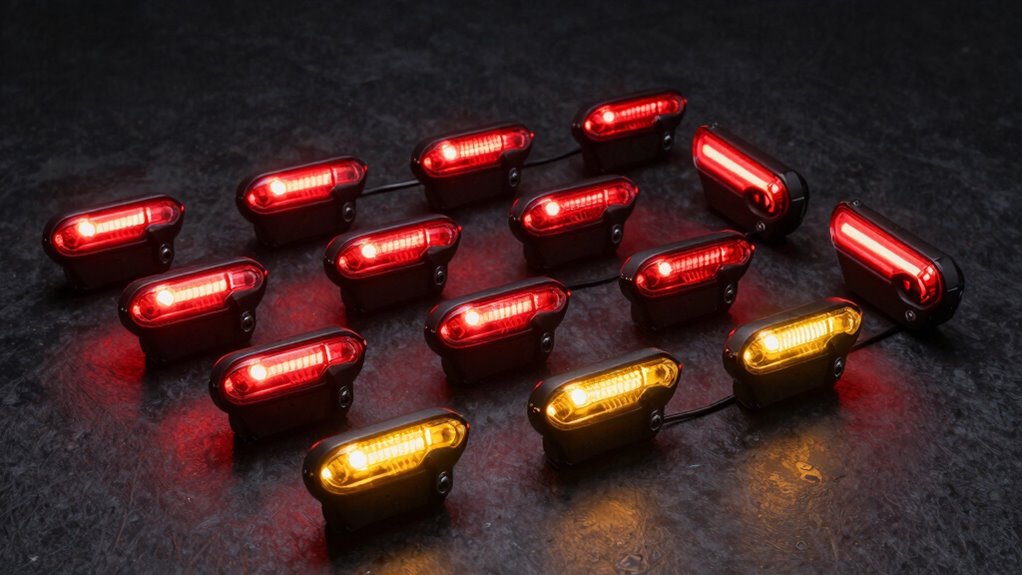
Bike radar rear lights pair a visible tail light with alerts about vehicles approaching from behind, but range, display compatibility, and battery life vary. I’d choose the Garmin Varia RTL515 as the best overall pick for a familiar, dedicated radar-and-light setup; the Bryton Gardia R300L stands out for its stated long detection range and wide view, while the Garmin Varia RearVue 820 is the premium choice for riders seeking a newer high-end option. The main tradeoff is between established cycling-computer integration and lower-cost or more feature-packed alternatives, where compatibility and alert behavior may be less familiar. Mounting, weather protection, and how you plan to view warnings matter just as much as headline range. Read on for the full comparison and advice on choosing a radar that fits your bike and riding habits.

Get sports gear delivered free with Prime
- Fast, free delivery on millions of items
- Prime Video, Amazon Music and more included
- Member-only deals all year
Complete the kit


Key Takeaways
- Garmin’s two options serve different priorities: the RTL515 is the straightforward all-around pick, while the RearVue 820 is positioned as the premium option rather than an automatic upgrade for every rider.
- The Bryton Gardia R300L leads on stated detection coverage in this lineup, with a claimed 207-yard range and 220-degree view; those figures do not replace checking real-world alert behavior and device compatibility.
- Integration can matter more than maximum range: a radar that pairs cleanly with a rider’s existing computer or phone is easier to use than one whose alerts require an unfamiliar display or app routine.
- Budget-oriented models make larger claims that need closer scrutiny: the COOSPO TR70 lists up to 40 hours of battery life, while the generic 24GHz models provide fewer established details for comparing alert quality and ecosystem support.
- Weather ratings and mounting are meaningful differentiators: the Gardia lists IPX7 protection, while some other options list IP64; buyers should match protection and mounting hardware to their riding conditions.
| Wahoo Fitness TRACKR Radar Tail Light – Black |  | Best for Wahoo Riders | Brand: Wahoo Fitness | Weight: 99 g | Detection range: Up to 150 m | VIEW ON AMAZON | See Our Full Breakdown |
| Bryton Gardia R300L Bike Radar with Tail Light |  | Best for Long Detection Range | Detection range: Up to 190 m (207 yards) | Viewing angle: 220° | Maximum light output: 73 lumens | VIEW ON AMAZON | See Our Full Breakdown |
| Lezyne Radar React LED Bike Light System |  | Best for a Front-and-Rear Light Set | Rear radar detection: Up to 150 m | Rear light output: Up to 300 lumens | Front light output: Up to 1200 lumens | VIEW ON AMAZON | See Our Full Breakdown |
| iGPSPORT SR mini Bike Radar Tail Light |  | Best for Cross-Brand Compatibility | Detection range: Up to 160 m | Visibility angle: 220° | Battery life: Up to 20 hours in light mode; up to 25 hours in radar-only mode | VIEW ON AMAZON | See Our Full Breakdown |
| Garmin Varia RTL515 Cycling Rearview Radar with Tail Light |  | Best for Garmin Ecosystem Users | Maximum detection range: 153 yards | Sensor technology: Radar | Compatible devices: D2 Delta, Edge series, fēnix series, Forerunner series, tactix series, Varia Vision, and vívoactive series | VIEW ON AMAZON | See Our Full Breakdown |
| Garmin Varia™ RearVue 820 Rearview Radar & Tail Light |  | Best for Long Rides | Power source: Battery powered | Mounting: Seatpost mount | Weight: 3.2 oz | VIEW ON AMAZON | See Our Full Breakdown |
| COOSPO TR70 Bike Radar Tail Light |  | Best for Feature-Rich Value | Power source: Battery powered | Maximum light output: 80 lumens | Vehicle alert range: Up to 140 m | VIEW ON AMAZON | See Our Full Breakdown |
| CYCLAMI Bike Radar Tail Light – 24GHz Detection, 60m Range |  | Best Compact Pick | Radar frequency: 24 GHz | Car detection range: Up to 60 m | Motorcycle detection range: Up to 30 m | VIEW ON AMAZON | See Our Full Breakdown |
| Bike Radar Tail Light with 24GHz Radar Detection, Active Alert & Brake Sensing |  | Best for Brake Alerts | Radar frequency: 24 GHz | Radar detection range: 60 m, 54° wide-angle | Visibility range: 500 m | VIEW ON AMAZON | See Our Full Breakdown |
| bike radar rear light | Mounting | Water resistance | Weight |
|---|---|---|---|
| Wahoo Fitness TRACKR Radar Tai | — | — | 99 g |
| Bryton Gardia R300L Bike Radar | Tool-free universal seatpost mount | Listed as IPX7; rating field also lists IP65 | — |
| Lezyne Radar React LED Bike Li | Seatpost mount | IPX7 | — |
| iGPSPORT SR mini Bike Radar Ta | Seatpost or saddle mount | Waterproof | 0.15 kg |
| Garmin Varia RTL515 Cycling Re | Compact mount for most road bikes | — | — |
| Garmin Varia™ RearVue 820 Rear | Seatpost mount | — | 3.2 oz |
| COOSPO TR70 Bike Radar Tail Li | Quick-release seatpost mount | IPX7 | 100 g |
| CYCLAMI Bike Radar Tail Light | — | IP64 | 54 g |
| Bike Radar Tail Light with 24G | Seatpost and saddle-rail mounts | IP64 | — |
More Details on Our Top Picks
Wahoo Fitness TRACKR Radar Tail Light – Black
The Wahoo TRACKR Radar is the clearest fit for riders who already use an ELEMNT computer or a compatible watch: vehicle alerts, light controls, and ride information can sit within the Wahoo setup they already know. Its 150 m detection range is shorter than the Bryton Gardia R300L’s stated 190 m, but still gives riders advance warning while keeping this unit focused on a connected, streamlined experience. Adaptive lighting and a brake-light boost add visibility when conditions change or speed drops; battery extender mode is useful on longer outings. The tradeoff is its ecosystem preference: compared with the iGPSPORT SR mini, which lists compatibility across several computer brands, the TRACKR is a less flexible choice for mixed-device households. I’d choose it for Wahoo users, not as a universal radar pick.
Pros:- Detects approaching vehicles up to 150 m away.
- Adaptive lighting and brake-light boost adjust visibility to riding conditions.
- ANT+ integration and Wahoo App support provide connected control.
- Battery extender mode helps conserve power on longer rides.
Cons:- Works best with specific Wahoo devices, limiting its appeal for riders with other ecosystems.
- Its listed detection range is shorter than the Bryton Gardia R300L’s 190 m.
Best for: Cyclists who already use a Wahoo ELEMNT computer or compatible smartwatch and want radar alerts integrated with their existing ride setup.
Not ideal for: Riders using other brands’ computers who want broad listed compatibility, or riders who need the longest detection range in this group.
- Brand:Wahoo Fitness
- Weight:99 g
- Detection range:Up to 150 m
- Connectivity:ANT+
- Compatible controls:ELEMNT bike computers, compatible smartwatches, and Wahoo App
- Lighting features:Adaptive lighting and brake-light boost
- Power feature:Battery extender mode
- Warranty:1 year
Our verdict“Choose the TRACKR if Wahoo is already your cycling-device ecosystem; choose the Bryton Gardia R300L if longer stated detection range matters more.”
Bryton Gardia R300L Bike Radar with Tail Light
Among these five, the Bryton Gardia R300L makes the strongest range-first case, with a stated 190 m detection distance and 220° coverage. That wider field and longer reach may give a rider more warning than the Wahoo TRACKR’s 150 m claim, though range alone does not make a radar system the right fit if its alerts are awkward to access. The Gardia sends visual and audible alerts through a bike computer or phone, and its 73-lumen light is listed as visible up to a mile in daylight. USB-C charging and up to 17 hours of battery life suit long day rides, but riders doing especially long outings may still need to plan charging. Compared with the iGPSPORT SR mini’s longer stated light-mode runtime, the Bryton prioritizes detection reach over battery endurance.
Pros:- Up to 190 m detection range and 220° coverage.
- 73-lumen tail light is listed as visible up to one mile in daylight.
- USB-C charging and up to 17 hours of battery life.
- Tool-free universal seatpost mounting and ANT+ or Bluetooth connectivity.
Cons:- A 17-hour maximum runtime may require charging for very long rides or frequent use.
- Full functionality relies on companion-app or compatible-device connectivity.
- The listed water-resistance data is inconsistent, describing IPX7 in one place and IP65 in another.
Best for: Road cyclists who want a long stated vehicle-detection range, broad rear coverage, and computer or phone alerts for regular day rides.
Not ideal for: Riders who regularly exceed the stated 17-hour runtime, or those who want a setup that does not depend on a phone or compatible computer for full alert use.
- Detection range:Up to 190 m (207 yards)
- Viewing angle:220°
- Maximum light output:73 lumens
- Battery life:Up to 17 hours
- Charging:USB-C rechargeable
- Connectivity:ANT+ and Bluetooth
- Mounting:Tool-free universal seatpost mount
- Water resistance:Listed as IPX7; rating field also lists IP65
Our verdict“Pick the Gardia R300L if long detection range and wide coverage outrank the iGPSPORT SR mini’s longer stated light-mode runtime.”
Lezyne Radar React LED Bike Light System
The Lezyne Radar React is the only pick here that pairs rear radar lighting with a substantial front light, making it appealing to riders who want one coordinated system for visibility at both ends of the bike. Its rear unit offers radar detection up to 150 m, matching the Wahoo TRACKR’s stated range, while the front light reaches 1200 lumens and the rear light 300 lumens. That combination is more useful to riders who need strong lighting as well as traffic alerts than to someone replacing only a rear lamp. The cost of the broader setup is more involved pairing and setup; the iGPSPORT SR mini is a simpler rear-focused alternative on paper. Lezyne also lists up to 20 hours for the rear and 70 hours for the front, but those maximum figures vary by use and do not remove the need to manage charging.
Pros:- Includes both a radar-equipped rear light and a front light.
- Rear light output is listed at up to 300 lumens; front light reaches up to 1200 lumens.
- Radar detection reaches up to 150 m.
- IPX7 waterproof rating and stated runtimes of up to 20 hours rear and 70 hours front.
Cons:- Full functionality requires pairing with compatible devices.
- Setup may be more complex than rear-focused options such as the iGPSPORT SR mini.
- The bundled front-and-rear system may be unnecessary for buyers who only need a rear radar light.
Best for: Cyclists who want a coordinated front-and-rear rechargeable lighting system alongside radar alerts, especially those riding in low-light conditions.
Not ideal for: Riders who only need a rear radar light, prefer simple setup, or do not want to pair compatible devices to access full functionality.
- Rear radar detection:Up to 150 m
- Rear light output:Up to 300 lumens
- Front light output:Up to 1200 lumens
- Rear runtime:Up to 20 hours
- Front runtime:Up to 70 hours
- Water resistance:IPX7
- Power source:Rechargeable battery
- Mounting:Seatpost mount
Our verdict“Choose Lezyne if you want radar plus a powerful front light in one system; skip it if your priority is a straightforward rear-only unit.”
iGPSPORT SR mini Bike Radar Tail Light
The iGPSPORT SR mini is a sensible pick for riders whose devices come from different brands: its listed compatibility includes iGPSPORT, Garmin, Wahoo, and Bryton computers and smartwatches. That breadth sets it apart from the Wahoo TRACKR, which is positioned most strongly around Wahoo gear, and makes the SR mini easier to match with an existing mixed-brand setup. Its 160 m detection range sits between the TRACKR’s 150 m and the Bryton Gardia R300L’s 190 m, while the stated 220° visibility angle supports broad rear lighting. Battery figures are also attractive: up to 20 hours in light mode or 25 hours in radar-only mode. The compromise is that it still needs a compatible device for real-time alerts, and its seatpost or saddle mounting gives less placement flexibility than a truly multi-location system.
Pros:- Lists compatibility with iGPSPORT, Garmin, Wahoo, and Bryton devices.
- 160 m detection range falls between the Wahoo TRACKR and Bryton Gardia R300L claims.
- Up to 20 hours in light mode and 25 hours in radar-only mode.
- 220° visibility angle and seatpost or saddle mounting options.
Cons:- Real-time vehicle alerts require a compatible bike computer or smartwatch.
- Mounting is limited to seatpost or saddle placement.
- Setup may be less straightforward for riders unfamiliar with pairing radar devices.
Best for: Cyclists with Garmin, Wahoo, Bryton, or iGPSPORT computers or watches who want a rear radar light that can work across brands.
Not ideal for: Riders without a compatible computer or smartwatch who expect radar alerts on the light alone, or anyone needing a front-and-rear lighting package.
- Detection range:Up to 160 m
- Visibility angle:220°
- Battery life:Up to 20 hours in light mode; up to 25 hours in radar-only mode
- Working modes:7
- Compatibility:iGPSPORT, Garmin, Wahoo, and Bryton bike computers and smartwatches
- Mounting:Seatpost or saddle mount
- Weight:0.15 kg
- Water resistance:Waterproof
Our verdict“Choose the SR mini if you need broad device compatibility and longer stated runtimes than the Bryton Gardia R300L; skip it if you lack a compatible display.”
Garmin Varia RTL515 Cycling Rearview Radar with Tail Light
The Garmin Varia RTL515 is the natural choice for riders already using a compatible Garmin computer or watch: it can deliver visual, audible, and vibration alerts through supported devices, while its compact rear-mounted unit adds a daylight-visible tail light. Its stated 153-yard detection range is close to the Wahoo TRACKR’s 150 m claim, but shorter than the Bryton Gardia R300L’s 190 m. The Garmin’s broad listed device support and smartphone pairing are its practical strengths, not a standout range advantage. Battery life varies by lighting mode, from six hours in solid or night-flash modes to 16 hours in day-flash mode, so riders should match the mode to their route rather than assume one runtime applies throughout. Compared with the multi-brand iGPSPORT SR mini, this is a more Garmin-centered option with less appeal for riders seeking cross-brand flexibility.
Pros:- Provides vehicle alerts from up to 153 yards away.
- Pairs with compatible Garmin devices and smartphones for visual, audible, and vibration alerts.
- Compact design mounts on most road bikes.
- Daylight visibility is listed up to one mile.
Cons:- Full functionality is geared toward compatible Garmin devices and smartphones.
- Runtime is six hours in solid and night-flash modes, which may not suit long rides.
- Its stated detection range is shorter than the Bryton Gardia R300L’s 190 m.
Best for: Road cyclists who use compatible Garmin Edge, fēnix, Forerunner, or other listed Garmin devices and want alerts integrated into their existing setup.
Not ideal for: Riders who need longer stated detection range, broad cross-brand computer support, or long runtimes in solid or night-flash modes.
- Maximum detection range:153 yards
- Sensor technology:Radar
- Compatible devices:D2 Delta, Edge series, fēnix series, Forerunner series, tactix series, Varia Vision, and vívoactive series
- Battery life:6 hours solid; 8 hours peloton; 6 hours night flash; 16 hours day flash
- Daylight visibility:Up to 1 mile
- Dimensions:3.9 × 1.6 × 0.8 in
- Power source:Lithium Polymer battery
- Mounting:Compact mount for most road bikes
Our verdict“Choose the Varia RTL515 if your ride setup is already Garmin-based; look at the iGPSPORT SR mini for broader listed brand compatibility.”
Garmin Varia™ RearVue 820 Rearview Radar & Tail Light
The Garmin Varia RearVue 820 is the strongest fit here for riders who want radar alerts but prioritize long stretches between charges. Its stated up to 30 hours in radar-only mode favors extended rides over the COOSPO TR70’s more feature-packed lighting approach, though the Garmin figure applies to radar-only use rather than every light setting. It pairs radar detection with a bright tail light and supports multiple patterns, including app-customized options, giving riders more control than the simpler five-mode CYCLAMI unit. The tradeoff is ecosystem dependence: full alerts require a compatible Garmin device or smartphone app, while mounting may call for extra accessories. I’d choose it for Garmin users seeking a flexible radar-and-light setup, not for riders who want the least complicated or most self-contained option.
Pros:- Combines rear-approach radar alerts with a tail light
- Up to 30 hours of battery life in radar-only mode
- Multiple light patterns, including app-customizable options
- Compact 3.2-ounce body
Cons:- Full functionality depends on a compatible Garmin device or smartphone app
- Mounting may require additional accessories
- Radar tracking can be limited at slower speeds or when conditions obstruct detection
Best for: Garmin Edge or smartwatch users planning long rides who want customizable light patterns and extended radar-only runtime
Not ideal for: Riders without a compatible Garmin device or smartphone, or anyone who wants a mounting kit that is ready to fit without extra accessories
- Power source:Battery powered
- Mounting:Seatpost mount
- Weight:3.2 oz
- Dimensions:1.7 × 3.9 × 1 in
- Color:Black
- Material:Plastic
- Radar-only battery life:Up to 30 hours
Our verdict“Choose the RearVue 820 if you already use Garmin electronics and value long radar-only runtime over a simple, all-in-one setup.”
COOSPO TR70 Bike Radar Tail Light
The COOSPO TR70 packs a useful set of riding features into one unit: vehicle alerts, brake-activated flashing, seven lighting modes, and up to 40 hours of battery life. Its claimed 140 m alert reach and 220° visibility give it a broader feature pitch than the compact CYCLAMI, whose listed car detection range is 60 m. The TR70 also uses a tool-free quick-release mount and USB-C charging, which suit riders who move a light between bikes or charge with common cables. Its limits matter, though: the 80-lumen maximum may be underpowered in bright daylight, and phone alerts require a Cadence app subscription. Compared with the Garmin RearVue 820, it offers more stated runtime and modes, but Garmin may be the better fit for riders already invested in that device ecosystem.
Pros:- Radar alerts paired with automatic approach flashing and brake detection
- Seven lighting modes and claimed 220° visibility
- Up to 40 hours of battery life with USB-C charging
- Tool-free quick-release mount fits many road, mountain, and commuter bikes
Cons:- 80-lumen maximum may be difficult to see in bright daylight
- Phone alerts require a Cadence app subscription
- Vehicle alert range is a stated claim, not a guarantee in every riding condition
Best for: Commuters and multi-bike riders who want brake alerts, several light modes, quick-release mounting, and long stated runtime
Not ideal for: Daylight riders who need a very bright tail light, or phone-first users unwilling to pay for a Cadence app subscription
- Power source:Battery powered
- Maximum light output:80 lumens
- Vehicle alert range:Up to 140 m
- Visibility:Up to 220°
- Battery life:Up to 40 hours
- Water resistance:IPX7
- Mounting:Quick-release seatpost mount
- Weight:100 g
Our verdict“Pick the TR70 for a feature-rich, quick-release radar light with long stated runtime, provided its brightness and app requirements suit your riding.”
CYCLAMI Bike Radar Tail Light – 24GHz Detection, 60m Range
At 54 g and 6.2 cm long, the CYCLAMI is the compact choice for riders who want radar detection without adding much bulk to a seatpost. Its 24 GHz sensor lists detection up to 60 m for cars and 30 m for motorcycles, with beeps and brighter brake lighting to call attention to approaching traffic and sudden stops. That reach is shorter on paper than the COOSPO TR70’s claimed 140 m, and the CYCLAMI provides five modes rather than seven; its advantage is a small, light package with an IP64 aluminum-and-PC housing. The largest uncertainty is runtime: the included 1000 mAh capacity is known, but battery-life hours are not specified. I’d favor it over larger options for a minimalist setup, but not for riders who need clear long-ride battery planning.
Pros:- Lightweight 54 g design with compact dimensions
- Listed detection range of up to 60 m for cars
- IP64-rated aluminum and PC housing
- Five modes and a smart brake-light function
Cons:- Battery runtime is not specified despite the 1000 mAh capacity
- Seatpost-only mounting limits placement choices
- Listed motorcycle detection range is shorter than the car range
Best for: Weight-conscious road cyclists who want a compact seatpost radar light and can recharge without relying on a published runtime estimate
Not ideal for: Long-distance riders who need a dependable stated battery runtime, or cyclists who want mounting options beyond the seatpost
- Radar frequency:24 GHz
- Car detection range:Up to 60 m
- Motorcycle detection range:Up to 30 m
- Battery capacity:1000 mAh
- Water resistance:IP64
- Weight:54 g
- Dimensions:6.2 × 4.2 × 2.4 cm
- Light modes:5
Our verdict“Choose the CYCLAMI if low weight and compact size matter more than a clearly stated battery runtime or longer-range alerts.”
Bike Radar Tail Light with 24GHz Radar Detection, Active Alert & Brake Sensing
This model stands out for riders who want an assertive warning setup: dual-tone audio alerts, rapid flashes when a vehicle approaches, and a brake sensor that activates its red COB lamp during sudden stops. It lists a 60 m radar range and a 500 m visibility range, plus a saddle-rail mount alongside the seatpost mount—a useful placement choice the CYCLAMI does not offer. The tradeoff is stamina: higher-intensity modes are listed at only 3–6 hours, well short of the COOSPO TR70’s stated maximum of 40 hours. Vibration wake-up can save power when the bike is parked, but it does not erase that runtime gap. There is also no app integration for extra customization. I’d put it ahead of simpler lights for brake-focused warnings, but not for all-day rides between charges.
Pros:- Dual-tone audio and visual alerts for approaching vehicles
- Brake sensor activates a bright 40-COB red lamp during sudden stops
- Vibration wake-up helps conserve power while parked
- Includes both seatpost and saddle-rail mounting options
Cons:- Higher-intensity runtime is limited to 3–6 hours
- No smartphone or app integration
- IP64 protection is less suited to sustained exposure to heavy water than an IPX7-rated unit
Best for: Urban and road riders who want audible vehicle warnings, a brake-triggered flash, and the option to mount on saddle rails
Not ideal for: Touring or endurance riders who need long runtime on brighter settings, or cyclists who want app-based controls and customization
- Radar frequency:24 GHz
- Radar detection range:60 m, 54° wide-angle
- Visibility range:500 m
- Maximum light output:300 lumens
- Battery capacity:1000 mAh
- Battery runtime:3–6 hours on higher-intensity modes
- Water resistance:IP64
- Mounting:Seatpost and saddle-rail mounts
- Charging port:USB-C
Our verdict“Choose this model for brake-triggered and audible alerts with flexible mounting, but skip it if long runtime is your priority.”

How We Picked
I ranked these bike radar rear lights by how well their stated features help riders detect approaching traffic and act on alerts. My main criteria were radar coverage, clarity of the alert and light functions, compatibility with cycling computers or phones, battery and charging details, weather protection, and the practical information available to judge setup. I gave more weight to clearly specified, established radar-and-light systems than to products whose listings provide only broad detection or visibility claims.
The order reflects usefulness as a complete cycling safety system, not a single headline specification. Garmin’s RTL515 ranks first for a balanced, familiar package; the RearVue 820 earns the premium role, and Bryton’s stated coverage makes it a strong alternative. The lower-ranked options may suit narrower budgets or feature preferences, but limited published detail makes it harder to compare their alert ecosystem, fit, and long-term usability. Product claims are treated as manufacturer specifications, not independent test results.
| bike radar rear light | Mounting | Water resistance |
|---|---|---|
| Wahoo Fitness TRACKR Radar Tai | — | — |
| Bryton Gardia R300L Bike Radar | Tool-free universal seatpost mount | Listed as IPX7; rating field also lists IP65 |
| Lezyne Radar React LED Bike Li | Seatpost mount | IPX7 |
| iGPSPORT SR mini Bike Radar Ta | Seatpost or saddle mount | Waterproof |
| Garmin Varia RTL515 Cycling Re | Compact mount for most road bikes | — |
| Garmin Varia™ RearVue 820 Rear | Seatpost mount | — |
| COOSPO TR70 Bike Radar Tail Li | Quick-release seatpost mount | IPX7 |
| CYCLAMI Bike Radar Tail Light | — | IP64 |
| Bike Radar Tail Light with 24G | Seatpost and saddle-rail mounts | IP64 |
Factors to Consider When Choosing Bike Radar Rear Lights
A radar tail light is most useful when its alerts fit naturally into the way you already ride. Before comparing detection figures, think through where warnings will appear, how you’ll mount the unit, and how often you can charge it. These choices can make a modestly specified radar more useful than a model with impressive claims but awkward integration.
Choose How You Want to Receive Alerts
Radar warnings may appear on a compatible cycling computer, a phone app, or a paired light system, and these routes do not feel the same while riding. A computer display can keep warnings in your normal riding view, while a phone may add another screen and battery demand. Before buying, check the exact compatibility of your head unit or phone rather than assuming that all devices using a common wireless protocol will show the same information. Riders who share bikes or switch computers may prefer a setup that can pair with more than one device. A warning you can notice without taking attention from the road is more useful than a long feature list.
Treat Detection Range as One Part of Coverage
Published range and viewing angle describe a radar’s claimed coverage, but they do not tell the whole story about how alerts behave on a busy road. Traffic speed, curves, road surface, and multiple vehicles can affect what a rider sees on the display. A wider stated angle may sound useful on winding routes, yet it does not guarantee that every alert will be relevant or easy to interpret. Look for clear information on how approaching vehicles are represented, and check whether the warning system suits your usual roads. Avoid choosing by the largest distance figure alone.
Match Weather Protection to Your Riding
Rain protection ratings are not interchangeable, so compare the exact rating listed for each unit and follow the manufacturer’s care instructions. A rider who often faces heavy rain or road spray may put more weight on a stated higher level of water protection, such as the Gardia’s IPX7 specification, than someone riding mainly in dry weather. Ports, covers, and mounting points can also affect how a device holds up over time. Do not assume that a product described as waterproof has the same protection as another product with a published rating. If your rides include wet conditions, confirm the rating and charging-port guidance before purchase.
Plan for Battery Use and Charging
Battery claims depend on settings, light output, alert activity, and temperature, so a maximum runtime is not a promise for every ride. Frequent daytime use, long commutes, or back-to-back rides may make charging convenience more important than the largest stated capacity. Check whether the light and radar can be used in different modes and whether those modes change runtime. A low-battery warning is helpful only if it gives enough notice to charge before the next ride. Build a charging habit around your weekly riding schedule rather than relying on a headline number.
Check Mount Fit Before You Commit
Radar works best when the unit is secured in the intended rear-facing position, so saddle shape, seatpost profile, bags, and dropper posts can affect fit. A mount that shifts or is partly blocked can undermine the benefit of the radar and tail light together. Confirm which mounting hardware comes with the product and whether you would need an additional adapter for your bike. If you move one light between bikes, a quick-release arrangement may save time but should still hold the device firmly. Check clearance around saddlebags and rear racks before ordering.
Decide When Paying More Makes Sense
A higher-end radar can make sense when it offers compatibility, alert presentation, mounting support, or clear product documentation that matches your needs. It is harder to justify extra spend for specifications you cannot use, such as features tied to a device ecosystem you do not own. Lower-cost models may cover basic warning and light functions, but sparse information about pairing, updates, and replacement mounts can leave unanswered questions. Compare the complete setup, including any computer or phone you need, rather than treating the radar as a standalone purchase. For a first radar, a straightforward pairing path may be more valuable than extra modes.
Frequently Asked Questions
Can I use a bike radar rear light without a cycling computer?
That depends on the specific radar and its supported alert methods. Some models pair with a phone app or another compatible display, while others are easiest to use with a cycling computer. Check the product’s compatibility details before buying, including whether the phone app can show alerts while your phone is locked or running another app. If you do not own a compatible computer, account for the cost and practical hassle of the display option you plan to use. The radar’s light may still work on its own, but that does not mean its vehicle alerts will be available without pairing.
Is a longer stated detection range always the better choice?
No. A longer claimed range can provide earlier notice, but the value depends on how reliably the system identifies traffic and presents alerts you can act on. Road layout, vehicle speed, and alert handling all affect how useful that notice feels during a ride. Compare coverage claims alongside compatibility, display clarity, and the maker’s setup information. In this roundup, the Bryton Gardia R300L has a strong stated range, but that alone does not make it the right fit for every rider. A dependable alert routine on your usual routes may matter more than the biggest number.
Can one radar light move between multiple bikes?
Often it can, but the mount and seatpost shape determine how convenient the swap will be. Check whether the supplied mount fits both bikes and whether extra mounts are available for a second setup. Repositioning the unit each time can take longer and may make it easier to leave it poorly aligned or secured. If you regularly alternate bikes, consider whether the radar pairs easily with each display and whether you need to repeat setup steps. A dedicated mount for each bike can make sharing one radar simpler.
Should I choose a radar with a brighter light or more radar features?
Start with the riding conditions and the alert system you can use comfortably. A brighter or more flexible light can help with visibility in daytime traffic, while radar functions are intended to give you information about vehicles approaching from behind. Neither replaces the other, and a light’s visibility claim does not describe how well its radar alerts work. Check which modes affect battery life and whether you can select a light pattern suitable for your route. For mixed commuting and road riding, a balanced light-and-alert setup is often more practical than maximizing one feature.
What should I check before choosing a lower-cost or lesser-known radar?
Look for specific details on pairing, compatible displays, mounting hardware, weather rating, charging, and how the alert is delivered. Broad claims such as vehicle detection or long visibility do not answer whether the warning will appear on your current device. Confirm that the manufacturer provides usable setup instructions and support information, especially if the listing gives few details about the radar system. Compare its full mounting and display requirements with a more established option, not just its stated range or modes. A lower-cost model is a better fit when its limitations are clear and match your needs.
Conclusion
For most riders seeking one balanced recommendation, I’d choose the Garmin Varia RTL515 as best overall. The Bryton Gardia R300L is my best alternative for riders drawn to its stated detection coverage and IPX7 rating, while the Garmin Varia RearVue 820 is the best premium pick for shoppers specifically seeking a higher-end Garmin option. Beginners should favor the model that pairs most simply with the display they already own; the RTL515 is the clearest starting point in this lineup. For a value-focused buyer, the COOSPO TR70 has a notable stated battery-life claim and multiple lighting modes, but I’d verify compatibility and support details before choosing it. Riders considering either generic 24GHz light should treat them as feature-led alternatives and confirm alert and mounting details carefully. Match the radar to your bike, display, and riding conditions rather than choosing by range alone.