Shopping for road bike helmets in 2026 means choosing between three competing priorities: rotational-impact protection, ventilation, and price. The Giro Isode MIPS II earns my best overall pick for combining proven MIPS technology with a comfortable Roc Loc fit system at a mid-range price, while the Giro Fixture MIPS is the smarter value play if you want the same safety tech for less. Budget options like the Zacro and TLAMEE helmets undercut both on price but rely on basic dial retention and heavier shells. The main tradeoff in this category is simple: spend more and you get lighter builds, better airflow at speed, and rotational protection — spend less and you get functional protection with more sweat and bulk. Keep reading for the full breakdown of all 15 helmets, including which budget models punch above their price and which features aren’t worth paying for.

Get sports gear delivered free with Prime
- Fast, free delivery on millions of items
- Prime Video, Amazon Music and more included
- Member-only deals all year
Key Takeaways
- MIPS rotational protection is the single biggest differentiator in this lineup — only the Giro Isode MIPS II and Giro Fixture MIPS include it, which is why they take the top two spots despite costing more than generic alternatives.
- Integrated LED lighting appears on four helmets in this roundup (the LED Adult Helmet, the Rechargeable Front/Rear model, the Shinmax, and the Retrospec Lennon), and it consistently adds value for commuters while adding nothing for fair-weather club riders.
- Magnetic buckle systems on the ROCKBROS, Shinmax, and NTA-certified MTB helmet are genuinely more convenient than standard buckles for glasses wearers and gloved winter rides — a small feature that changes daily usability.
- Budget helmets under the Giro models share nearly identical CPSC certification, meaning the price gap buys comfort and ventilation rather than baseline impact protection.
- Two helmets in this list are near-duplicates (both Schwinn Thrasher entries share specs), so the effective field is 14 distinct models — I treat them as one pick with a note on sizing.
| Gudook Bike Helmet Adult Bicycle Helmets for Men & Women Safety Certified |  | Best for Casual Commuters | Weight: 250 g | Shell Construction: PC outer shell with in-mold EPS foam | Ventilation: 2 large front and rear vents | VIEW ON AMAZON | See Our Full Breakdown |
| Schwinn Thrasher Helmet for Adults |  | Best for Beginners | Fit Range: 58–62 cm, riders ages 14+ | Construction: Microshell | Ventilation: 20 air vents | VIEW ON AMAZON | See Our Full Breakdown |
| ROCKBROS Bike Helmet Magnetic Buckle, Integrated Keel Structure |  | Best for Low-Light Visibility | Construction: PC shell + EPS foam, integrated keel structure | Buckle: Lockable magnetic buckle, 90°+ rotation | Ventilation: Multiple air guide holes | VIEW ON AMAZON | See Our Full Breakdown |
| VICTGOAL VG110 Bike Helmet for Men with Magnetic Goggles and Removable Visor |  | Best All-in-One Value | Weight: 310 g (0.68 lb) | Sizes: M: 54–58 cm; L: 57–61 cm; XL: 59–63 cm | Ventilation: 21 breathable vents | VIEW ON AMAZON | See Our Full Breakdown |
| Zacro Adult Bike Helmet with Visor & Removable Pads |  | Best Lightweight Budget Pick | Weight: 260 g | Fit Range: 54–63 cm head circumference | Ventilation: 18 vents, aerodynamic design | VIEW ON AMAZON | See Our Full Breakdown |
| TLAMEE Adult Bike Helmet with Detachable Visor (BH-215) |  | Best Versatile Starter Pick | Brand: TLAMEE | Model: BH-215 | Age Range: Adult (14+) | VIEW ON AMAZON | See Our Full Breakdown |
| GTSBROS Adult Bike Helmet with LED Lights |  | Best for Large Heads and Night Commutes | Brand: GTSBROS | Fit Range: 61-64 cm (24-25.2 in) | Lighting: USB rechargeable front and rear lights | VIEW ON AMAZON | See Our Full Breakdown |
| Giro Isode MIPS II Cycling Helmet |  | Best Road-First Design | Brand: Giro | Model: Isode MIPS II (7202227) | Size: Universal Adult | VIEW ON AMAZON | See Our Full Breakdown |
| Giro Fixture MIPS Bike Helmet |  | Best MIPS Value | Brand: Giro | Model: Fixture MIPS | Size: Universal Adult (54-61 cm) | VIEW ON AMAZON | See Our Full Breakdown |
| Gudook Bike Helmet with Rechargeable Front and Rear LED Light |  | Best Ventilated Commuter | Brand: Gudook | Size: Large (56-60 cm) | Lighting: USB-C rechargeable front and rear LEDs, 4 modes | VIEW ON AMAZON | See Our Full Breakdown |
| Shinmax Adult Bike Helmet with USB Rechargeable Rear Light, Magnetic Goggles |  | Best for All-Weather Commuting | Shell construction: PC shell with EPS foam | Rear light: USB rechargeable, 9 modes, ~2-hour charge | Goggles: Detachable magnetic visor, UV400 | VIEW ON AMAZON | See Our Full Breakdown |
| Scavin Mountain Bike Helmet for Adult, NTA 8776 E-Bike & Road Bicycle Helmet |  | Best for E-Bike and Speed Riders | Certifications: NTA 8776, CPSC, CE | Shell construction: Integrated molding, PC shell with EPS foam | Size: M: 21.3–22.8 in (54–58 cm) | VIEW ON AMAZON | See Our Full Breakdown |
| RRK MX-62 Adult Road Bike Helmet, Integrally-Molded, Lightweight Breathable |  | Best Budget Lightweight Pick | Certifications: CPSC 1203, ASTM 1447 | Shell construction: Integrally-molded dual PC shell with EPS foam | Sizes: M: 56–58 cm (youth); L: 58–61 cm (adult) | VIEW ON AMAZON | See Our Full Breakdown |
| Retrospec Lennon Adult Bike Helmet with LED Safety Light |  | Best for Beginners | Rear light: 5-LED, 3 functions | Fit system: ErgoKnob-2 adjustable dial | Vents: 15 with internal air channels | VIEW ON AMAZON | See Our Full Breakdown |
| Schwinn Thrasher Adult Bike Helmet | 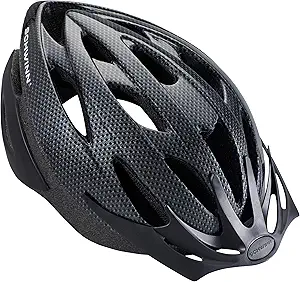 | Best Trusted Basic Helmet | Certification: US CPSC (extended head coverage) | Construction: Microshell with EPS liner | Size: One size, 58–62 cm, ages 14+ | VIEW ON AMAZON | See Our Full Breakdown |
| road bike helmet | Construction | Weight | Ventilation |
|---|---|---|---|
| Gudook Bike Helmet Adult Bicyc | — | 250 g | 2 large front and rear vents |
| Schwinn Thrasher Helmet for Ad | Microshell | — | 20 air vents |
| ROCKBROS Bike Helmet Magnetic | PC shell + EPS foam, integrated keel structure | — | Multiple air guide holes |
| VICTGOAL VG110 Bike Helmet for | High-density PC shell + EPS foam | 310 g (0.68 lb) | 21 breathable vents |
| Zacro Adult Bike Helmet with V | Polycarbonate shell + high-density EPS foam | 260 g | 18 vents, aerodynamic design |
| TLAMEE Adult Bike Helmet with | — | — | — |
| GTSBROS Adult Bike Helmet with | One-piece EPS foam with high-density PC shell | — | 14 vents with internal air channels |
| Giro Isode MIPS II Cycling Hel | In-mold polycarbonate shell with EPS foam liner | 1.4 lbs | — |
| Giro Fixture MIPS Bike Helmet | In-mold fused shell with impact-absorbing foam | — | — |
| Gudook Bike Helmet with Rechar | In-mold thickened PC shell with high-density EPS liner | 310 g | 20-hole system with mesh insect-net lining |
| Shinmax Adult Bike Helmet with | — | 10.24 oz | — |
| Scavin Mountain Bike Helmet fo | — | 330 g (0.71 lb) | — |
| RRK MX-62 Adult Road Bike Helm | — | — | Multi-channel aerodynamic vents |
| Retrospec Lennon Adult Bike He | — | 16 oz | — |
| Schwinn Thrasher Adult Bike He | Microshell with EPS liner | — | — |
More Details on Our Top Picks
Gudook Bike Helmet Adult Bicycle Helmets for Men & Women Safety Certified
The Gudook baseball-cap-style helmet takes a different approach from every other pick here: instead of a sporty road shape, it prioritizes a low-profile, understated look that won’t feel out of place on a scooter commute or a short city ride. At 250g, it’s the lightest helmet in this batch, and the PC shell over EPS foam carries both CPSC and CE certification. The washable, thickened liner adds day-to-day comfort that cheaper budget lids skip.
The tradeoff is ventilation — just two large vents means it can’t match the airflow of the Zacro’s 18 vents or the Schwinn Thrasher’s 20 vents on hot, hard rides. Compared with the ROCKBROS, it also lacks reflective details for low-light visibility. This pick makes sense for short, steady commutes rather than sweaty training miles.
Pros:- Lightest helmet in this batch at 250g, so it disappears on your head
- Dual CPSC and CE safety certification for peace of mind
- Removable, washable thickened liner keeps it fresh for daily commuting
- Versatile enough for scooters, skateboards, and e-bikes, not just cycling
Cons:- Only two vents — among the worst airflow in this lineup
- Baseball-cap styling offers less coverage and no reflective details for night riding
Best for: Urban commuters and casual riders who want a discreet, lightweight helmet for short trips on bikes or e-scooters
Not ideal for: Performance road riders or anyone training in hot weather — the minimal venting will overheat on sustained efforts
- Weight:250 g
- Shell Construction:PC outer shell with in-mold EPS foam
- Ventilation:2 large front and rear vents
- Fit Range:56–61 cm (22–24.1 in), dial adjustment
- Safety Certification:US CPSC and EU CE
- Liner:Removable, washable padded lining
- Style:Baseball cap style
Our verdict“A low-key, featherweight lid for short city commutes, not for riders who sweat through long efforts.”
Schwinn Thrasher Helmet for Adults
The Schwinn Thrasher is the helmet I’d hand to someone buying their first road or fitness helmet, because it removes the guesswork. The adjustable dial retention system and twin strap adjustments make getting a secure fit genuinely easy — a place where the one-size VICTGOAL can frustrate new riders between its size breaks. Twenty vents and a removable visor round out a package that behaves like a proper road helmet, and the CPSC certification with extended head coverage adds reassurance for cautious buyers.
Where it falls short of picks like the Zacro is refinement: the microshell build feels more recreational than performance, and the 58–62 cm single size excludes smaller heads entirely. Riders who log fast, hot miles will eventually want something lighter with better channeling, but this model is better suited to building confidence than chasing Strava segments.
Pros:- Dial retention plus strap micro-adjustment makes fit simple for first-time buyers
- 20 vents and a removable visor handle sun and heat better than the Gudook
- CPSC certified with extended head coverage
- Removable, washable 360° interior padding for easy care
Cons:- One size only (58–62 cm), the narrowest fit strategy in this batch
- Microshell construction is heavier and less refined than in-mold rivals like the ROCKBROS
Best for: New riders and recreational cyclists who want a trusted brand name and a fuss-free, secure fit from day one
Not ideal for: Riders with head circumference under 58 cm — the single size simply won’t fit them
- Fit Range:58–62 cm, riders ages 14+
- Construction:Microshell
- Ventilation:20 air vents
- Retention System:Adjustable dial with side and chin straps
- Safety Certification:US CPSC (extended head coverage)
- Extras:Removable visor, washable full-coverage padding
Our verdict“The easiest first road helmet to buy right, provided your head measures at least 58 cm.”
ROCKBROS Bike Helmet Magnetic Buckle, Integrated Keel Structure
This ROCKBROS model stands out for the details most helmets in this price tier ignore. The rear reflective elements (on the reflective variant) make it the visibility pick here — more deliberate than the VICTGOAL’s flashing light, since reflectors work without a battery. The lockable magnetic buckle that rotates over 90° solves the chin-pinching problem common to standard buckles, and the integrated keel structure adds impact stability that plain in-mold shells like the Gudook’s don’t attempt.
Buyers need to watch the version they select: the reflective treatment is optional, and picking the standard colorway forfeits the headline safety feature. Compared with the Shinmax rear-light helmets, there’s no active illumination at all, so it’s not the strongest choice for pitch-dark winter commutes. The Ionic+ odor-resistant liner is a genuine plus for anyone riding daily, though the sporty styling leans more road-riding than office-bound.
Pros:- Rear reflective elements improve driver visibility without batteries or charging
- Magnetic buckle with 90°+ rotation eliminates chin pinching and works one-handed
- Integrated keel structure adds impact absorption beyond basic in-mold builds
- Ionic+ plant-based liner resists odor and pops out for cleaning
Cons:- Reflective details only come on one variant — the standard version loses the key safety feature
- No built-in light, unlike the VICTGOAL or Shinmax options
Best for: Dawn and dusk riders who want passive, battery-free visibility and all-day riding comfort
Not ideal for: Night commuters who need active illumination — reflectors alone can’t replace a rear light on unlit roads
- Construction:PC shell + EPS foam, integrated keel structure
- Buckle:Lockable magnetic buckle, 90°+ rotation
- Ventilation:Multiple air guide holes
- Liner:Detachable Ionic+ plant-based, odor-resistant
- Visibility:Rear reflective elements (reflective version only)
- Safety Certification:CE, CPSC, GB, GCC
- Item Weight:Approx. 300 g class
Our verdict“The pick for riders out in early-morning or evening light who want visibility that never needs charging.”
VICTGOAL VG110 Bike Helmet for Men with Magnetic Goggles and Removable Visor
The VICTGOAL VG110 wins on sheer included equipment: magnetic goggles, a removable visor, and a three-mode rear LED light come in the box, extras that would cost separately on any other pick here. It also solves fit better than most budget rivals with three actual sizes (M/L/XL) rather than one wide dial range, so heads outside the Schwinn Thrasher’s 58–62 cm window finally have options. The 21 vents keep airflow competitive with the Zacro’s 18.
The compromises are weight and complexity. At 310g, it’s the heaviest helmet in this batch, and the goggle-plus-visor stack can feel cluttered if you only want simple road protection — riders who never ride into wind or dust may find the accessories go unused. The rear light, while useful, is a bonus feature rather than a substitute for the ROCKBROS’s always-on reflectivity.
Pros:- Magnetic goggles plus removable visor protect against sun, wind, and dust while working over prescription glasses
- Three-mode rear LED light adds genuine night-ride visibility
- Three size options deliver a more precise fit than single-size rivals
- 21 vents match or beat the airflow of pricier picks
Cons:- Heaviest helmet in this lineup at 310g
- Goggles and visor add bulk and clutter for riders who just want a basic lid
- Accessory-driven design means more parts to lose or break over time
Best for: Value-focused riders and commuters who want eye protection and a rear light included without buying accessories separately
Not ideal for: Weight-averse road cyclists chasing grams — 310g is noticeably heavier than the 250g Gudook or 260g Zacro
- Weight:310 g (0.68 lb)
- Sizes:M: 54–58 cm; L: 57–61 cm; XL: 59–63 cm
- Ventilation:21 breathable vents
- Construction:High-density PC shell + EPS foam
- Eye Protection:Magnetic goggles plus removable visor
- Rear Light:3 modes — steady, slow flash, fast flash
- Fit Adjustment:Hand-adjustable size system with straps
Our verdict“The most complete package for the money, ideal if you’d otherwise buy goggles and a light separately.”
Zacro Adult Bike Helmet with Visor & Removable Pads
The Zacro is the straightforward choice when the goal is a light, breathable, certified helmet with no gimmicks. At 260g with 18 vents, it undercuts the VICTGOAL’s 310g and out-ventilates the Gudook by a wide margin, making it the better pick for actual road miles on a budget. The 54–63 cm dial-adjust range is the widest single-size fit window in this batch, and the detachable visor and washable wrap-around pads cover the comfort basics.
What you give up is everything beyond the basics: no light, no goggles, no reflective detailing — unlike the ROCKBROS or VICTGOAL, night riders will need to supply their own visibility. The aerodynamic claims are modest marketing, and riders wanting a ratcheting buckle or premium liner finish should step up. Compared with the Schwinn Thrasher, though, its broader size range and lighter build make it the more versatile budget entry.
Pros:- Featherweight 260g build rivals helmets costing far more
- 18 precision vents handle hot-weather road rides far better than the Gudook
- 54–63 cm dial-adjust range fits the widest variety of heads in one size
- Dual CE and CPSC certification plus washable pads and detachable visor
Cons:- No light, reflectors, or goggles — bare-bones next to the VICTGOAL and ROCKBROS
- Basic retention hardware lacks the magnetic buckle and fit polish of pricier rivals
Best for: Budget-minded road and commuter riders who want certified protection, light weight, and strong ventilation without paying for accessories
Not ideal for: Night and low-light commuters — with no light or reflectivity built in, it’s the weakest visibility choice in this lineup
- Weight:260 g
- Fit Range:54–63 cm head circumference
- Ventilation:18 vents, aerodynamic design
- Construction:Polycarbonate shell + high-density EPS foam
- Safety Certification:CE marked and US CPSC approved (ages 5+)
- Adjustment:Easy-turn dial with adjustable straps
- Extras:Detachable sun visor, washable wrap-around pads
Our verdict“The best pure helmet-per-dollar for daytime riders who value low weight and airflow over bundled extras.”
TLAMEE Adult Bike Helmet with Detachable Visor (BH-215)
The TLAMEE BH-215 earns a spot by keeping things simple and adaptable: a dial fit system spans two shell sizes, and the detachable visor lets one helmet serve road rides, trail days, and commutes. Compared with the Schwinn Thrasher, which locks you into a single 58-62cm shell, the BH-215’s M/L split fits a broader range of heads more securely. The multiple vents do a respectable job on warm rides, and the included carrying bag is a small but genuinely useful touch for storage or travel. The tradeoff is that this is a basic foam-and-shell build with no rotational-impact technology, so riders prioritizing maximum protection should look at the Giro Fixture MIPS instead. Sizing also jumps straight from M to L with no in-between, leaving some riders between sizes.
Pros:- Dial fit system accommodates a wide range of head sizes across two shells
- Detachable visor works for both road and trail riding
- Multiple air vents keep the head cool on longer rides
- Includes a portable carrying bag for storage and travel
Cons:- No rotational-impact protection system like MIPS
- Only two size options, with a gap between M and L ranges
Best for: New riders and casual multi-discipline cyclists who want one inexpensive helmet for road, mountain, and commuter use
Not ideal for: Safety-focused road riders who want MIPS rotational protection — this helmet offers straight impact foam only
- Brand:TLAMEE
- Model:BH-215
- Age Range:Adult (14+)
- Size M:54-58 cm (21.2-22.8 in)
- Size L:58-62 cm (22.8-24.4 in)
- Key Features:Detachable visor, adjustable dial fit, ventilated design
- Included:Portable carrying bag
Our verdict“A sensible, fuss-free starter helmet for riders who want one lid for every kind of ride, as long as MIPS-level protection isn’t a priority.”
GTSBROS Adult Bike Helmet with LED Lights
Most adult helmets top out around 61cm, and that’s exactly where the GTSBROS stands apart: its 61-64cm range is one of the few genuine options for larger head sizes. The headline feature is the USB rechargeable front and rear light setup, with four rear flash modes that make night commuting far safer than passive reflectivity — something the TLAMEE BH-215 can’t match with its plain shell. CE and CPSC certification plus a fused PC/EPS one-piece structure bring it in line with the Gudook light-equipped helmet, though the GTSBROS trades away the Gudook’s 20-vent airflow for a simpler 14-vent layout. The catch is that the large-only sizing cuts both ways: average and small heads simply can’t wear this helmet, and riders who don’t need lights are paying for hardware they may never switch on.
Pros:- Fits 61-64cm head circumferences, a range most helmets ignore
- USB rechargeable front light and four-mode rear light for real night visibility
- CE and CPSC certified with fused PC/EPS shock-absorbing construction
- Dial and side-strap dual adjustment for a dialed fit
Cons:- Single large size only, excluding most riders
- 14 vents fall short of the airflow offered by more ventilated commuter helmets
Best for: Riders with larger heads (61-64cm) who commute in low light and want built-in front and rear visibility
Not ideal for: Average and smaller heads — the single large sizing makes it unwearable below 61cm
- Brand:GTSBROS
- Fit Range:61-64 cm (24-25.2 in)
- Lighting:USB rechargeable front and rear lights
- Rear Light Modes:4 (constant, flash, slow flash, warning flash)
- Certification:CE and CPSC
- Construction:One-piece EPS foam with high-density PC shell
- Ventilation:14 vents with internal air channels
Our verdict“This is the pick for big-headed night commuters who want lighting built in — everyone else should check sizing before clicking buy.”
Giro Isode MIPS II Cycling Helmet
The Isode MIPS II is the closest thing in this lineup to a pro-level road helmet at a sport price. Its styling and venting borrow directly from Giro’s top-tier race helmets, and the deep internal channeling paired with massive vents moves air across the scalp in a way the rounder, more commuter-shaped GTSBROS and Gudook simply don’t attempt. Mips Evolve Core adds a rotational slip plane integrated with the fit system — protection neither the TLAMEE nor Schwinn Thrasher offers. The Roc Loc Sport dial delivers a confident 7cm of one-handed adjustment with ponytail compatibility. What you give up: the sport-level shell isn’t as feathery as Giro’s flagship helmets, there’s no visor or light for commuting, and the universal sizing may still overwhelm very small heads.
Pros:- Mips Evolve Core reduces rotational forces in certain impacts
- Race-borrowed venting with deep internal channeling for exceptional cooling
- Roc Loc Sport dial with 7cm one-handed adjustment and ponytail compatibility
- In-mold PC shell keeps weight low while allowing more vents
Cons:- No visor or integrated light, limiting its commuter appeal
- Sport-level build is heavier than Giro’s premium road helmets
Best for: Road riders who want race-inspired ventilation and MIPS protection without flagship-helmet pricing
Not ideal for: Commuters who want built-in lights or a visor — this is a pure road design with neither
- Brand:Giro
- Model:Isode MIPS II (7202227)
- Size:Universal Adult
- Protection System:Mips Evolve Core
- Fit System:Roc Loc Sport dial, 7cm adjustment range
- Construction:In-mold polycarbonate shell with EPS foam liner
- Weight:1.4 lbs
- Warranty:1 year
Our verdict“The clear choice for riders whose priority is road-specific airflow and MIPS protection in a sharp, pro-styled package.”
Giro Fixture MIPS Bike Helmet
Where the Isode MIPS II is a road specialist, the Fixture MIPS is the do-everything option: same Integrated Mips rotational protection and the same Roc Loc Sport fit system, but in a more versatile shape that handles road, gravel, and trail duty. Its Universal Fit sizing (54-61cm) means most riders get a good fit out of the box without guessing between sizes — a contrast to the TLAMEE’s two-shell split. Reflective details add low-light visibility that the Isode lacks, a nice safety net for dusk rides. The compromises are real, though: it’s a sport helmet, so the venting and styling don’t match the Isode’s road-bred channeling, and its burlier all-around shape runs warmer on hard summer efforts. Riders chasing maximum cooling should step up to the Isode.
Pros:- Integrated Mips slip plane at a more accessible price than the Isode
- Universal Fit sizing (54-61cm) fits most heads on the first try
- Reflective details improve visibility in headlights at night
- Lightweight in-mold construction with ponytail-compatible Roc Loc Sport dial
Cons:- Ventilation trails the road-focused Isode MIPS II
- One-size design may not suit heads at the extreme ends of the range
Best for: Riders who want MIPS protection and easy universal fit across road, gravel, and mountain riding in one helmet
Not ideal for: Hot-weather road riders seeking maximum airflow — the all-round shape runs warmer than road-specific designs
- Brand:Giro
- Model:Fixture MIPS
- Size:Universal Adult (54-61 cm)
- Protection System:Integrated Mips
- Fit System:Roc Loc Sport dial, 7cm adjustment range
- Construction:In-mold fused shell with impact-absorbing foam
- Visibility:Reflective details for low-light riding
Our verdict“The smartest all-rounder here for riders who refuse to choose between road and trail and want MIPS without the premium.”
Gudook Bike Helmet with Rechargeable Front and Rear LED Light
The Gudook competes directly with the GTSBROS light-equipped helmet but wins on airflow: a 20-hole ventilation system with internal channels and mesh insect-net lining keeps air moving in a way the GTSBROS’s 14 vents can’t match, which matters on sweaty summer commutes. Its USB-C rechargeable front and rear lights with four switchable modes bring genuine after-dark visibility, and the CPSC/ASTM-certified thickened EPS construction is solid for the category. The removable, washable lining is a practical touch the TLAMEE BH-215 lacks — Gudook’s pads pop out for cleaning rather than needing a full fabric wash. The tradeoffs: the single Large sizing (56-60cm) excludes both smaller and larger heads, and there’s no MIPS-style rotational protection, so it trails the Giro Fixture on impact technology even while beating it on lighting.
Pros:- 20 vents with internal channels provide outstanding airflow for hot commutes
- USB-C rechargeable front and rear lights with four visibility modes
- Removable, washable padding with insect-net mesh lining
- CPSC and ASTM certified thickened EPS impact protection
Cons:- Single Large sizing (56-60cm) excludes many riders
- No rotational-impact technology like MIPS
Best for: Year-round commuters in warm climates who ride in the dark and need serious ventilation plus built-in lighting
Not ideal for: Riders outside the 56-60cm range or those who want MIPS rotational protection
- Brand:Gudook
- Size:Large (56-60 cm)
- Lighting:USB-C rechargeable front and rear LEDs, 4 modes
- Certification:CPSC and ASTM
- Construction:In-mold thickened PC shell with high-density EPS liner
- Ventilation:20-hole system with mesh insect-net lining
- Weight:310 g
- Padding:Removable, washable cushioned lining
Our verdict“The best-ventilated lit commuter in this batch — ideal for hot, dark city rides if your head falls inside its narrow size window.”
Shinmax Adult Bike Helmet with USB Rechargeable Rear Light, Magnetic Goggles
This pick makes the most sense for riders whose road time doubles as transportation. The USB rechargeable rear light with 9 modes is the standout here — where the Retrospec Lennon offers only a basic 3-function LED, the Shinmax gives commuters far more flexibility in traffic, and the magnetic UV400 goggles replace the need to carry separate eyewear for wind, dust, and low sun. The tradeoff is bulk and weight: at around 10 ounces with goggles attached, it feels less like a dedicated road helmet and more like a utility one. Compared with the Schwinn Thrasher, the Shinmax carries more accessories but covers a wider size range across two shells. Riders chasing speed and ventilation on long weekend rides should look elsewhere in this lineup.
Pros:- 9-mode USB rechargeable rear light with reflective sticker for dusk and night visibility
- Magnetic UV400 goggles attach, flip, or remove instantly for changing conditions
- 27 vents and removable washable pads keep long commutes comfortable
- Two shell sizes (54–58 cm and 57–62 cm) for a closer fit than one-size designs
Cons:- Goggles and light hardware make it heavier and busier than minimalist road helmets
- The goggles sit close to the face and can fog or feel cramped for some riders
Best for: Daily commuters and year-round riders who want built-in visibility lighting and eye protection in one package
Not ideal for: Performance road cyclists logging fast weekend miles — the goggles and light add weight and the styling leans utilitarian
- Shell construction:PC shell with EPS foam
- Rear light:USB rechargeable, 9 modes, ~2-hour charge
- Goggles:Detachable magnetic visor, UV400
- Vents:27
- Sizes:M: 54–58 cm; L: 57–62 cm
- Weight:10.24 oz
- Adjustment:Rear dial and side straps
Our verdict“Buy this if your road riding is mostly commuting and you want lighting and eye protection integrated rather than carried separately.”
Scavin Mountain Bike Helmet for Adult, NTA 8776 E-Bike & Road Bicycle Helmet
The NTA 8776 certification is what separates this Scavin model from everything else in this roundup — it is the Dutch standard built specifically for speed pedelec and e-bike riders, addressing higher impact energies than a standard CPSC-only lid like the Schwinn Thrasher. Add CPSC and CE compliance on top and you have one of the most credentialed helmets here for road use at assisted speeds. The one-hand magnetic chin buckle is a genuinely nice touch that the ROCKBROS magnetic-buckle models also offer, letting riders fasten up without pinching or catching hair. The compromises are real, though: only a single M size (54–58 cm) exists, so larger heads are out of luck, and the visor is a simple snap-on sun shade rather than the sealed eye coverage the Shinmax goggles provide.
Pros:- NTA 8776 e-bike certification on top of CPSC and CE compliance
- Light 330 g build with integrated PC/EPS molding
- Magnetic one-hand buckle that avoids hair pinching
- Removable, washable sweat-absorbing liner
Cons:- Single size range (54–58 cm) excludes many adults
- Basic visor offers sun shading only, no wind or dust sealing
Best for: E-bike and speed pedelec riders who need impact protection rated above standard bicycle certification
Not ideal for: Riders with heads larger than 58 cm — there is no L or XL shell option at all
- Certifications:NTA 8776, CPSC, CE
- Shell construction:Integrated molding, PC shell with EPS foam
- Size:M: 21.3–22.8 in (54–58 cm)
- Weight:330 g (0.71 lb)
- Buckle:Magnetic, one-hand operation
- Extras:Removable visor, washable liner
Our verdict“If you ride a Class 3 e-bike and want certification built for those speeds, this is the clear choice in the lineup.”
RRK MX-62 Adult Road Bike Helmet, Integrally-Molded, Lightweight Breathable
For riders who want the integrally-molded construction normally reserved for pricier road helmets without paying premium money, this RRK model stands out. The in-mold PC/EPS shell is the same basic architecture as the ROCKBROS integrated helmet, and its dual certification (CPSC 1203 and ASTM 1447) covers both cycling and skating uses. With multi-channel dense venting and an aerodynamic profile, it reads more like a traditional road helmet than the commuter-styled Shinmax or Retrospec options. The catches: the size run starts large (L is 58–61 cm), the M is marketed toward youth rather than adults, and there are no accessories — no light, no goggles, no magnetic buckle. Compared with the Zacro budget pick elsewhere in this guide, the RRK trades visor and pads convenience for a sleeker, lighter silhouette.
Pros:- In-mold dual PC shell with high-density EPS for the price of a basic helmet
- Dual certified to CPSC 1203 and ASTM 1447
- Dense multi-channel venting suited to long, sweaty rides
- Ultra-light build with quick-release buckle and one-hand dial adjustment
Cons:- Limited size range with no XL option for larger heads
- No visor, light, or included accessories at all
Best for: Budget-conscious road riders who prioritize low weight and ventilation over accessories
Not ideal for: Commuters who want an integrated light or visor — this is a stripped-down design with nothing included
- Certifications:CPSC 1203, ASTM 1447
- Shell construction:Integrally-molded dual PC shell with EPS foam
- Sizes:M: 56–58 cm (youth); L: 58–61 cm (adult)
- Adjustment:Rear dial and chin straps
- Liner:Removable, washable
- Ventilation:Multi-channel aerodynamic vents
Our verdict“This pick makes the most sense for riders who want clean, ventilated road-helmet construction at an entry-level price and nothing they don’t need.”
Retrospec Lennon Adult Bike Helmet with LED Safety Light
The Retrospec Lennon is the helmet I would hand a friend buying their first road or commuter lid. It keeps the feature set friendly: the ErgoKnob-2 dial makes fit adjustment a single twist, the built-in 5-LED rear light with 3 functions handles basic visibility, and a removable visor plus washable padding cover the practical basics. Compared with the Shinmax, the Lennon is simpler and sleeker but gives up the goggles, the 9 light modes, and the rechargeable battery — its LED runs on button-cell simplicity with fewer settings. At 16 ounces it is also the heaviest helmet in this batch; the Scavin undercuts it by roughly half. For a new rider who wants one affordable, easy-fitting helmet that covers commuting and casual fitness rides, those tradeoffs are reasonable ones.
Pros:- ErgoKnob-2 dial delivers easy, precise one-twist fit adjustment
- Built-in 5-LED rear light with 3 flash functions for dawn and dusk
- 15 vents with internal air channels and reflective straps for extra visibility
- Removable visor and washable padding for easy care
Cons:- At 16 oz, the heaviest helmet in this batch
- LED light offers only 3 functions versus rechargeable multi-mode systems
Best for: First-time cyclists and casual commuters who want simple fit adjustment and basic built-in visibility
Not ideal for: Weight-conscious riders doing long or fast road miles — at one pound it is noticeably heavier than dedicated road models
- Rear light:5-LED, 3 functions
- Fit system:ErgoKnob-2 adjustable dial
- Vents:15 with internal air channels
- Weight:16 oz
- Size:One size, adjustable
- Extras:Removable visor, washable padding, reflective straps
Our verdict“A friendly, fuss-free choice for new riders who value easy fit and visibility over low weight and premium features.”
Schwinn Thrasher Adult Bike Helmet
Sometimes the right pick is the boring, proven one. The Schwinn Thrasher has no light, no goggles, and no magnetic buckle — and that simplicity is the point. It is CPSC certified with extended head coverage, a dial retention system, 20+ vents, and washable 360-degree padding, all backed by a brand with over a century of bicycle history. Compared with the Retrospec Lennon, you lose the rear LED but gain a lighter, plainer helmet for recreational fitness rides; compared with the RRK MX-62, the Thrasher fits larger heads (58–62 cm) but uses older microshell construction rather than integrally-molded design. The honest weakness: this is a single-size helmet, so smaller heads below 58 cm cannot use it at all, and the microshell build is heavier and less refined than modern in-mold shells.
Pros:- CPSC certified with extended head coverage for added protection
- Dial retention plus adjustable side and chin straps for fine-tuned fit
- 20+ air vents and moisture-wicking, washable full-coverage padding
- Backed by Schwinn, one of the longest-established names in cycling
Cons:- One-size-only fit (58–62 cm) excludes smaller adults
- Older microshell construction is heavier and less refined than in-mold alternatives
Best for: Recreational and fitness riders with medium-to-large heads who want a proven, no-frills helmet from an established brand
Not ideal for: Riders with head circumference under 58 cm — there is only one size and it will not adjust down
- Certification:US CPSC (extended head coverage)
- Construction:Microshell with EPS liner
- Size:One size, 58–62 cm, ages 14+
- Fit system:Adjustable dial and side/chin straps
- Vents:20+ flow vents
- Padding:Full-coverage, removable, moisture-wicking
- Extras:Removable visor
Our verdict“A dependable, brand-backed basic helmet for larger-headed recreational riders who skip the gadgets entirely.”

How We Picked
I evaluated every helmet on five buyer-relevant criteria: certification and impact technology (CPSC versus added systems like MIPS or NTA 8776 e-bike compliance), ventilation at road speeds, fit adjustability (dial systems, strap quality, size range), weight and comfort on long rides, and value for money relative to what the helmet is actually designed for. Helmets that blend road use with commuting or e-bike versatility were judged partly on those secondary uses, since several buyers in this category ride mixed routes. I deprioritized marketing language and focused on construction: in-mold shells generally outperform glued microshells for durability, and removable padding affects long-term hygiene more than most spec sheets suggest.
The ranking logic is straightforward: safety technology comes first, because a helmet’s only non-negotiable job is protecting your head. The two MIPS-equipped Giro models top the list for that reason. Mid-tier picks earn their positions through distinctive, well-executed features — magnetic buckles, LED lighting, magnetic goggles, or e-bike certification — that serve specific rider types. Generic no-name helmets rank lower not because they’re unsafe (all are CPSC certified) but because they offer fewer meaningful advantages over one another, making them interchangeable rather than recommendable.
Factors to Consider When Choosing Road Bike Helmets
A helmet is the one piece of cycling gear where the wrong choice has real consequences. Before picking from the list above, here are the broader factors — and the common mistakes — that separate a helmet you’ll forget you’re wearing from one that lives in a closet.Certification Is the Floor, Not the Ceiling
Every helmet sold in the US must pass CPSC 1203 testing, which is why a $30 helmet and a $200 helmet carry the same baseline impact rating. What the certification does not cover is rotational impact protection — the brain-sloshing forces produced when you hit the ground at an angle, which describes most real-world cycling crashes. Systems like MIPS address this with a low-friction liner that lets the helmet rotate slightly around your head during impact. The mistake buyers make is assuming a higher price automatically means more protection; in this roundup, only the two Giro models include MIPS, while several pricier-feeling feature-laden helmets do not. If your budget forces a choice between MIPS and extras like LED lights, my advice is to take MIPS if you ride fast roads, and take the lights if you commute in traffic at low speeds where visibility matters more than impact angles.
Fit Systems Determine Whether You Actually Wear It
A helmet only protects if it stays correctly positioned, and the retention system is what keeps it there. Dial-based systems (like Giro’s Roc Loc) let you micro-adjust tension with one hand while riding, which matters because head circumference alone doesn’t describe fit — two people with the same measurement can need very different tension distributions. Cheaper helmets often use dial knockoffs that slip under sweat or vibration, which is a real failure mode on rough roads. Measure your head above the eyebrows before buying, and if you fall between sizes on a specific model, size up and rely on the dial to tighten. One common mistake: buying a helmet to ‘break in.’ Unlike shoes, helmets don’t stretch — if it’s tight in the store, it will be painful at mile forty.
Ventilation: More Vents Aren’t Automatically Better
Vent counts are marketing numbers; what matters is internal airflow channeling — how air enters the front vents, travels over your scalp, and exits the rear. A well-engineered 18-vent helmet can outperform a cheap 28-vent shell because the channels are shaped to maintain airflow at speed rather than just punch holes in the foam. For road riding above 15 mph, this is the difference between arriving dry and arriving drenched. Riders in cooler climates should actually weight ventilation less and consider fewer vents for warmth, and commuters doing short low-speed trips lose most of the airflow benefit anyway since the system depends on speed. Also check whether the vents accommodate your sunglasses arms — poorly placed vents can make storing glasses on the helmet awkward.
Weight, Padding, and the Long-Ride Comfort Equation
Helmet weight matters on a curve: the difference between 250 and 320 grams is barely noticeable on a commute but becomes neck fatigue on four-hour rides. Removable, washable padding is the underrated comfort spec here — sweat-saturated foam padding degrades, breeds odor, and loses its shape within a season of regular riding, while removable pads can be washed and replaced cheaply. In-mold construction (foam bonded to the shell during molding) produces lighter, more durable helmets than glued microshell designs, which can separate after repeated sun exposure. The tradeoff to know: lighter helmets achieve their weight partly through thinner shells, so an ultralight model may need replacing after even a minor drop, whereas a slightly heavier build may shrug it off. Never buy used helmets for this reason — you cannot see internal foam damage.
Visors, Goggles, and Lights: Pay Only for What You Ride
Accessories bundled with helmets are where budgets get wasted. Detachable visors make sense for riders who face low sun or ride mixed road/trail routes, but a brimmed visor can actually obstruct forward vision in an aggressive road position, which is why pure road racing helmets skip them. Magnetic goggles — included with a few models in this list — are a genuine convenience for commuters who don’t want to carry eyewear, but they fog in humid conditions and rarely match the optical quality of dedicated cycling glasses. Integrated LED lights are the strongest bundle value if you commute in dawn or dusk traffic; skip them entirely if you always ride in daylight, since the rechargeable units add weight and another thing to charge. Match the bundle to your actual riding, not the feature list.
Replacement Timeline and Total Cost of Ownership
Every helmet in this roundup shares one hidden cost: it expires. Manufacturers recommend replacement after any impact (even one you don’t notice, like dropping the helmet on pavement) and after roughly three to five years of use, as UV exposure gradually embrittles the EPS foam. This reframes the value calculation — a premium helmet you replace every three years costs more annually than a solid mid-tier helmet replaced on the same schedule. It also argues against overbuying for casual riders: if you ride twice a month, a feature-rich helmet may age out before you extract its value. Budget for pads and, if applicable, USB charging cables, as the first consumables to need replacing. The cheapest helmet you’ll actually wear every ride beats the best helmet left at home.
Frequently Asked Questions
Is a MIPS helmet really worth the extra money over a standard CPSC-certified helmet?
For road riding at speed, I’d say yes. MIPS addresses rotational forces, which lab research links to concussions in angled impacts — the most common crash type when a road bike slides out or you go over the bars. Standard CPSC testing only measures linear impact, so the certification badge alone doesn’t capture this difference. That said, MIPS is not magic armor: it doesn’t make a cheap shell as protective as a well-built premium helmet, and the overall quality of the foam and shell still matters more than any single technology. If your riding is limited to slow bike-path cruising with kids, the added cost is harder to justify. For anything involving descents, group rides, or traffic speeds above 20 mph, the two MIPS-equipped Giro models in this lineup are worth the premium.
Can I use one of these budget helmets for serious road cycling, or do I need a premium model?
You can absolutely ride serious miles in a budget helmet — all the models listed pass the same CPSC standard as helmets costing three times more. What you give up is comfort at distance: budget helmets tend to run 50–100 grams heavier, ventilate worse at speed, and use retention dials that may slip when you sweat heavily. For rides under two hours, most riders won’t notice much difference. Beyond that, neck fatigue and scalp heat become real factors. A sensible middle path is a mid-range in-mold helmet with good vent channeling, then upgrade later if you find yourself riding long distances regularly. The mistake to avoid is assuming the budget helmet is unsafe — it isn’t; it’s just less pleasant.
Are helmets with built-in LED lights actually useful, or just a gimmick?
They’re genuinely useful for one specific rider: the commuter riding in low light. A rear light mounted at head height is far more visible to drivers than a seat-post light, which can get lost among car headlights and other traffic clutter. Four helmets in this roundup include lighting, and the ones with both front and rear units offer the best coverage for dark rides. The honest tradeoffs: the lights add weight, need recharging, and can fail long before the helmet itself wears out — meaning you’re tethered to a feature that degrades independently of the protective shell. If you already own good bike lights, the helmet LEDs are redundant. But if you commute daily and sometimes forget to charge separate lights, having them integrated into something you never leave home without is a real safety advantage.
How do I know if a helmet fits before I buy it online?
Start with a fabric tape measure around the widest part of your head, roughly one finger-width above your eyebrows, and compare it against the manufacturer’s size chart — not all brands size identically, so a ‘medium’ in one model may be a ‘large’ in another. Helmets with a wide adjustable range, like the universal-fit Giro Fixture (54–61 cm), are the safest online bets because the dial system covers a broad spectrum. Once it arrives, the fit test is: shake your head hard side to side and up and down — the helmet should move with your scalp, not shift independently, with the strap forming a V under your ears and room for no more than two fingers under the chin strap. Pressure points at the temples are a return-it-immediately sign; they worsen with ride time rather than easing. Buy from a retailer with a straightforward return policy for exactly this reason.
What’s the difference between the two Schwinn Thrasher listings, and which should I choose?
The two Schwinn Thrasher entries in this roundup are effectively the same helmet listed separately, so you should treat them as one product and buy whichever listing offers the color and availability you prefer. The specs — 58–62 cm sizing, microshell construction, adjustable dial, and visor — are identical. What this duplication signals is worth noting: the Thrasher is a genuinely popular budget choice for casual and entry-level riders, thanks to its dial fit and adequate ventilation for the price. Its limitations are also real: the glued microshell is less durable than in-mold construction over multiple seasons of sun exposure, and the fit range excludes smaller heads under 58 cm. If you fall outside that range or ride long distances, choose one of the in-mold options higher in this list instead.
Conclusion
The right pick from this roundup depends entirely on how and where you ride. For best overall, the Giro Isode MIPS II is the clear choice — rotational protection, a proven fit system, and ventilation designed for road speeds make it the helmet I’d point most riders toward. The Giro Fixture MIPS takes best value, delivering the same safety technology with a universal fit range at a lower price. Best for beginners goes to the Schwinn Thrasher (either listing), which covers the essentials — dial adjustment, decent vents, a visor — without overwhelming a new rider’s budget, though riders with smaller heads should check the size range first. For commuter-specific needs, the LED-equipped models — particularly the helmet with both front and rear rechargeable lights or the Retrospec Lennon — add visibility that matters in traffic. The Shinmax with magnetic goggles and rear light suits riders who want an all-in-one package, while the NTA 8776-certified e-bike helmet is the only option here legally rated for speed pedelec use. Whatever you choose, remember that fit beats features: the safest helmet on this list is the one that fits your head correctly and gets worn on every single ride.
Evergreen bestsellers Picks

Ninja DualBrew Pro Specialty Coffee Maker, Black, CFP301

Roborock Q7 M5+ Robot Vacuum and Mop with Self-Emptying Dock

Samsung 75-Inch QLED Q7F Series Smart TV (2025)
As an affiliate, we earn on qualifying purchases.