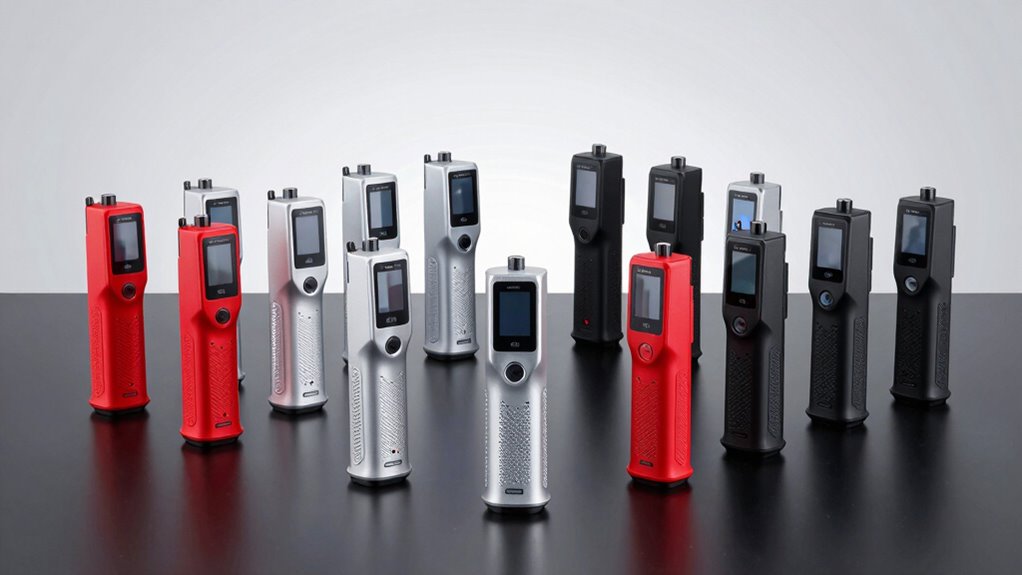

Among these tubeless tire inflators, the Topeak JoeBlow Booster is my best overall pick for riders who want a familiar floor-pump format with a dedicated air chamber. The MOHEGIA Booster stands out for combining a 160 PSI booster with a conventional pump, while the 1.3L model with a pressure gauge offers a larger stated chamber and a 200 PSI rating. The main tradeoffs are air-chamber capacity, ease of charging and releasing air, valve compatibility, and whether you want a standalone booster or a pump for everyday use too. Specs alone cannot guarantee that a tire will seat: tire and rim fit, valve setup, and technique matter as well. Read on for my ranking, buying guidance, and help matching an inflator to your riding needs.

Get sports gear delivered free with Prime
- Fast, free delivery on millions of items
- Prime Video, Amazon Music and more included
- Member-only deals all year
Complete the kit


Key Takeaways
- The Topeak JoeBlow Booster takes the overall lead because its air-chamber floor-pump design offers a clearer all-around choice than the more specification-led standalone tanks.
- The MOHEGIA Booster is the strongest dual-purpose option in this group: it combines a tubeless air chamber with standard pumping, so it can serve beyond initial tire seating.
- The 1.3L, 200 PSI model is the capacity-and-pressure standout on paper, but those figures do not establish how easily it releases air or whether it fits every wheel setup.
- The 1.1L and 1.15L inflators prioritize compact tank formats; buyers should weigh easier storage against the greater reserve suggested by larger chambers.
- Three listings describe the same 200 PSI aluminum-alloy inflator, so the apparent eight-choice field contains substantial duplication rather than eight distinct designs.


| tubeless tire inflator | Maximum pressure | Valve compatibility | Weight | Material |
|---|---|---|---|---|
| High-Pressure Tubeless Bike Ti | 200 PSI | Clik, Presta, Schrader | 1.17 lbs | Aluminum alloy |
| MOHEGIA Booster Tire Floor Pum | 160 PSI | Presta and Schrader | — | — |
| Tubeless Tire Inflator 1.15L | 160 PSI | Presta | 445 g | Aluminum |
| High-Pressure Tubeless Bike Ti | 200 PSI | Clik, Presta, Schrader | 1.07 lbs | — |
| High-Pressure Tubeless Bike Ti | 200 PSI | Presta, Schrader, Clik | 1.07 lbs | — |
| Tubeless Tire Inflator 1.1L | 160 PSI | Presta | 0.67 kg | Aluminum |
| Tubeless Tire Inflator 1.3L wi | 200 PSI | Presta and Schrader | 510 g | — |
| Topeak JoeBlow Booster Tubeles | 160 PSI | Presta and Schrader | 6.4 lb | Aluminum |
More Details on Our Top Picks
High-Pressure Tubeless Bike Tire Inflator Air Tank – 200 PSI Aluminum Alloy Bicycle Tyre Booster for MTB & Road Bike – Clik, Presta, Schrader Valves Compatible
This tank suits riders who want a dedicated bead-seating tool that works across Clik, Presta, and Schrader valves. Its 1.3-liter chamber and 200 PSI maximum give it more headroom than the 160 PSI Airshot Tubeless Inflator 1.15L, while the precise gauge helps monitor charging before release. At 1.17 pounds, it remains practical to store or bring along, and the 17.7-inch hose gives some room to position the tank at the wheel. The tradeoff is that it must be pre-charged to at least 120 PSI for effective seating, so it depends on a separate pump or compressor. I’d choose it for varied bikes and valve types, but casual riders who need routine inflation may find a dedicated booster excessive.
Pros:- Works with Clik, Presta, and Schrader valves without separate adapters
- 1.3-liter tank and 200 PSI maximum offer more pressure headroom than the Airshot 1.15L
- Built-in gauge supports checking pressure while charging
- Aluminum construction with a flexible 17.7-inch hose
Cons:- Needs to be charged to at least 120 PSI for effective bead seating
- Does not replace a standard floor pump for everyday inflation
- At 1.17 pounds, it is heavier than some listed 1.07-pound tanks
Best for: Households or bike mechanics who seat tubeless tires across bikes with Clik, Presta, and Schrader valves.
Not ideal for: Casual cyclists who mainly top up tires, since this dedicated tank needs pre-charging and is not a standard pump.
- Maximum pressure:200 PSI
- Tank capacity:1.3 L
- Material:Aluminum alloy
- Hose length:17.7 inches
- Weight:1.17 lbs
- Dimensions:13.78 x 4.33 x 3.15 inches
- Valve compatibility:Clik, Presta, Schrader
Our verdict“Choose this tank if valve flexibility and a pressure gauge matter more than having an all-purpose floor pump.”
MOHEGIA Booster Tire Floor Pump – 160 PSI Dual-Function Air Compressor & Standard Pump for Tubeless Tires & Road Bikes
Unlike the dedicated air tanks in this lineup, the MOHEGIA Booster combines a standard pump with a 160 PSI booster mode. That makes it the most practical pick here for riders who want one floor pump for everyday pressure checks and occasional tubeless seating. Its 35-inch hose can make reaching a valve less awkward than using the shorter hoses on the standalone tanks, and the included valve core remover adds a useful tubeless setup tool. In exchange, its maximum pressure is below the 200 PSI tanks from the same roundup, and the supplied details don’t specify a digital gauge or much about build durability. Compared with the Airshot 1.15L, it doesn’t require a separate floor pump to charge its chamber, but it is a less focused choice for riders who already own a reliable pump.
Pros:- Combines standard inflation with a tubeless booster mode
- 160 PSI maximum pressure is specified for booster use
- Long 35-inch hose makes valve access more convenient
- Includes a valve core remover, inflation needle, and sports ball adapter
Cons:- Maximum pressure is lower than the 200 PSI tanks in this roundup
- Product details do not specify a digital pressure gauge
- Build durability information is limited
Best for: Home mechanics and road cyclists who want one floor pump for everyday inflation and occasional tubeless tire seating.
Not ideal for: Riders who already own a good floor pump and want a compact, dedicated booster with detailed pressure monitoring.
- Maximum pressure:160 PSI
- Pump functions:Standard inflation and tubeless booster mode
- Hose length:35 inches
- Valve compatibility:Presta and Schrader
- Included accessories:Inflation needle, sports ball adapter, user manual
- Additional tool:Built-in valve core remover
Our verdict“Pick the MOHEGIA if you want everyday pumping and tubeless boosting in one floor-pump format.”
Tubeless Tire Inflator 1.15L
The Airshot Tubeless Inflator is a straightforward cylinder for riders who already have a floor pump and want a compact way to deliver a burst of air for bead seating. Its 1.15-liter capacity and 160 PSI maximum are below the 1.3-liter, 200 PSI tanks listed here, including the B0FP56DFGP aluminum inflator. In return, its 445-gram weight and simple release tap make it an easy-to-store tool rather than another full-size pump. It works with a standard floor pump, so there is no need to add a compressor or CO₂ cartridges to the setup. The tradeoff is a two-step process: charge the cylinder manually, then release the stored air. I’d favor it for occasional home tire changes, not for riders seeking a booster with a higher stated pressure ceiling or all-in-one pumping.
Pros:- Uses an existing floor pump, avoiding the need for a compressor or CO₂ cartridges
- Lightweight at 445 grams and easy to store or carry
- Release tap allows controlled airflow when seating a tire
- Listed as compatible with all tire sizes and Presta valves
Cons:- Requires a separate manual floor pump to charge the cylinder
- Its 160 PSI maximum and 1.15-liter volume are lower than the 200 PSI, 1.3-liter tanks
- Does not provide standard tire inflation on its own
Best for: Cyclists who already own a floor pump and want a light, storable booster for occasional tubeless setup or sealant changes.
Not ideal for: Riders without a floor pump, or those who want the higher stated pressure and capacity of the 200 PSI aluminum tanks.
- Volume:1.15 L
- Maximum pressure:160 PSI
- Weight:445 g
- Material:Aluminum
- Flow capacity:250 centiliters per second
- Operation mode:Automatic
- Valve compatibility:Presta
- Color:Blue
Our verdict“Choose the Airshot if you already have a floor pump and value a light, uncomplicated tubeless booster.”
High-Pressure Tubeless Bike Tire Inflator Air Tank – 200 PSI Aluminum Alloy Bicycle Tyre Booster for MTB & Road Bike – Clik, Presta, Schrader Valves Compatible
This 1.3-liter tank shares the 200 PSI ceiling and broad valve compatibility of the B0FP56DFGP aluminum inflator, but its listed weight is lighter at 1.07 pounds. That makes it a strong fit for riders who want a portable, dedicated bead-seating tool without moving down to the 160 PSI Airshot 1.15L. The CNC-machined aluminum construction is described as durable, and compatibility with Clik, Presta, and Schrader valves suits mixed-bike setups. Its main limitation is the same one shared by high-pressure tanks: it needs an external source to charge it to at least 120 PSI and is not a standard pump replacement. Product details also give less dimensional information than the B0FP56DFGP listing, so I’d choose based on its lower stated weight rather than assuming other differences.
Pros:- 1.3-liter capacity and 200 PSI maximum match the higher-pressure tanks in this roundup
- Listed weight of 1.07 pounds is lower than the B0FP56DFGP model
- Compatible with Clik, Presta, and Schrader valves
- CNC-machined aluminum construction
Cons:- Requires a separate pump or compressor to charge to at least 120 PSI
- Designed for booster use, not everyday low-pressure inflation
- Product data provides limited size details for storage planning
Best for: Road, gravel, or mountain bike riders who want a lighter 200 PSI booster for travel or home bead seating.
Not ideal for: Riders who need a pump for routine tire top-ups or do not have a separate way to charge the tank.
- Tank capacity:1.3 L
- Maximum pressure:200 PSI
- Length:13.78 inches
- Weight:1.07 lbs
- Construction:CNC-machined aluminum
- Valve compatibility:Clik, Presta, Schrader
- Suggested pre-charge:At least 120 PSI for best results
Our verdict“Choose this model if you want 200 PSI capacity and broad valve support in a relatively light dedicated tank.”
High-Pressure Tubeless Bike Tire Inflator Air Tank – 200 PSI Aluminum Alloy Bicycle Tyre Booster for MTB & Road Bike – Clik, Presta, Schrader valves Compatible
With Clik, Presta, and Schrader compatibility, this tank is an adaptable option for riders who travel with more than one bike or share tools at home. Its 200 PSI maximum and CNC-machined aluminum construction put it in the same high-pressure group as the B0DSK499JZ inflator, while the 17.7-inch hose gives useful reach when positioning the tank beside a wheel. At 1.07 pounds, it is listed as lighter than the B0FP56DFGP model, though it still requires a separate source to charge it to at least 120 PSI. Unlike the MOHEGIA Booster, it is a dedicated tank rather than an everyday floor pump, so it makes more sense as a tubeless setup tool than as a single-pump solution. The available specs do not give a tank capacity.
Pros:- Supports Clik, Presta, and Schrader valves
- 200 PSI maximum for high-pressure bead seating
- Listed weight of 1.07 pounds supports portable use
- 17.7-inch hose offers more reach than a compact direct connection
Cons:- Requires a separate pump or compressor and at least a 120 PSI charge for best performance
- Not intended for routine low-pressure inflation
- Product data does not state tank capacity
Best for: Riders who travel with different bike types or share a tubeless tool among bikes with mixed valve standards.
Not ideal for: Cyclists seeking a standard pump for regular tire inflation, or buyers who need a stated tank capacity before choosing.
- Maximum pressure:200 PSI
- Tank material:Aluminum alloy
- Hose length:17.7 inches
- Weight:1.07 lbs
- Length:13.78 inches
- Valve compatibility:Presta, Schrader, Clik
- Suggested pre-charge:At least 120 PSI for best performance
Our verdict“Choose this tank for portable, multi-valve tubeless work, but look elsewhere if you need an everyday pump or a confirmed chamber volume.”
Tubeless Tire Inflator 1.1L – Bike Pump Max 160 Psi, Compatible with Presta Valves for Road, Mountain, E-Bike
The 1.1L capacity and 160 PSI maximum make this a straightforward way to add a burst of air from a standard floor pump when seating a tubeless tire. At 0.67 kg, it is easier to carry than the Topeak JoeBlow Booster, which combines the chamber with a full floor pump but weighs 6.4 pounds. That smaller, simpler format suits riders who already own a reliable pump and want a separate seating tool for home or travel. The tradeoff is that this is not a self-contained inflator: you supply the pumping effort and the floor pump, and reaching high pressure can take work. Its listed valve compatibility is Presta, so riders needing a single booster that also supports Schrader should look at the Topeak instead.
Pros:- 1.1L chamber provides stored air for tubeless tire seating
- Supports pressures up to 160 PSI
- Lightweight aluminum construction at 0.67 kg
- Connects to a standard floor pump
Cons:- Requires a separate floor pump to operate
- Manual pumping can take effort, especially at higher pressures
- Listed compatibility is limited to Presta valves
Best for: Road and mountain cyclists who already own a floor pump and want a light, separate tubeless-seating chamber for home or travel.
Not ideal for: Riders who need a complete floor-pump setup, automatic operation, or confirmed Schrader compatibility.
- Capacity:1.1 L
- Maximum pressure:160 PSI
- Valve compatibility:Presta
- Power source:Hand power
- Weight:0.67 kg
- Material:Aluminum
- Color:Black
Our verdict“Choose this if you want a portable, manually charged booster and already have a floor pump to pair with it.”
Tubeless Tire Inflator 1.3L with Pressure Gauge – Aluminum Alloy Bike Pump Max 200PSI for Road, Mountain E-Bike
This CYCLAMI model stands apart from the manual 1.1L inflator by pairing a 1.3L chamber with automatic operation and a pressure gauge, so riders can monitor inflation without relying solely on hand-pump effort. Its stated 200 PSI maximum is the highest among these three options, though that figure is a pressure ceiling, not a promise of a larger air burst; the chamber remains relatively compact. The 510 g weight and support for Presta and Schrader give it a useful portability and compatibility advantage over the Presta-listed 1.1L model. The main caveat is power: the listing identifies battery operation but gives no battery or charger details, so I would verify what is included before relying on it away from home. Its short 10-centimeter hose may also constrain positioning.
Pros:- 1.3L capacity with a stated maximum pressure of 200 PSI
- Pressure gauge supports more controlled inflation
- Compatible with Presta and Schrader valves
- Lightweight at 510 g
Cons:- Battery and charger inclusion details are not provided
- The 1.3L chamber may be limiting for larger-volume inflation needs
- 10-centimeter hose may restrict placement during use
Best for: Cyclists who want a compact, gauge-equipped booster for road, mountain, or fat-bike tires and can confirm their own battery setup.
Not ideal for: Riders who want a ready-to-use manual system or need clearly specified battery and charger components before purchase.
- Capacity:1.3 L
- Maximum pressure:200 PSI
- Valve compatibility:Presta and Schrader
- Operation mode:Automatic
- Power source:Battery powered
- Weight:510 g
- Dimensions:3.1 × 13.5 × 3.1 in
- Hose length:10 cm
- Warranty:12 months
Our verdict“Pick this for a lightweight, gauge-equipped option if you have confirmed the battery requirements and want both Presta and Schrader compatibility.”
Topeak JoeBlow Booster Tubeless Tire Floor Pump with Air Chamber, 160 PSI
The JoeBlow Booster is the most complete home option here: it combines a tubeless air chamber with a standard floor pump, so there is no separate pump to supply the charge. Its SmartHead DX3 accepts Presta and Schrader, giving it broader stated valve coverage than the 1.1L manual booster, which lists Presta compatibility. After seating a tire, the Topeak can continue as a regular pump for tube inflation, making the added floor-pump bulk useful in a workshop or garage. Unlike the lighter CYCLAMI unit, it does not depend on a battery, but its 6.4-pound weight and 29.1-inch height make it much less appealing for travel. The 160 PSI ceiling is also below the CYCLAMI model’s stated 200 PSI maximum.
Pros:- Combines a booster chamber and standard floor pump
- SmartHead DX3 supports Presta and Schrader valves
- Aluminum chamber reaches up to 160 PSI
- Can be used for tubeless setups and regular tube inflation
Cons:- Weighs 6.4 pounds, making it less convenient to carry
- Full floor-pump size takes more storage space than separate compact boosters
- Designed mainly for bike tires, with limited stated versatility for other inflatables
Best for: Home mechanics and workshop users who want one durable floor pump for tubeless seating and everyday tire inflation.
Not ideal for: Traveling cyclists who prioritize low weight and compact storage, or riders seeking a battery-powered portable inflator.
- Maximum pressure:160 PSI
- Weight:6.4 lb
- Dimensions:9.8 × 7.3 × 29.1 in
- Material:Aluminum
- Valve compatibility:Presta and Schrader
- Operation mode:Automatic
- Color:Black
- Pump type:Booster chamber with standard floor pump
Our verdict“Choose the JoeBlow Booster for a stationary home or workshop setup where an integrated floor pump matters more than portability.”

How We Picked
I compared the eight listed products by the factors that shape real tubeless setup decisions: air-chamber capacity and stated pressure, whether each model also works as a standard pump, valve compatibility information, and the likely ease of operating a floor-pump or standalone tank format. I also looked at how clearly each listing describes its intended use and whether its features offer a practical advantage beyond a headline PSI figure.
The ranking favors versatile designs with a defined use case, then separates compact or specification-focused options by their stated capacity and features. The Topeak JoeBlow Booster ranks first as the most established-style all-around floor-pump option in this lineup; MOHEGIA follows for combining booster and regular-pump functions. The three near-identical 200 PSI listings are treated as one basic design repeated across listings, not as three distinct innovations. Product names and listed specifications do not provide comparative seat-time tests, so I do not treat PSI or capacity alone as proof of faster or more reliable tire seating.
| tubeless tire inflator | Material | Valve compatibility |
|---|---|---|
| High-Pressure Tubeless Bike Ti | Aluminum alloy | Clik, Presta, Schrader |
| MOHEGIA Booster Tire Floor Pum | — | Presta and Schrader |
| Tubeless Tire Inflator 1.15L | Aluminum | Presta |
| High-Pressure Tubeless Bike Ti | — | Clik, Presta, Schrader |
| High-Pressure Tubeless Bike Ti | — | Presta, Schrader, Clik |
| Tubeless Tire Inflator 1.1L | Aluminum | Presta |
| Tubeless Tire Inflator 1.3L wi | — | Presta and Schrader |
| Topeak JoeBlow Booster Tubeles | Aluminum | Presta and Schrader |
Factors to Consider When Choosing Tubeless Tire Inflators
Choosing a tubeless inflator is less about finding the biggest number and more about matching the air delivery method to your tires, workspace, and maintenance habits. I would check these factors before choosing between a chamber pump and a standalone booster.
Match the air chamber to your tire and rim setup
A chamber stores air before releasing it in a short burst, but the amount you need depends on tire volume, bead fit, and rim design. A larger stated capacity, such as 1.3L compared with 1.1L, may offer a useful reserve, but capacity by itself does not tell you the release rate or how easily a specific tire will seat. A snug tire-and-rim fit can seat with less air than a loose combination, while some difficult setups may need a different approach altogether. Check your wheel and tire maker’s setup guidance before assuming a high-capacity tank will solve a fit problem. Avoid buying on chamber size alone when the listing gives little information about the release mechanism.
Treat maximum PSI as a limit, not a performance ranking
A stated maximum pressure describes a ceiling, not how much air reaches the tire in a burst or how controlled that release feels. In this roundup, several products list 200 PSI and others list 160 PSI, but that difference does not prove the 200 PSI models will seat a tire more easily. The appropriate pressure also depends on the inflator’s instructions and the wheel-and-tire combination. Buyers can make a costly mistake by chasing the highest number without checking usable capacity, gauge readability, or release control. Prioritize clear operating instructions and a way to monitor pressure over a headline rating alone.
Choose between a booster-only tank and an everyday floor pump
A standalone tank may suit a rider who already owns a reliable floor pump and wants a dedicated seating tool. A booster floor pump, such as the MOHEGIA or Topeak style in this lineup, can reduce equipment clutter because one tool handles normal inflation as well as stored-air release. That convenience may come with a larger footprint or a different routine for switching between pump and charge modes. If you set up tires only occasionally, a separate tank can be easier to store; if you top up tires often, a dual-function pump may earn its space. Check how the product changes modes before buying, since unclear controls can slow down setup.
Verify valve compatibility at the head, not just in the title
Listings may name Presta, Schrader, or Clik compatibility, but the valve head and any adapters determine how smoothly the inflator connects to your wheel. Confirm that the included head fits your valves and that the connection can be made without disturbing the valve core or leaking air. This matters especially with a sudden air release, when a poor seal can waste the burst you need for seating. If you use more than one bike, check compatibility across all of them rather than relying on a broad phrase such as “compatible with.” Keep any required adapter with the inflator so it is available during a tire change.
Plan for control, gauge visibility, and safe operation
Charging a chamber and releasing its air are separate steps, so a clear gauge and an intuitive release control can matter as much as pumping effort. A gauge helps you repeat a setup, but its presence does not establish accuracy or readability from your working position. Before the first tire setup, learn the manufacturer’s charging and release directions and keep hands clear of the tire bead area. Do not exceed the pressure limits set by the inflator, rim, or tire, whichever applies. If instructions are vague or the release method is hard to identify, that is a practical drawback even when the listed pressure looks high.
Decide when a more versatile or larger model is worth the space
Paying for a larger chamber or a dual-function design makes most sense when you expect repeated setups, work with higher-volume tires, or want one floor pump for routine inflation and seating. For occasional use with a compatible wheel setup, a smaller standalone tank may be adequate and simpler to store. Larger equipment can also mean more bulk at home or in a workshop, so compare dimensions and storage needs where the listing provides them. If you maintain several bikes, versatility may matter more than a small difference in stated capacity. Match the tool to your actual range of tires rather than buying for a hypothetical setup you may never use.
Frequently Asked Questions
Is a 200 PSI tubeless inflator better than a 160 PSI model?
Not automatically. Maximum PSI is a pressure limit, while tire seating also depends on the air the chamber stores, how quickly it releases, and how well the tire fits the rim. This roundup includes both 160 PSI pump designs and 200 PSI tank listings, but the stated ratings alone do not establish which will seat a particular tire more reliably. Check the product’s instructions and your wheel and tire limits before comparing numbers. Choose the higher rating only when its other features suit your setup too.
Should I buy a booster floor pump or a separate air tank?
A booster floor pump is a good fit if you want one tool for routine tire inflation and tubeless seating, and the MOHEGIA and Topeak designs in this roundup follow that approach. A separate tank makes more sense if you already own a floor pump and prefer a dedicated booster that may be easier to store apart from your regular equipment. Consider how often you seat tires, how much room you have, and whether switching between modes sounds convenient. Before buying, check how each product charges and releases its chamber. The right format depends more on your routine than on the category label.
Will a larger chamber guarantee that my tubeless tire seats?
No. A larger chamber can provide more stored air, but it cannot make an incompatible or poorly matched tire-and-rim combination work. Bead fit, rim tape, valve setup, and the inflator’s release behavior all affect the process. The 1.3L model has the largest stated capacity in this lineup, yet that specification does not guarantee a successful seat on every wheel. Follow the wheel and tire maker’s setup instructions, and check for leaks or fit problems before blaming the inflator. If a setup repeatedly resists seating, investigate the parts and technique as well as the tank size.
Do I need a tubeless inflator with a pressure gauge?
A gauge can help you repeat a charging routine and monitor pressure, making it useful if you set up tires regularly or prefer visible feedback. It does not by itself prove that the reading is accurate, easy to see, or useful at the moment of release. In this roundup, the 1.3L model explicitly lists a gauge, while other listings focus on pressure limits or pump format. Check where the gauge sits and whether the instructions explain the charging procedure. If you already use a separate gauge and only need a storage chamber, a built-in one may be less important.
Why are there three similar 200 PSI aluminum inflator listings?
The lineup contains three listings with nearly identical descriptions for a 200 PSI aluminum-alloy tank that names Clik, Presta, and Schrader compatibility. Their titles do not show a clear design difference, so I would not treat them as three distinct performance choices. Compare the actual listing details for included fittings, dimensions, instructions, and warranty information before choosing among them. If those details are also the same, there may be little reason to rank one description above another. Their repetition is why the comparison focuses on distinct formats and features rather than counting similar listings as separate innovations.
Conclusion
For most riders who want a dependable all-around format, I recommend the Topeak JoeBlow Booster as best overall; its air-chamber floor-pump design makes it a clear alternative to a separate tank. The MOHEGIA Booster is my best value by function for buyers who want one tool to handle both regular inflation and tubeless seating. For a best premium-style pick within this lineup, the Topeak is the strongest choice for riders who prioritize a dedicated booster-pump design over a standalone chamber. Beginners may prefer the MOHEGIA or Topeak format if they want a conventional floor pump alongside the booster function, while checking the operating instructions before first use. For riders focused on a larger stated chamber and higher pressure rating, the 1.3L, 200 PSI model is the specific-needs option, though its figures do not guarantee easier seating. If storage is the priority, compare the 1.1L and 1.15L tanks and confirm their included valve fittings; I would not choose between the duplicate 200 PSI listings without checking for concrete differences.
NFL season / tailgating Picks
team gear
As an affiliate, we earn on qualifying purchases.