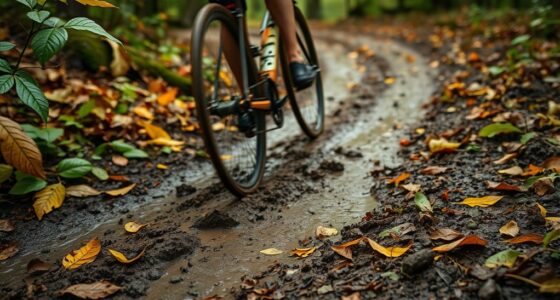
When maneuvering snow and ice, using studded tires provides extra traction and confidence, especially on icy surfaces. Developing proper skills, like gentle acceleration, calm steering, and effective braking, helps prevent slipping and maintains control. Wearing well-fitted skates and mastering techniques like edging and stopping makes ice skating safer and more enjoyable. Combining the right gear with practiced skills ensures you stay safe and make the most of winter’s beauty—continue to explore ways to enhance your winter experience.

Get sports gear delivered free — and shop member deals
- Fast, free delivery on millions of items
- Access to Prime Big Deal Days deals on October 6–7
- Prime Video, Amazon Music and more included
Key Takeaways
- Studded tires improve traction and safety on icy roads, essential for winter driving in snow-prone areas.
- Proper winter driving skills, such as gentle braking and steering, help prevent skidding on ice.
- Maintaining alertness and reducing speed are crucial for safe navigation on snowy and icy terrains.
- Mastering ice skating techniques like edge control and stopping enhances safety and enjoyment on ice.
- Combining correct equipment with skilled techniques ensures safer and more confident movement on snow and ice.
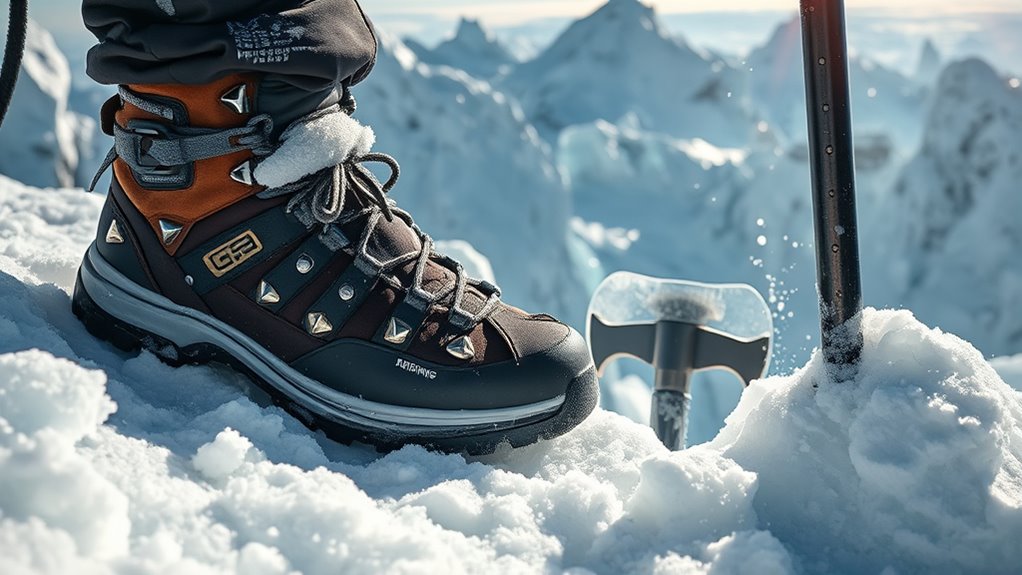
Have you ever wondered how snow and ice shape our environment? These icy landscapes influence everything from the way we travel to how we enjoy winter sports. When it comes to winter driving, understanding how to steer through icy roads can make the difference between a safe trip and a dangerous mishap. The key is to stay alert, reduce your speed, and keep a firm grip on the wheel. Don’t forget to equip your vehicle with proper tires, especially those with studs if you’re in an area prone to icy conditions. Studs provide the extra traction needed to prevent slipping and sliding, giving you more confidence behind the wheel. Remember, acceleration and braking should be gentle to avoid skidding. If you do start to slide, steer calmly into the direction of the skid to regain control. These small adjustments can help you traverse winter roads more safely and comfortably. Additionally, dog breeds like the Black Golden Retriever are known for their adaptability to cold climates, making them excellent companions during winter adventures.
Switching gears to ice skating, mastering the right techniques can considerably improve your experience and safety on the ice. Whether you’re a beginner or looking to refine your skills, focus on your stance first. Keep your knees slightly bent and your weight centered over your skates. This stance offers better balance and control. When pushing off, use your edges effectively—lean into your turns and push with the inside edge of your skate to carve smooth curves. As you gain confidence, try to glide gracefully, shifting your weight from one foot to the other with fluid motion. If you’re learning, don’t rush; practice stopping properly by using the snowplow method or a hockey stop to avoid falls. Wearing the right gear, like well-fitted skates and protective padding, also plays a vital role in keeping you safe. As you improve, incorporate more advanced techniques like crossovers and backward skating, but always prioritize control and awareness of your surroundings. The more you practice, the more your skills will become instinctive, allowing you to enjoy winter sports without worry.
Both winter driving and ice skating demand a combination of skill and caution. With the right techniques and preparation, you can conquer icy conditions instead of being overwhelmed by them. Whether you’re steering through slippery roads or gliding across a frozen lake, understanding how snow and ice affect movement is essential. These environments may be challenging, but they also offer unique opportunities for adventure and beauty. By honing your skills and respecting the icy terrain, you’ll discover that winter can be both safe and exhilarating. Embrace the cold, stay prepared, and enjoy all the wonder this season has to offer.
As an affiliate, we earn on qualifying purchases.
Frequently Asked Questions
What Are the Best Types of Studs for Icy Roads?
For icy roads, the best studs are tungsten or tungsten-carbide ones, as they provide excellent tire traction in winter driving conditions. You want studs that dig into ice and stay durable in extreme cold. Make certain your vehicle’s tires are properly equipped with these studs, and always check local regulations. Using the right studs ensures safer driving and better control on icy surfaces, giving you peace of mind during winter adventures.
How Do I Prevent Ice From Forming on My Vehicle?
To prevent ice from forming on your vehicle, start by regularly cleaning your winter windshield and remove any snow buildup. Use a windshield washer fluid with antifreeze properties to keep the glass clear. Park in a sheltered spot when possible, and cover your mirrors and windows with a tarp overnight. Consistent snow removal from your vehicle helps reduce ice formation, ensuring better visibility and safer driving conditions.
Are There Legal Restrictions on Stud Use in Winter?
Like a cautious sailor navigating icy waters, you’re wise to contemplate stud regulations before hitting the road. Legal restrictions on stud use vary by state or country, so you must check local laws. Some places limit stud size or ban them altogether to protect road surfaces. Always stay informed about your area’s stud regulations to avoid fines or penalties, ensuring your winter journey remains smooth and legal.
How Do I Choose the Right Skills for Icy Driving?
To choose the right skills for icy driving, focus on improving your vehicle handling and driver preparedness. Practice gentle steering, braking, and acceleration to avoid skidding. Keep a safe distance from other vehicles and stay alert to road conditions. Enroll in winter driving courses or practice in controlled environments. Building these skills boosts your confidence and helps you respond effectively, ensuring safer journeys on icy roads.
What Maintenance Is Needed for Snow Tires With Studs?
You need to regularly check your snow tires with studs for proper tire pressure and inspect the studs for wear or damage. Keep the tire pressure at the recommended level to guarantee maximum traction and safety. Additionally, examine the studs to make sure they’re securely attached and not excessively worn down. Proper maintenance helps your tires perform well in icy conditions and extends their lifespan during the winter months.
Conclusion
As you navigate snow and ice, remember that studs can improve traction, but they don’t replace good skills. Many believe that perfect tire equipment guarantees safety, yet skillful driving often proves just as vital. Studies suggest that even with studs, losing control is possible if you’re reckless or unprepared. So, combine the right gear with cautious driving—because in winter conditions, your skills and judgment are your best tools for staying safe.
Fall Picks
fall essentials
As an affiliate, we earn on qualifying purchases.