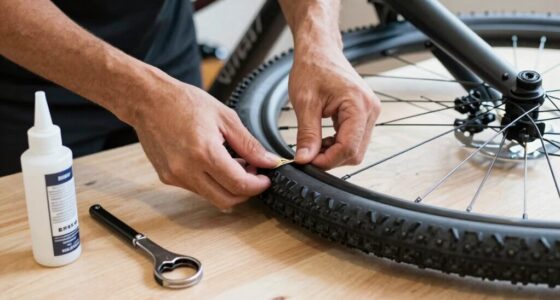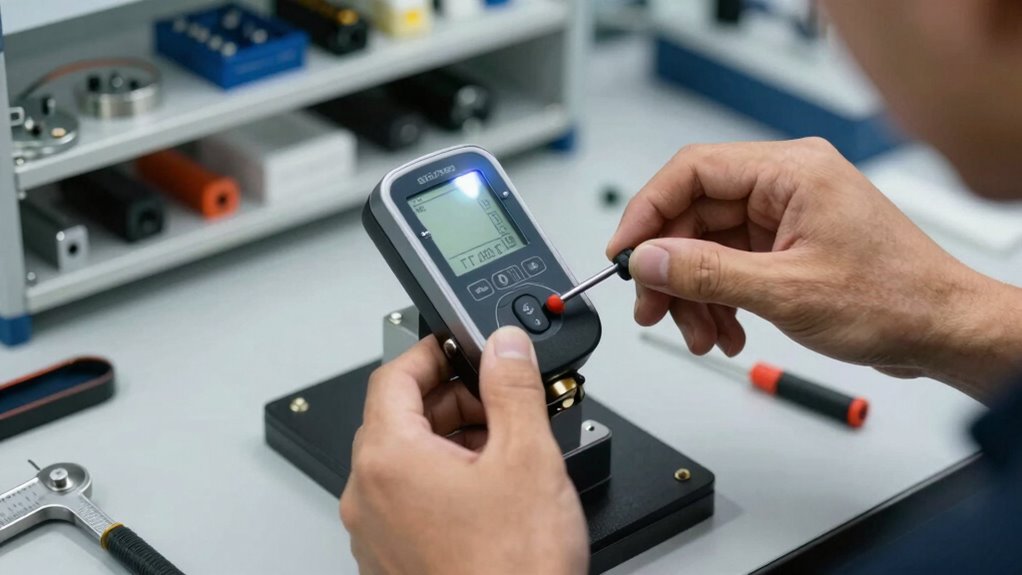

To calibrate your power meter correctly, start by referencing reliable standards traceable to national benchmarks, like those from NIST or ISO. Follow the manufacturer’s instructions carefully and guarantee your setup uses proper connections in a stable environment. Regularly check and document calibration results to prevent measurement drift and maintain accuracy over time. Proper calibration practice ensures trustworthy data, and if you keep exploring, you’ll discover detailed steps to optimize your process for lasting precision.

Get sports gear delivered free with Prime
- Fast, free delivery on millions of items
- Prime Video, Amazon Music and more included
- Member-only deals all year
Key Takeaways
- Use traceable, certified calibration standards aligned with recognized industry benchmarks like NIST or ISO.
- Follow manufacturer guidelines and standardized procedures to ensure consistent, accurate calibration setup.
- Perform calibration in a stable environment with proper connections to minimize measurement errors.
- Document calibration details, including date, standards used, and adjustments, for traceability and quality assurance.
- Schedule routine calibrations and verify standards periodically to maintain measurement accuracy over time.
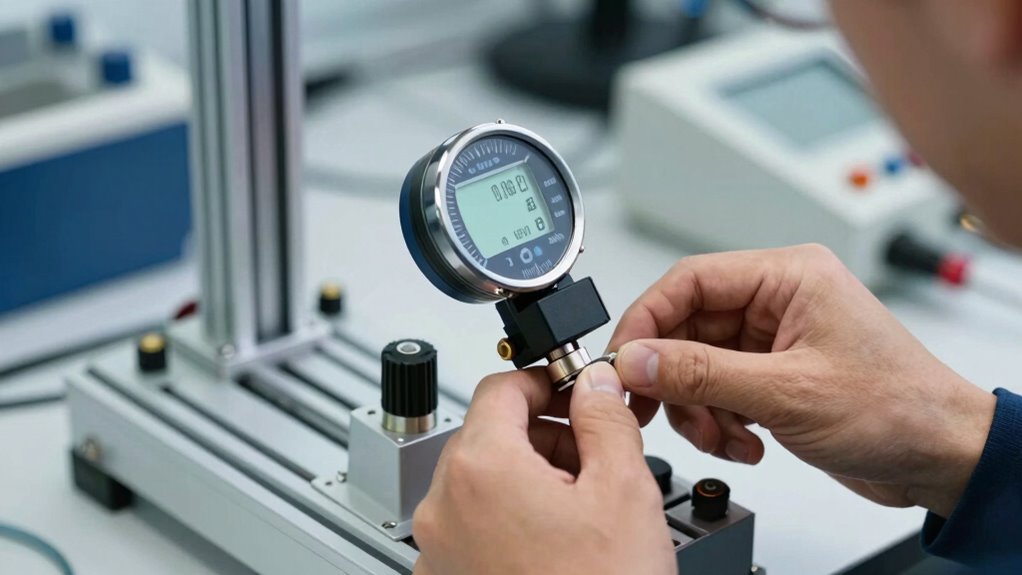
Calibrating a power meter guarantees you get precise measurements of electrical power, which is crucial for reliable testing and analysis. If you want your data to be trustworthy, understanding how to achieve ideal power meter accuracy is critical. The process begins with familiarizing yourself with calibration standards, which serve as benchmarks to ensure your device’s readings are correct. These standards are established by industry organizations and provide a reference point for verifying that your power meter performs within acceptable tolerances.
Calibrating a power meter ensures accurate, reliable electrical power measurements essential for testing and analysis.
When you calibrate your power meter, you’re fundamentally aligning its readings with these recognized standards. This involves using a known source or reference instrument that has been calibrated against certified calibration standards. By comparing your power meter’s measurements to this reference, you can identify any discrepancies or drift in accuracy. Correcting these discrepancies ensures your device’s measurements are accurate and consistent over time.
One key aspect to focus on is maintaining consistent calibration procedures. This means following manufacturer guidelines or industry best practices to minimize errors. Proper setup, such as ensuring proper connections and stable environmental conditions, plays a crucial role in achieving accurate calibration results. You want to make sure the power meter is operating under conditions similar to those during actual testing, so your calibration remains relevant.
Regular calibration is crucial because even high-quality power meters can experience drift due to environmental factors, aging components, or usage. By scheduling routine calibration checks, you help preserve the integrity of your measurements. When calibrating, pay close attention to the calibration standards used—using outdated or uncertified standards can compromise your power meter accuracy. Always verify that your calibration references are traceable to national or international standards, such as those from NIST or ISO, to guarantee reliability.
During calibration, document your process meticulously. Recording the calibration date, standards used, and any adjustments made provides a valuable history that helps track device performance over time. This documentation is essential if you need to validate your measurements for regulatory compliance or quality assurance purposes. Additionally, understanding the contrast ratio of your testing equipment can be important for ensuring your measurements are not affected by external lighting conditions.
NIST traceable power meter calibration standards
As an affiliate, we earn on qualifying purchases.
As an affiliate, we earn on qualifying purchases.
Frequently Asked Questions
How Often Should I Calibrate My Power Meter?
You should calibrate your power meter every 4 to 6 weeks for peak accuracy. Regular calibration ensures reliable data, especially if you notice inconsistent readings. Incorporate maintenance tips like checking for firmware updates and inspecting connections regularly. If you’re training intensively or competing, consider more frequent calibrations. Consistent calibration frequency helps maintain trust in your power data, so you can focus on improving your performance without doubts about measurement accuracy.
Can I Calibrate My Power Meter Myself?
Imagine holding your bike’s power meter, feeling confident you can fine-tune it yourself. Yes, you can do DIY calibration if you’re comfortable with technical steps, but for the most accurate results, professional calibration services are recommended. While some advanced cyclists manage simple adjustments, a professional ensures your data’s reliability. Decide based on your skill level, but remember, trusting your data is key for ideal training.
What Tools Are Needed for Calibration?
To calibrate your power meter, you’ll need basic power meter tools like a calibration device or a known power source, a torque wrench if applicable, and a compatible computer or app for data analysis. These power meter tools help guarantee the calibration process is accurate. Follow the calibration process carefully, using these tools to verify your power meter’s readings and make necessary adjustments for precise data.
How Do Environmental Factors Affect Calibration Accuracy?
Environmental factors can considerably impact calibration accuracy. When temperature stability is off, your power meter might give inconsistent readings, like a misaligned compass. Humidity influence can cause corrosion or electrical issues, skewing data. You need a controlled environment to guarantee precise calibration. By maintaining stable temperatures and controlling humidity, you help your power meter perform reliably, giving you trustworthy data for your training and performance analysis.
What Are Signs My Power Meter Needs Recalibration?
You’ll notice your power meter needs recalibration if you see inconsistent data, sudden dips or spikes, or if it drifts from known benchmarks. Over time, the power meter’s lifespan can affect its accuracy, making recalibration essential. While calibration cost varies, investing in regular recalibration helps maintain precision, especially if you rely on your data for training or racing. Don’t ignore signs; accurate data is key to performance.
Conclusion
Just like tuning a musical instrument ensures every note rings true, calibrating your power meter guarantees your data is reliable. I once ignored calibration and trusted my readings; it led to overtraining and setbacks. Remember, a small adjustment now can prevent bigger issues later. Think of calibration as fine-tuning your performance—it’s worth the effort to hit the right notes every time. Trust your data, and your progress will stay on pitch.
NFL season / tailgating Picks
team gear
As an affiliate, we earn on qualifying purchases.