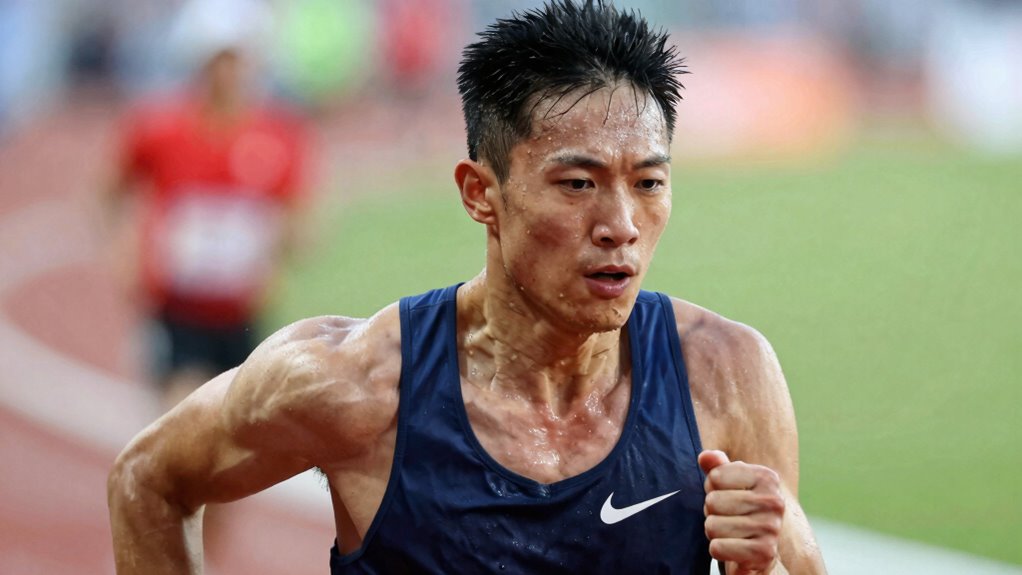

To improve your breathing during hard efforts, focus on interval drills that combine deep, diaphragmatic breathing with rhythmic patterns. Practice coordinating your breath with your movement—such as inhaling for three steps and exhaling for three—while staying relaxed. Incorporate quick bursts of intense breaths during effort peaks, followed by slow, controlled exhalations during recovery. Keep practicing these techniques consistently to enhance your control, stamina, and confidence when it matters most. There’s more you can do to perfect your technique ahead.
Key Takeaways
- Practice rhythmic breathing, such as inhaling for three steps and exhaling for three steps, to maintain steady oxygen intake during efforts.
- Incorporate diaphragmatic breathing drills to enhance deep, belly breaths that maximize oxygen exchange under stress.
- Use interval breathing exercises, alternating rapid breaths during high intensity and slow, controlled breaths during recovery.
- Perform mindfulness and respiratory awareness drills to recognize irregular patterns and improve control during demanding efforts.
- Combine breath-focused drills with mental focus techniques to sustain calmness and energy during peak exertion.
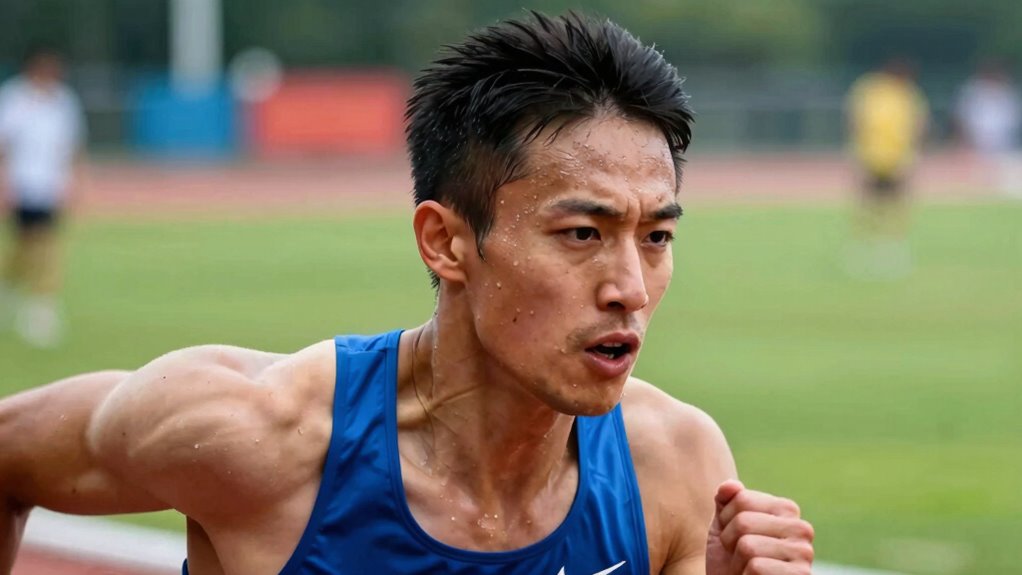
During hard efforts, breathing can quickly become shallow and inefficient, limiting your performance and delaying recovery. When your body pushes to its limits, it’s easy for your breathing to become erratic, which hampers oxygen intake and causes unnecessary fatigue. To combat this, developing a solid breathing rhythm and maintaining mental focus are essential. These elements help you stay in control, conserve energy, and recover faster once the effort subsides. Proper breathing techniques can also help prevent panic and maintain a sense of calm under pressure. One of the most effective breathing drills for hard efforts is rhythmic breathing. This technique involves coordinating your breath with your stride or movement, creating a consistent pattern that keeps your oxygen intake steady. For example, you might inhale for three steps and exhale for three steps. This pattern encourages mental focus, as you actively monitor your breathing and stay present in the moment, preventing your mind from wandering or panicking when the effort intensifies. As you practice, you’ll find that this rhythm becomes more natural, allowing your breathing to sync seamlessly with your movement, reducing the chances of becoming breathless prematurely. Another valuable drill is controlled diaphragmatic breathing, which emphasizes deep, belly breaths rather than shallow chest breaths. It’s especially useful during high-intensity efforts because it maximizes oxygen exchange and reduces muscle tension. To do this, place one hand on your chest and the other on your belly. As you breathe in through your nose, focus on expanding your diaphragm and filling your lungs from the bottom up. Exhale slowly through your mouth, engaging your core muscles to push out as much air as possible. This practice trains your mind to focus solely on your breath, sharpening your mental focus during efforts. Over time, controlled diaphragmatic breathing helps you maintain a steady breathing rhythm, even under stress. Incorporating breathing drills into your training can also improve your ability to stay relaxed and focused during unpredictable and demanding efforts. Additionally, integrating mindfulness techniques can further enhance your awareness and control over your breathing patterns, leading to more consistent performance. Developing respiratory awareness can help you recognize and correct irregular breathing patterns before they impact your endurance. This heightened awareness is supported by understanding the importance of oxygen intake and how it affects your overall stamina during strenuous activity. Finally, interval breathing drills can help you prepare for the unpredictable nature of hard efforts. In this practice, you alternate between high-intensity bursts and recovery periods, consciously regulating your breathing throughout. During intense phases, focus on deep, rapid breaths to supply your muscles with oxygen. During recovery, slow your breathing to restore calm and mental clarity. This alternation trains your mind to stay focused on your breathing, ensuring you don’t lose control when the effort peaks. Combining these drills enhances your mental focus and breathing rhythm, making it easier to sustain hard efforts without burning out prematurely. With consistent practice, you’ll gain confidence in your ability to control your breath, ultimately improving your performance when it counts most.

Adjustable Resistance Portable Lung Breathing Trainer | Premium Food-Grade Silicone Breath Exercise Device for Athletes, Runners & Home Fitness | Improve Respiratory Endurance & Core Strength
🏆Safe, Gentle & Durable: Food-Grade Silicone for Every User Crafted with ultra-soft, medical-grade silicone, this breathing trainer is…
As an affiliate, we earn on qualifying purchases.
As an affiliate, we earn on qualifying purchases.
Frequently Asked Questions
How Often Should I Practice These Breathing Drills?
You should practice these breathing drills daily or at least several times a week to see real benefits. Focus on maintaining consistent breathing patterns during each session, which helps improve stress management and endurance. Incorporate the drills into your warm-up or cool-down routines, or use them during rest periods in training. Regular practice trains your body to stay calm and controlled during hard efforts, boosting overall performance.
Are These Drills Suitable for Beginners or Only Advanced Athletes?
You might wonder if these breathing techniques are only for seasoned athletes, but don’t be fooled—beginners can adapt too. With proper guidance, you’ll find that these drills are accessible and highly effective for building control under pressure. Starting with simple exercises, you’ll gradually master the rhythm and deepen your breath. Soon, you’ll realize that advanced levels aren’t necessary to experience the powerful benefits of these breathing drills.
Can Breathing Drills Improve Recovery Time After Intense Efforts?
Yes, breathing techniques can markedly improve your recovery time after intense efforts. By practicing specific breathing drills, you enhance your body’s ability to oxygenate muscles and remove carbon dioxide efficiently. This boosts your athletic performance by reducing fatigue and speeding up recovery. When you focus on proper breathing, you help your body recover faster, allowing you to maintain higher intensity levels during workouts and competitions.
Do These Exercises Help With Mental Focus During Competition?
Absolutely, these exercises can skyrocket your mental focus during competition! They supercharge your mind like a laser beam, sharpening your concentration instantly. By practicing mindfulness techniques and relaxation strategies through breathing drills, you silence mental noise and stay present. This mental clarity helps you block out distractions and maintain peak focus, turning your mind into a calm, powerful force that dominates during those critical moments.
Is There Any Risk of Overdoing These Breathing Techniques?
Yes, you can overdo breathing techniques, leading to overtraining risks and misconceptions about their benefits. Pushing too hard or practicing excessively may cause dizziness, fatigue, or hyperventilation. It’s important to follow proper guidance and listen to your body, avoiding intense or prolonged sessions that could hinder your performance. Moderation guarantees you gain the advantages without risking adverse effects, keeping your breathing exercises safe and effective.

Bas Rutten O2Trainer: Breathing Muscle Training Device | Lung Power & Endurance Tool for Athletes, Singers & High-Altitude Performance | Diaphragmatic Respiratory Trainer | 16 Resistance Caps | Blue
DESIGNED BY UFC LEGEND BAS RUTTEN: Created by world champion fighter and conditioning expert Bas Rutten, the O2Trainer…
As an affiliate, we earn on qualifying purchases.
As an affiliate, we earn on qualifying purchases.
Conclusion
Remember, mastering your breathing drills is like tuning a finely crafted instrument—you’ll perform better under pressure. I once watched a runner conquer a tough hill by focusing solely on controlled breaths, and it changed everything. Just as a steady rhythm keeps a song moving, steady breathing keeps you moving forward during hard efforts. Keep practicing these drills, and you’ll find yourself more resilient, confident, and ready to conquer any challenge that comes your way.

Inhale Respiratory Trainer | Lung Strengthening Breathing Exercise Device | Made in USA | Adjustable Bi-Directional Resistance | Medical Grade Silicone Mouthpiece | Carrying Case Included
✅ DESIGNED & ASSEMBLED IN THE USA — Unlike competing breathing trainers sourced overseas, the Inhale Respiratory Trainer…
As an affiliate, we earn on qualifying purchases.
As an affiliate, we earn on qualifying purchases.

Breathing Pal Mini 'Yoyo' – Mindfulness Breathing Light, Guided Visual Meditation Breathing Light, Anxiety Relief Items for Calm Down Corner/Meditation/Sleep Aid for Adult/Kid
3 GUIDED BREATHING MODES WITH LIGHT CUES: Practice mindfulness with three effective techniques: 4-7-8 for anxiety relief, 5-5…
As an affiliate, we earn on qualifying purchases.
As an affiliate, we earn on qualifying purchases.