
When upgrading your bike electronics, start by prioritizing battery capacity and power management. Ensuring your devices have enough power allows you to ride longer without interruptions. Check compatibility with your current setup and confirm electrical standards to prevent malfunctions. Focus on efficient devices that extend battery life and deliver stable performance. Getting these basics right sets a solid foundation, and if you stick around, you’ll discover more tips to optimize your system and ride safer.
Key Takeaways
- Assess battery capacity and life to ensure reliable power during rides.
- Verify compatibility with your existing bike components and systems.
- Consider power consumption to select energy-efficient devices that extend battery life.
- Ensure electrical standards are met to maintain system stability and safety.
- Prioritize user interface and ease of use for quick, safe adjustments while riding.
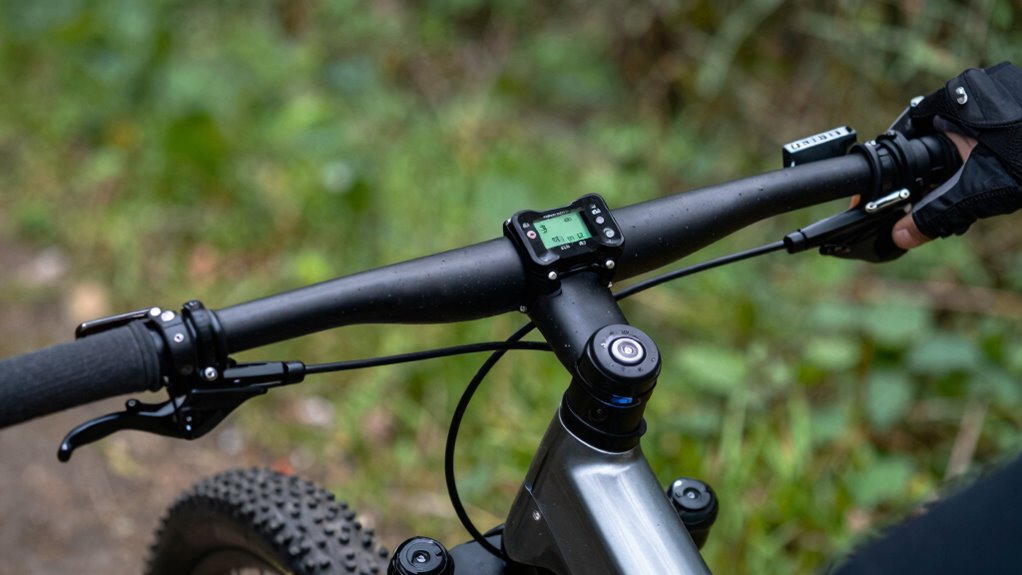
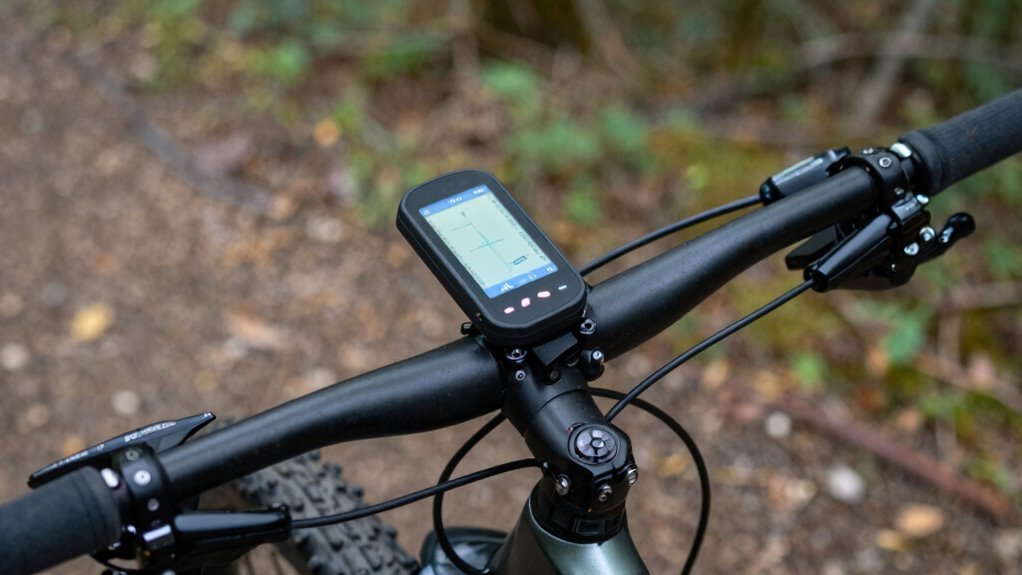
Upgrading your bike electronics can enhance your riding experience, but knowing what to prioritize is key to making smart choices. When considering upgrades, the first thing you should focus on is battery life. A longer-lasting battery means fewer interruptions during your rides and less hassle with frequent recharges. If you’re upgrading a GPS device, bike light, or electronic shifting system, check how much power each component consumes. High battery drain can quickly diminish the benefits of your upgrade, especially on longer trips. Opt for devices with efficient power management or larger capacity batteries to guarantee you get maximum runtime. This not only improves convenience but also boosts safety, as you’ll rely less on backup batteries or power sources.
Prioritize battery life to ensure longer rides and safer, hassle-free electronic upgrades.
While battery life is vital, you also need to pay attention to compatibility issues. Upgrading electronics without verifying compatibility can lead to frustration and wasted money. Before purchasing new components, verify if they’re compatible with your existing setup. For example, some GPS units or heart rate monitors only work with specific bike computers or sensors. Similarly, electronic shifting systems may require particular drivetrain compatibilities. Reading product specifications and consulting the manufacturer’s guidelines helps prevent mismatched equipment. Compatibility issues can cause features not to work properly, reduce system stability, or even damage your components. Taking the time to check compatibility upfront saves you headaches later and guarantees your upgrades integrate seamlessly. Additionally, understanding power consumption can help you select more efficient devices that won’t drain your battery quickly. Being aware of circuit compatibility is also crucial, as it ensures your new electronics operate safely within your bike’s existing electrical system. Moreover, researching electrical standards can help prevent potential issues related to voltage or current mismatches.
In addition to battery life and compatibility, you should consider user interface and ease of use. Upgrading to new gadgets is only worthwhile if you can operate them comfortably during your ride. Look for intuitive controls, clear displays, and features that match your riding style. For instance, if you prefer quick adjustments on the fly, prioritize devices with accessible buttons or touchscreen controls. Ease of use can greatly impact your riding safety and enjoyment, so don’t overlook this factor when making your choices.
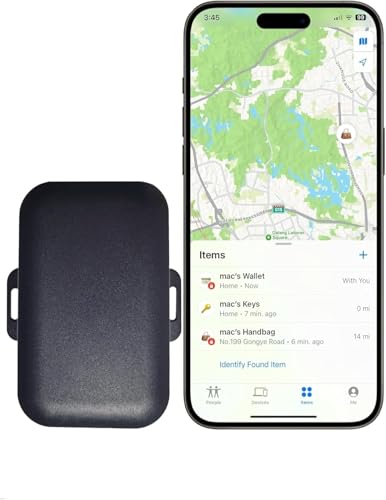
10 Years Long Life Battery GPS Tracker Item Finder, find car in Parking lot, no Subscription for Vehicles car ebike Truck Luggage School Bag Asset(Android)
- Long-lasting 10-year battery life: Provides up to 10 years of power
- Compatible with iPhone and Android: Works seamlessly with both iOS and Android devices
- Versatile item tracking: Suitable for vehicles, luggage, and more
As an affiliate, we earn on qualifying purchases.
As an affiliate, we earn on qualifying purchases.
Frequently Asked Questions
Can I Upgrade Bike Electronics Without Professional Help?
Yes, you can upgrade your bike electronics without professional help if you’re comfortable with basic tech tasks. Focus on improving wireless connectivity for better device pairing and data transfer. Also, prioritize battery management upgrades to extend your bike’s electronics lifespan and performance. Just make certain you follow instructions carefully, handle components gently, and double-check connections. If you’re unsure, consult tutorials or seek advice to avoid damaging sensitive parts.
How Do I Ensure Compatibility With Existing Bike Components?
Think of your bike as a vintage radio—if the parts don’t match, it won’t work smoothly. To guarantee compatibility, check your existing bike components and compare their specifications with new electronics. Focus on component compatibility and electronic integration, making sure connectors, voltages, and communication protocols align. This way, your upgrade will be seamless, and your bike will perform reliably without any technical ghost in the machine.
What Is the Typical Cost Range for Electronic Upgrades?
Electronic upgrades typically cost between $100 and $500, depending on the components you choose. You should consider battery life, as higher-end systems often demand more power. Also, check display compatibility to guarantee your new electronics work seamlessly with existing parts. Budgeting within this range allows you to balance features like advanced displays and extended battery life while maintaining compatibility with your current bike setup.
Are There Any Legal Considerations for Electronic Upgrades?
You need to guarantee legal compliance with local laws before upgrading your bike electronics, especially with lighting, signaling, or speed devices. Check regulations to avoid fines or legal issues. Also, consider warranty implications; some upgrades might void your bike’s warranty if not approved by the manufacturer. Always research specific laws in your area and consult your bike’s warranty terms to prevent future complications.
How Long Does the Installation Process Usually Take?
Installing new bike electronics usually takes about an hour or two, but don’t be surprised if it feels like a lifetime when battling battery lifespan concerns or signal interference. You’ll want to carefully connect wires, calibrate sensors, and test the system, all while praying your new tech doesn’t short-circuit or drain your battery faster than expected. Patience is key—just like waiting for a signal to finally come through during a rainstorm.
Conclusion
When upgrading your bike electronics, think of it as fueling your ride’s heartbeat. Prioritize the essentials first—the display, sensors, or navigation—like tuning a finely crafted instrument. Each upgrade is a brushstroke on your riding masterpiece, turning a simple journey into an exhilarating adventure. Remember, the right upgrades don’t just enhance performance—they ignite your passion and transform every pedal stroke into a symphony of possibilities. So, choose wisely and let your bike’s soul shine brighter than ever.