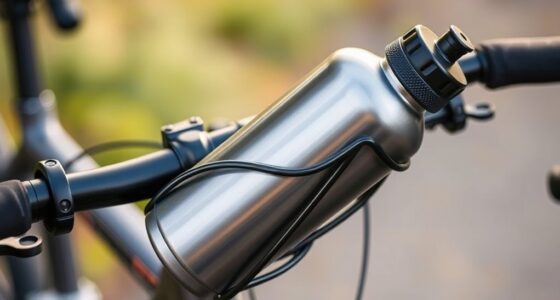
To choose cross-training tools without overbuying, focus on your primary fitness goals like strength, cardio, or weight loss, and select versatile, multifunctional equipment that fits your space and routines. Avoid buying everything at once, and opt for compact, lightweight tools that you’ll actually use regularly. Think about your workout environment and preferences to stay motivated. Keep these tips in mind, and you’ll find it easier to build a practical, sustainable collection that supports your fitness journey.
Key Takeaways
- Identify your primary fitness goals to select tools that support specific training needs.
- Start with versatile, multifunctional equipment to maximize utility and avoid unnecessary purchases.
- Assess your available space and choose compact, portable tools suited for your environment.
- Focus on equipment you genuinely enjoy and will consistently use to maintain motivation.
- Avoid trend-driven purchases; prioritize quality and long-term suitability for sustainable routines.
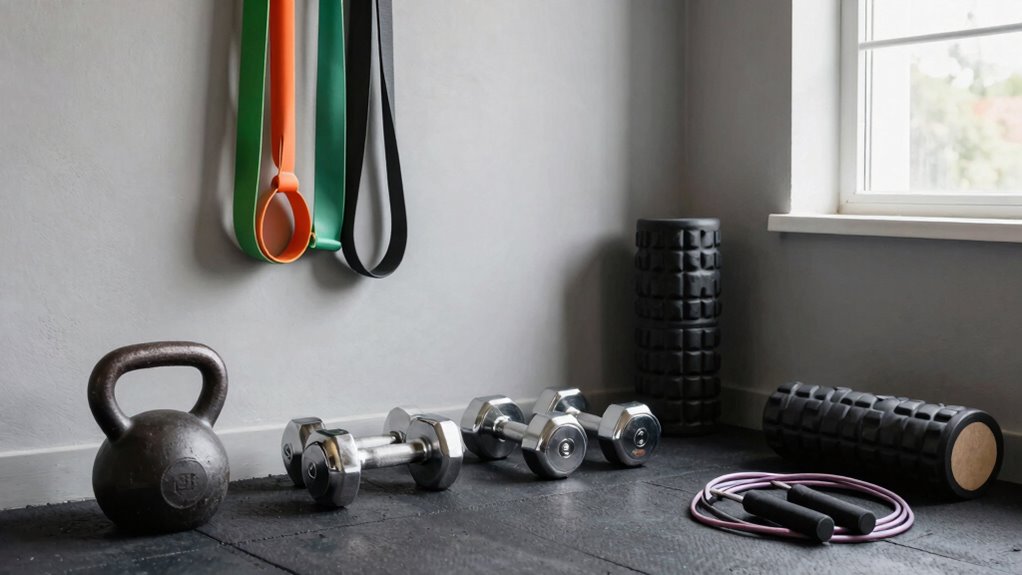
When selecting cross-training tools, focusing on your specific fitness goals and the types of workouts you’ll enjoy and stick with is essential. The benefits of cross training are numerous, including improved overall fitness, reduced risk of injury, and avoiding workout boredom. However, it’s easy to fall into the trap of common cross training mistakes, especially when buying equipment. Many people tend to overbuy, purchasing a wide range of tools that never get used or don’t align with their actual needs. To avoid this, start by identifying what you want to achieve. Are you aiming for weight loss, building strength, or improving cardiovascular health? Your goals will guide you toward the most effective tools.
Focus on your goals to choose cross-training tools that fit your needs and keep you motivated.
For example, if your primary focus is cardio, you might prioritize a quality jump rope, a set of resistance bands, or a sturdy stationary bike. If strength training is your goal, consider a pair of dumbbells, kettlebells, or a suspension trainer. Don’t rush into buying everything at once; it’s tempting to think that more equipment will translate to better results, but this often leads to clutter and underuse. Instead, select versatile tools that can serve multiple purposes, giving you more value for your investment. It’s also helpful to consider multifunctional equipment that can adapt to various exercises and fitness levels, making your workout routine more dynamic.
One common mistake is purchasing fancy equipment without considering your workout space or your ability to use it regularly. If you live in a small apartment, large machines like rowing machines or bulky weight racks might not be practical. Focus on compact, multipurpose items that fit your environment and lifestyle. Also, think about the variety of workouts you enjoy. If you like outdoor activities, maybe invest in resistance bands or a jump rope, which are portable and easy to store. If you prefer home workouts, a set of adjustable dumbbells or a stability ball can add variety without taking up much space.
Another pitfall is buying equipment solely based on trends or recommendations without evaluating whether you’ll actually use it. This can lead to clutter and wasted money. Instead, plan your workouts around tools you genuinely enjoy and that fit your routine. Remember that effective cross training relies on consistency and choosing tools that motivate you. Incorporating personal preferences into your equipment choices can further enhance your commitment and enjoyment. Additionally, considering the space limitations and how the equipment integrates into your daily routine can help prevent impulse purchases. Being aware of your available resources and making mindful decisions ensures your investment is both practical and sustainable. Keep in mind that the key to effective cross training is consistency, so choose tools that motivate you and fit seamlessly into your daily life. By aligning your purchases with your goals and avoiding common mistakes, you’ll build a collection of cross-training tools that supports long-term success without overbuying.
As an affiliate, we earn on qualifying purchases.
Frequently Asked Questions
How Do I Determine the Best Tools for My Workout Goals?
To determine the best tools for your workout goals, focus on workout variety and equipment compatibility. Identify exercises that align with your goals, then select versatile equipment that supports multiple routines. Prioritize quality over quantity, avoiding overbuying. Consider your space, budget, and how well each tool complements your existing setup. This approach guarantees you get effective, compatible tools that keep your workouts engaging without unnecessary clutter.
What Safety Features Should I Look for in Cross-Training Equipment?
You should look for safety features like non-slip grips, sturdy construction, and secure locking mechanisms to guarantee injury prevention. Check if the equipment has clear safety protocols, such as adjustable parts and padded surfaces, to minimize risks during use. Prioritize tools with reliable stability and quality materials, which help prevent accidents. By focusing on these safety features, you’ll reduce injury risks and create a safer, more effective cross-training environment.
How Can I Assess the Durability of Training Tools Before Buying?
You can assess durability by scrutinizing the materials quality—sturdy metals and reinforced plastics signal longevity. Don’t forget to check the brand reputation; renowned brands often uphold higher standards. Examine product reviews and warranties, and if possible, test the equipment personally. After all, investing in well-made tools saves you from the nightmare of frequent replacements, letting you focus on gains instead of constant repairs.
Are There Budget-Friendly Options for High-Quality Cross-Training Tools?
Yes, you can find affordable options for high-quality cross-training tools. Focus on brands known for durability and functionality, even if their prices are lower. Look for versatile equipment like resistance bands, kettlebells, or adjustable weights that offer multiple uses. Prioritize quality considerations such as material strength and user reviews to guarantee you’re investing wisely without overspending. This way, you get effective training tools that last without breaking the bank.
How Often Should I Replace or Upgrade My Training Equipment?
You should replace or upgrade your training equipment when it’s practically begging for mercy—like squeaking louder than a circus lion or wobbling like a pendulum. Regular equipment maintenance keeps gear in top shape, but if stuff becomes unsafe or irreparably worn, it’s time for an upgrade. Use smart storage solutions to prolong lifespan, and don’t wait until equipment collapses—stay proactive for safe, effective workouts.
Conclusion
By thoughtfully selecting your cross-training tools, you guarantee your fitness journey remains enjoyable and sustainable. Think of it as nurturing a garden—adding just the right tools helps your progress flourish without overwhelming your space. Remember, the goal is harmony and balance, not excess. With a mindful approach, you’ll find yourself steadily advancing, savoring each step along the way. Keep your focus clear, and let your choices gently guide you toward a healthier, more vibrant you.