
To prepare your first Gran Fondo, follow a periodized training plan that starts with evaluating your fitness and setting clear goals. Build a strong base with consistent endurance rides, gradually adding intensity and zone training to boost stamina. Incorporate strength and climbing practice, then taper properly before race day for peak performance. Focus on nutrition, bike fit, and mental readiness. Continue exploring these strategies to develop an all-encompassing plan that guarantees you ride confident and strong.

Get sports gear delivered free with Prime
- Fast, free delivery on millions of items
- Prime Video, Amazon Music and more included
- Member-only deals all year
Key Takeaways
- Assess your current fitness, set realistic goals, and ensure proper bike fit and gear to prepare effectively.
- Build a strong endurance base through consistent, moderate rides with gradual volume increases and zone training.
- Incorporate structured interval and heart rate zone training to enhance stamina and prevent burnout.
- Focus on climbing and strength workouts, optimizing nutrition and bike fit for challenging terrain.
- Plan tapering before race day, emphasizing rest, nutrition, equipment checks, and mental preparation for optimal performance.
As an affiliate, we earn on qualifying purchases.
Assessing Your Current Fitness and Setting Goals
Before you begin training for your first Gran Fondo, it is vital to evaluate your current fitness level. Start by gauging your overall endurance, strength, and cycling experience. This helps you set realistic goals and avoid burnout. A bike fit assessment is essential; ensure your bike is correctly adjusted to prevent discomfort and injuries. Proper bike fit improves efficiency and comfort during long rides. Additionally, focus on nutrition planning—understand how your body responds to different foods and hydration strategies. Incorporating appropriate training gear can also enhance your comfort and performance. These steps help create a solid foundation for your training. By knowing where you stand and making necessary adjustments, you’ll build confidence and set achievable milestones, making your journey toward completing the Gran Fondo more effective and enjoyable.
Designing the Base Building Phase

To lay a strong foundation for your Gran Fondo training, you should focus on the base building phase, which emphasizes developing endurance, aerobic capacity, and consistent riding habits. During this phase, prioritize proper nutrition planning to fuel your rides and aid recovery. Make sure your bike fits correctly, as an improper fit can cause discomfort and hinder progress. Establish a routine of steady, moderate rides to build aerobic endurance without overtraining. Incorporate regular rest days to allow your body to adapt. Focus on maintaining good hydration and balanced nutrition to support your increased activity. This phase sets the groundwork for more intense training later, so pay attention to your body’s signals and make adjustments accordingly. Building a solid base now guarantees you’re prepared for the demands of your upcoming training phases. Additionally, understanding auditory processing can help optimize your communication and learning during training, ensuring you stay motivated and well-informed throughout your preparation. Developing muscle memory through consistent practice can also enhance your riding efficiency and confidence during the event. Regular training during gym hours can further support your endurance and strength goals. Incorporating water parks into your recovery days might provide a fun way to relax and stay active without taxing your muscles too much. Recognizing the role of sound healing science in relaxation techniques can also contribute to better recovery and mental focus during your training journey.
Incorporating Endurance and Zone Training
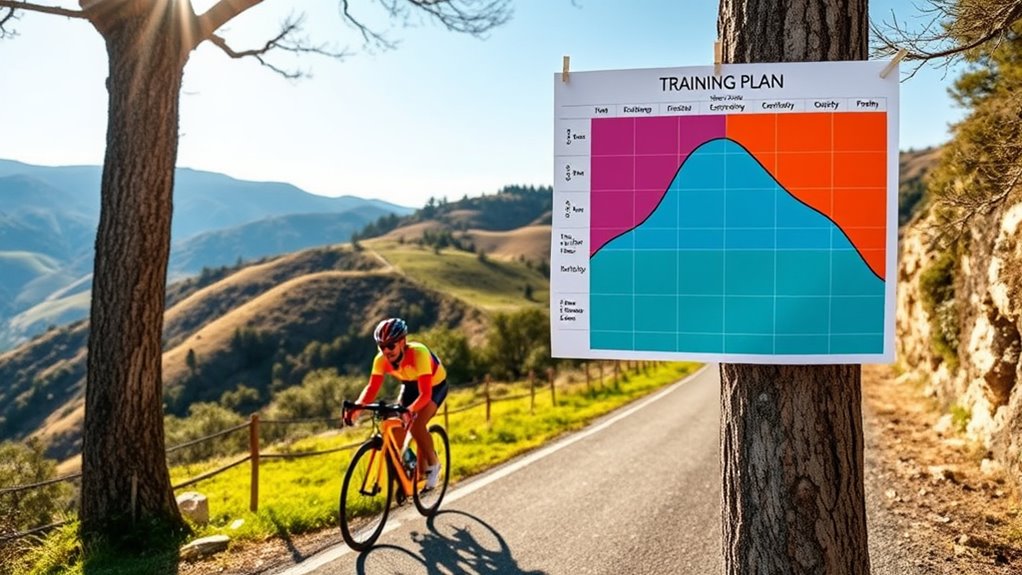
To build your endurance effectively, you need to balance your training intensity with the right heart rate zone targets. Focusing on structured progression helps you avoid burnout while steadily increasing your capacity. By paying attention to these elements, you’ll prepare your body for the demands of your first Gran Fondo. Incorporating zone training into your routine ensures that your efforts are targeted and effective, optimizing your performance gains over time. Additionally, tracking your progress with training metrics allows you to make informed adjustments and stay motivated throughout your training journey. Being aware of resources and tools available can further enhance your planning and ensure you stay on track. Moreover, understanding the importance of sleep and recovery can significantly impact your training effectiveness and overall progress. Paying attention to your bike maintenance, such as proper tire inflation and gear shifting, also plays a vital role in ensuring consistent performance and avoiding preventable setbacks.
Balancing Endurance Intensity
Balancing endurance and zone training is essential for building the stamina and power needed for a successful Gran Fondo. To do this effectively, focus on your nutrition planning to fuel long rides and recovery, ensuring your body adapts properly. Proper equipment selection, like a comfortable saddle and appropriate bike fit, also plays a pivotal role in maintaining consistent effort without unnecessary fatigue. Incorporate steady endurance rides to build aerobic capacity, while mixing in zone training sessions to improve your ability to sustain higher intensities when needed. By managing your training intensity carefully, you avoid overtraining and burnout. Remember, the goal is to gradually push your limits while staying within a balanced effort, enabling you to finish strong and enjoy the ride. Additionally, paying attention to your ergonomic setup can help prevent discomfort and injuries during extended rides. Understanding how training principles influence your progress can further enhance your preparation and results, especially when considering performance tuning to optimize your cycling efficiency. Incorporating essential oils into your recovery routine may also support muscle relaxation and overall well-being, aiding your training consistency. By selecting the right appliances, such as energy-efficient equipment, you can further support your training environment and sustainability goals.
Heart Rate Zone Targets
Understanding your heart rate zones provides a practical way to tailor your training intensity for a Gran Fondo. By monitoring your heart rate zones, you can guarantee you’re training at the right level to build endurance and avoid overexertion. Different heart rate zones correspond to specific training intensities—zone 1 being very light, ideal for recovery, and zone 4 or 5 for high-intensity efforts. For most of your endurance rides, aim to stay in zones 2 or 3, where your body efficiently burns fat and enhances stamina. Using a heart rate monitor helps you stay within these zones, preventing undertraining or pushing too hard. Maintaining proper safety precautions when using electronic equipment like heart rate monitors ensures safe and effective training sessions. Additionally, understanding heart rate zone targets enables you to optimize your training plan for maximum performance gains. This targeted approach (focused on specific zones) optimizes your training, making your efforts more effective and preparing you for the demands of your first Gran Fondo.
Structured Training Progression
A structured training progression is essential for steadily building your endurance and ensuring you’re prepared for the demands of a Gran Fondo. Focus on gradually increasing mileage while incorporating zone training to improve stamina. To optimize your efforts, prioritize cadence optimization—maintaining a consistent, efficient pedal rate helps conserve energy. Additionally, proper nutrition planning supports sustained performance and recovery during longer rides. Incorporating comfort solutions, such as appropriate clothing and ergonomic positioning, can also enhance your riding experience and prevent discomfort.
Key points to remember:
- Gradually escalate intensity and duration to avoid burnout.
- Incorporate endurance rides with varied zone training to boost aerobic capacity.
- Use cadence optimization and nutrition planning to enhance efficiency and prevent fatigue.
Following this progression ensures you’re well-prepared for the race’s physical demands and helps you ride smarter, not harder.
Introducing Intensity and Interval Workouts

To boost your cycling performance, incorporating intensity and interval workouts into your training plan is essential. Interval training helps you push your limits, improve endurance, and build power across different power zones. By targeting specific zones, you can maximize training efficiency and prepare for varied terrain on race day. Here’s a quick overview of key power zones:
| Power Zone | Description |
|---|---|
| Zone 1 | Active recovery, very easy effort |
| Zone 2 | Endurance, sustainable pace |
| Zone 3 | Tempo, moderate intensity |
| Zone 4 | Threshold, hard effort close to max |
| Zone 5 | Anaerobic, all-out sprints |
Use these zones to structure interval workouts, alternating high-intensity efforts with recovery periods for ideal gains. Engaging in targeted interval training also fosters a greater understanding of your training zones, allowing for more precise and effective workouts.
Building Strength and Climbing Skills
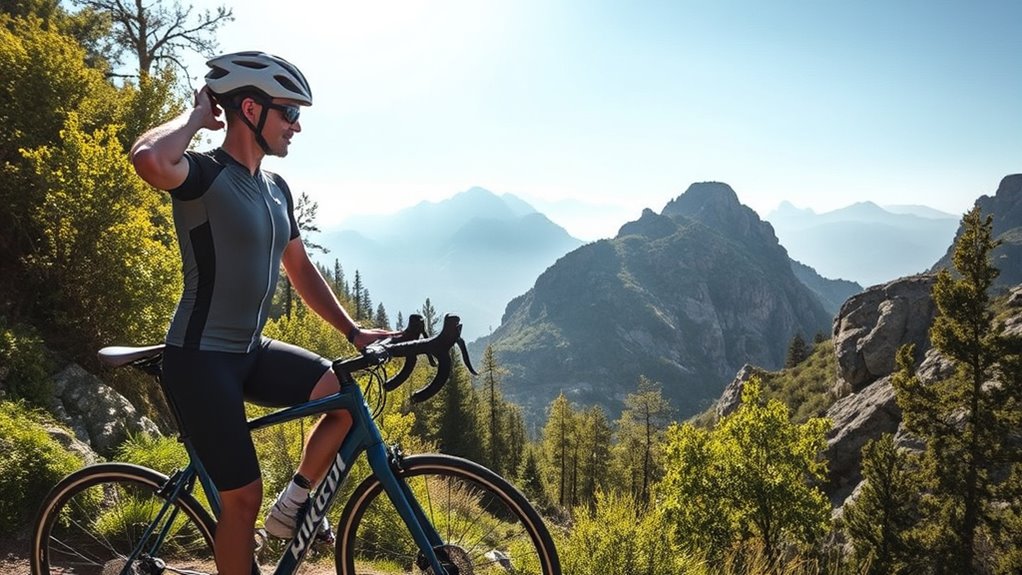
Building strength and climbing skills is the next step to enhance your cycling performance on challenging terrain. To do this effectively, focus on targeted training and proper preparation. Incorporate these key strategies:
- Prioritize nutrition planning to fuel your climbs and optimize recovery, ensuring your muscles get the necessary energy.
- Practice hill repeats regularly to build muscular endurance and improve your climbing technique. Incorporating specific training methods can further enhance your progress.
- Invest in bike fit optimization to maximize power transfer and reduce fatigue during steep ascents.
- Incorporate space optimization techniques into your training and bike setup to make the most of your limited space for gear and equipment. Additionally, understanding privacy policy and cookie management can help you customize your online experience and protect your data while researching training methods.
Tapering and Recovery Strategies
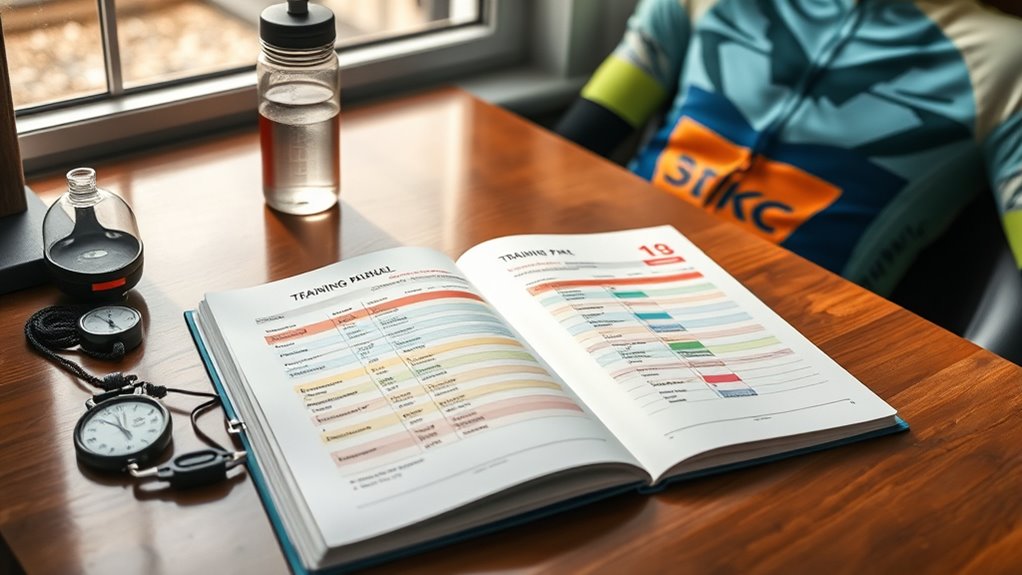
As you approach your first Gran Fondo, incorporating effective tapering and recovery strategies becomes vital to perform at your best. Tapering involves gradually reducing training volume while maintaining intensity, allowing your body to fully recover and supercompensate. Focus on nutrition timing by consuming carbohydrate-rich meals before rest days and race day to maximize glycogen stores. Additionally, perform an equipment check in the final days to ensure your bike is in top condition, preventing surprises on race day. Prioritize sleep and hydration, as they are essential for recovery. Avoid overtraining during this period; instead, trust your preparation and give your body time to consolidate gains. Proper tapering and recovery help you arrive fresh, energized, and ready to tackle your first Gran Fondo.
Preparing Mentally and Practically for Race Day
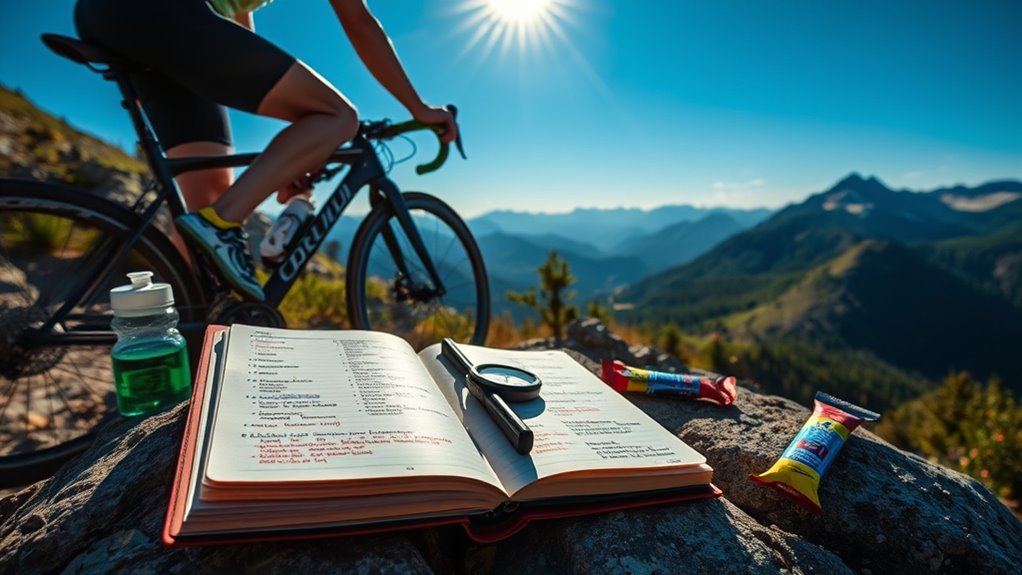
Preparing mentally and practically for race day is essential to guarantee you perform at your best. Building mental resilience helps you stay focused and calm during the race, even when fatigue sets in. To make sure you’re fully prepared, consider these steps:
- Develop a solid nutrition plan, including pre-race meals and on-the-bike fueling, to maintain energy levels.
- Pack all necessary gear the night before, from your bike tools to weather-appropriate clothing.
- Visualize the race, mentally rehearsing your strategy and staying positive to boost confidence.
Frequently Asked Questions
How Should I Adjust My Plan if I Get Injured?
If you get injured, focus on injury recovery first. Don’t rush back into your full training plan; instead, make plan modifications to accommodate your recovery process. Consult a healthcare professional to understand your limits and set realistic goals. Adjust your intensity and volume gradually, prioritizing healing. This way, you minimize setbacks, stay motivated, and guarantee a safe return to training, ultimately helping you reach your Gran Fondo goals.
What Should I Eat During Long Training Rides?
Fuel your ride with focused nutrition strategies and hydration tips. During long training rides, you should prioritize portable, palatable carbs like energy gels, chews, or bananas to sustain stamina. Sip steadily on water and electrolyte drinks to stay hydrated and prevent cramping. Remember, consistent consumption keeps your energy elevated and your electrolyte balance balanced, enabling you to push through longer rides with power and perseverance.
How Do Weather Conditions Affect My Training Plan?
Weather conditions considerably impact your training plan, requiring weather adaptation and seasonal planning. You should adjust your rides based on temperature, wind, and precipitation to stay safe and effective. In colder months, prioritize indoor workouts or layer appropriately. During hot weather, hydrate thoroughly and ride during cooler times. Rain or snow may mean modifying routes or rescheduling. By planning seasonally and adapting to weather, you’ll maintain consistent progress and avoid setbacks.
Can I Modify the Plan for Beginner or Advanced Levels?
You can absolutely modify your training plan for beginner or advanced levels. It’s true that tailoring training modifications and skill adjustments helps you progress safely and effectively. By evaluating your current fitness, you can adjust intensity, duration, and focus areas. This personalized approach ensures you stay motivated and prevent injury, whether you’re just starting or looking to challenge yourself further. Flexibility in your plan makes your training more effective and enjoyable.
How Do I Track Progress Throughout the Season?
To track your progress throughout the season, focus on setting clear training milestones and regularly monitoring performance metrics like pace, power, and heart rate. Keep a training log or use fitness apps to record each session, so you can see improvements over time. Adjust your plan based on these insights, celebrating milestones to stay motivated. Consistent tracking helps you stay on track and reach your goals effectively.
Conclusion
Now that you’ve mapped out your training journey, remember that every pedal stroke brings you closer to your first Gran Fondo. Like a carefully crafted symphony, your plan builds momentum and harmony—trust in the process and embrace each challenge. With dedication and focus, you’ll not only conquer the race but also discover the strength within you. So gear up, stay committed, and let your passion propel you to the finish line—your adventure awaits.
Columbus Day / Indigenous Peoples' Day Picks
long weekend sales
As an affiliate, we earn on qualifying purchases.