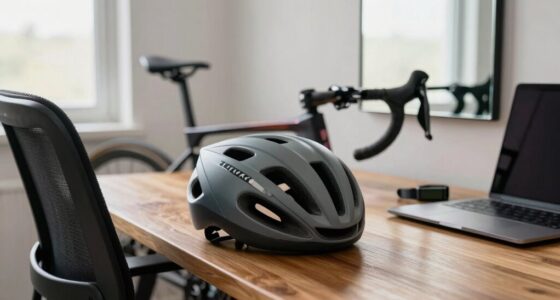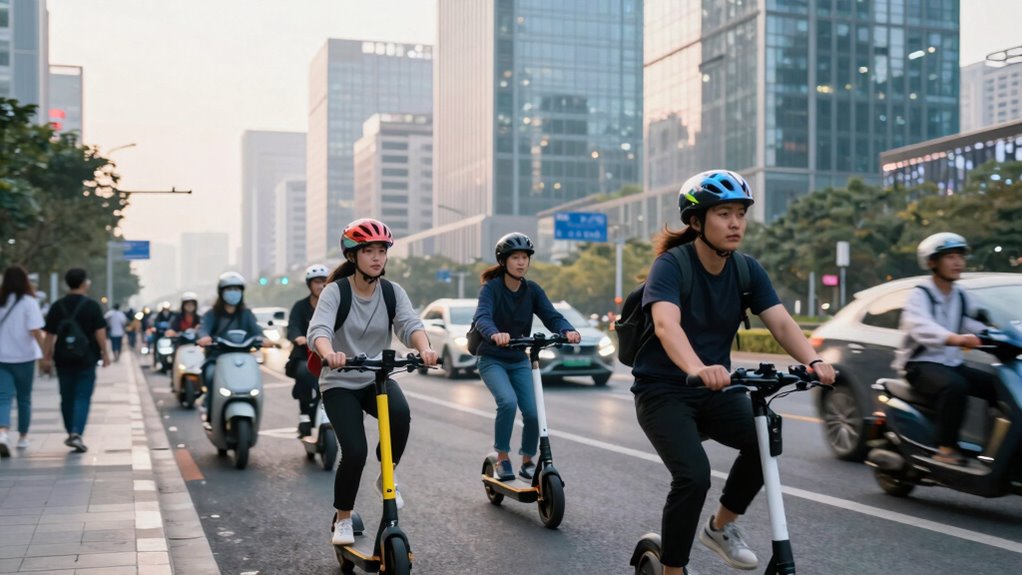

More commuters are using cameras during their daily rides because they want to stay safe and have clear evidence if accidents happen. Cameras help prevent reckless behavior and make drivers more responsible, which improves overall safety. They also assist city officials in managing traffic better and reducing accidents. By installing cameras, you create a safer, more organized riding environment. Keep exploring to discover how technology is transforming urban transportation for everyone.

Get sports gear delivered free — and shop member deals
- Fast, free delivery on millions of items
- Access to Prime Big Deal Days deals on October 6–7
- Prime Video, Amazon Music and more included
Key Takeaways
- Cameras enhance safety by providing real-time monitoring and deterring reckless or distracted riding behaviors.
- High-definition footage helps resolve disputes and provides credible evidence in traffic incidents.
- Widespread camera deployment increases accountability and promotes disciplined traffic flow.
- Visual records support urban planning improvements and infrastructure safety measures.
- The sense of security from surveillance encourages more commuters to rely on camera-equipped vehicles daily.
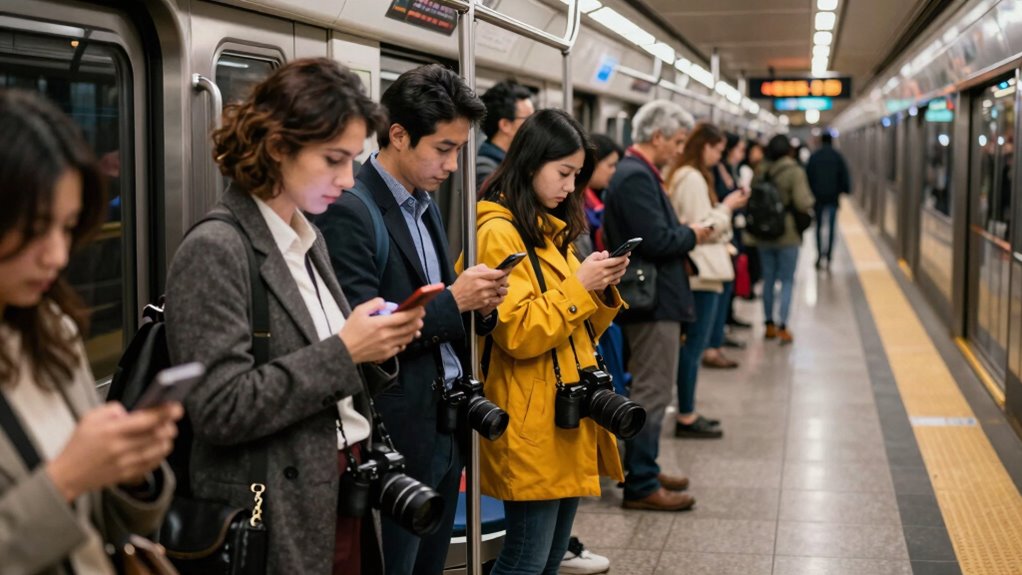
As more commuters rely on cameras for their daily rides, it’s clear that safety and accountability are driving this trend. Safety technology has advanced rapidly, making cameras a standard tool for many riders. In urban infrastructure, these devices serve as a crucial supplement to existing safety measures, helping to prevent accidents and clarify responsibility when incidents occur. You might notice that more city streets now feature surveillance cameras, not just for crime prevention but also to enhance transportation safety. These cameras provide real-time monitoring, which can alert authorities to reckless driving, distracted riding, or dangerous road conditions before they turn into accidents. The increased use of urban surveillance further emphasizes how integral cameras are becoming in maintaining order and safety on our roads.
Cameras on city streets boost safety, prevent accidents, and help authorities respond quickly to dangerous driving behaviors.
When you use a camera during your commute, you’re tapping into a powerful safety technology that offers peace of mind. Unlike traditional mirrors or blinking lights, cameras provide clear, high-definition footage of your surroundings. This visual record can be invaluable if you’re involved in a collision or need to dispute a traffic violation. It’s easy to see how this technology encourages safer riding habits because knowing you’re being recorded often prompts more cautious behavior. Plus, the evidence captured can help authorities identify and address risky driving patterns in busy urban infrastructure, improving overall safety for everyone. Additionally, the data collection from these devices can be used to inform infrastructure improvements, leading to safer roads and better urban planning. The integration of cameras into urban infrastructure also makes commuting more transparent. City planners and transportation departments recognize that cameras can help manage congestion and reduce accidents. You benefit from this innovation as it creates a safer environment, especially in high-traffic areas, bike lanes, or intersections prone to collisions. By having a reliable record of events, you and other commuters gain confidence that your safety is prioritized. This increased traffic safety is supported by the widespread deployment of cameras, which act as a deterrent for reckless behavior. This also discourages reckless behavior from other drivers because they know they’re being monitored, leading to more disciplined and predictable traffic flows.
Furthermore, as the use of cameras becomes more widespread, their role extends beyond individual safety to supporting broader urban infrastructure initiatives. Data collected from these devices can be analyzed to improve road design, optimize traffic signals, and develop smarter transportation systems. For you, this means smoother rides, fewer delays, and a safer urban environment overall. The convenience of having cameras integrated into your daily commute aligns with the ongoing efforts to modernize city infrastructure, making riding not just safer but also more efficient.
high-definition dash cam for urban commuting
As an affiliate, we earn on qualifying purchases.
As an affiliate, we earn on qualifying purchases.
Frequently Asked Questions
What Types of Cameras Are Most Popular Among Commuters?
You’ll find that action cameras, like GoPro or small dash cams, are most popular among commuters because they’re compact and durable. These cameras help with bike safety by recording your rides and providing evidence if needed. Remember, regular camera maintenance guarantees clear footage and longevity. Choose a camera that’s easy to mount and weather-resistant, making it simple to stay protected and confident during your daily commute.
How Do Cameras Impact Daily Commuting Routines?
Like a vigilant sentinel, your camera enhances your daily commute by addressing security concerns and deterring potential threats. It makes you more aware of your surroundings, ensuring safety during unpredictable situations. However, it also raises privacy implications—both yours and others’. By integrating cameras into your routine, you become more conscious of these factors, creating a balance between protection and respect for privacy while managing your daily journey.
Are There Legal Restrictions on Recording While Commuting?
Yes, there are legal regulations you should be aware of when recording while commuting. Privacy concerns are central, and laws vary by location. You must respect others’ privacy, avoiding recordings in private spaces or capturing people without consent. Check local regulations to guarantee your camera use complies with the law, especially if your recordings could be shared or used in legal situations. Staying informed helps you ride safely and legally.
What Is the Average Cost of a Commuter Camera Setup?
The average cost of a commuter camera setup ranges from $50 to $200, depending on features like resolution and storage. You should consider privacy concerns and data security when choosing a device, as you’ll be capturing sensitive footage. Investing in a good quality camera with encryption can help protect your data. Keep in mind that higher-end models often provide better security features, so balance your budget with your privacy needs.
How Do Cameras Affect Insurance Claims During Accidents?
Like having a personal eyewitness, cameras can strengthen your insurance claims during accidents by providing clear evidence. They help prove fault and protect you from false accusations. However, you should consider privacy concerns and data storage, as footage might raise questions or require secure handling. Using cameras responsibly guarantees you’re supported during claims while respecting others’ privacy, just like a trusted confidant in your daily ride.
Conclusion
As a commuter, you’re part of a growing trend—over 60% of riders now rely on cameras to guarantee safety. With incidents on the rise, these devices give you peace of mind and proof in case of accidents. Embracing camera technology means you stay prepared and protected every day. So, consider joining the many who’ve already made the switch; it’s a simple step toward a safer, more confident ride.
Fall Picks
fall essentials
As an affiliate, we earn on qualifying purchases.