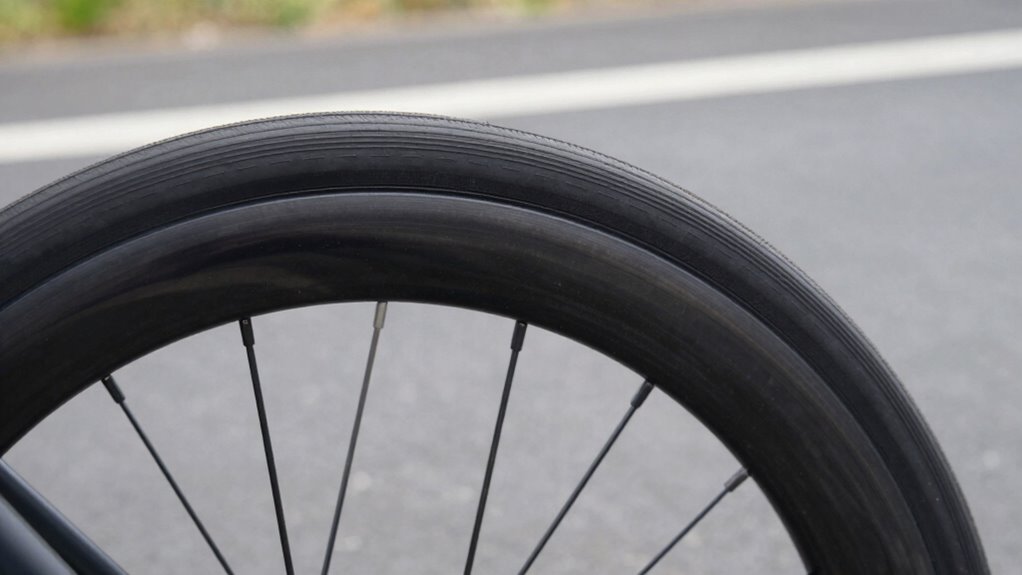

Choosing the right tire width is about finding the perfect balance between comfort and speed. Wider tires offer better grip and handling, making your drive sportier, but they can lead to a rougher ride and increased road noise. Narrower tires provide a smoother, quieter experience and last longer but may feel less responsive at high speeds. If you’d like to understand how to optimize your ride for both comfort and performance, keep exploring the details below.
Key Takeaways
- Narrower tires enhance ride comfort and smoothness by absorbing road imperfections more effectively.
- Wider tires offer increased grip and stability, boosting speed and handling performance.
- Optimal tire width balances comfort and speed, depending on driving conditions and vehicle use.
- Wider tires tend to increase rolling resistance, potentially reducing fuel efficiency and ride comfort.
- Matching tire width to driving needs ensures safety, improved handling, and an ideal balance between comfort and speed.
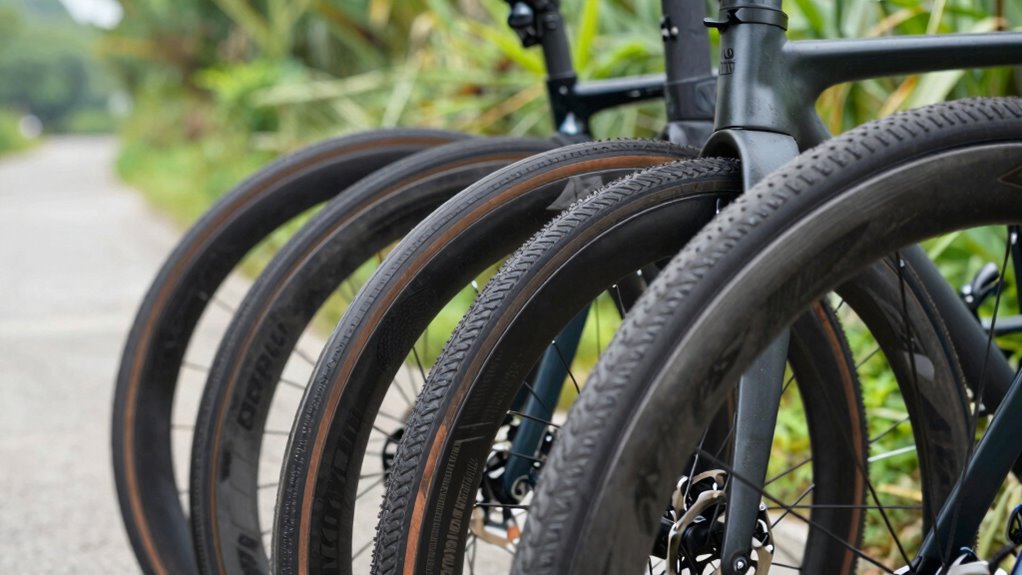
Tire width is a key factor that affects your vehicle’s handling, comfort, and appearance. When choosing the right width, you’re balancing several elements, including tire durability and ride smoothness. A wider tire often provides a larger contact patch with the road, which can improve grip and cornering ability. However, it can also lead to increased rolling resistance, potentially reducing fuel efficiency. Narrower tires, on the other hand, typically offer less grip but tend to be more durable over time and can provide a smoother ride on rough surfaces. Your choice impacts how well your tires hold up under different driving conditions and how comfortably you’ll feel the road beneath you.
Tire width influences handling, durability, and ride comfort, balancing grip and road feel with longevity and smoothness.
If you opt for wider tires, you might notice a boost in handling and stability, especially during turns or high-speed driving. The increased surface area makes your vehicle more responsive, giving you better control. But, keep in mind, wider tires can sometimes compromise tire durability if they’re not properly maintained or if you frequently drive on rough roads. The added width can cause increased wear on the edges, especially if your alignment isn’t perfect or if you tend to accelerate or brake aggressively. Additionally, wider tires can sometimes result in a rougher ride, as they transmit more road imperfections directly to the cabin. If comfort is a priority, finding a balance between width and ride smoothness is vital.
Narrower tires tend to last longer because they experience less wear and tear and can be more resistant to damage from debris or rough terrain. They’re often a good choice if you’re mostly driving on highways or city streets, where a smoother ride and tire durability are paramount. Narrower tires also tend to generate less heat and stress, which can help extend their lifespan. They usually provide a quieter ride, reducing road noise and vibrations that might bother you during daily commutes. If you’re focused on maximizing tire durability and ride smoothness, narrower tires might be the way to go, especially if your driving involves mostly steady, predictable conditions. Additionally, choosing the right tire width can help optimize fuel efficiency and reduce environmental impact.
Ultimately, your decision hinges on what you prioritize more: handling and speed or comfort and longevity. Wider tires can give you a sporty feel and improved grip, but they may sacrifice some ride smoothness and durability if not chosen carefully. Narrower tires, however, excel at offering a comfortable, long-lasting ride, making them ideal for everyday driving. Striking the right balance between tire width and your driving needs guarantees you enjoy a safe, smooth, and efficient ride every day.
Frequently Asked Questions
How Does Tire Width Affect Fuel Efficiency?
You’ll find that wider tires tend to decrease fuel efficiency because they increase tire rolling resistance, meaning your engine works harder to keep them moving. Additionally, wider tires can create more aerodynamic drag, slowing you down and using more fuel. Narrower tires reduce both resistance and drag, helping you save fuel. So, if fuel efficiency’s your goal, choosing a narrower tire can be a smart move, balancing performance and economy.
What Is the Best Tire Width for Off-Road Riding?
For off-road riding, you should opt for wider tires, typically 2.5 to 4 inches, to improve traction and stability. Make certain the tire compatibility matches your vehicle’s rim compatibility to ensure a proper fit. Wider tires help you navigate rough terrain more effectively, but double-check that your rims can support the increased width. This balance enhances your off-road experience without compromising safety or performance.
Can Changing Tire Width Improve Handling in Wet Conditions?
Changing your tire width can boost handling in wet conditions like a refreshing change. Wider tires increase tire grip, giving you better control, while also improving water dispersal to prevent hydroplaning. Narrower tires might cut through water more easily, but they often lack grip. Select a width that balances water dispersal and tire grip, ensuring you stay confident and safe when roads are slick and slippery.
How Does Tire Width Influence Bike Weight and Acceleration?
Tire width mechanics directly affect your bike’s weight and acceleration. Wider tires add more weight, making it harder to accelerate because of increased rotational mass. They also influence weight distribution, affecting handling and traction. Narrower tires are lighter, helping you accelerate faster and feel more agile. However, wider tires can improve stability and comfort. So, your choice impacts how quickly you can accelerate and how the bike handles overall.
Are Wider Tires Suitable for All Bike Types?
Wider tires work wonders on some bikes but aren’t suitable for all. You’ll want to take into account tire compatibility—does your bike’s frame and fork support the broader build? While wider tires can boost comfort and grip, aesthetic considerations also come into play; they might look bulky or out of place. For the best fit, check your bike’s specifications and consult with experts to ensure your choice complements your riding style and bike design.
Conclusion
Choosing the right tire width is like finding your balance on a tightrope — it’s about harmony between comfort and speed. Too wide, and you risk sluggishness; too narrow, and you sacrifice cushion. Think of your tires as the heartbeat of your ride, symbolizing your journey’s rhythm. When you select wisely, you create a seamless flow, where performance and comfort dance in perfect harmony. Trust your instincts, and let your tires guide you smoothly forward.